Unnamed Mexico City taco counter
A Mexico City taco counter making its first U.S. appearance in New York, this spot brings the discipline of the capital's street-counter tradition into a city where Mexican food has long been filtered through Tex-Mex or high-concept reinterpretation. The agave spirits programme anchors the experience as firmly as the food, placing it in a different register from the taqueria format most New Yorkers know.
- Address
- New York City, United States
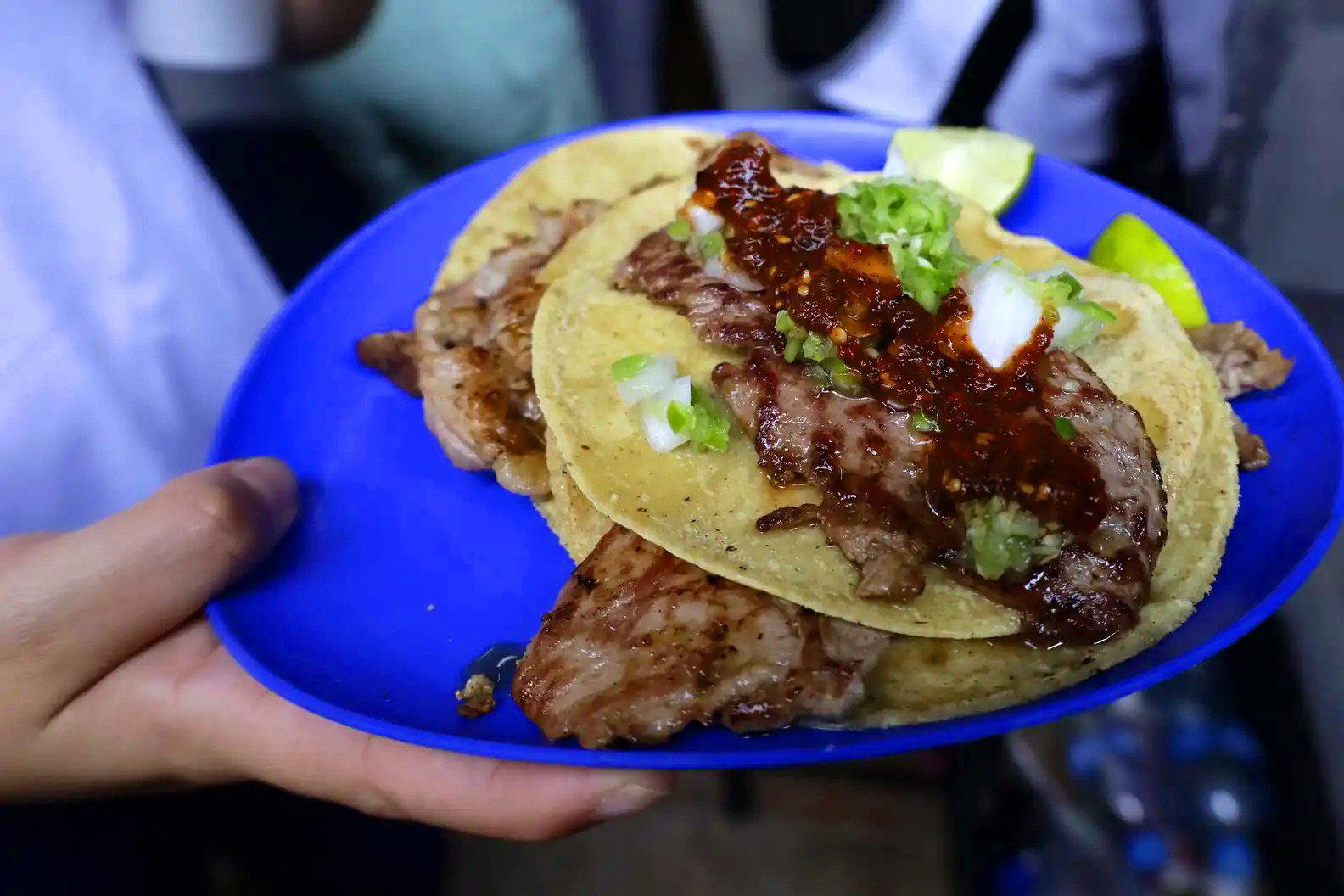
Where Mexico City's Counter Culture Lands in New York
New York has absorbed Mexican cuisine in waves, each shaped more by the city's own appetites than by what actually happens at street level in the Mexican capital. The Tex-Mex era gave way to the upscale margarita-and-guacamole model, which in turn gave way to a generation of chef-driven Mexican restaurants that looked toward Oaxaca or the Yucatán for credibility. What remained largely absent was the format that defines everyday serious eating in Mexico City: the counter. No reservations architecture, no tasting-menu framing, no narrative about heritage pinned to the wall. Just the discipline of repetition, quality sourcing, and the understanding that a taco is a complete expression of a kitchen's skill, not a casual warm-up act.
This Mexico City taco counter's first U.S. location entered that gap. The format itself is the statement. Counter dining in the CDMX tradition operates on compression: limited menu, high volume, relentless consistency. The cook's relationship to the tortilla, the protein, and the condiment is tested hundreds of times a day. Bringing that model to New York, a city where even casual dining concepts carry a layer of curation and brand-consciousness, is a harder task than it looks.
Agave at the Counter: The Spirits Programme as Context
Mexican counter dining in its home city rarely centres a spirits programme. The logic here shifts when you cross into the U.S. market, where the audience arrives with expectations shaped by the mezcal and tequila boom of the last decade. Agave spirits have moved through several phases in American dining culture: the margarita-as-commodity phase, the premium tequila-as-status phase, and now something closer to the natural-wine parallel, where production method, producer scale, and agave variety carry the same weight as appellation and vintage do in European wine.
Artisanal mezcal, the category that sits farthest from industrial production, is now a reference point for a certain kind of drinking seriousness in New York. Bars on the lower end of the East Village and the upper end of the West Village have both built reputations around small-batch mezcal lists sourced directly from Oaxacan or Guerreran producers. A list built around tobala, tepeztate, or cuishe expressions from named palenques signals one kind of commitment; a list of recognisable export-market bottles signals another.
Tequila sits alongside mezcal in this hierarchy, though its trajectory in the U.S. market has complicated its credibility. The proliferation of celebrity-owned brands and additive-heavy expressions has pushed serious drinkers toward blanco tequilas from traditional Jalisco producers and, increasingly, toward the broader agave category as a corrective. A counter format that takes the spirits side seriously has the opportunity to educate without lecturing, letting the pairing logic between a specific preparation and a specific mezcal expression do the work that a long explanatory menu note might otherwise attempt.
For comparison, consider how the agave programme functions at the level of New York's most considered drinking destinations. Our full New York City bars guide covers the range, from technically rigorous cocktail programmes at venues like Saga to more food-forward settings where the drink is expected to hold its own. A taco counter that integrates mezcal and tequila at the same level of intentionality as the food occupies a specific position: it is not a bar that serves food, nor a restaurant with a wine list that happens to include mezcal. It is a food-first format where the spirits programme is co-equal rather than supplementary.
New York's Mexican Dining Tier and Where a Counter Fits
The city's Mexican dining options now span a wider range than at any previous point, but the distribution is uneven. The high-end tier is represented by a handful of chef-driven rooms that compete on the same credentialist terms as Le Bernardin, Masa, or Per Se: Michelin recognition, tasting menus, reservation systems with weeks of lead time. The casual end remains dominated by neighbourhood taquerias, many of which serve a regional Mexican-American population and are not primarily oriented toward the dining-out audience that follows food media.
The middle register, where a Mexico City counter would logically sit, is less populated. Formats that take food seriously without adopting the full apparatus of fine dining, prix-fixe structure, sommelier service, formal reservation systems, have always been harder to sustain in New York's cost environment. The counter model manages this by concentrating spend on the product rather than the experience architecture. It is structurally similar to what César represents in the contemporary register, or what Lazy Bear in San Francisco does for the communal-table format: a deliberate resistance to the dominant mode in favour of something that the food itself makes legible.
CDMX taco counter tradition has a specific kind of authority that the fine-dining Mexican model in the U.S. largely lacks: it is not arguing for elevation or recontextualisation. It is arguing that the thing itself, done at the highest level of craft, is already worth the full attention of the room. That argument is easier to make in Mexico City. Making it in New York, against the backdrop of a dining culture that prizes novelty and conceptual framing, requires the food to be unambiguous.
The Broader U.S. Expansion Pattern
A Mexico City restaurant opening its first U.S. location in New York is not unprecedented, but it remains less common than the reverse. American concepts expanding into Mexico City have shaped neighbourhoods like Polanco and Roma Norte for two decades. The southward direction of that influence has been well-documented. The northward movement of CDMX restaurant culture into the U.S. market is newer and, from a culinary standpoint, more interesting. It involves not just transplanting a menu but transplanting a format logic that has developed independently of American dining culture's expectations.
For context on how serious regional Mexican cooking translates into the U.S. fine-dining framework, Providence in Los Angeles offers a useful reference point for how a region's culinary identity can anchor a destination-level restaurant without abandoning its source material. The taco counter model works differently: it does not adapt to the fine-dining frame, it declines it. Whether New York's dining public reads that refusal as confidence or as limitation will depend largely on execution.
Other cities with established reputations for format discipline and culinary seriousness offer comparative signals. Alinea in Chicago and The French Laundry in Napa represent what happens when a format is pursued without compromise at the highest resource level. A counter taqueria operates at the opposite end of the resource spectrum but applies the same underlying logic: the format is not a limitation, it is the point.
Know Before You Go
Know Before You Go
- Cuisine: Tacos and Mexican counter cooking from a Mexico City-origin concept
- Format: Counter service in the CDMX tradition
- Reservations: Walk-in friendly
Side-by-Side Snapshot
Comparable venues nearby, for context on price, style, and recognition.
| Venue | Cuisine | Price | Notes |
|---|---|---|---|
| Unnamed Mexico City taco counterThis venue — the venue you are viewing | Michelin-Starred Mexico City Taqueria | $$ | Not listed |
| Taqueria On Tenth | Upscale Mexican Taqueria | $$ | Chelsea-Hudson Yards |
| The Creek & The Cave | California-style Mexican | $$ | Long Island City-Hunters Point |
| Neighborly Oaxacan | Traditional Oaxacan | $$ | New York City |
| Tequila Chito's | Traditional Mexican Grill | $$ | Chelsea-Hudson Yards |
| Ursula Brooklyn | New Mexican | $$ | Bedford-Stuyvesant (West) |
Continue exploring
More in New York City
Restaurants in New York City
Browse all →
Bars in New York City
Browse all →




At a Glance
- Minimalist
- Trendy
- Casual Hangout
- Local Sourcing
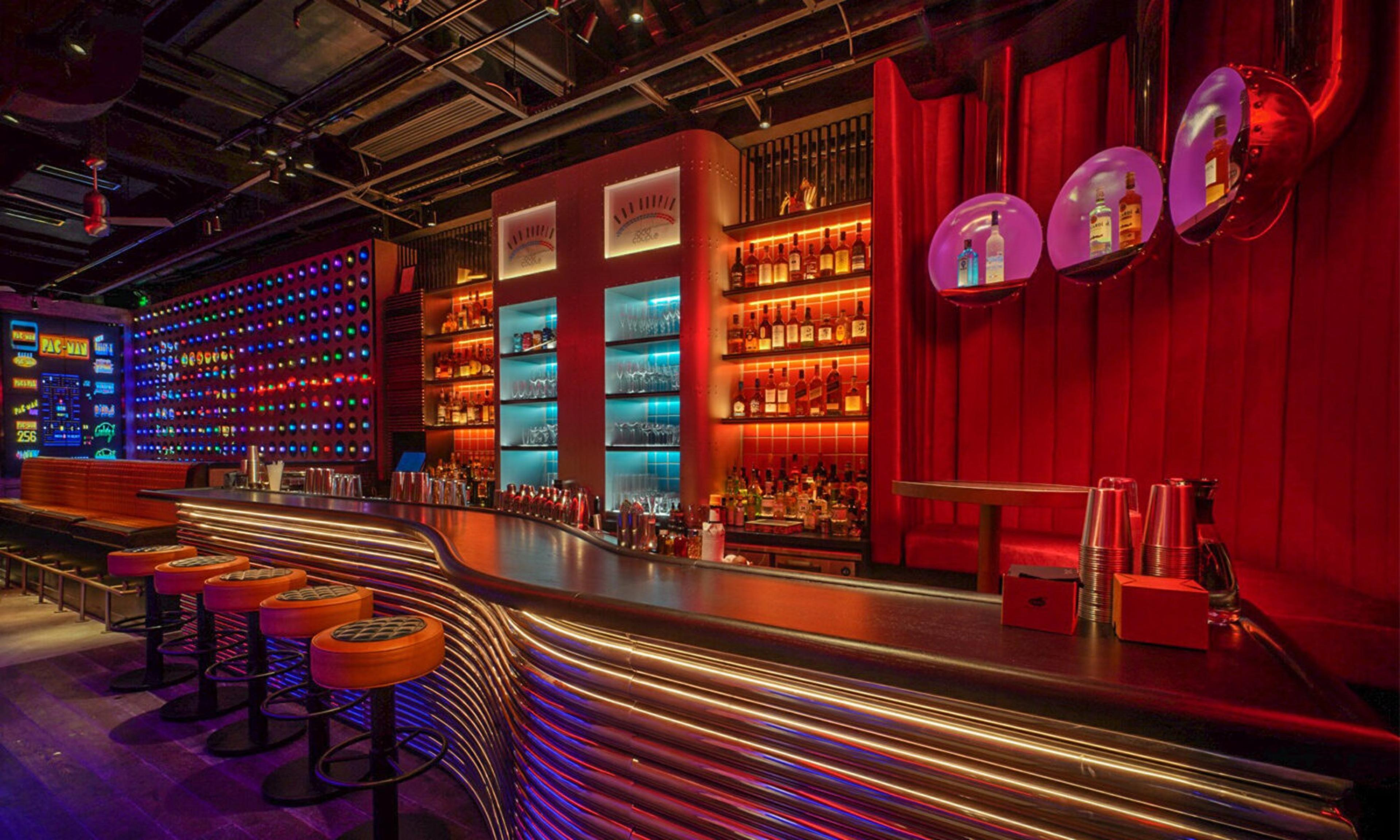
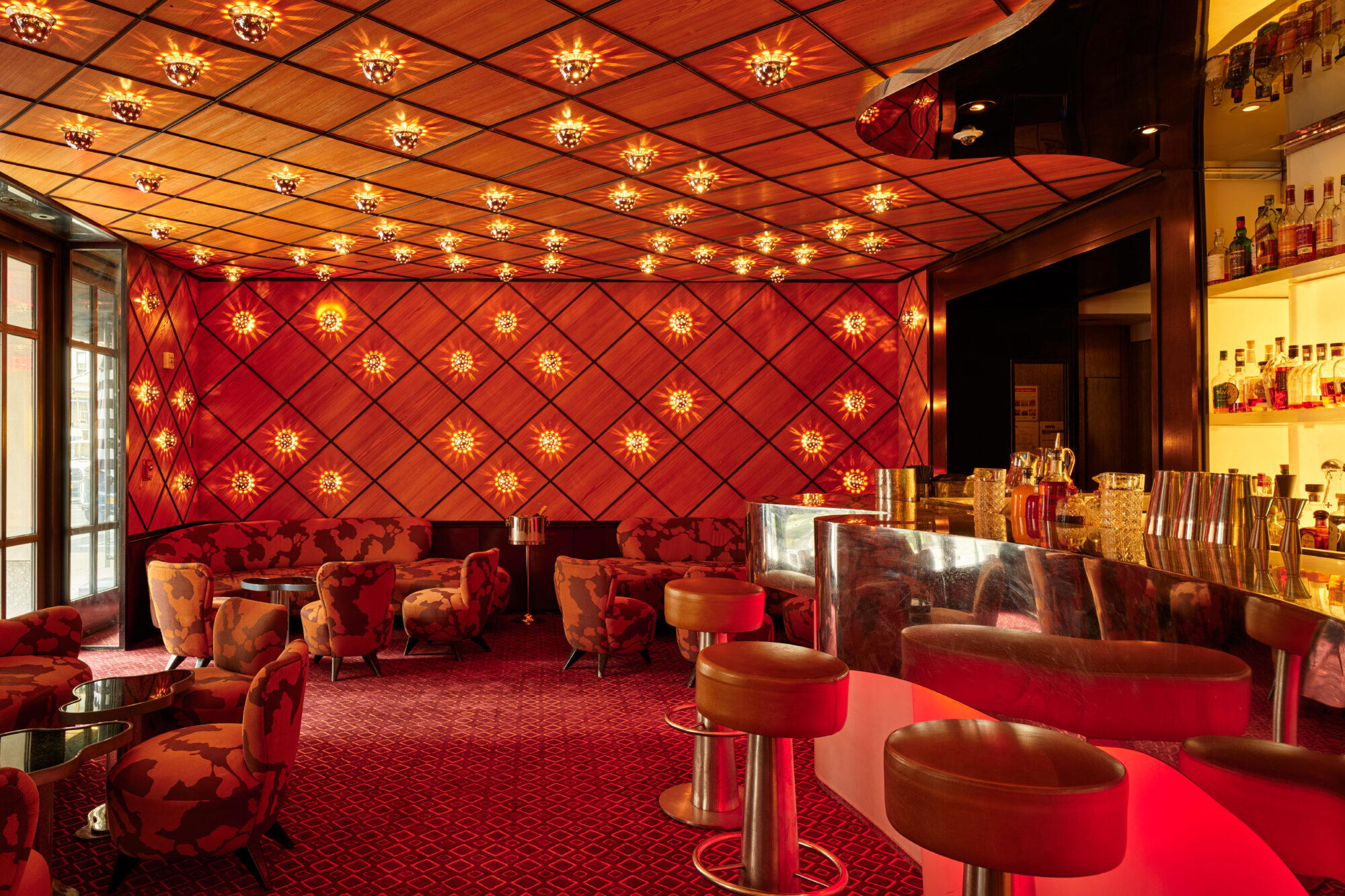
Minimalist counter-service setup emphasizing precise cooking and quality ingredients in a no-frills, standing-room atmosphere.