
Impar occupies the ground floor of Barcelona's Hotel Sofia, dressed in mid-century vintage decor that sets a deliberately unhurried tone. The menu draws from five continents while anchoring everything in Mediterranean produce, with sharing plates, housemade pasta, rice, and wood-fired pizzas forming a wide spread that suits groups and solo diners alike. It reads less as a fine-dining statement and more as a well-resourced hotel restaurant comfortable in its own register.
- Address
- Placa de Pius XII, 4, 08028 Barcelona, Spain
- Website
- impar.sofiabarcelona.com
- Directions
- Get directions
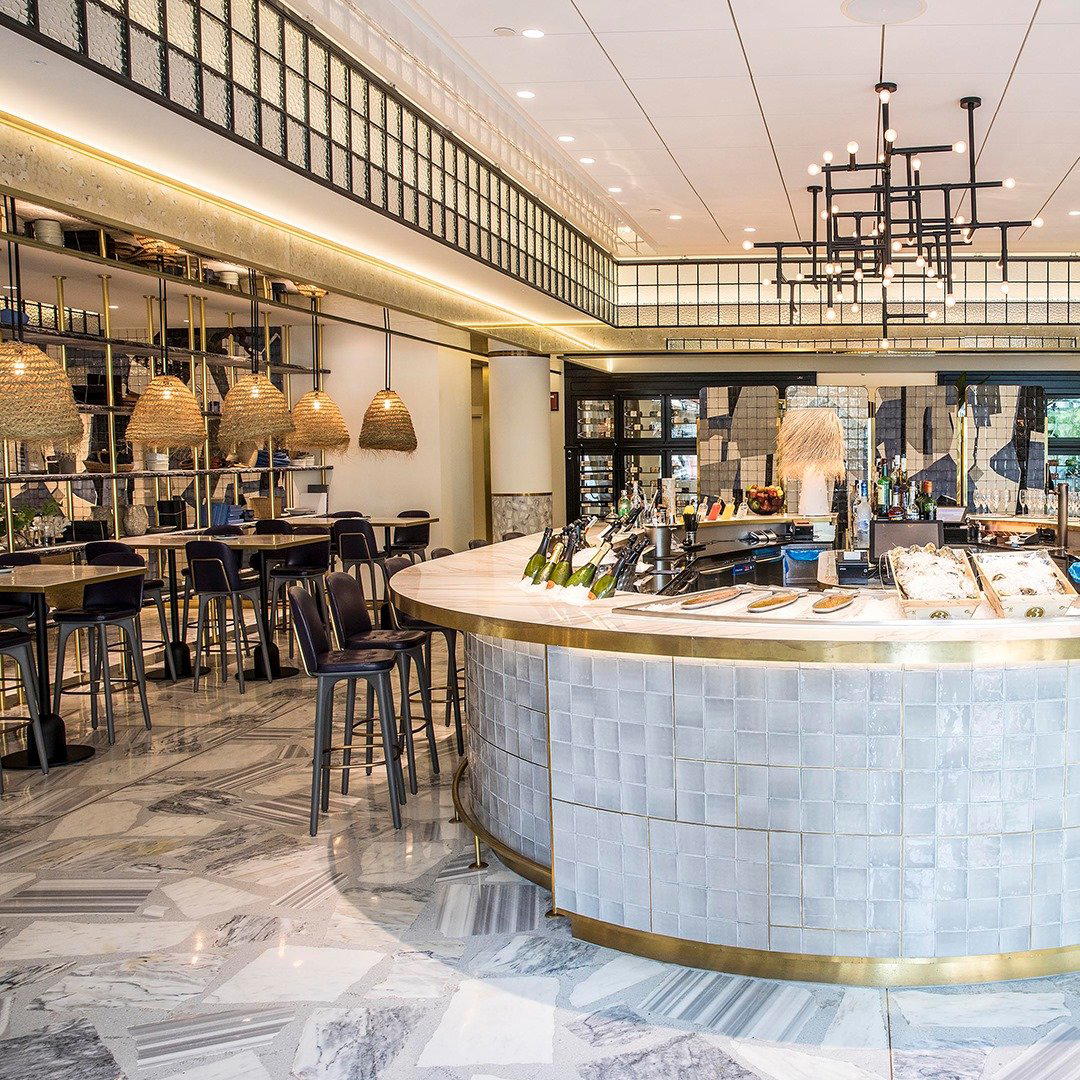
Mid-Century Atmosphere in the Hotel Sofia
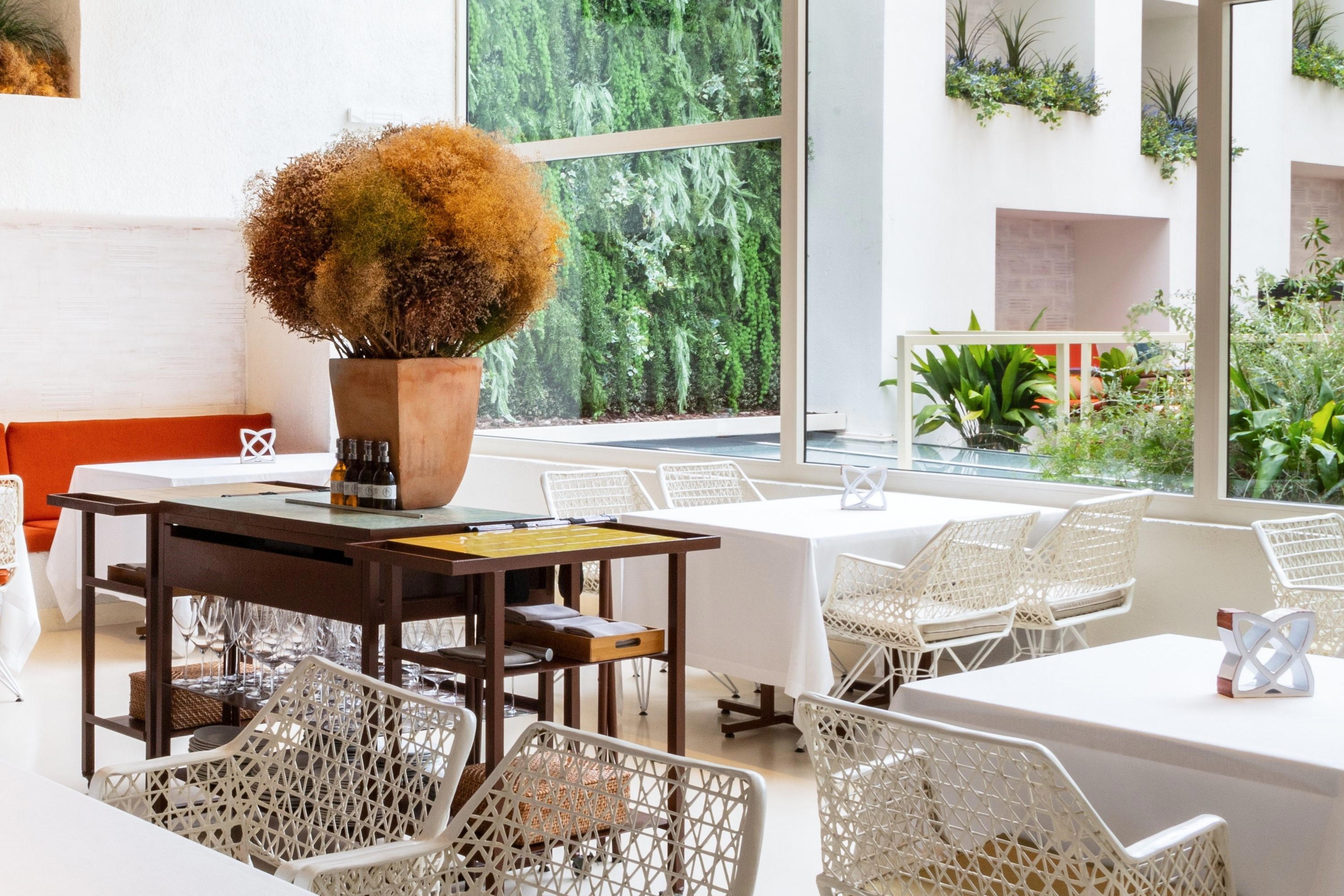
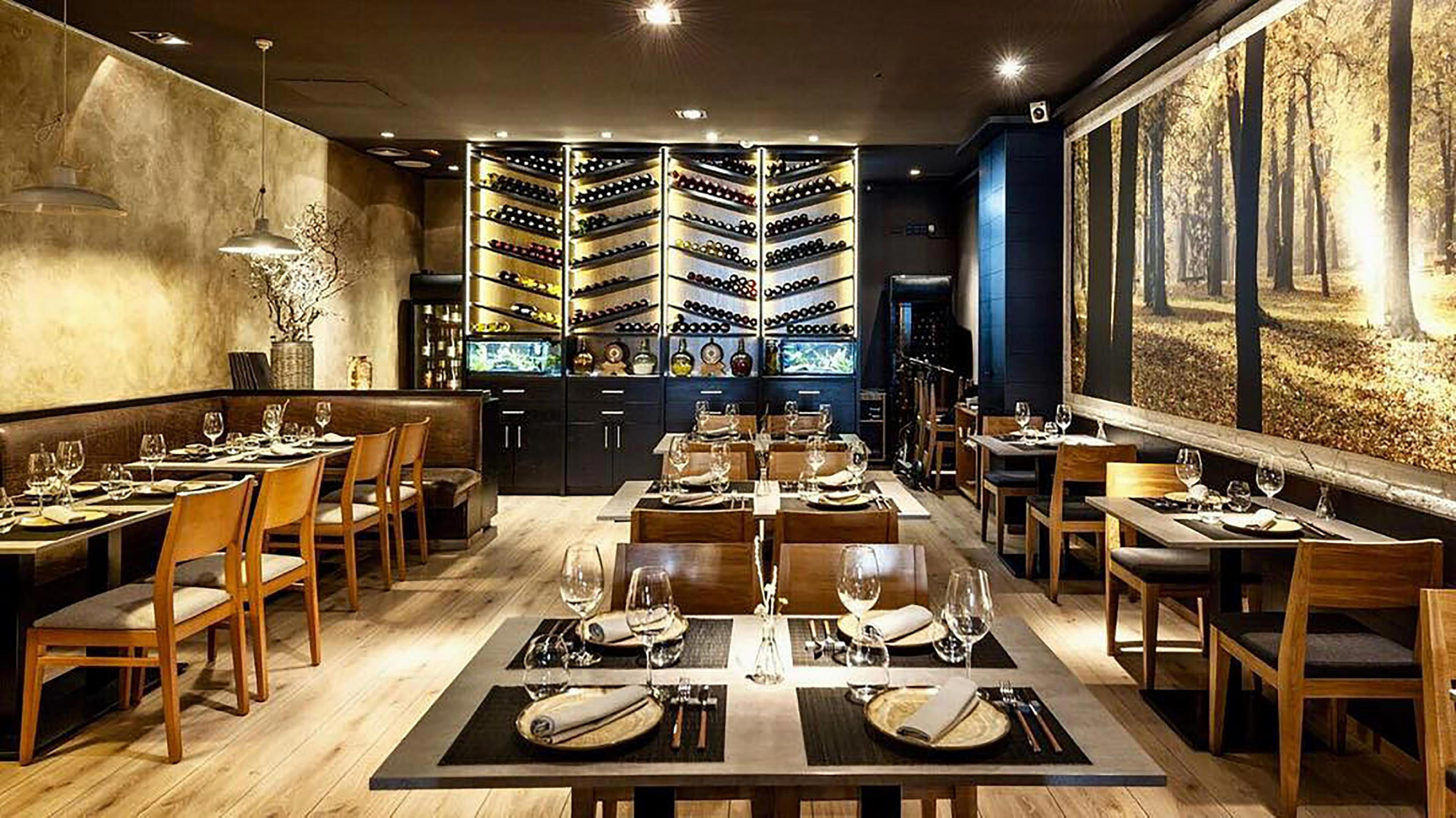
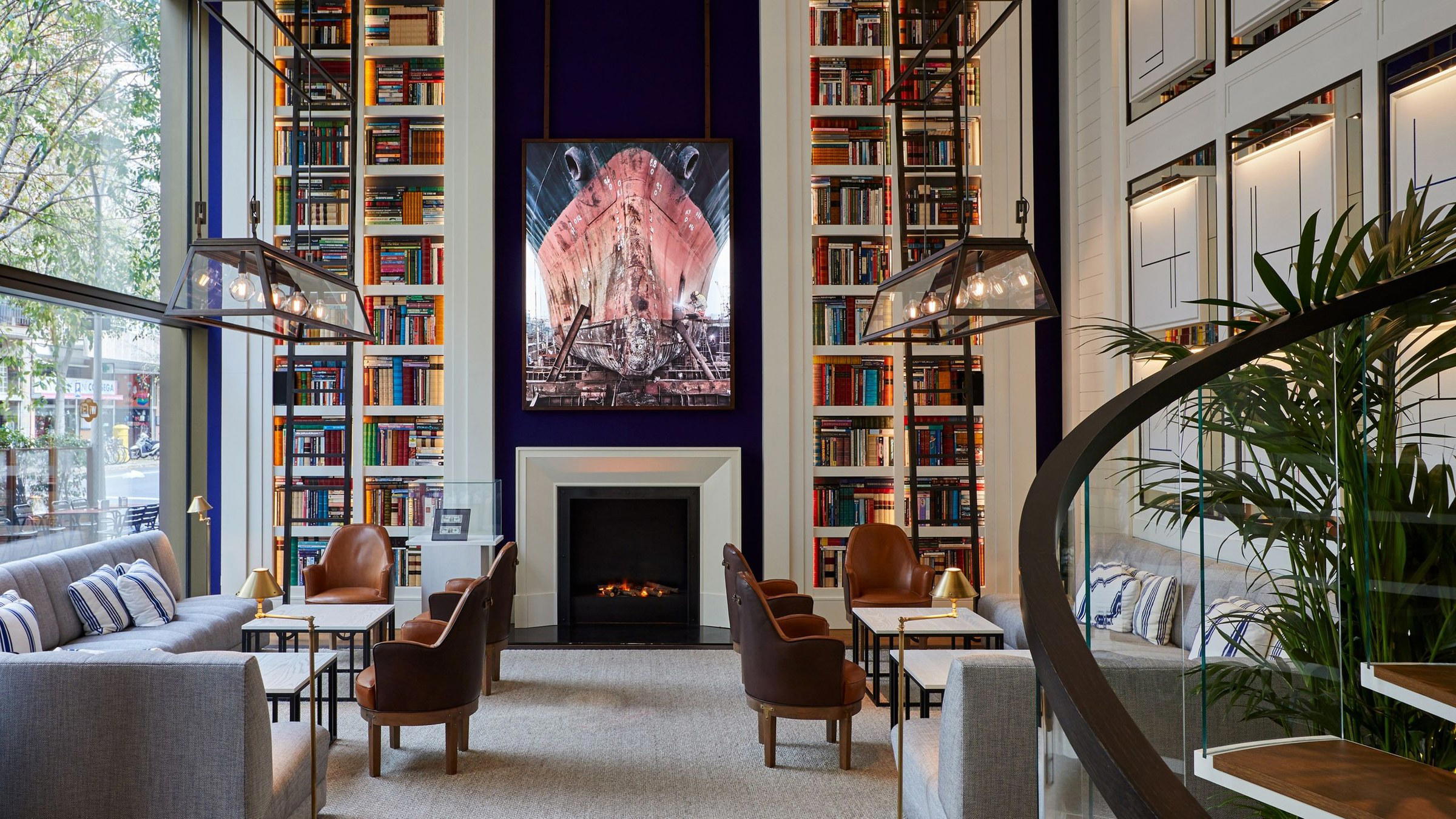
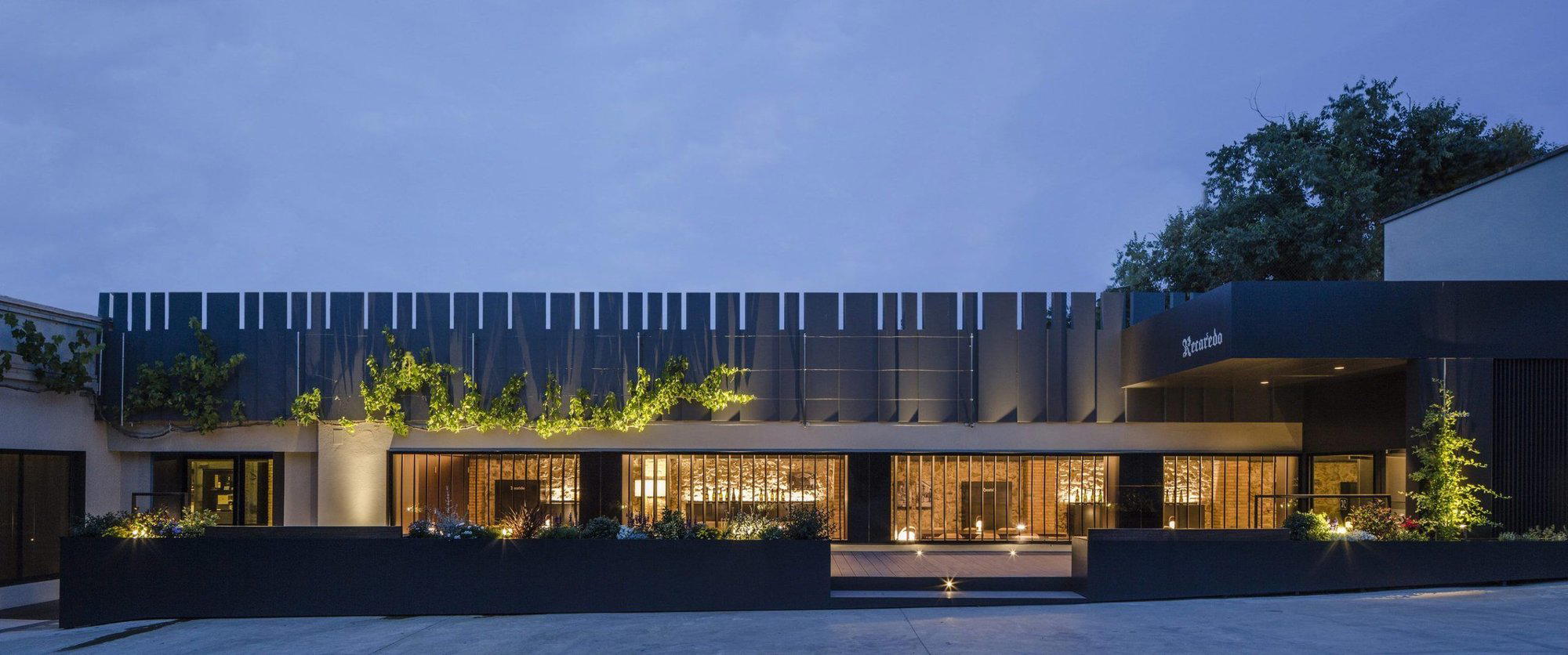
Barcelona's hotel restaurant scene divides roughly into two camps: the tasting-menu format with a name chef attached, and the all-day brasserie that serves the hotel's full guest flow without apology. Impar is a restaurant in Barcelona, set in the Hotel Sofia at Plaça de Pius XII 4, with a smart-casual dress code and reservations recommended. Impar, the second restaurant inside the Hotel Sofia on Plaça de Pius XII, belongs to neither cleanly. Its mid-century decor from the 1950s, with warm materials, period curves, and a considered vintage palette, gives the room a texture that separates it from the generic international hotel dining room. Walking into the space, the visual register is closer to a well-preserved European grand café than a contemporary hotel F&B; concept. That distinction matters in a city where the gap between a credible neighbourhood restaurant and a hotel restaurant has narrowed considerably over the past decade.
The Sofia sits in Les Corts, west of the Eixample grid, closer to Camp Nou than to the Gothic Quarter. This positions Impar somewhat outside the density of Barcelona's most-discussed dining corridors, which means it functions partly as a destination for hotel guests and partly as a neighbourhood-level option for residents of a quieter, residential stretch of the city. Barcelona's restaurant attention tends to concentrate along a corridor running from Eixample through Gràcia and into Poble Sec, where venues like Disfrutar, Enigma, and Cocina Hermanos Torres operate in the high-investment creative tier. Impar is not competing in that register, and it doesn't position itself as if it were.
What the Kitchen Is Actually Doing
The kitchen describes its approach as multi-gastronomic, drawing on culinary influences from five continents while keeping Mediterranean produce as the raw-material base. That framing is ambitious, and in lesser hands it collapses into a fusion menu that satisfies nobody. What prevents that outcome here is the discipline of anchoring technique and ingredient sourcing locally even when the flavor references travel further. The result is a menu built around sharing plates, housemade pasta, rice dishes, and wood-fired pizzas, alongside more composed individual plates, including preparations like salted-crust cooking with pumpkin and eggplant finished in olive oil.
Spain's most-discussed creative restaurants, from ABaC and Lasarte in Barcelona to El Celler de Can Roca in Girona or Arzak in San Sebastián, operate under the logic of singular authorship: one kitchen, one vision, one menu. Impar operates under a different logic entirely. The extensive range of sharing dishes, the pizza section sitting alongside rice and pasta, the global-influence framing: this is a menu designed for lateral movement and group dynamics rather than for vertical progression through a chef's argument. Internationally, hotel restaurants with this kind of catholicity, think of venues like Emeril's in New Orleans or broader brasserie formats in European capitals, tend to succeed when the execution is consistent rather than creative. The evidence at Impar points toward that same operating principle.
The Sensory Character of the Room
The 1950s aesthetic is not decorative shorthand applied superficially. Mid-century European design in a hospitality context carries specific associations: a slower pace, materials with weight, a room that does not demand that diners perform excitement. The visual effect of warm curves and vintage palette creates a dining environment that encourages conversation rather than documentation. In a city where aperitivo culture is well-established and dinner is understood as a long social event rather than a transaction, that kind of room design is a genuine operational asset.
Sharing formats reinforce this. The structure of the menu, where multiple dishes arrive at the table to be distributed rather than presented individually as finished statements, creates a particular cadence. Sound levels in rooms configured for sharing tend to run warmer; plates overlapping at the table, conversation flowing across dishes, the rhythm of a meal that expands laterally rather than progressing formally through courses. Impar's kitchen format and room design appear calibrated to this kind of evening rather than to the silence-punctuated reverence of Barcelona's high-end tasting-menu counters.
For a different register entirely, Spain's more technically rigorous creative programs, from Azurmendi in the Basque Country to Aponiente in El Puerto de Santa María or DiverXO in Madrid, ask something different of the diner: focus, a willingness to be led through a singular argument. Impar asks something closer to the opposite: arrive, order widely, and stay for a while.
Planning Your Visit
Impar sits at Plaça de Pius XII 4, within the Hotel Sofia in the Les Corts district. The neighbourhood is accessible by metro and the surrounding area is quieter than central Barcelona, which can work in the visitor's favor if the goal is a meal without the background density of the Eixample or El Born. As a hotel restaurant with full-day service capacity, Impar is likely to be more accommodating to walk-ins than a standalone neighbourhood restaurant with a smaller team and fixed covers, though peak dinner service on weekends should prompt a reservation. Dress code is smart casual, and reservations are recommended.
Internationally, if the multi-continental kitchen format at Impar appeals, Le Bernardin in New York and Martin Berasategui near San Sebastián represent different points on the spectrum of ambitious hotel-adjacent dining at a higher technical register.
Peers Worth Knowing
Comparable venues nearby, for context on price, style, and recognition.
| Venue | Cuisine | Price | Notes |
|---|---|---|---|
| ImparThis venue — the venue you are viewing | Mediterranean Fusion Tapas | $$$ | Not listed |
| Flax&Kale | Modern Plant-Based Mediterranean | $$$ | el Raval |
| Planta Baja | Mediterranean Catalan with Seasonal Local Ingredients | $$$ | les Tres Torres |
| El Patrón | Mediterranean Seafood Fusion | $$$ | Sant Gervasi - Galvany |
| Gilda by Belgious | Mediterranean-Belgian Fusion Tapas | $$$ | Barri Gotic |
| Terrassa Martínez | Mediterranean Rice and Grill | $$$ | el Poble Sec |
Recognition history
Dated appearances from independent guides and award organizations, with the underlying list record or original source where available.
We're Smart World 1 Radish
We're Smart World
Continue exploring
More in Barcelona
Restaurants in Barcelona
Browse all →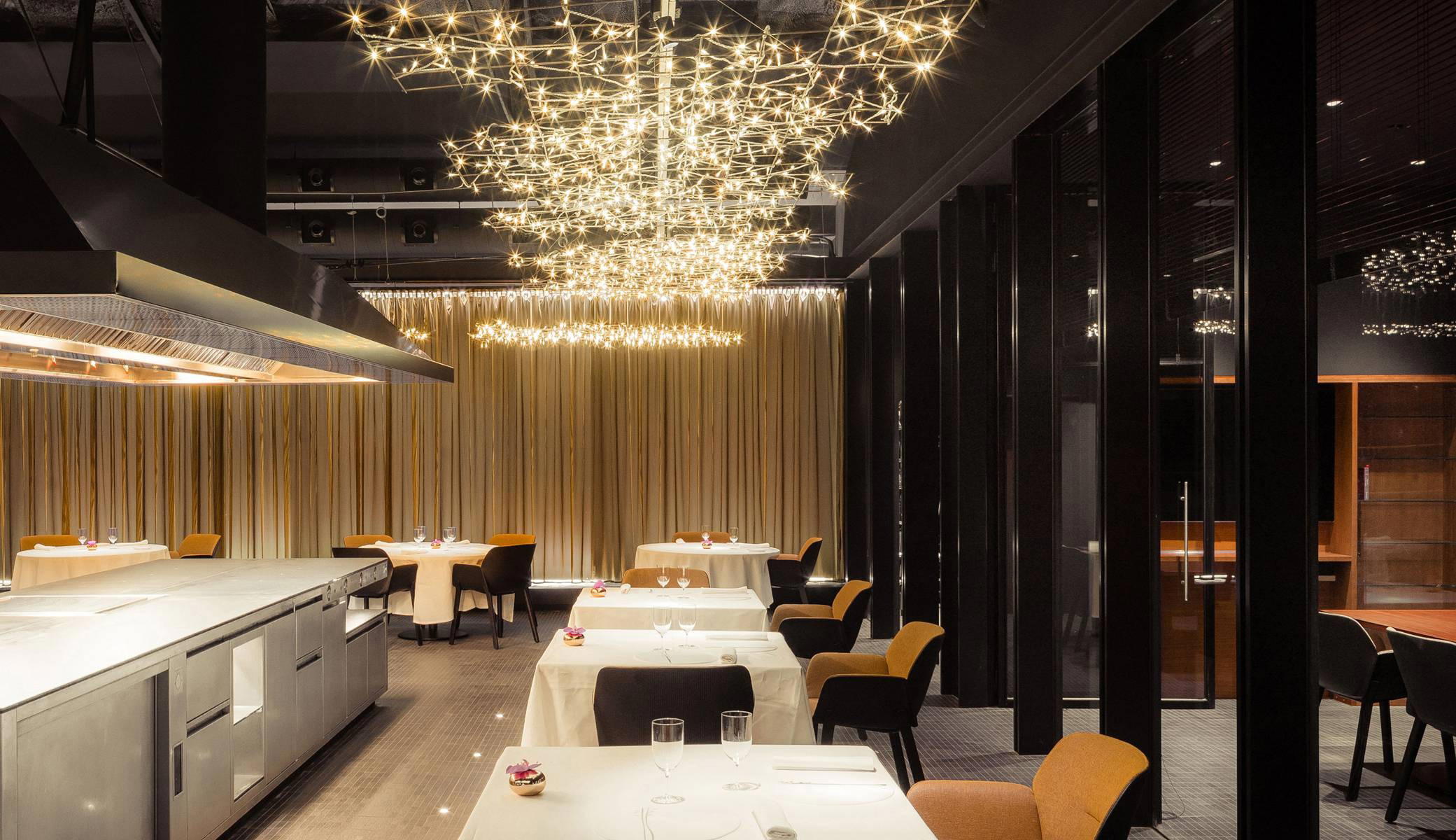
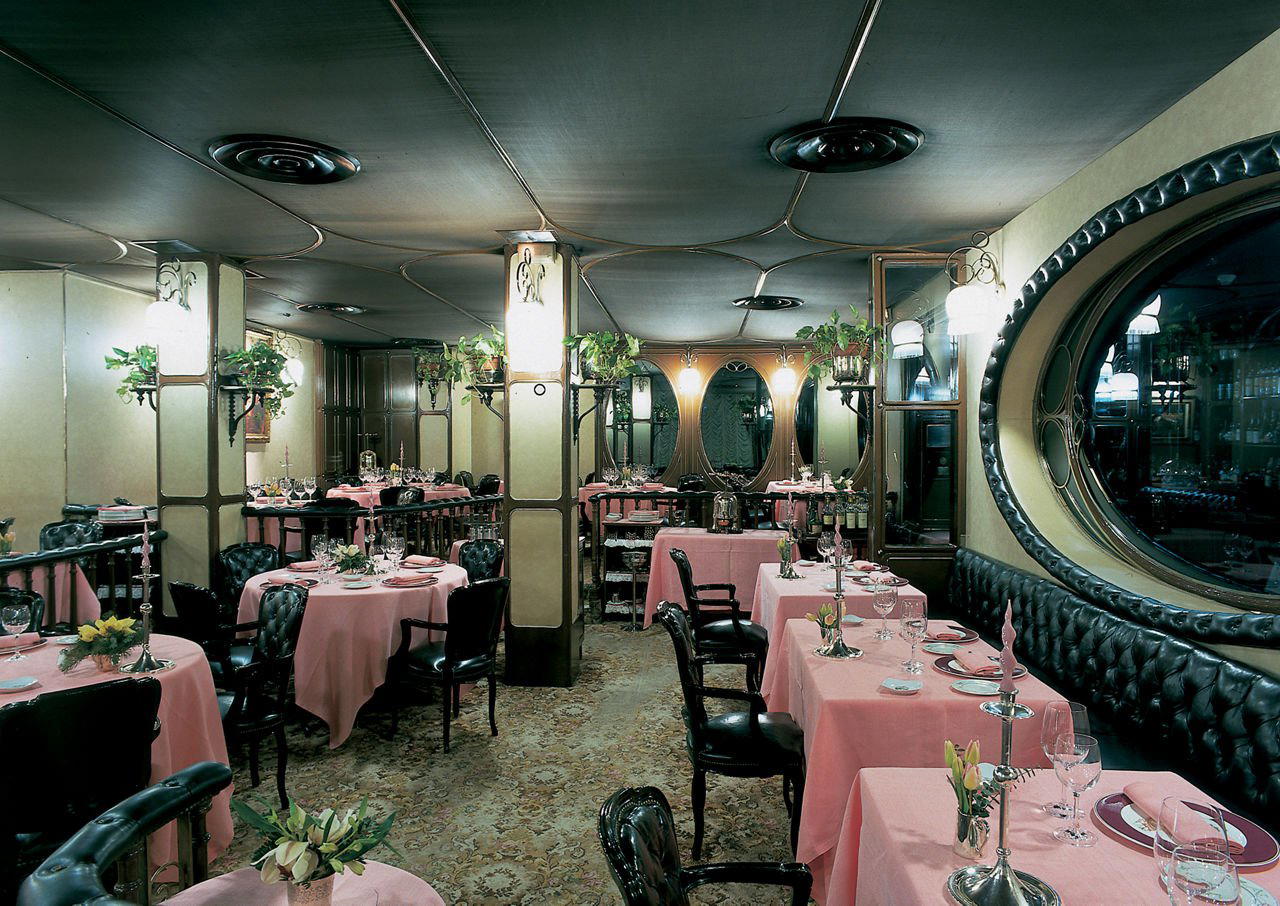
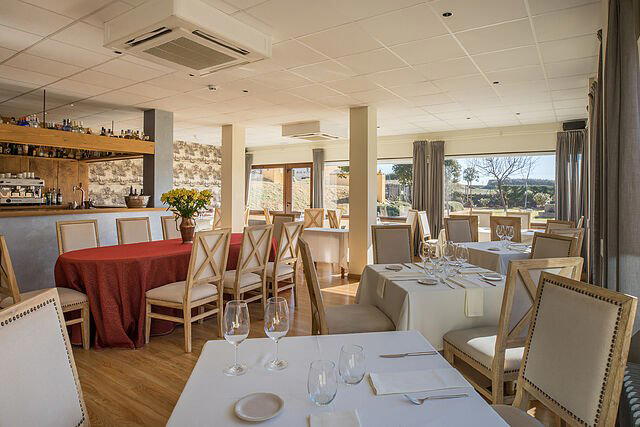
Bars in Barcelona
Browse all →
Hotels in Barcelona
Browse all →
At a Glance
- Modern
- Cozy
- Elegant
- Date Night
- Business Dinner
- Family
- Hotel Restaurant
- Terrace
- Extensive Wine List
Inviting and modern atmosphere with nice lighting, cozy and comfortable for dining.