On Plaza de la Independencia, steps from the Retiro park gates, Harina occupies one of Madrid's most recognisable addresses in the Retiro district. The restaurant draws a loyal local following that returns not for novelty but for consistency, the kind of place where the regulars know which table to request and what to order before the menu arrives. A reliable anchor in a neighbourhood that rewards those who look past its tourist-facing surface.
- Address
- Pl. de la Independencia, 10, Retiro, 28014 Madrid, Spain
- Phone
- +34 915 22 87 85
- Website
- harinamadrid.com
- Directions
- Get directions
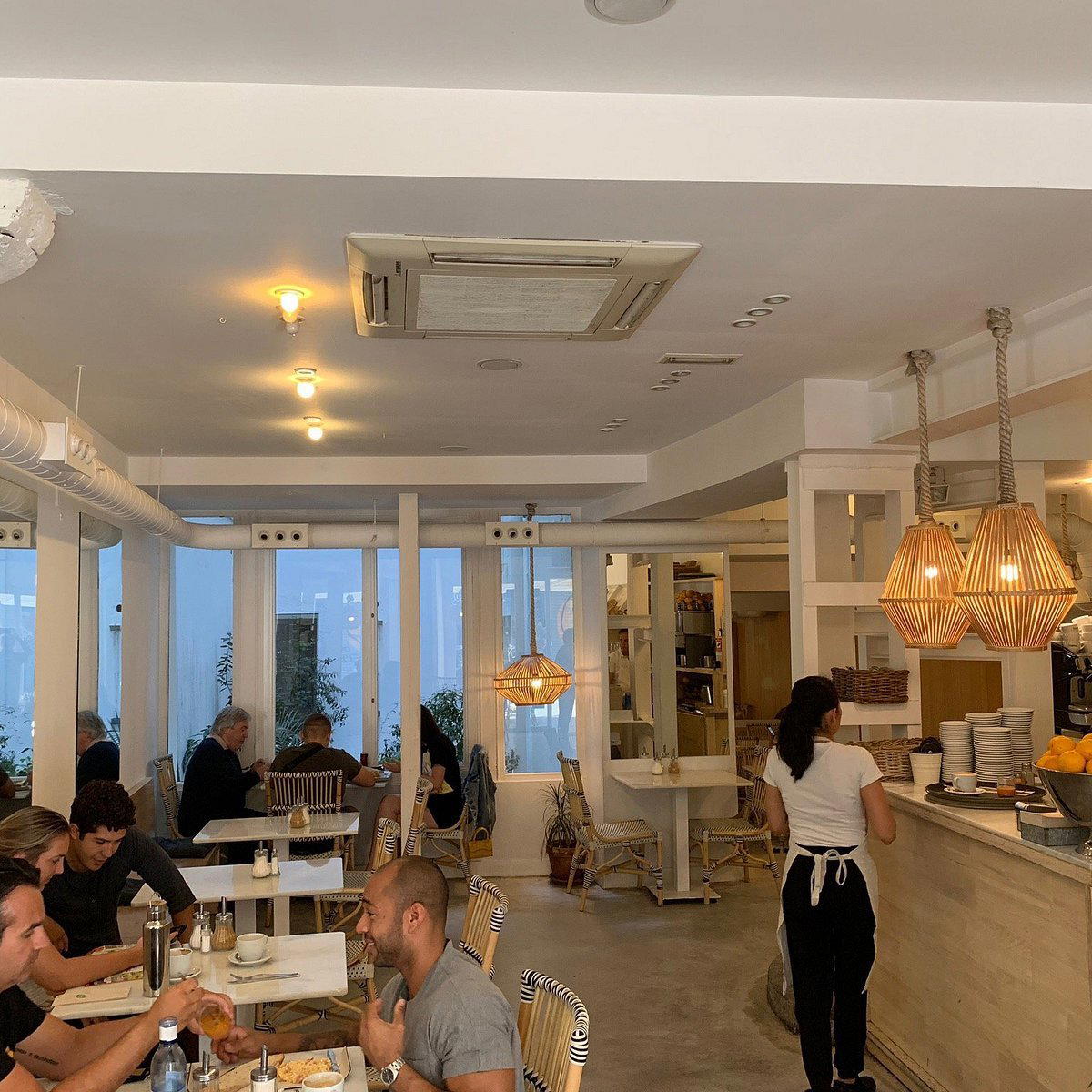
What the Regulars Already Know
Plaza de la Independencia is one of Madrid's more theatrical entry points: the neoclassical arch of the Puerta de Alcalá frames the northeast corner, the Retiro's tree line bleeds into the periphery, and the traffic circles in a way that gives the square a perpetual sense of arrival. Harina sits directly on that plaza, at number 10, in a position that puts it in the sightline of thousands of people who walk past daily and, critically, within easy orbit of one of the city's most residential park-adjacent neighbourhoods. First-timers notice the address; regulars notice the table they've reserved for the third time this month.
The distinction matters. Retiro is not a dining destination in the way that Chueca or Malasaña are, where restaurant density creates a gravitational pull. It is a neighbourhood where good restaurants earn their clientele gradually, through reliability rather than buzz. The places that survive here tend to do so because the people who live nearby, or work nearby, or walk the Retiro on weekend mornings, find something worth returning to. Harina has built that kind of following, which tells you something about its register: this is not a restaurant calibrated for the first visit.
Where It Sits in Madrid's Dining Tier
Madrid's dining scene has bifurcated sharply over the past decade. At one end, the city houses some of Spain's most technically ambitious cooking: DiverXO, Coque, Deessa, DSTAgE, and Paco Roncero represent a creative tier that competes in a national conversation alongside Spain's most decorated tables: El Celler de Can Roca in Girona, Mugaritz in Errenteria, Arzak in San Sebastián, Martin Berasategui in Lasarte-Oria, Azurmendi in Larrabetzu, Aponiente in El Puerto de Santa María, Quique Dacosta in Dénia, Ricard Camarena in València, and Atrio in Cáceres. At the other end, the city has a deep stratum of neighbourhood restaurants that do not chase Michelin recognition and are not designed to. Harina occupies territory closer to the latter, drawing from the residential Retiro catchment rather than the destination-dining circuit.
That positioning is not a shortcoming; it is a design choice that shapes everything about the experience. Restaurants calibrated for regulars operate differently from those calibrated for one-time diners. The menu tends to have depth rather than spectacle. The room is arranged for comfort over theatre. The staff know faces. The pricing does not presuppose that every guest is celebrating a special occasion. Harina is built around recurrence.
The Unwritten Menu
In any restaurant with a loyal returning clientele, there is an unwritten menu: the things regulars order without consulting the printed one, the combinations they have worked out over multiple visits, the timing preferences they've communicated to the staff. This is the real product of a neighbourhood restaurant, accumulated over time rather than designed in advance. It is also the hardest thing to convey to a first-time visitor, because it requires trust before access.
Spanish restaurant culture at this register tends to centre on dishes that reward familiarity: preparations that seem direct on first encounter but reveal more at the third or fourth. Bread-forward establishments in Madrid, which the name Harina (Spanish for flour) directly invokes, often use their baking programme as a marker of kitchen seriousness. Flour-based cooking, whether in the form of bread, pastry, or pasta, is labour-intensive and unforgiving, and a restaurant that leads with it is signalling something about its priorities. Across Spain, from Cocina Hermanos Torres in Barcelona to smaller trattorias in the Basque Country, the quality of the bread service has become a reliable proxy for the kitchen's overall standard.
The Room and the Rhythm
Retiro restaurants of this type tend to run at a different pace from the later, louder rooms in central Madrid. The neighbourhood's demographic, weighted toward families, professionals with early schedules, and park-walkers who take their Sunday lunch seriously, means the rhythm skews toward a proper midday service rather than the late-night compression that defines dining in Lavapiés or La Latina. Harina's position on the plaza places it at the intersection of several of those rhythms simultaneously: weekday lunches from the surrounding offices and embassies, weekend post-park meals, and occasional dinner crowds drawn by the setting's visual weight.
For new visitors, arriving at the plaza from the Retiro metro station (line 2) puts you at the square in under a minute. The address at number 10 is on the plaza's main arc, readable from the Puerta de Alcalá end. Walk-in availability during peak Saturday lunch service is a more speculative proposition than a midweek booking, and the sensible approach for anyone visiting specifically for Harina rather than the neighbourhood is to make contact through the standard Madrid reservation channels in advance.
What Keeps People Coming Back
The question worth asking about any restaurant with a loyal regular base is not what it does spectacularly, but what it does consistently. Spectacular cooking exists in Madrid in abundance; the creative tier listed above makes that plain. Consistency at a neighbourhood level is rarer and, for the people who live near Plaza de la Independencia, considerably more useful. A restaurant you return to monthly needs different virtues from one you visit annually.
Those virtues tend to be: a menu that evolves without alienating, staff who recognise you without performing recognition, a room that does not require an occasion to justify the visit, and cooking that does not fatigue. The regulars at Harina have presumably found that combination here. Whether a first-time visitor encounters the same quality depends partly on timing, partly on expectation calibration, and partly on whether they order the way the regulars do rather than defaulting to the safest items. That is always the gamble at a restaurant whose real product is familiarity.
Planning Your Visit
Harina is at Plaza de la Independencia, 10, in the Retiro district of Madrid (postcode 28014). The location is accessible directly from Retiro metro station on line 2, which connects centrally to Sol and Banco de España. Given the plaza's tourist footfall and the restaurant's local reputation, booking ahead for weekend lunch is advisable. Harina is walk-in friendly, with a casual dress code and a price point around $12 per person. Dress code expectations at this address lean toward the smart-casual register typical of Retiro dining.
Cuisine-First Comparison
Comparable venues nearby, for context on price, style, and recognition.
| Venue | Cuisine | Price | Notes |
|---|---|---|---|
| HarinaThis venue — the venue you are viewing | Spanish Café & Bakery | $$ | Not listed |
| Pastelería Celicioso | Gluten-Free Spanish Bakery Cafe | $$ | Chueca |
| Candela Bernabéu | Traditional Spanish Tapas & Cervecería | $$ | El Viso |
| casabula | Asturian Parrilla | $$ | Nueva Espana |
| 11 Nudos Madrid | Modern Atlantic & Galician Cuisine | $$ | Chueca |
| Osteria da Nando | Traditional Asturian Cuisine | $$ | Castellana |
Continue exploring
More in Madrid
Restaurants in Madrid
Browse all →
Bars in Madrid
Browse all →
Hotels in Madrid
Browse all →

At a Glance
- Cozy
- Trendy
- Casual
- Brunch
- Casual Hangout
- After Work
- Standalone
Light, airy, and informal atmosphere with simple decor; described as chill and hip with friendly service.