
sanka belongs to Tokyo’s quieter dining register: a Nakano address where the name itself points to “three,” suggesting a compact idea rather than a spectacle. With no public menu format or chef-led mythology to lean on, the case for attention rests on context: ingredient-minded Tokyo cooking, a neighborhood outside the usual Ginza-Aoyama axis, and the way smaller rooms can make sourcing feel immediate rather than decorative.
Pearl is the En Primeur Club membership app — saves, bookings, and concierge access live there. Same editors, same standards.
- Address
- 3-34-24 Nakano, Nakano-ku, Tokyo, Tokyo, 164-0001, JPN
- Phone
- +81 3-6382-6352
- Website
- guide.michelin.com
 Saves & bookings on Pearl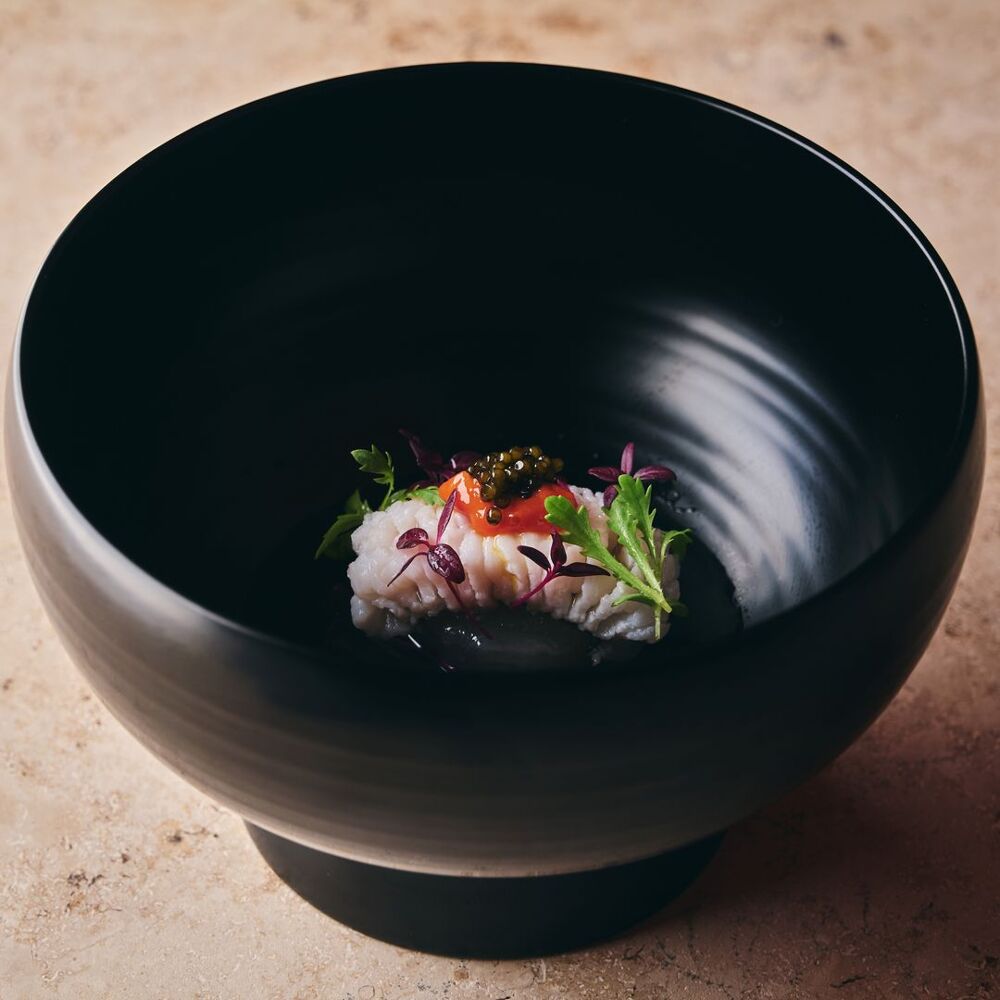
Approaching Nakano from central Tokyo’s polished dining corridors changes the rhythm before the meal. The district is denser, more lived-in, and less staged than the luxury zones on international lists. That matters for sanka: in Tokyo, ingredient-led cooking need not announce itself through grand rooms, famous counter lineages, or trophy pricing. In neighborhoods like Nakano, the quieter argument is that the meal must justify itself through producers, markets, seasonality, and the kitchen’s handling.
The name sanka refers to “three,” a compact clue rather than a manifesto. Tokyo has many restaurants built around one heroic category, sushi, tempura, yakitori, ramen, wagyu, but interesting independent rooms often work in threes and tensions: raw and cooked, land and sea, local habit and outside technique. With no public-facing chef biography or fixed cuisine label shaping the narrative, sourcing is the useful lens. In this city, sourcing is not decoration but the meal’s grammar, especially in small-format restaurants where a limited set of ingredients can define the evening.
Nakano gives ingredient-led dining a different pressure than Ginza
Tokyo’s high-end dining map can mislead from abroad. Ginza and Roppongi get global attention, but the city’s eating culture depends on neighborhood rooms, specialist counters, market-linked kitchens, and places whose regulars care less about ceremony than consistency. Nakano sits in that second Tokyo: accessible, dense, practical, and less dependent on international dining theater.
That setting changes expectations. A central luxury counter can price itself against ceremony, scarcity, and lineage. A Nakano restaurant has to make a sharper case. Ingredient quality, portion logic, seasoning restraint, and pacing carry more weight because the room is not protected by a famous hotel address or documented chef narrative. Compared with Tokyo peers such as Acala naatha, Horumon Jinsei Taro Chan, Oka Joki, Kagari, and 松㐂, sanka reads less as a category restaurant from the outside and more as a small independent address whose identity depends on execution rather than one searchable genre.
Tokyo’s produce culture is useful context. The city’s restaurants draw from a distribution system that puts coastal fish, mountain vegetables, cultivated mushrooms, rice, citrus, soy products, and regional condiments into tight seasonal rotation. The better kitchens need not explain this at length; availability shapes the meal. For diners, the question is not only what cuisine is served, but whether the kitchen appears built to respond to ingredients rather than force them into a static signature format.
The sourcing story is stronger than the branding story
Many contemporary restaurants turn provenance into performance. Tokyo is more demanding. Diners are used to ingredient specificity, and even casual rooms can have strong supply relationships. A restaurant without public signature dishes or a declared chef persona has less room for rhetoric, which can help. The food must make the point directly: freshness where it matters, controlled aging or resting where texture benefits, and restraint enough to let soy, dashi, charcoal, vinegar, citrus, or fermentation do precise work rather than heavy lifting.
That is why sanka is better understood as part of a Tokyo pattern than as an isolated curiosity. The city’s serious small restaurants increasingly resist easy classification. They may borrow from kappo, izakaya, modern Japanese cooking, wine-bar dining, or market cooking without becoming any one of them. In that category, sourcing organizes the meal. The menu can move with supply, and the room can stay modest while the plate carries the ambition.
The lack of public detail around price range, seat count, and booking format also pushes assessment toward fundamentals. Tokyo rewards diners who separate visibility from quality. One restaurant can be heavily publicized and formulaic; another can be sparsely documented and serious. sanka sits in the latter reading, not because mystery has value, but because Nakano and ingredient-driven Japanese cooking give smaller addresses a credible framework. The case is strongest for travelers who understand Tokyo beyond trophy reservations and want a meal tied to neighborhood scale.
For comparison, the broader Tokyo range includes grill-led rooms, curry specialists, ramen counters, cafés, and formal Japanese formats. EP Club’s coverage maps that spread through places such as . 鮪と炭火焼き うお炭 秋葉原店, 12/10 Shinjuku ten, 124. KAGURAZAKA (Yakitori), 2D Cafe, and 3 Chome no Curry Ya San. Those links matter because Tokyo is not one dining scene; it is overlapping subcultures, from yakitori specialization to visual café culture to curry shops with narrow, loyal followings.
How to place sanka in a Tokyo itinerary
sanka makes more sense for a traveler who has done the obvious Tokyo dining moves, or for a local diner who values a neighborhood meal over a performative reservation. Its Nakano address puts it west of the central luxury circuit, changing the evening’s texture: less hotel-lobby choreography, more ordinary city movement before and after dinner. Ingredient-led cooking often reads better when the surroundings are not competing for attention.
Treat the meal as a focused Tokyo dinner rather than a casual add-on. With no public hours or booking channel listed here, plan conservatively: allow time, avoid stacking another reservation, and confirm directly through the restaurant’s current public channels before setting a schedule. Allergy and child policies should also be checked before committing, since smaller Japanese restaurants may have limited flexibility when menus depend on daily sourcing and compact kitchen workflow.
For a broader Tokyo trip, the city guides are a better planning spine than a single restaurant page: Our full Tokyo restaurants guide, Our full Tokyo hotels guide, Our full Tokyo bars guide, Our full Tokyo wineries guide, and Our full Tokyo experiences guide. Wider Japan and Japanese-diaspora references can sharpen the comparison: -Grilled beef Sukiyaki- KAMAKURA TANUKIAN 鎌倉 たぬき庵 in Kamakura.cafe in Osaka.know in Kumamoto, (Shoku) Vietnam in Kawasaki, [Curry Senmon Ten] Maruyama Kyoju. in Sapporo, [ki:] in Kyoto, Jōdo Saké Bar in Los Angeles, and Onigiri Time in Pasadena.
The editorial read is clear: sanka is not the Tokyo choice for diners who need famous awards, visible chef mythology, or a heavily documented tasting format before committing. It is more compelling for those who understand that Tokyo’s ingredient culture often works at smaller scale, especially outside the central prestige neighborhoods. In Nakano, the value lies in how tightly the restaurant connects sourcing, season, and room size without turning them into theater.
A Quick Peer Check
Comparable venues to calibrate price, style, and recognition.
| Venue | Cuisine | Price |
|---|---|---|
| sanka | The name ‘sanka’ refers to three... | This venue |
| Acala naatha | JPY 3,000 - JPY 3,999 - JPY 999 | JPY 3,000 - JPY 3,999 - JPY 999 |
| Horumon Jinsei Taro Chan | JPY 8,000 - JPY 9,999 | JPY 8,000 - JPY 9,999 |
| 松㐂 | ||
| Oka Joki | JPY 6,000 - JPY 7,999 JPY 1,000 - JPY 1,999 View spending breakdown | JPY 6,000 - JPY 7,999 JPY 1,000 - JPY 1,999 View spending breakdown |
| Kagari | Ramen | Ramen |
Recognition history
Dated appearances from independent guides and award organizations, with the underlying list record or original source where available.
Michelin Plate
Michelin · 2026 Michelin Plate












At a Glance
- Modern
- Minimalist
- Elegant
- Intimate
- Low Profile Address
- Date Night
- Special Occasion
- Business Dinner
- Solo
- Design Destination
- Standalone
- Extensive Wine List
- Local Sourcing
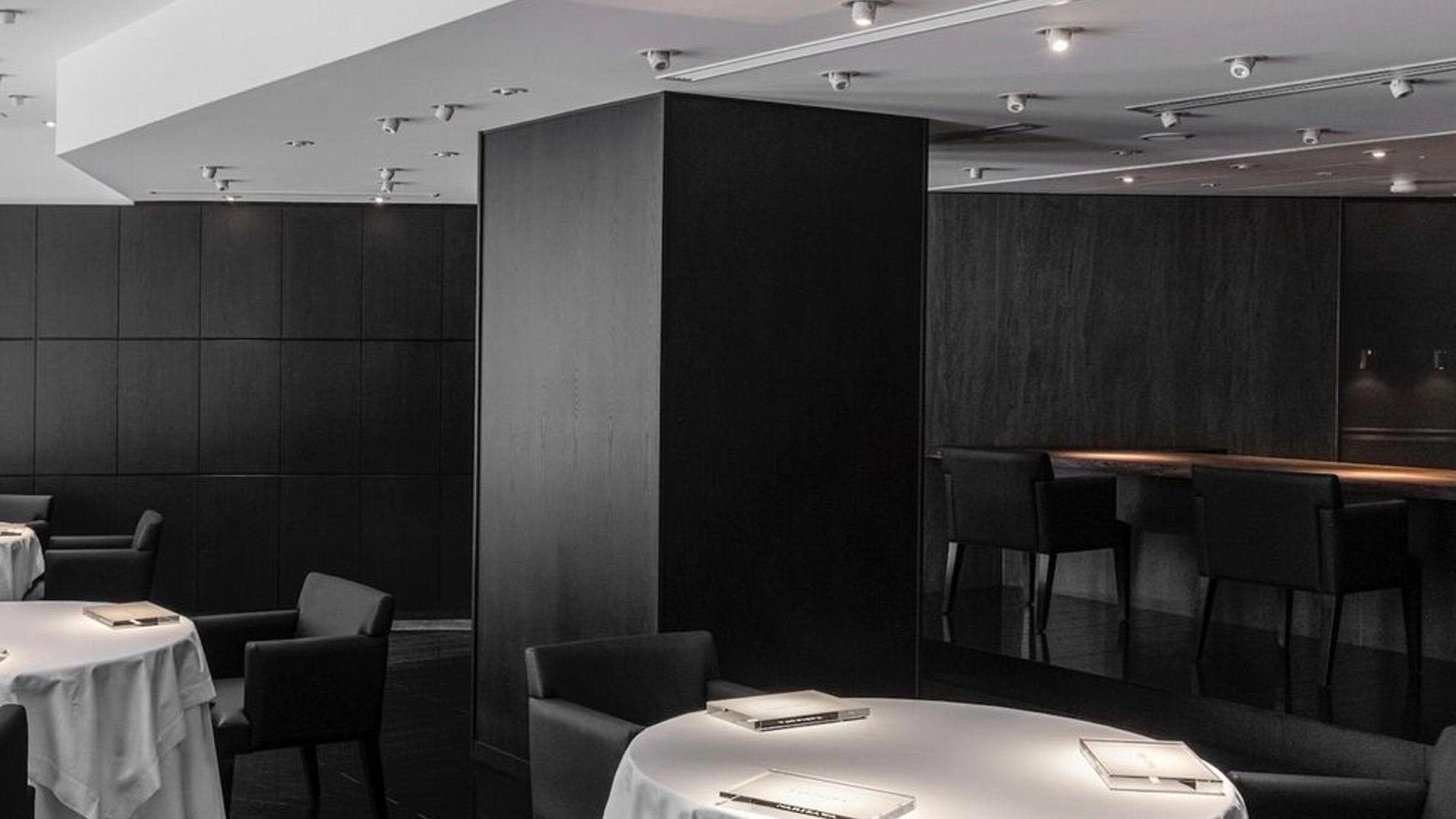
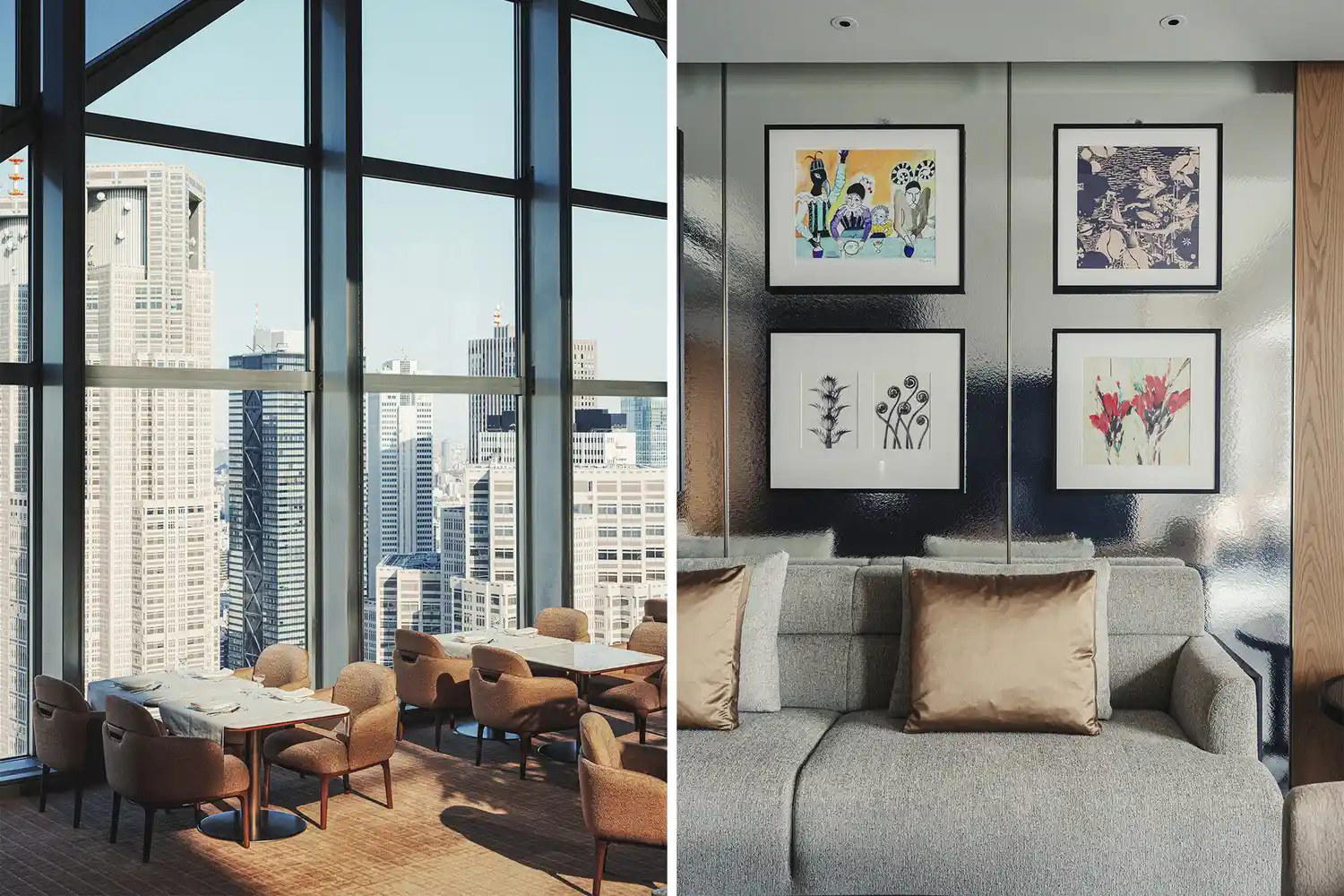
An intimate, design-conscious space with a minimalist modern aesthetic; the atmosphere is calm and focused on the food, with refined plating and a composed, quietly elegant dining room typical of contemporary French fine dining in Tokyo.