Tabelog 100 #95
Our verdict
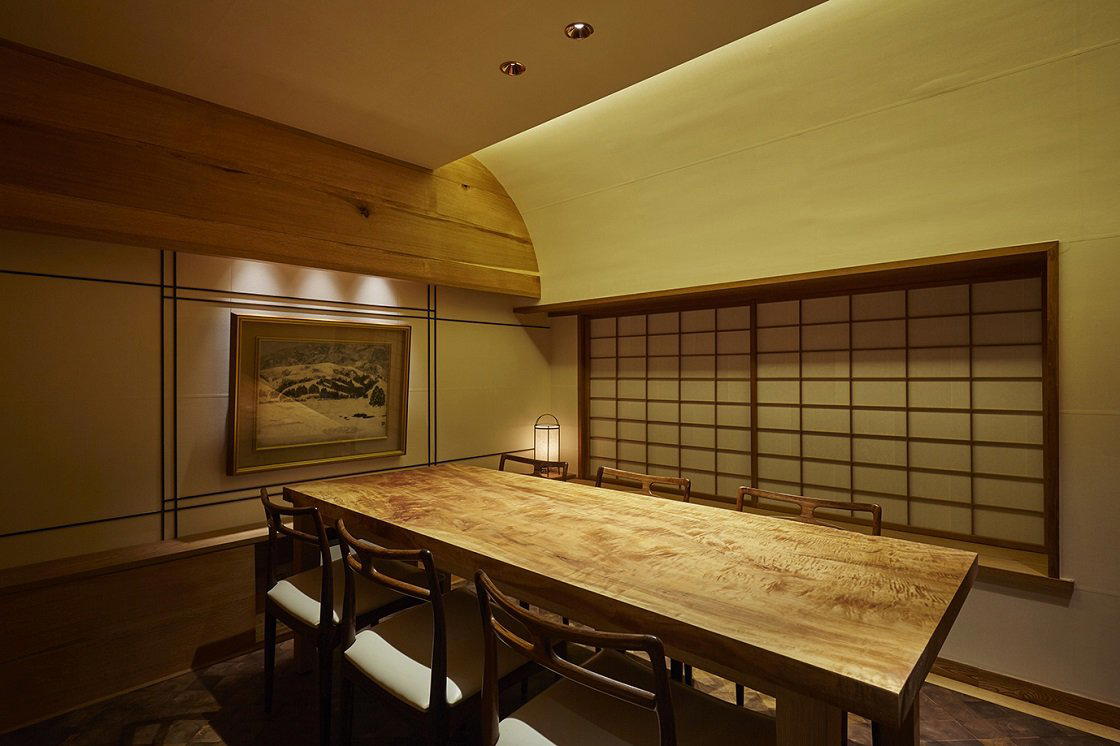
SANADA is a six-seat counter in Kitashinchi’s small-format creative dining tier, selected for Tabelog 100 Innovative / Creative cuisine in 2025. The appeal is not breadth but concentration: a reservation-only room, sommelier support, sake, shochu and wine, and a format that makes every seat part of the evening’s rhythm.

Pearl is the En Primeur Club membership app, where members save venues, book tables and use the concierge.
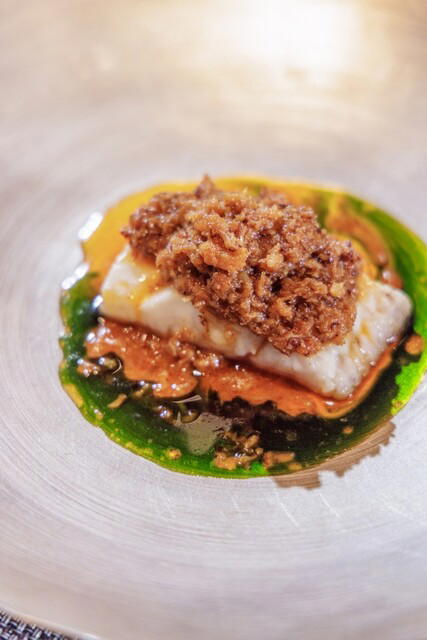
Osaka changes character after office hours. The city’s daytime momentum gives way to low-lit doorways, discreet entrances and restaurants that reveal little from the street. In that setting, a focused high-spend dinner can become one of Osaka’s clearest luxury signals: less theatre from the room itself, and more pressure on pacing, drink pairing and the confidence of the kitchen. SANADA belongs to that serious category, where value is measured less by quantity than by control.
Osaka’s reputation abroad still leans on takoyaki, kushikatsu, okonomiyaki and market eating, but the city’s premium dining tier has moved in a different direction. Osaka rewards adult budgets and precise service formats. A premium room here is not casual by default; it often functions as a setting for creative cooking, careful service and guests who expect quiet competence rather than spectacle (The full Osaka experiences guide).
An Osaka restaurant in the Innovative dining tier
The useful way to read this restaurant is through positioning. A serious dinner format creates a narrow margin for error: service rhythm, drink choices, dish timing and guest comfort all matter. That is why a premium restaurant can justify a serious spend when it delivers concentration rather than excess. SANADA’s 2025 recognition from Tabelog Hyakumeiten gives it an external trust signal in the Innovative category, where techniques and influences may overlap without fitting neatly into one conventional label.
The category matters. “Innovative” in Japan can be vague when used loosely, but at the higher end it usually points to restaurants that resist a simple genre reading. Osaka’s version tends to feel direct and close-range, but the spend can still be serious. In Osaka, the decision is not between casual and formal; it is between what kind of formality the diner wants.
That distinction separates SANADA from more clearly defined Osaka dining rooms. Kitashinchi Shien, Kassen Iritani, Yoshiko, Niku Kappou Yamaguchi and 新地やま本 all give useful reference points without making SANADA feel interchangeable with them. Those comparisons clarify the choice: this is the Innovative option for diners who want a tighter, less genre-bound evening rather than a single-product specialist.
What the spend buys: intimacy, focus and discipline
At this level, value should not be confused with generosity of portion or a long list of components. The listed dinner budget of JPY 30,000 - JPY 39,999 places SANADA firmly in Osaka’s serious dining tier. That price band is important in a city where premium dining can follow many different formats, from highly traditional meals to more contemporary rooms. Here, the value question is whether the evening feels edited, controlled and distinctive enough to justify the spend.
The restaurant’s premium positioning also changes the social contract. This is not the obvious choice for a casual walk-in mood or a loose, improvised meal. It suits diners who are comfortable with close pacing and a focused format. The appeal is not volume or spectacle, but the feeling that the meal has been shaped into a deliberate sequence. For the right diner, that restraint is the luxury.
There is a practical edge to the value question. Osaka has many ways to eat well for far less, from street food and bakeries to casual coffee, sweets, pizza and everyday neighborhood dining. Against that range, a premium Innovative restaurant has to offer something different: compression, precision and an evening that feels edited rather than assembled.
How it fits a serious Osaka itinerary
For a short Osaka trip, SANADA makes better sense as the refined dinner anchor than as an only meal in the city. The stronger itinerary puts it after a day spent elsewhere in Osaka’s broader food culture, then lets the city carry the evening. That sequencing matters because the restaurant’s appeal is quiet and concentrated; it lands better when the diner has already seen the city’s louder, cheaper and more public eating rituals.
Travelers comparing dining styles should also think beyond single labels. Osaka and other Japanese cities frame specialization in many ways, from tightly focused restaurants to broader contemporary rooms and casual formats. Genre clarity is easy to understand, while Innovative dining asks for more trust. SANADA sits on the side of that equation where the diner is paying for confidence in the edit.
That is the real proposition here. SANADA is for diners willing to pay for an Osaka restaurant where Innovative dining is condensed into a controlled evening. The 2025 Tabelog Hyakumeiten recognition supplies the credential, Osaka supplies the context, and the dinner price band supplies the reason to treat the reservation as a planned meal rather than a flexible stop.
Frequently asked questions
What's the overall feel of SANADA?
SANADA is an Osaka restaurant listed in the Innovative category, with 2025 recognition from Tabelog Hyakumeiten and a Tabelog score of 3.91. It sits in a serious dinner tier rather than a casual everyday bracket.
What price level is SANADA?
Pricing at SANADA is listed as JPY 30,000 - JPY 39,999 for dinner.
Which city is SANADA in?
Osaka.
Same-City Peers
Comparable venues for cuisine and category context.
| Venue | Cuisine | Price | Awards | Notes |
|---|---|---|---|---|
| SANADAThis venue (the venue you are viewing) | Innovative Fusion Tasting Menu | $150–200 | Tabelog 100 #95 | Not listed |
| Kitashinchi Shien | Premium Yakitori Omakase | $50–100 | Michelin Plate | Yakitori |
| Niku Kappou Yamaguchi | Meat Kappo | $300–500 | Tabelog Bronze #512 | Japanese Cuisine, JPY 40,000 - JPY 49,999 |
| Kassen Iritani | Naniwa Kappo | $150–200 | Michelin Plate | Japanese |
| Yoshiko | Fugu Fine Dining | $200–300 | 1 Michelin Star | Fugu / Pufferfish |
Recognition history
Dated appearances from independent guides and award organizations, with the underlying list record or original source where available.
Tabelog 100 #95 · No. 95
Tabelog · Tabelog 100 - Innovative / Creative cuisine - 2025