
1 Michelin Star
Our verdict
San Martino has held a Michelin star for decades, making it one of the most enduring fine dining addresses in the Bergamo province. The kitchen centres on seafood, anchored by the plateau royal and a menu that balances the restaurant's historic repertoire with more contemporary work. A cheese trolley and a wine list with serious French representation complete a format that belongs firmly in the classic grand restaurant tradition.

Pearl is the En Primeur Club membership app, where members save venues, book tables and use the concierge.
A Grand Restaurant in a Mid-Sized Lombard City
Treviglio sits in the flat agricultural plain between Bergamo and Milan, a working provincial town with none of the obvious culinary draw of its larger neighbours. Yet on Viale Cesare Battisti, San Martino has been running a Michelin-starred kitchen for decades, which places it in a specific and increasingly rare category: the grand restaurant that predates the modern fine dining playbook and has simply continued to do what it does, without repositioning itself around trends. This kind of longevity, in a mid-sized city rather than a destination food capital, is a function of institutional discipline rather than media attention. For context on how that model sits within Italy's broader fine dining tier, consider that Dal Pescatore in Runate and Enoteca Pinchiorri in Florence represent the same generational tradition of Italian fine dining with French structural influence, places where the room, the wine list, and the service are as considered as the cooking.
The Room and What It Signals
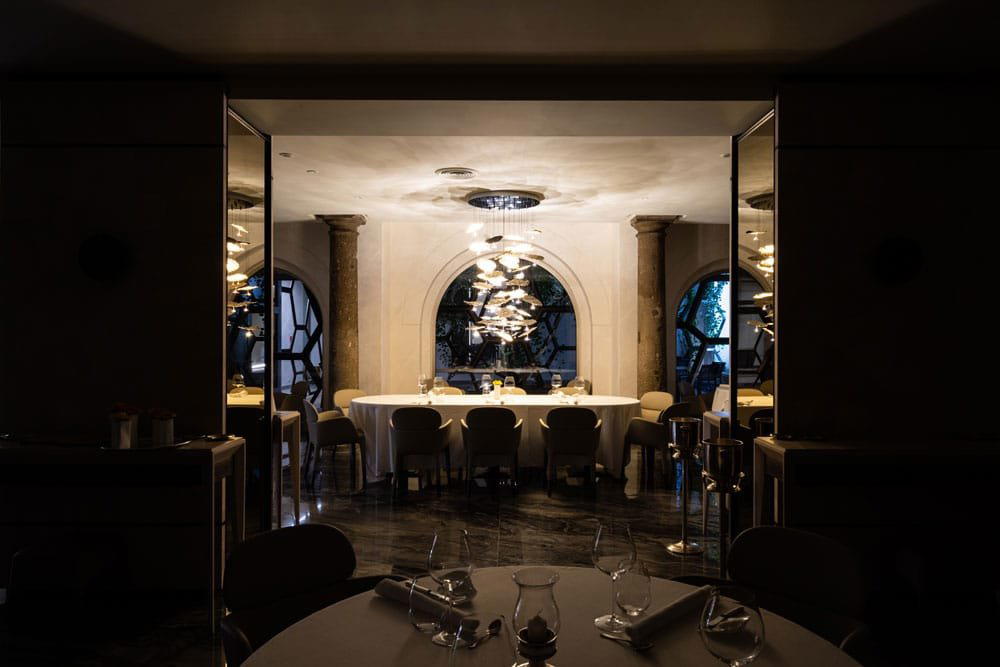
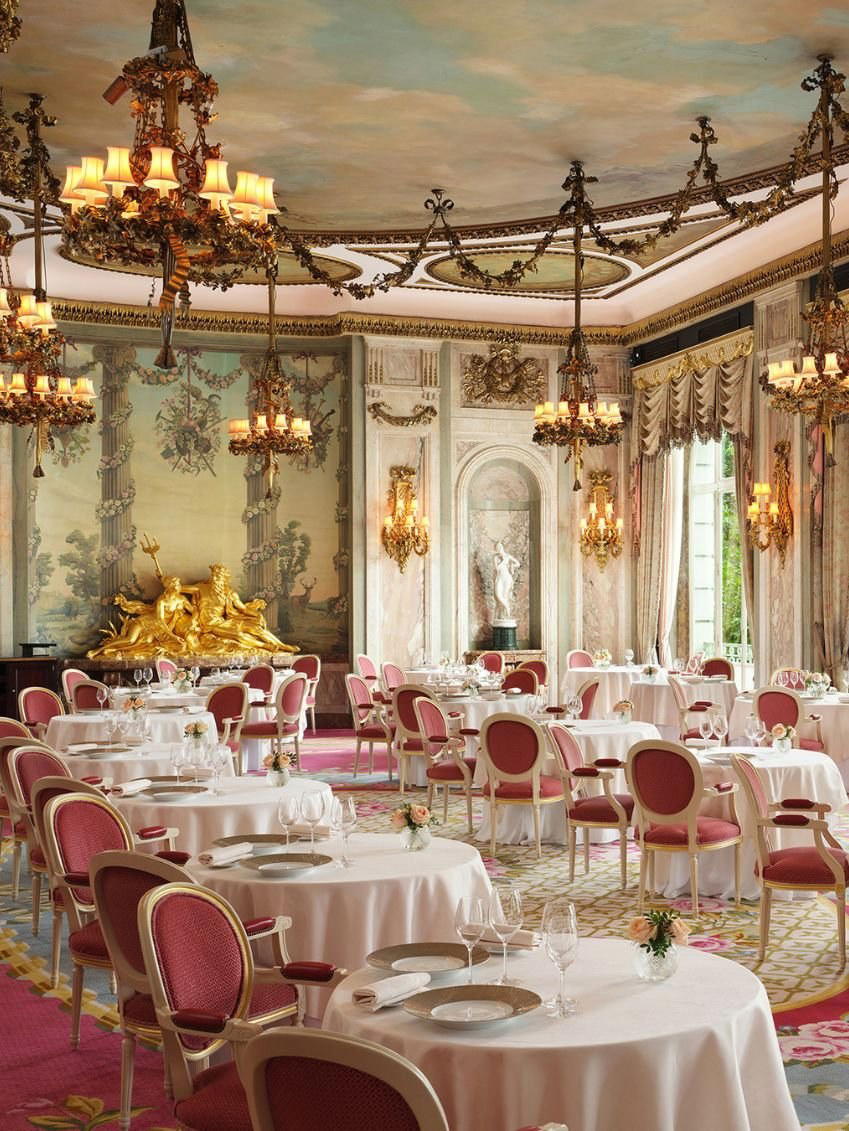
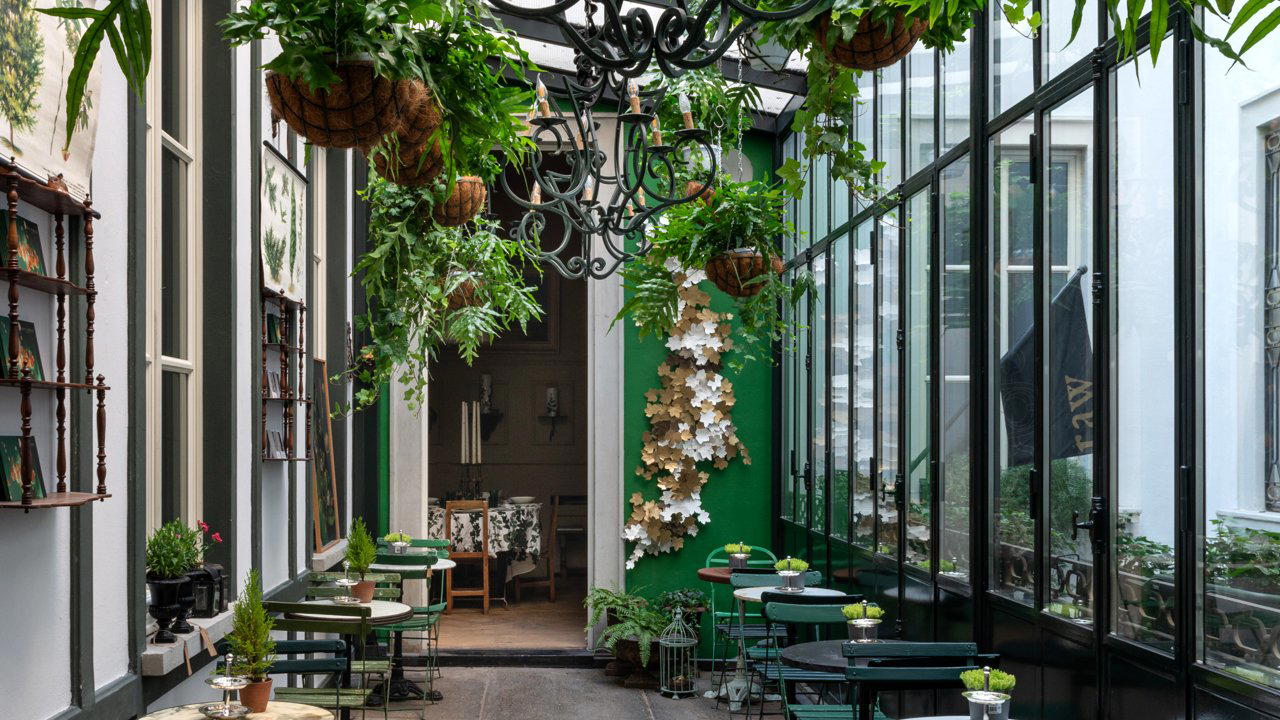
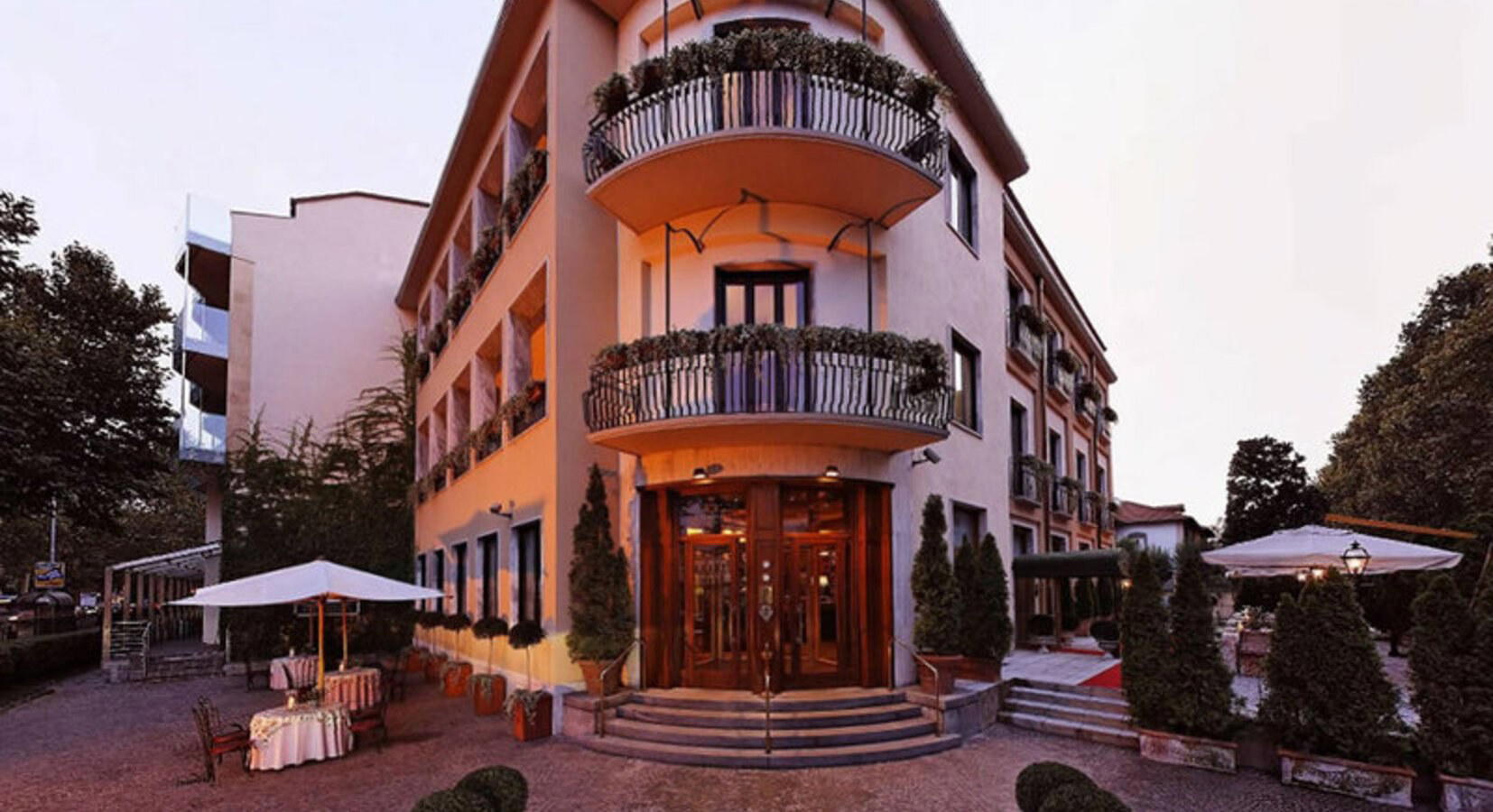
The physical character of a classic grand restaurant carries information before any food arrives. At San Martino, the setting is described as elegant and timeless, which in practice means the kind of formal room that frames the meal as an occasion rather than an experience. This is a deliberate positioning. Italy's starred dining scene has split in recent years between the progressive tasting-menu format, represented at the highest level by Osteria Francescana in Modena and Le Calandre in Rubano, and the classic grande cucina model, where the room signals ceremony and the menu offers a structured choice rather than a single narrative progression. San Martino belongs to the second category. Arriving at the restaurant, the formality of the setting communicates exactly what the kitchen is going to do: cook with precision, present with care, and expect the guest to take the meal seriously.
Seafood as the Organising Principle
The French grand restaurant tradition, from which San Martino draws clear influence, placed the plateau royal, a tiered arrangement of crustaceans, oysters, and shellfish served cold, at the centre of its identity. At San Martino, this format has been sustained long enough to become a reference point in its own right. The kitchen's emphasis on fish and seafood reflects a broader pattern in northern Italian fine dining, where landlocked kitchens in Lombardy and Veneto have historically competed with coastal addresses on the quality and sourcing of their seafood, importing from the Adriatic, the Tyrrhenian, and beyond. Sourcing discipline matters here precisely because the distance from the coast means the kitchen cannot rely on proximity as a credential. Restaurants like Uliassi in Senigallia and Quattro Passi in Marina del Cantone operate with immediate access to their source waters; a Lombard kitchen has to be more deliberate about its supply chain to reach the same standard. The fact that San Martino has maintained a Michelin star across decades in this context is its clearest sourcing signal.
Menu does not limit itself to seafood. Meat dishes appear alongside the fish-led menu, and the cheese trolley, a format largely displaced by pre-plated cheese courses in contemporary fine dining, is a direct inheritance from the classical French model. A trolley requires investment in stock rotation, temperature management, and the knowledge to present and slice each variety correctly. Its presence at San Martino places the restaurant firmly in the tradition of grande cucina italiana with French structural DNA, a lineage shared with Atelier Moessmer Norbert Niederkofler in Brunico and, at a different register, with Le Bernardin in New York City, where the French format has been adapted around a seafood-first identity for decades.
The Front of House as a Structural Feature
In the classic grand restaurant model, the dining room is co-authored by the kitchen and the front of house in equal measure. Paolo Colleoni's role at San Martino is described in terms that go beyond conventional hospitality: the kind of host who reads the table, matches register, and brings knowledge without formality. This is a specific competency that separates classic European restaurants from newer formats where service is scripted to the tasting menu's narrative. At San Martino, the front of house is not decorative framing for the food. It is part of the proposition. Stefano Locatelli in the kitchen and Colleoni in the room represent a two-axis model that has defined the longevity of France's Michelin-starred restaurants and, in Italy, addresses like Reale in Castel di Sangro and Piazza Duomo in Alba.
The Wine List and What French Representation Signals
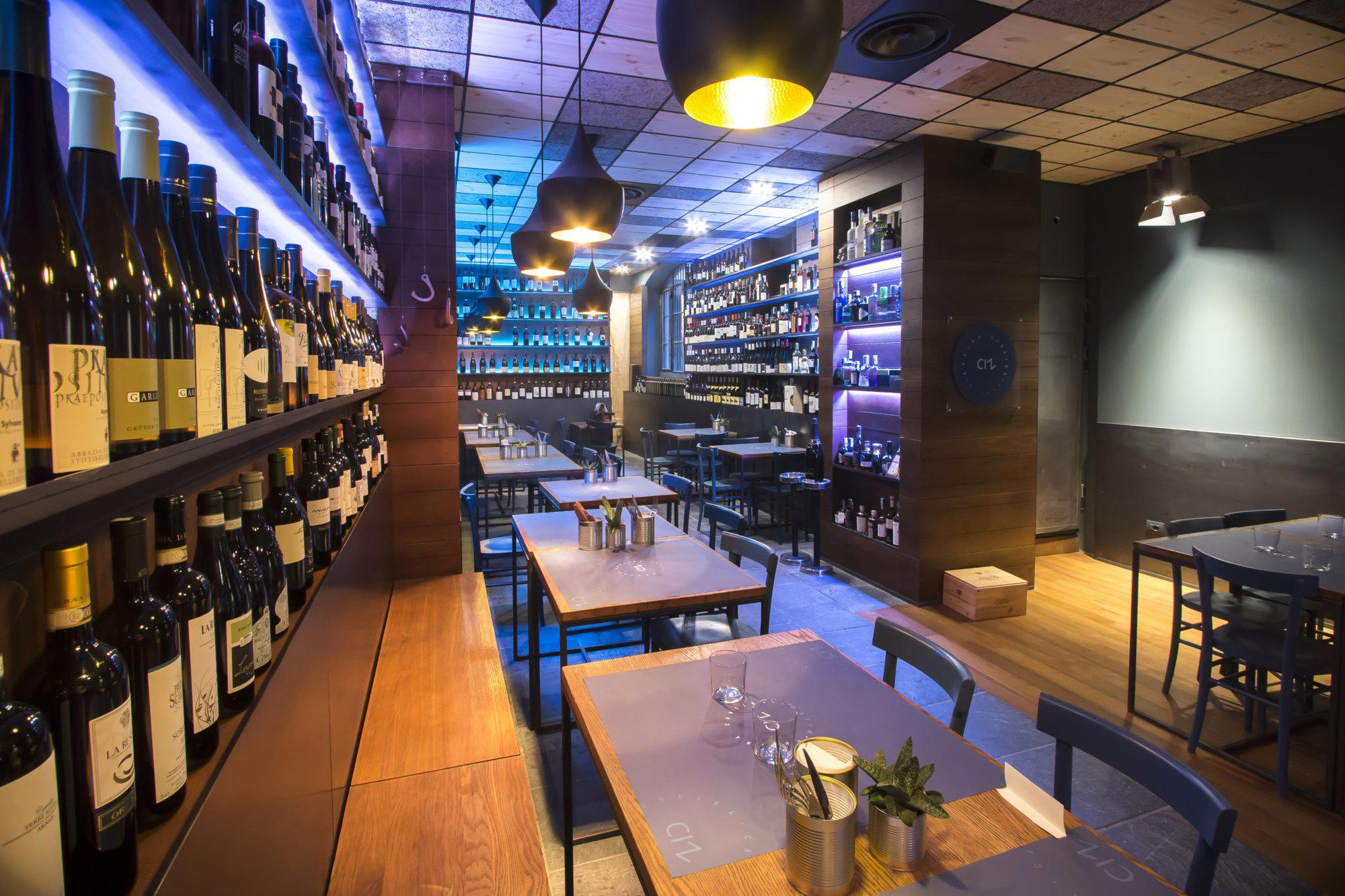
A wine list with serious French representation at an Italian restaurant is a deliberate statement of orientation. It signals that the kitchen thinks about wine pairings in a European rather than narrowly Italian frame, and that the cellar has been built over time rather than assembled around a single regional identity. At San Martino, French options include labels available by the glass, which is a meaningful logistical signal: it means the cellar is managed with enough turnover to open premium bottles without waste, and that the front of house is confident in recommending them. Guests looking to cross-reference the wine culture of the region more broadly can consult our full Treviglio wineries guide for regional context.
San Martino in the Treviglio Dining Scene
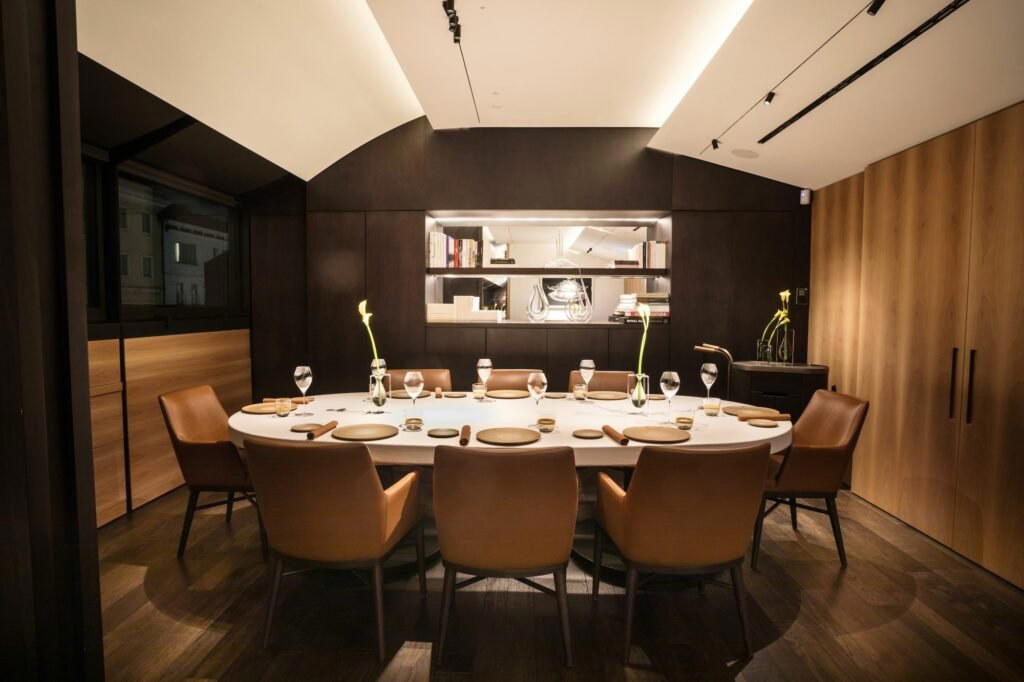
Treviglio's restaurant scene is compact, and San Martino sits at a different level from the rest of the town's offerings. Marelet represents the modern cuisine end of the local spectrum, but the town does not have the density of starred addresses found in Milan or Bergamo. San Martino functions in part as a destination restaurant for the wider Bergamo plain, drawing from the provincial towns and from Milan's business community, for whom a formal lunch or dinner outside the city has specific appeal. Visitors to the area combining dining with broader exploration can find further orientation through our full Treviglio restaurants guide, our full Treviglio hotels guide, our full Treviglio bars guide, and our full Treviglio experiences guide. For those situating this meal within a wider northern Italian itinerary, Enrico Bartolini in Milan occupies a separate tier of the regional fine dining hierarchy, and Emeril's in New Orleans offers a point of comparison for what it means to sustain a signature restaurant identity across decades in a non-capital city context.
Planning Your Visit
San Martino is located at Viale Cesare Battisti 3 in Treviglio, accessible by train from Milan Centrale in under thirty minutes via the Cremona line. Given the restaurant's Michelin star and decades of consistent recognition, booking ahead is advisable, particularly for Friday and Saturday evenings and for weekend lunches, when business travellers and local occasion diners compete for the same tables. The formal setting and classical service format make this a meal suited to adults and older guests; the pace and register of a grand restaurant are not designed around casual visits.
Frequently asked questions
Would San Martino be comfortable with kids?
Probably not the right fit. San Martino is a formal, Michelin-starred grand restaurant with a pace and atmosphere calibrated to adult dining. The room at Viale Cesare Battisti 3 signals ceremony from the moment you walk in, and the seafood-led menu, including the plateau royal, is not designed with younger guests in mind.
What's the vibe at San Martino?
Formal and unhurried, in the tradition of the classic European grand restaurant. Paolo Colleoni's front-of-house presence is a defining element: attentive, knowledgeable, and precise without being stiff. The room is described as elegant, and the Michelin star the restaurant has held for decades reinforces that this is not a casual neighbourhood trattoria.
What kind of recognition has San Martino received?
San Martino has received recognition including: San Martino is a classic and elegant grand restaurant with timeless appeal, which makes your dining experience here truly memorable. The restaurant boasts two important characters: Paolo Colleoni who, with his extensive knowledge and skills….
What do people recommend at San Martino?
The plateau royal is the dish most closely associated with San Martino, and seafood is the kitchen's clear organising principle under chef Stefano Locatelli. The cheese trolley and meat dishes feature alongside, and the wine list includes notable French labels available by the glass.
What part of town is San Martino in?
San Martino is located at viale Cesare Battisti 3, Treviglio.
How hard is it to get a table at San Martino?
More effort is required than at a typical provincial Lombard restaurant, given the Michelin star and a reputation built over decades. That said, San Martino is not in the same bracket as the most-booked starred addresses in Milan. Booking ahead is advised, particularly for weekends.
At-a-Glance Comparison
| Venue | Cuisine | Price | Awards | Notes |
|---|---|---|---|---|
| San MartinoThis venue (the venue you are viewing) | Michelin-Starred Italian Seafood | Not listed | 1 Michelin Star | Not listed |
| Atelier Moessmer Norbert Niederkofler | Modern Alpine Fine Dining | $300–500 | 3 Michelin Stars · World's 50 Best #20 | Italian, Creative |
| Dal Pescatore | Classic Italian Fine Dining | $200–300 | 3 Michelin Stars · World's 50 Best #38 | Italian, Italian Contemporary |
| Enoteca Pinchiorri | Contemporary Italian Fine Dining | $200–300 | 3 Michelin Stars · World's 50 Best #32 | Italian - French, Italian Contemporary |
| Enrico Bartolini | Modern Italian Fine Dining | $300–500 | 3 Michelin Stars · World's 50 Best #85 | Creative |
| Le Calandre | Modern Italian Fine Dining | $200–300 | 3 Michelin Stars · World's 50 Best #31 | Progressive Italian, Creative |
Recognition history
Dated appearances from independent guides and award organizations, with the underlying list record or original source where available.
Michelin 1 Star
Michelin
Continue exploring
More in Treviglio
Restaurants in Treviglio
All restaurants in Treviglio →
Bars in Treviglio
Browse all →
San Martino
The wine
- Wine program
- Deep wine list
- Extensive wine list
Details
- Elegant
- Classic
- Sophisticated
- Intimate
- Date Night
- Special Occasion
- Business Dinner
- Standalone
- Extensive Wine List
- A La Carte
- Wine
- Vegetarian Friendly
- Vegan Options
- Gluten Free Options
Current opening hours
- Monday
- Closed
- Tuesday
- Closed
- Wednesday
- 7:30–10 PM
- Thursday
- 7:30–10 PM
- Friday
- 7:30–10 PM
- Saturday
- 7:30 PM–12 AM
- Sunday
- Closed
Hours can change for holidays and private events. Hours as of .
Classic and elegant with timeless appeal, welcoming and comfortable setting featuring high-quality tablecloths and napkins in a cosy atmosphere.