San Jalisco
Our verdict
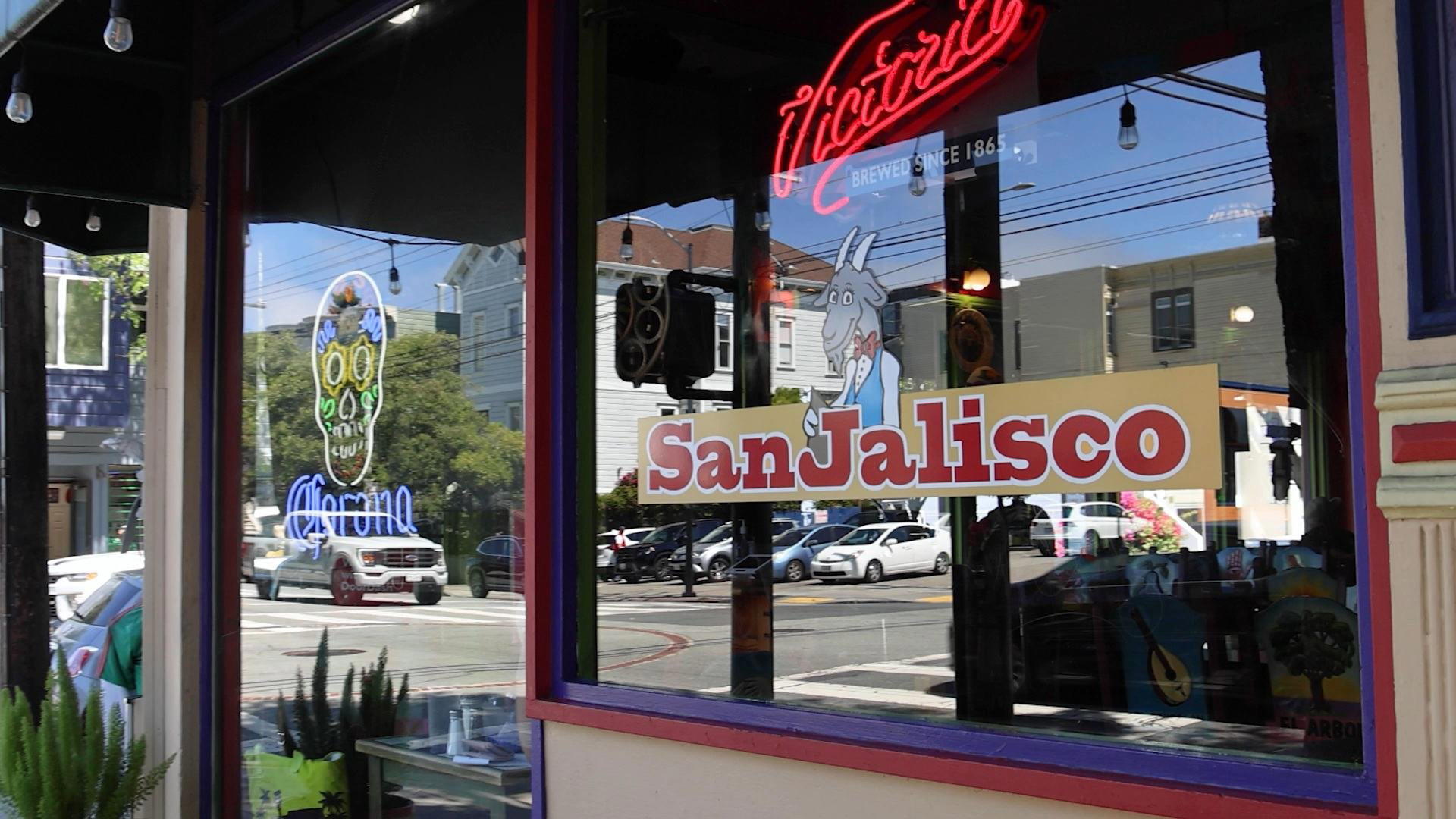
San Jalisco at 901 S Van Ness Ave sits in the Mission District, one of San Francisco's most historically layered Mexican-American neighborhoods. A neighborhood institution operating in a city where fine-dining tasting menus dominate the conversation, it represents the kind of no-frills, community-anchored Mexican dining that the Mission has built its reputation on across several decades.

Pearl is the En Primeur Club membership app, where members save venues, book tables and use the concierge.
The menu
What to order
- Chilaquiles Veronica
- Birria en Caldo
- Pozole
The Mission's Long Relationship with Mexican Dining
San Francisco's Mission District has served as the city's center of Mexican and Central American community life since the mid-twentieth century, and the dining that developed alongside that community reflects a different set of priorities than the tasting-menu culture that defines much of the city's critical conversation. Where venues like Lazy Bear or Atelier Crenn operate in the $$$$ tier with elaborate multi-course formats, the Mission's Mexican institutions have historically measured success differently: consistency, value, and the kind of familiarity that keeps a neighborhood returning rather than a tourist rotating through. San Jalisco, at 901 S Van Ness Ave, operates inside that tradition. It is not positioned against Benu or Quince, it belongs to a separate and older lineage of San Francisco dining, one that the city's award-circuit coverage tends to undercount.
Daytime and Evening: Two Different Restaurants in One Room
The lunch-versus-dinner divide at a neighborhood Mexican restaurant like San Jalisco is less about menu transformation and more about atmosphere and who is in the room. In the daytime, the Mission's restaurant culture skews toward working meals, quick turnarounds, and value-driven ordering. The light at midday in this part of the city, coming through storefronts along Van Ness, filtered through a neighborhood that mixes residential streets with commercial corridors, produces a different kind of dining occasion than the same table at 7pm. Lunch at a venue like this tends to draw a more local cross-section: people from the surrounding blocks, workers from nearby businesses, regulars who have been coming for years. The pace is faster, the expectation transactional in the leading sense, you know what you want, it arrives, it does what it is supposed to do.
Evening service at Mexican restaurants in the Mission shifts toward longer stays and larger parties. In the broader American dining context, this is the pattern that separates neighborhood institutions from destination restaurants: at places like Saison or The French Laundry in Napa, the evening is the only relevant service, everything is engineered toward a single experience. At a neighborhood Mexican restaurant, dinner is simply a longer, more relaxed version of the same hospitality. The room fills differently, the drinks order extends the stay, and the occasion is social rather than culinary-ceremonial. This distinction matters because it changes how you approach the visit: lunch rewards efficiency and directness, dinner rewards settling in.
Where San Jalisco Sits in the City's Dining Map
San Francisco's dining identity is often narrated through its Michelin-starred tier, the Benu and Atelier Crenn category that draws international attention and commands $300-plus per-person spend. But the city's actual dining ecosystem is much wider, and the Mission has always operated as a counterweight to that narrative. The neighborhood's Mexican restaurants, at their most functional, provide what the tasting-menu tier structurally cannot: access without advance planning, portions scaled for hunger rather than for composition, and a price point that allows repeat visits. In cities like New York, the equivalent function is served by neighborhood institutions that sit in a completely separate conversation from places like Le Bernardin or Atomix. In Chicago, the gap between Alinea and a neighborhood Mexican restaurant is equally wide and equally relevant to understand.
San Jalisco occupies the neighborhood-institution tier in a city where that tier is increasingly squeezed by rising rents and the homogenizing pressure of delivery platforms. The Mission has lost a number of its older Mexican establishments over the past decade, which makes the ones that remain more significant as reference points for what the neighborhood's dining culture has historically looked like. This is not a story unique to San Francisco, Los Angeles has seen the same pressure in its own Latino dining corridors, as have cities like San Diego, where the dining conversation increasingly centers on venues like Addison while neighborhood institutions operate without comparable coverage. The pattern holds across American cities: the award-circuit narrative and the community-dining reality coexist without much overlap.
The Broader Context of Mexican Dining in American Cities
Mexican cuisine in the United States occupies an unusual critical position. It is one of the most consumed categories nationally, but it receives a fraction of the awards-circuit attention directed at European-influenced or Asian-inflected formats. Mexican neighborhood restaurants, by contrast, are rarely evaluated against each other with the same rigor, and the vocabulary for distinguishing between them is less developed in mainstream food media. This is partly a function of price point, criticism gravitates toward expensive dining because expensive dining generates more revenue for publications, and partly a function of cultural bias that the industry has been slow to examine.
In San Francisco specifically, the Mission's Mexican dining tradition predates most of the city's celebrated fine-dining institutions. That historical depth is rarely surfaced in the same reviews that cover Single Thread Farm in Healdsburg or Providence in Los Angeles. It exists in a parallel register, sustained by a different kind of loyalty. Even internationally, neighborhood dining institutions operate in this shadow, consider how a restaurant like 8½ Otto e Mezzo Bombana in Hong Kong commands a different critical apparatus than the surrounding neighborhood dim sum institutions, despite the latter often having longer histories and deeper community roots.
Planning Your Visit
San Jalisco is located at 901 S Van Ness Ave in the Mission District, accessible by BART to the 16th Street Mission or 24th Street Mission stations. The Mission is a walkable neighborhood, and the restaurant sits within easy reach of both the residential core and the commercial strip along Mission Street. For visitors building a broader San Francisco itinerary, our full San Francisco restaurants guide maps the city's dining options across multiple tiers and neighborhoods. If you are combining a Mission visit with higher-end dining the same evening, the city's concentrated geography makes it practical to pair a midday stop here with a dinner reservation elsewhere. Reservations and hours should be confirmed directly with the venue, as specific operational details are subject to change.
Quick reference: 901 S Van Ness Ave, Mission District, San Francisco, CA 94110. Nearest BART: 16th Street Mission or 24th Street Mission.
Frequently asked questions
Where exactly is San Jalisco?
San Jalisco is located at 901 S Van Ness Ave, San Francisco, CA 94110, San Francisco.
Is San Jalisco a good choice for an early meal in San Francisco's Mission District?
The Mission District has operated as San Francisco's center of Mexican community life since the mid-twentieth century, and many of its long-running restaurants are known for morning and midday service rather than dinner. San Jalisco's address on South Van Ness Ave puts it within the core of that tradition. Venues in this category often run their most consistent kitchen output during daytime hours, when traffic is steadier and the menu is more focused.
What's the best thing to order at San Jalisco?
San Jalisco sits within the Mission District's Mexican dining tradition at 901 S Van Ness Ave, a neighborhood where the format has long centered on plates built around masa, braised meats, and chile-based sauces. Without a fixed public menu on record, the reliable approach at restaurants in this category is to focus on whichever egg-and-chile preparations appear at breakfast and the slow-cooked options at lunch. Ask the staff what came in fresh that day, in neighborhood Mexican kitchens, that question usually surfaces the most reliable choice.
Do I need a reservation for San Jalisco?
No reservation system is publicly documented for San Jalisco, which places it in the walk-in tier of San Francisco's neighborhood dining. Restaurants at this address and price point in the Mission District typically seat guests on a first-come basis, though weekend mornings and weekend lunches in the Mission can draw lines at the more established spots. Arriving before peak hours, before noon or after 2pm on weekdays, is the practical approach for this part of the city.
Cuisine Lens
Comparable venues nearby, for context on price, style, and recognition.
| Venue | Cuisine | Price | Notes |
|---|---|---|---|
| San JaliscoThis venue (the venue you are viewing) | Traditional Mexican | $20–30 | Not listed |
| Nopalito To-Go Window | Authentic Mexican To-Go | Not listed | Mission |
| Green Chile Kitchen | New Mexico Green Chile | Not listed | Lone Mountain/USF |
| Mosto | Mexican Street Tacos & Tequila Bar | $20–30 | Mission |
| XICA | Gluten-Free Chicana Mexican | $30–50 | Financial District/South Beach |
| Gracias Madre | Plant-Based Mexican | Not listed | Mission |
Continue exploring
More in San Francisco
Restaurants in San Francisco
All restaurants in San Francisco →
Bars in San Francisco
All bars in San Francisco →

Details
- Cozy
- Lively
- Rustic
- Family
- Casual Hangout
- Group Dining
- Historic Building
- A La Carte
- Vegetarian Friendly
Current opening hours
- Monday
- 8 AM–9 PM
- Tuesday
- 8 AM–9 PM
- Wednesday
- 8 AM–9 PM
- Thursday
- 8 AM–9 PM
- Friday
- 8 AM–9 PM
- Saturday
- 8 AM–9 PM
- Sunday
- 8 AM–9 PM
Hours can change for holidays and private events. Hours as of .
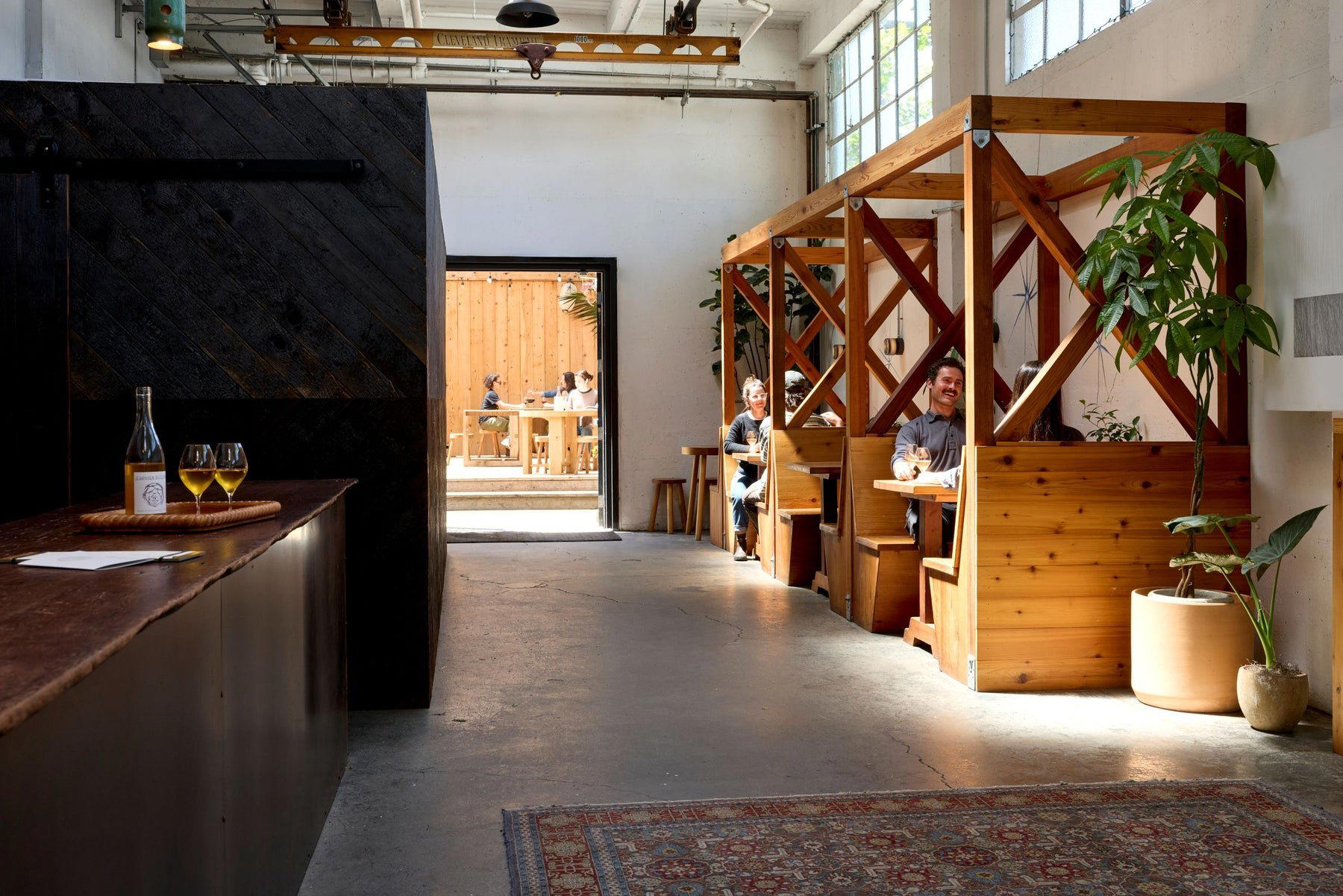
Cheerfully decorated with lacy cutout papers, colorful hand-painted tables with animals, and decorative clay pots on walls.