Located at 1265 Battery Street in San Francisco's Jackson Square, XICA sits at the intersection where imported culinary technique meets the Bay Area's ingredient depth. The address places it within reach of the Financial District and the city's northern waterfront, a pocket that has quietly accumulated a number of serious dining rooms over the past decade. For visitors already working through San Francisco's upper tier, it warrants attention alongside the city's better-documented destination restaurants.
Pearl is the En Primeur Club membership app — saves, bookings, and concierge access live there. Same editors, same standards.
- Address
- 1265 Battery St Suite 100, San Francisco, CA 94111
- Phone
- +14157570694
- Website
- xicasf.com
- Directions
- Get directions
 Saves & bookings on Pearl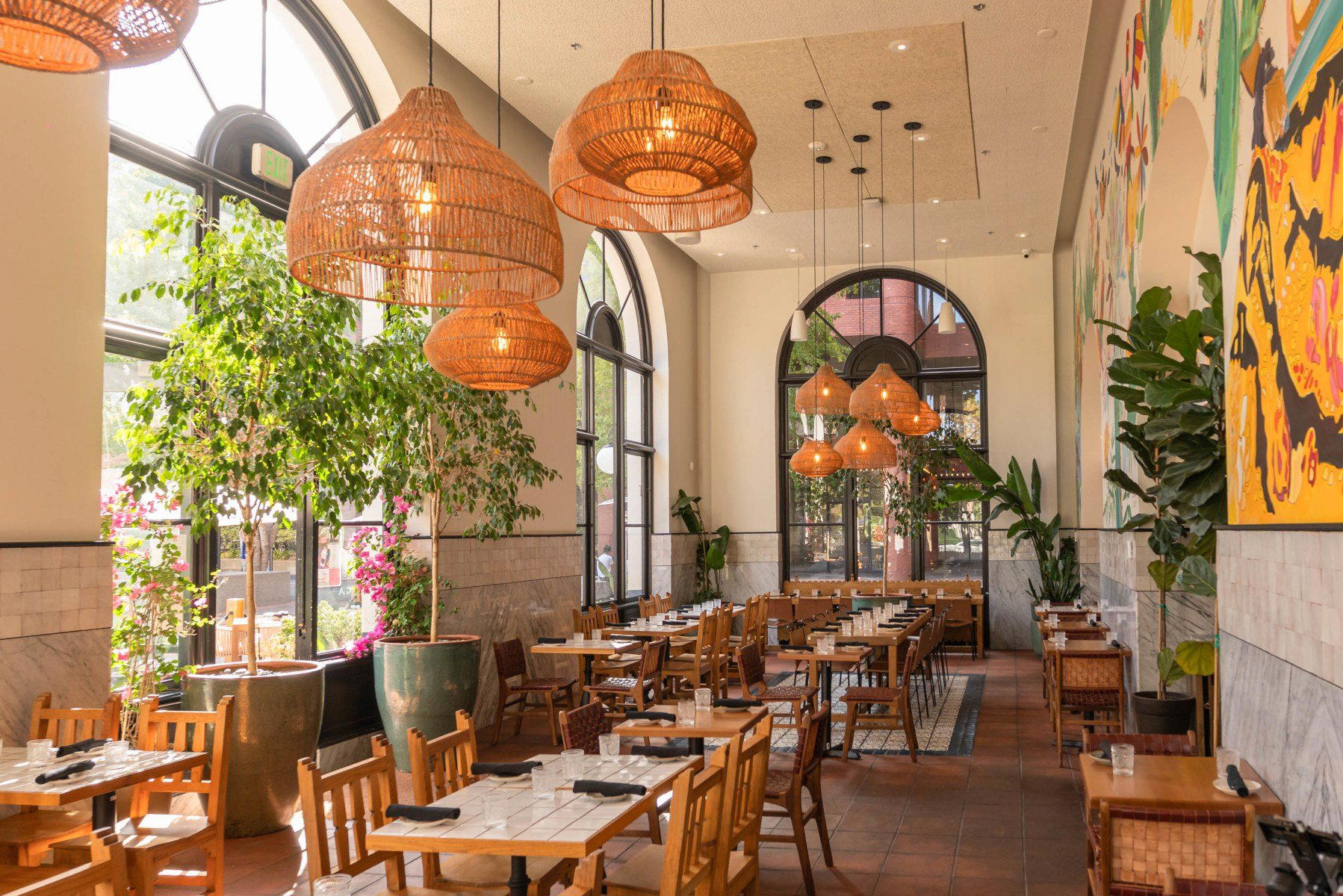
Battery Street and the Ingredient-Driven Edge of Jackson Square
Jackson Square occupies a particular position in San Francisco's dining geography. The neighbourhood sits north of the Financial District proper, close enough to draw a professional lunch crowd but with enough distance to develop its own evening character. The streets here run quieter than SoMa or the Mission, and the buildings carry the low-rise brick vocabulary of pre-earthquake commercial San Francisco. It is the kind of setting where a serious restaurant can operate without the noise of a destination corridor, and where the sourcing conversation that defines the Bay Area's dining culture tends to run longer and more specific than it does in higher-traffic zones.
XICA occupies Suite 100 at 1265 Battery Street, a ground-floor address in a building that keeps the venue slightly off the pedestrian sightlines of the main retail drag. That positioning is worth understanding before you go: this is not a restaurant that relies on foot traffic or window visibility. The address signals a room designed for people arriving with a reservation.
Technique and Terroir: The Framing That Matters Here
San Francisco's upper dining tier has spent the better part of two decades working through a specific question: what happens when you apply formally trained, often European or Asian technique to the ingredient depth that Northern California can actually deliver? The answers have varied. Benu has pursued a French-Chinese synthesis that treats Bay Area produce as a medium for a broader cultural conversation. Atelier Crenn has bent Modern French structure toward a poetic, produce-forward sensibility. Saison built its reputation on live-fire Californian technique that foregrounds the ranching and farming networks of the region. Lazy Bear has anchored Progressive American cooking in a communal format that treats the meal as a social object as much as a tasting experience.
XICA enters this conversation through a different door. The name and address point toward a perspective rooted in Gluten-Free Chicana Mexican cooking, and that clarity is itself worth taking seriously. Restaurants that do not lead with a recognisable cuisine category in a city as codified as San Francisco are usually making a deliberate statement about where they sit relative to the established tiers. The intersection of imported methods and local product is well-trodden ground in this city, but the execution of that idea varies enormously across price points and formats.
Within San Francisco's current dining culture, interesting work in this space tends to happen when a kitchen commits to a specific geographic or cultural reference point for technique while refusing to let that reference override the ingredient logic of what Northern California actually grows, raises, or harvests seasonally. Quince has demonstrated how Italian structural discipline, applied to California product, can produce something that reads as neither straightforwardly Italian nor straightforwardly Californian. That tension, productive, not confused, is the territory where particularly considered San Francisco restaurants currently operate.
Placing XICA in the City's Broader Dining Map
At the national level, the conversation about technique meeting local ingredient has produced its clearest statements at places like Blue Hill at Stone Barns in Tarrytown, where the farm is the argument, and Single Thread Farm in Healdsburg, which applies Japanese kaiseki seasonal logic to the produce and proteins of Sonoma County. Further afield, Providence in Los Angeles has spent years building a case for California seafood through the lens of formal French and Japanese training, while Addison in San Diego has pursued a similar argument from a different regional ingredient base. The French Laundry in Napa remains the canonical reference point for applied classical technique in Northern California, operating at a price and booking threshold that places it in a category largely its own.
Internationally, the technique-meets-terroir synthesis has found compelling expression at places like 8½ Otto e Mezzo Bombana in Hong Kong, where Italian training meets the product logic of Southeast Asian sourcing networks. Closer to the American mainstream, Alinea in Chicago and Atomix in New York have each built their reputations on technique as the primary argument, the former through modernist transformation, the latter through Korean culinary structure applied to a multi-course tasting format. Le Bernardin in New York City continues to define what French classical training applied to premium seafood looks like at the highest American level. What distinguishes the San Francisco version of this conversation is the quality and specificity of the raw material available, the Bay Area's access to Dungeness crab, Point Reyes dairy, Sonoma lamb, and Central Valley stone fruit gives a committed kitchen more to work with than most American cities can offer. Bacchanalia in Atlanta and Emeril's in New Orleans have each made regional ingredient identity central to their cooking, but the Northern California pantry is a different kind of resource. The Inn at Little Washington demonstrates how a kitchen can build an entire identity around a hyper-local sourcing radius; San Francisco's upper-tier rooms have generally preferred to range more widely across the state's geography.
For visitors building a San Francisco itinerary around this theme, the Battery Street address places XICA within reasonable distance of the Ferry Building and its farmers' market, which operates on Tuesdays, Thursdays, and Saturdays and functions as a procurement signal for what the city's serious kitchens are actually sourcing at any given point in the season. The neighbourhood is walkable from North Beach and the Embarcadero waterfront, with the Financial District accessible on foot to the south.
Know Before You Go
Address: 1265 Battery St, Suite 100, San Francisco, CA 94111
Neighbourhood: Jackson Square, adjacent to Financial District and North Beach
Phone: Not listed, check website directly for reservations
Price range: About $35 per person
Hours: Mon to Fri 11:30 AM to 9 PM; Sat and Sun 11 AM to 9 PM
Dress code: Smart casual
Budget Reality Check
Comparable venues nearby, for context on price, style, and recognition.
| Venue | Cuisine | Price | Notes |
|---|---|---|---|
| XICAThis venue — the venue you are viewing | Not listed | $$$ | Not listed |
| Matador | Nob Hill, Authentic Mexican | $$ | Not listed |
| Garaje | Not listed | $$ | Financial District/South Beach, Mexican Taqueria |
| Tommy's Mexican Restaurant | Not listed | $$ | Outer Richmond, Traditional Yucatecan Mexican |
| La Canasta | Marina, Authentic Mexican Taqueria | $$ | Not listed |
| Papalote | Mission, Mission-Style Mexican Burritos | $$ | Not listed |
Continue exploring
More in San Francisco
Restaurants in San Francisco
Browse all →
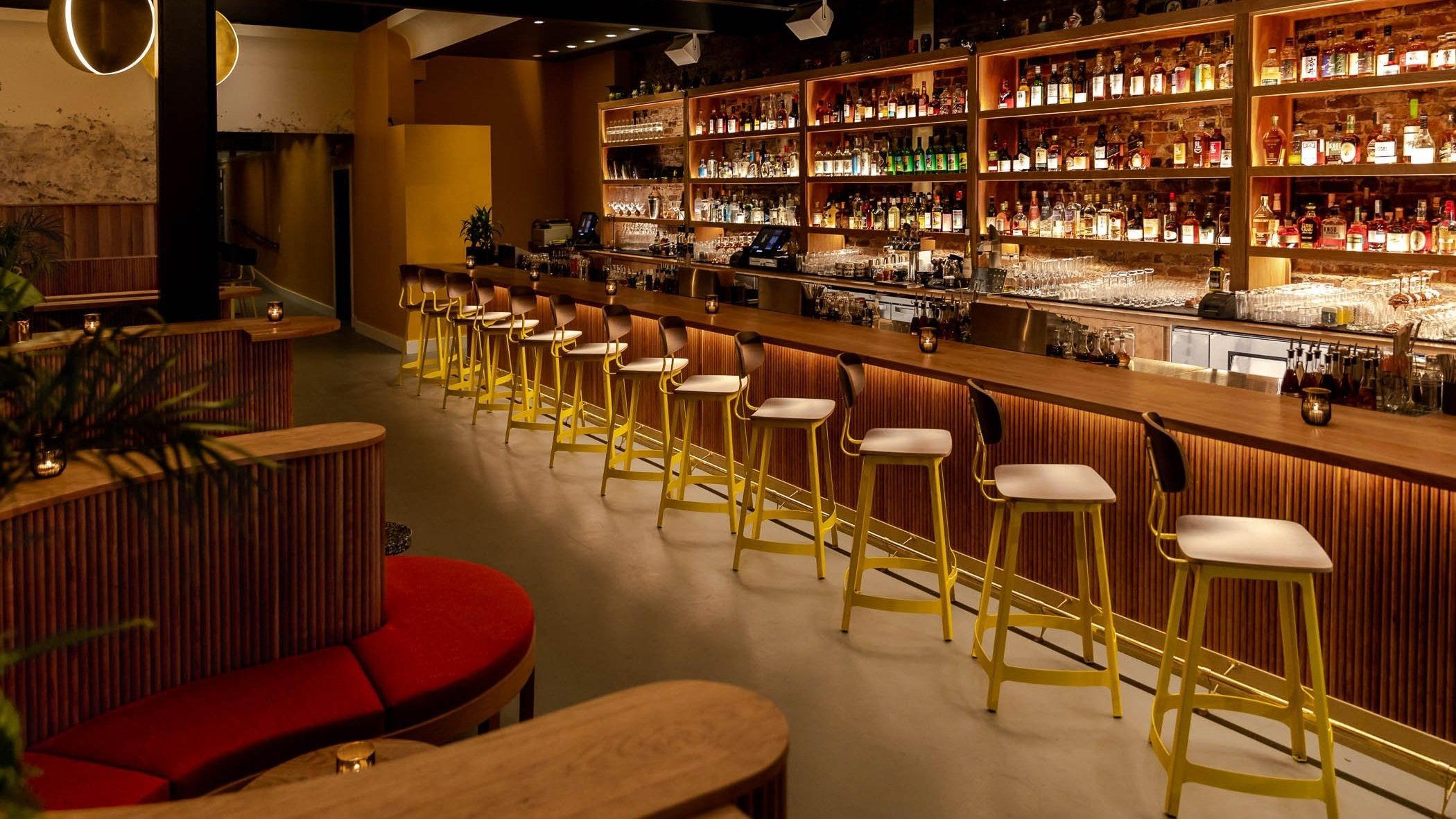
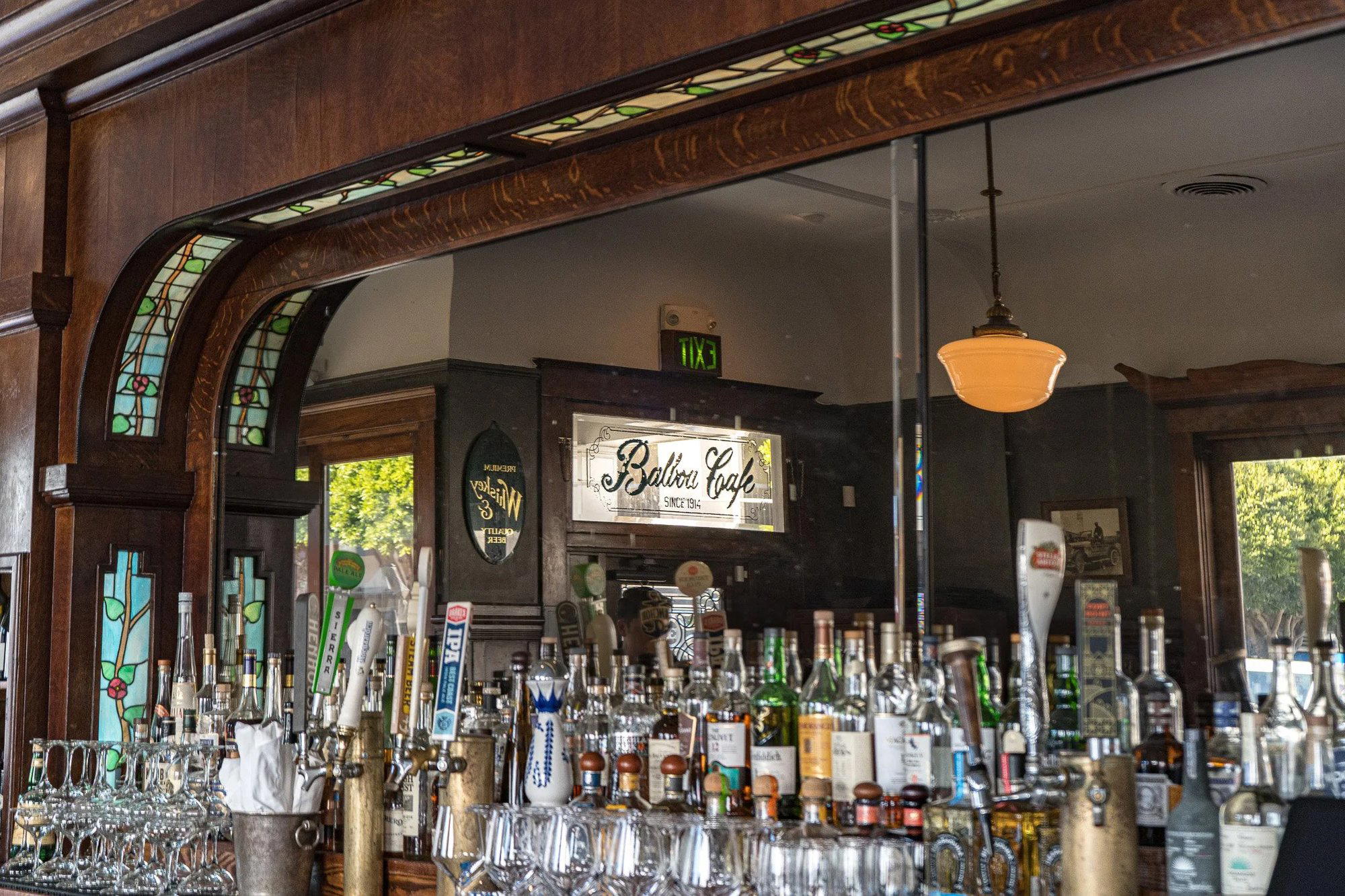
Bars in San Francisco
Browse all →
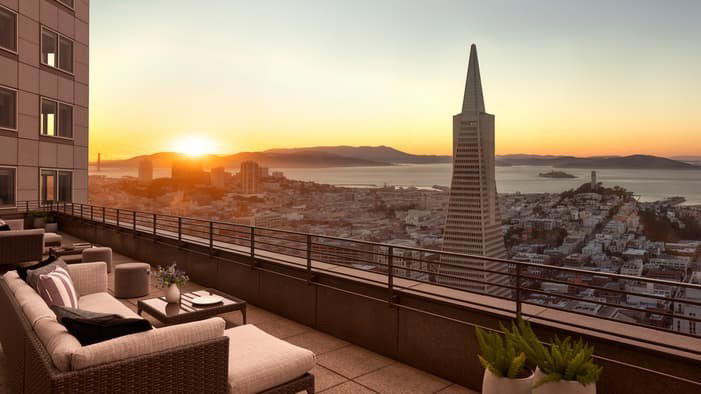
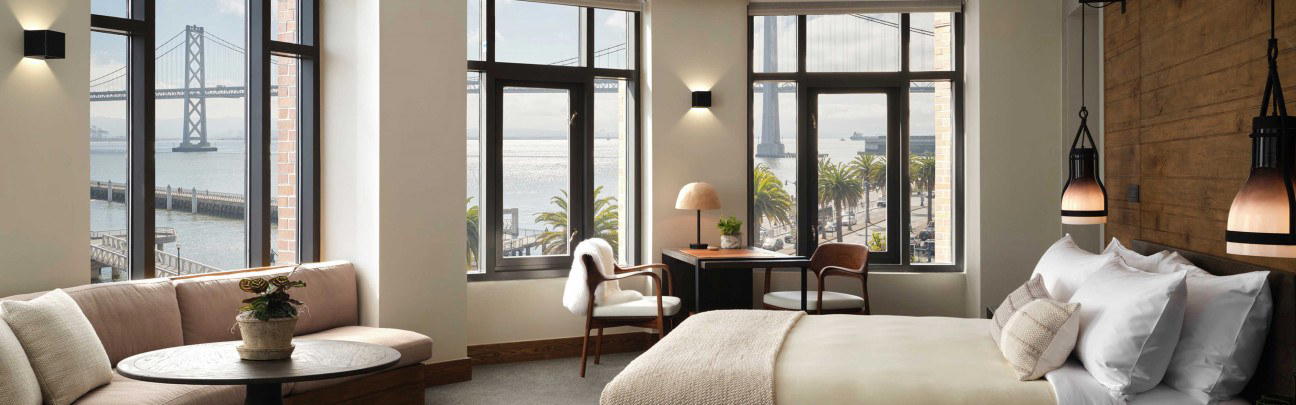
Hotels in San Francisco
Browse all →


At a Glance
- Modern
- Trendy
- Elegant
- Brunch
- Date Night
- Casual Hangout
- Waterfront
- Craft Cocktails
- Sake Program
- Local Sourcing
- Waterfront
- Street Scene
Current opening hours
- Monday
- 11:30 AM–9 PM
- Tuesday
- 11:30 AM–9 PM
- Wednesday
- 11:30 AM–9 PM
- Thursday
- 11:30 AM–9 PM
- Friday
- 11:30 AM–9 PM
- Saturday
- 11 AM–9 PM
- Sunday
- 11 AM–9 PM
Hours can change for holidays and private events. Last verified .
Gorgeous, wonderful atmosphere with beautiful design.