Samurai
Samurai sits in the Kendall corridor of southwest Miami, an area where suburban sprawl gives way to pockets of serious, low-profile dining. The address on SW 136th Street places it well outside the South Beach and Brickell circuits, in a part of the city where regulars drive for the food rather than the scene. Specific menu and format details are best confirmed directly with the venue before visiting.
Pearl is the En Primeur Club membership app — saves, bookings, and concierge access live there. Same editors, same standards.
- Address
- 8717 SW 136th St, Miami, FL 33176
- Phone
- +13057227888
- Website
- samurairestaurant.com
- Directions
- Get directions
 Saves & bookings on Pearl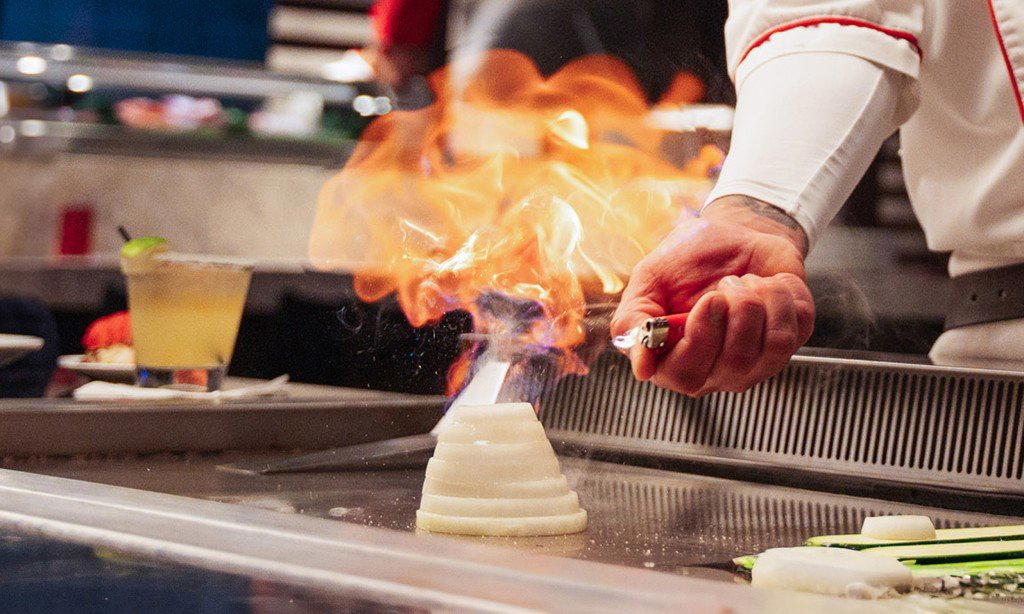
Southwest Miami and the Case for Dining Outside the Circuit
Miami's most talked-about dining addresses tend to cluster along a predictable axis: South Beach, Wynwood, Brickell, the Design District. That concentration makes geographic sense for a city where real estate and foot traffic drive restaurant economics. But it also means that a meaningful tier of the city's dining exists almost invisibly to visitors, running quietly in suburban corridors where rents are lower, regulars are loyal, and the ratio of kitchen ambition to room theatrics shifts decisively toward the former.
Samurai occupies that second geography. Its address on SW 136th Street in Kendall places it in the southwestern band of Miami-Dade County, roughly a 25-minute drive from Brickell depending on traffic, in a stretch of the city that functions as a working residential district rather than a dining destination. That context matters. Restaurants in this corridor rarely benefit from walk-in tourism or the kind of editorial coverage that accrues to venues in the Design District. When they sustain themselves, it tends to be on the strength of repeat neighborhood business and word-of-mouth that travels slowly but sticks.
The Physical Frame: What the Address Signals
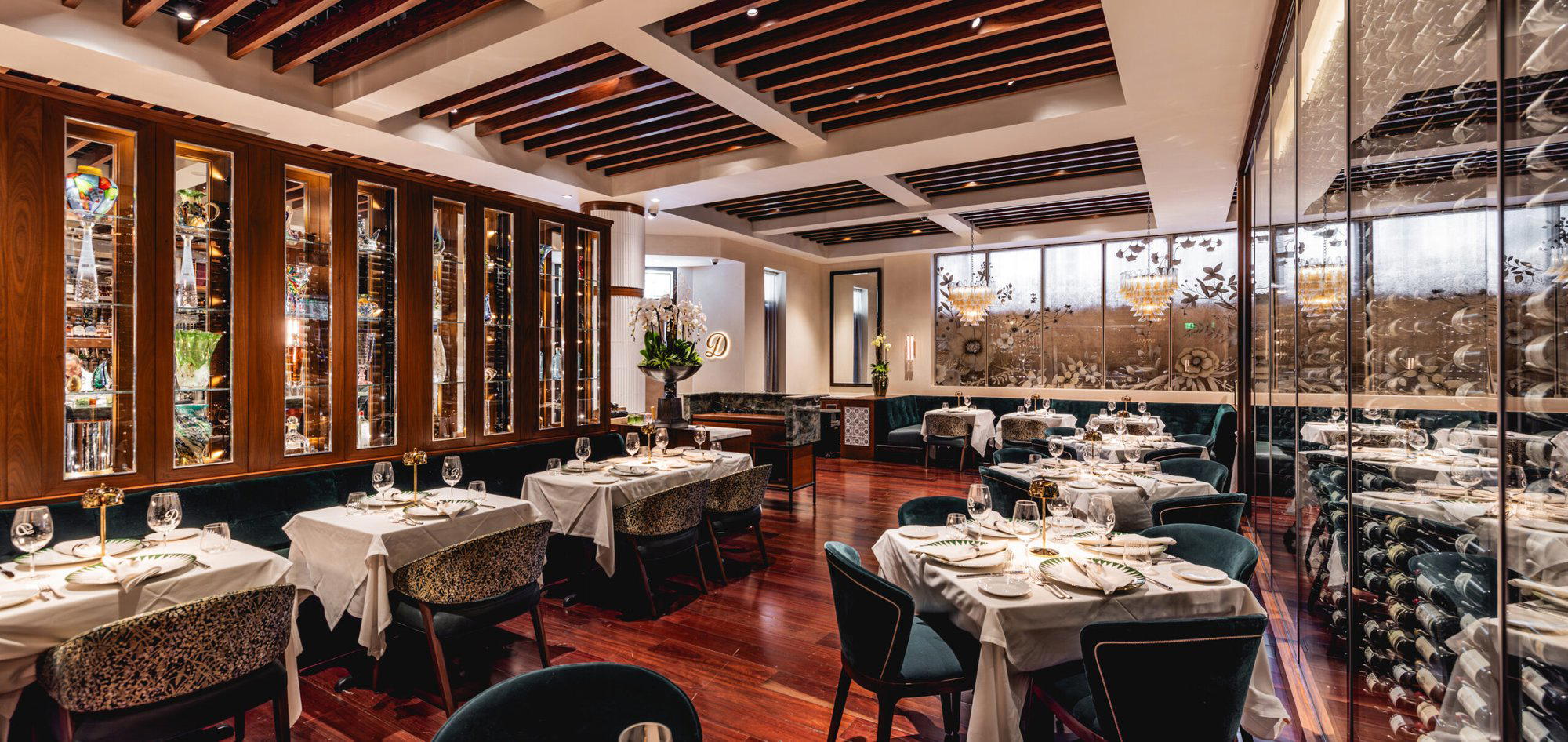
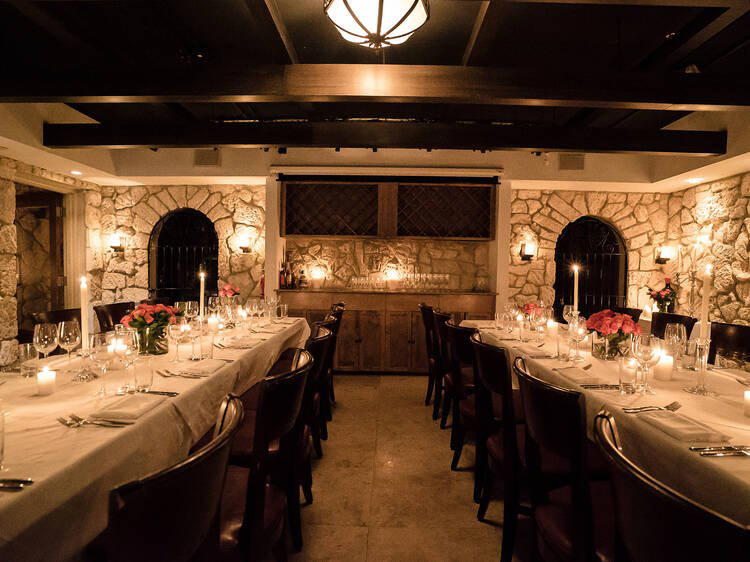
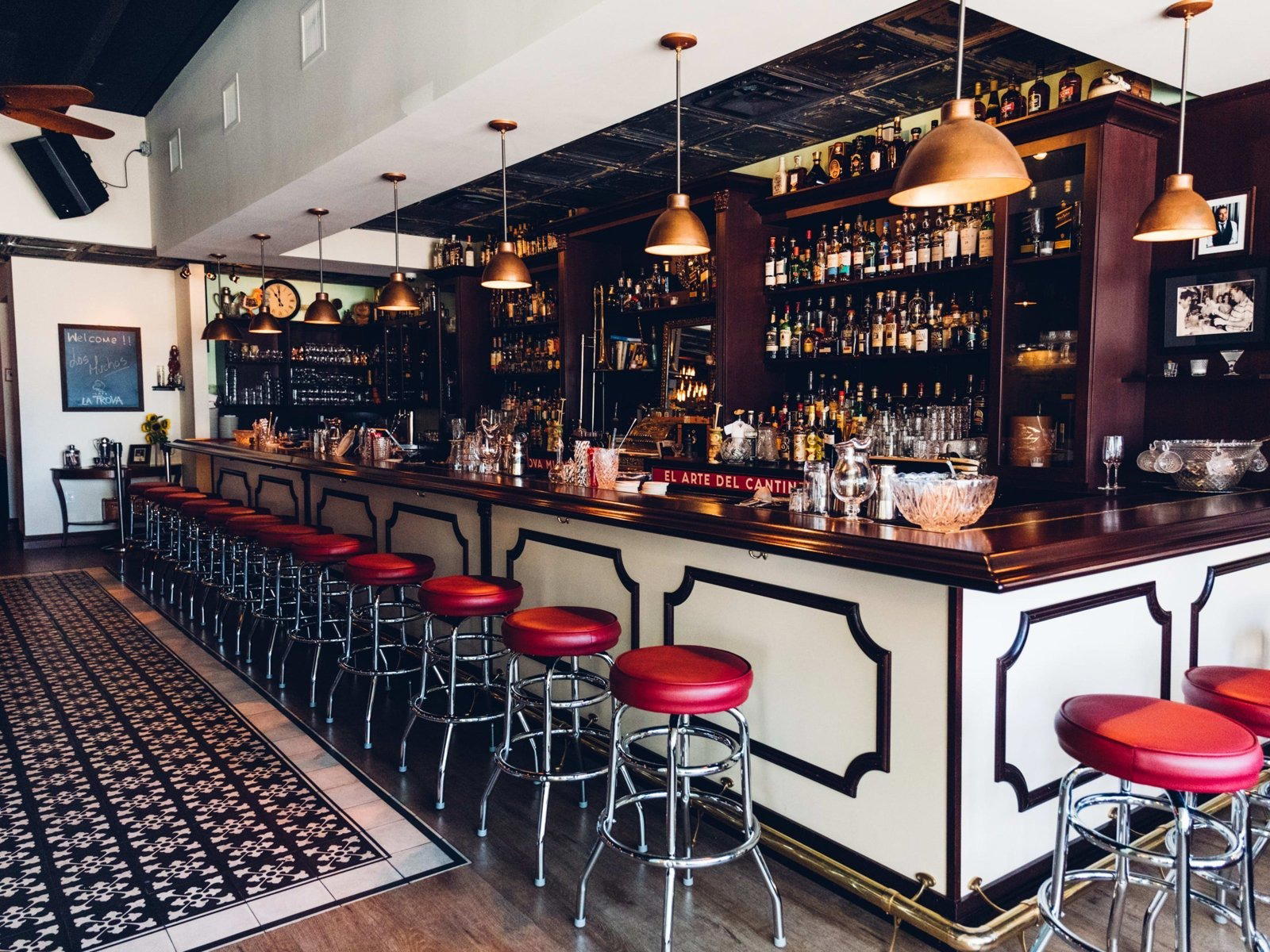
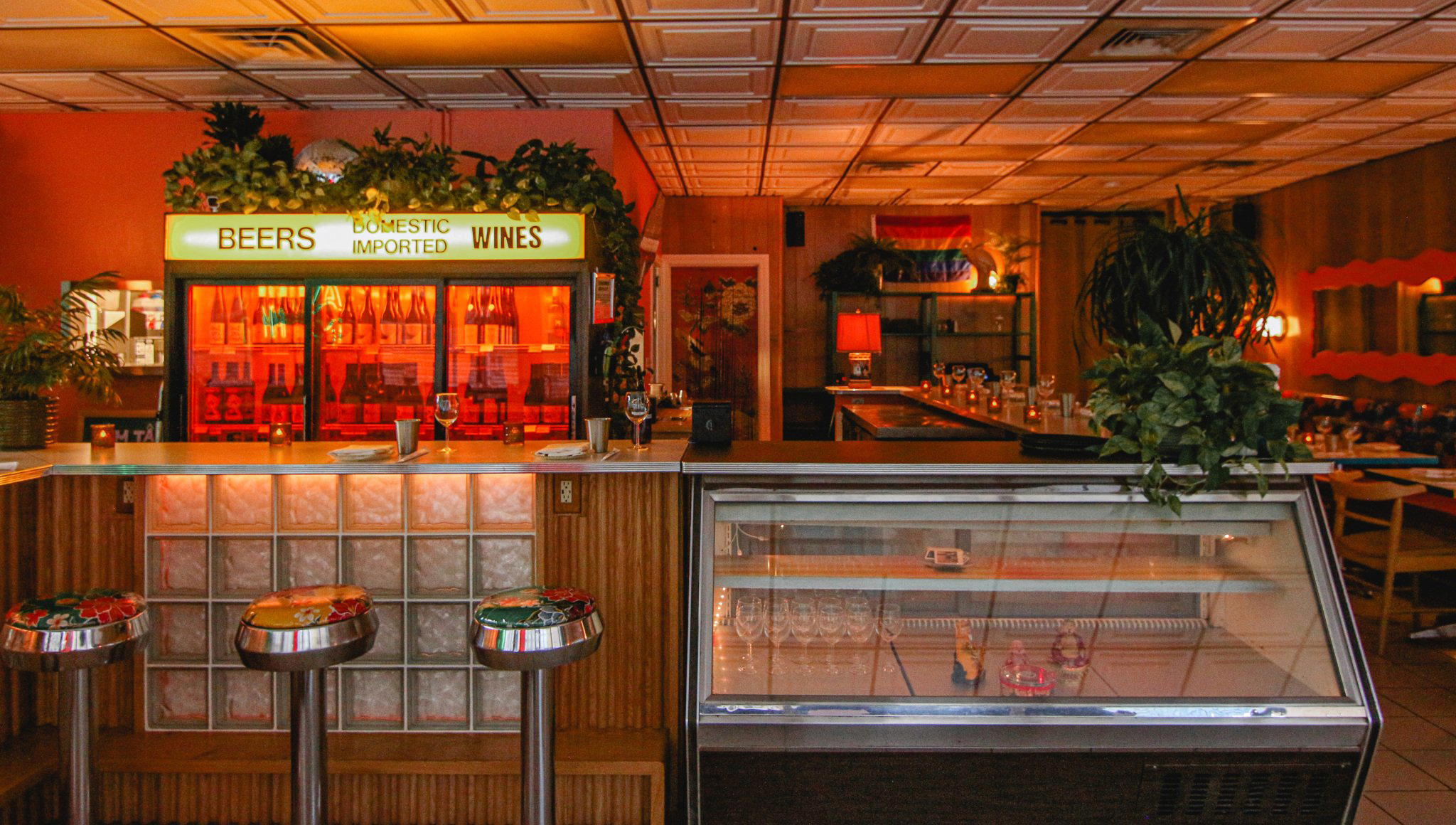
Restaurants in the Kendall corridor typically operate in strip-mall or standalone commercial spaces that prioritize function over atmosphere, a format common across suburban South Florida from Hialeah to Homestead. The physical container, in these neighborhoods, is rarely the draw.
What that means for a visitor calibrating expectations: the experience is likely framed by the food and service rather than by a designed room. This is not uncommon in Miami's outer neighborhoods, where some of the city's most committed cooking happens in spaces that would be unremarkable by Design District standards. The analogy holds across American dining broadly: Lazy Bear in San Francisco built its reputation through format innovation rather than architectural statement, and Ariete in Miami's Coconut Grove established itself as a serious address from a room that prioritizes intimacy over spectacle. Physical modesty and culinary seriousness are not in conflict.
Cuisine Type and What the Name Implies
The name Samurai, in the context of Miami's dining geography, points toward Japanese or Japanese-influenced cooking, though its cuisine is Japanese Teppanyaki Steakhouse. Miami has a layered Japanese dining scene that spans multiple tiers and formats. At the higher end, venues like ITAMAE operate at the intersection of Japanese technique and Peruvian ingredient traditions, a fusion category with genuine depth in South Florida given the city's Nikkei community. At the accessible end, neighborhood sushi houses in suburban corridors serve local regulars with a consistency that rarely gets reviewed but often outlasts trendier addresses by decades.
Where Samurai sits within that range, and what specific format it uses, whether omakase, à la carte, or a hybrid, is not confirmed. That uncertainty is a prompt to verify before visiting, particularly for anyone traveling specifically for the meal. Miami's broader Japanese dining offer is worth mapping: the city has fewer dedicated omakase counters than New York or Los Angeles, which means that venues operating in that format tend to carry significant local demand relative to supply. For context on how that dynamic plays out elsewhere, Atomix in New York City demonstrates how a counter-format Korean tasting menu can generate sustained demand through credential and consistency rather than scale.
Positioning Within Miami's Neighborhood Dining Tier
The comparison set for a venue at this address is not the circuit that includes Boia De, Cote Miami, or L'Atelier de Joël Robuchon Miami. Those venues operate in a different economic and visibility tier, with price points and booking windows that reflect their editorial exposure and award recognition. Samurai, by geography and available data, belongs to the neighborhood institution category, a tier that in Miami functions as the backbone of daily dining for residents far removed from the tourist circuit.
That tier has analogues across American cities. Emeril's in New Orleans represents one pole of the spectrum, a destination address with national name recognition. Samurai, by contrast, is the kind of address that appears on local recommendation lists, passed between Kendall residents rather than broadcast to a national audience. Both serve a function; they serve different audiences with different expectations.
For visitors considering the drive from central Miami, the calculus is direct: if the specific format and cuisine align with what you are looking for, a 25-minute drive into a residential neighborhood is a minor commitment for a meal that operates without the South Beach premium. The price-to-experience ratio in Miami's suburban dining tier is generally more favorable than in the city's high-visibility corridors, with an average price of about $30 per person.
How Samurai Compares to Miami's Wider Scene
Miami's dining has spent the past decade developing genuine depth outside the obvious addresses. The venues that tend to build lasting reputations here, Ariete in Coconut Grove, neighborhood specialists in Little Havana and Little Haiti, share a characteristic: they serve a defined local audience before they serve a transient one. That orientation tends to produce more consistent cooking over time, because the kitchen is accountable to regulars rather than to one-time visitors looking for a photo-worthy plate.
Samurai's address in Kendall places it in that tradition. Whether it merits a cross-city drive from a visitor's hotel in South Beach depends on factors that require direct verification: what the kitchen is doing, what the current format looks like, and whether the dining room suits the occasion.
Know Before You Go
Address: 8717 SW 136th St, Miami, FL 33176
Neighbourhood: Kendall, southwest Miami-Dade County
Phone: not confirmed, verify via search before visiting
Price range: About $30 per person
Booking: Walk-ins are welcome
Getting there: 8717 SW 136th St, Miami, FL 33176
Ideal time to visit: Mon through Wed, 11 AM to 10 PM; Thu through Sat, 11 AM to 11 PM; Sun, 11 AM to 10 PM
Comparable Options
Comparable venues nearby, for context on price, style, and recognition.
| Venue | Cuisine | Price | Notes |
|---|---|---|---|
| SamuraiThis venue — the venue you are viewing | Japanese Teppanyaki Steakhouse | $$ | Not listed |
| Momosan Wynwood | Modern Japanese Ramen & Izakaya | $$ | Miami Fashion District |
| N Shabu Shabu | Japanese Wagyu Shabu-Shabu | $$$ | Brickell Key |
| Paperfish Sushi | Contemporary Nikkei Sushi | $$$ | Miami Financial District |
| Midorie | Authentic Japanese Sushi and Omakase | $$ | Coconut Grove |
| Garcia's Seafood Grille & Fish Market | Dining | $$ | Overtown |
At a Glance
- Lively
- Energetic
- Trendy
- Group Dining
- Celebration
- Family
- Open Kitchen
- Craft Cocktails
- Sake Program
Current opening hours
- Monday
- 11 AM–10 PM
- Tuesday
- 11 AM–10 PM
- Wednesday
- 11 AM–10 PM
- Thursday
- 11 AM–11 PM
- Friday
- 11 AM–11 PM
- Saturday
- 11 AM–11 PM
- Sunday
- 11 AM–10 PM
Hours can change for holidays and private events. Last verified .
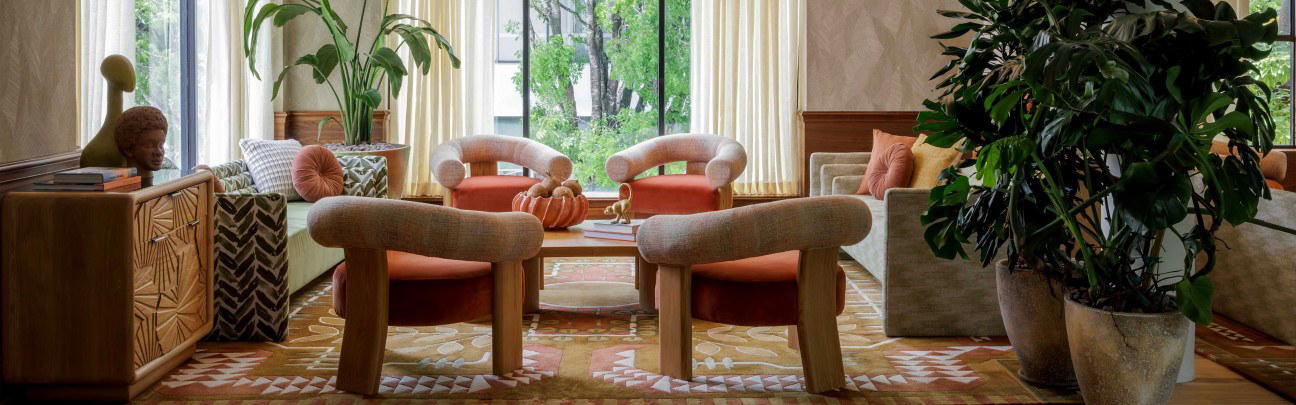
Energetic and lively atmosphere with moderate noise levels, featuring interactive chef performances at hibachi tables.