Midorie
Midorie brings a focused Japanese format to Miami's increasingly competitive sushi scene, covering temaki, omakase bento, and counter-style sushi within a single offering. The city's appetite for Japanese cuisine has pushed several operators into sharper specialization, and Midorie's range of formats places it at an interesting intersection of casual and ceremonial. It belongs in any conversation about where Miami's Japanese dining tier is heading.
Pearl is the En Primeur Club membership app — saves, bookings, and concierge access live there. Same editors, same standards.
- Address
- Miami, United States
- Directions
- Get directions
 Saves & bookings on Pearl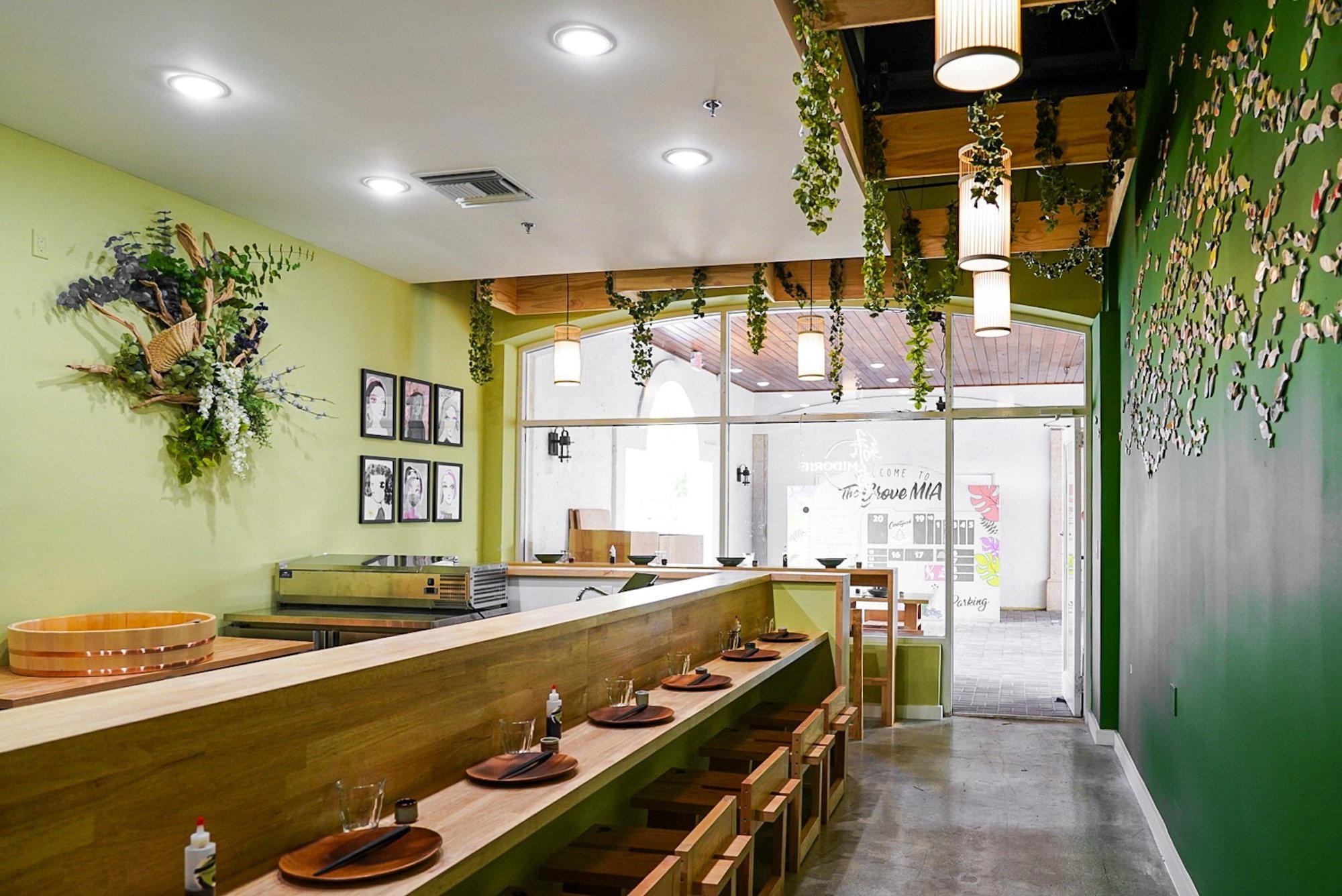
Where Miami's Sushi Scene Has Arrived
Miami's relationship with Japanese cuisine has matured considerably over the past decade. The city that once treated sushi as an afterthought to its steakhouse and Latin dining circuits now fields a layered market, with counter-format omakase, specialist temaki bars, and bento-oriented lunch destinations each occupying distinct price and occasion bands. Midorie operates across more than one of those bands simultaneously, offering temaki, omakase bento, and counter sushi within a single address. That breadth of format is less common than it sounds: most operators in the current Miami market plant a flag in one category and defend it. A venue that spans all three has to manage very different guest expectations within the same kitchen and dining room, and the discipline required to do that well is its own editorial argument.
The broader context matters here. Miami has seen meaningful investment in Japanese dining formats since 2019, with new omakase counters and temaki specialists opening in Brickell, the Design District, and along the Miami Beach corridor. That compression has raised both the floor and the ceiling. Entry-level omakase in the city now sits in a range that would have read as premium just a few years ago, and the upper bracket has moved accordingly. Midorie's three-format approach positions it as something of a cross-entry point, relevant to guests arriving at different price intentions but willing to eat in the same space. That is a meaningful commercial bet, and it shapes what kind of experience the room is designed to deliver.
The Format Question: Temaki, Bento, or Counter
In Japanese dining culture, temaki, omakase bento, and counter sushi are not interchangeable formats. Temaki is inherently casual, eaten by hand, typically assembled to order and designed for speed and informality. Omakase bento is a chef-curated boxed format that borrows the sequencing logic of omakase without requiring a live counter interaction. Counter sushi, in its classical sense, is the most intimate and high-commitment format: you are in dialogue with the person preparing your food, and the meal unfolds at their discretion. Midorie's decision to hold all three formats under one roof is either a genuine programme designed around different dayparts and occasions, or it reflects the kind of pragmatism that characterizes Miami's dining market, where lunch and dinner guests often represent entirely different economic demographics.
For context, consider how other American cities have handled similar format questions. Venues like Lazy Bear in San Francisco and Alinea in Chicago have both, in different ways, used format as the primary product rather than cuisine alone. In Japanese dining specifically, the format is often inseparable from the experience: an omakase counter is not simply a menu type, it is a spatial and social contract. Midorie's three-format structure raises the question of how that contract is managed when the room shifts registers across the day or across different tables. That is the operative editorial question for anyone deciding which format to book.
Planning Your Visit: What to Know Before You Go
Because confirmed logistical data for Midorie, including address, booking method, hours, and price points, is not available in current public records, the planning framework here follows the general intelligence applicable to Miami's sushi and omakase tier, with the caveat that readers should verify specifics directly with the venue before committing.
Miami's counter-format sushi and omakase venues have broadly adopted advance booking windows of four to eight weeks for premium seats, particularly on weekend evenings. Venues operating temaki bars alongside counter formats often hold walk-in or same-day capacity for the casual format while requiring reservations for the counter. If Midorie follows that pattern, a spontaneous visit for temaki may be more achievable than a planned omakase counter booking secured last-minute. The structural logic of the format spread suggests as much.
Timing within the Miami dining calendar also bears consideration. The city's high season runs from roughly November through April, when snowbird and international visitor traffic compresses tables at every serious dining address. The summer months, by contrast, offer a quieter window that locals consistently exploit for easier access at restaurants that would otherwise require weeks of lead time. For a venue in the Japanese dining segment, where the counter experience is time-intensive and capacity is inherently limited, that seasonal delta is particularly pronounced. Miami's heat and humidity in July and August are rarely a deterrent for residents but do thin the tourist visitor pool, which has a direct effect on booking availability across the city's higher-demand dining addresses.
For anyone building a broader Miami dining itinerary, Midorie sits in a city that now supports a genuine range of serious restaurant formats. ITAMAE handles the Peruvian-Japanese intersection with notable precision. Cote Miami covers the Korean steakhouse format at the $$$ bracket. Boia De and Ariete represent the contemporary Italian and Modern American threads that give Miami's dining scene its current critical credibility. L'Atelier de Joël Robuchon Miami sits at the French fine dining end of the spectrum. Midorie adds a Japanese anchor to that set, and its multi-format structure means it can serve different meals within a single itinerary rather than requiring a dedicated occasion to justify the visit.
Where Midorie Sits in the Competitive Tier
Miami's Japanese dining segment now divides between operations with clear format discipline and those that treat the breadth of a menu as a selling point. The former tends to develop stronger critical reputations; the latter tends to develop broader commercial bases. Midorie's three-format structure puts it closer to the latter category by structure, but the inclusion of omakase bento, a format that requires genuine curatorial thinking rather than simply a larger menu, suggests the kitchen is working toward something more considered than a catch-all offering.
The comparison set for a venue of this type in Miami would include specialist omakase counters in the Design District, temaki-focused operations along the Beach corridor, and the broader set of Japanese-inflected restaurants that have opened since 2020. Against venues like The French Laundry in Napa or Single Thread Farm in Healdsburg, which operate at the top of the American fine dining tier and carry decades of documented credential, Midorie is operating in a younger and less documented tier, but the format ambition is not trivially different in kind. The omakase bento format, in particular, borrows the sequencing logic of America's most deliberate tasting menus and applies it to a Japanese culinary frame.
For readers comparing across international reference points, the kind of format discipline that venues like 8½ Otto e Mezzo Bombana in Hong Kong have applied to European fine dining in an Asian context, or that Alain Ducasse at Louis XV in Monte Carlo represents in classical French dining, is precisely what the omakase counter format demands in Japanese cuisine. Whether Midorie delivers that level of format discipline within its counter programme is the operative question that current data cannot answer, but the structural intent is readable from the menu architecture alone.
See our full Miami restaurants guide for the broader dining picture, alongside our Miami hotels guide, Miami bars guide, Miami wineries guide, and Miami experiences guide for a complete picture of the city.
Accolades, Compared
Comparable venues nearby, for context on price, style, and recognition.
| Venue | Cuisine | Price | Notes |
|---|---|---|---|
| MidorieThis venue — the venue you are viewing | Authentic Japanese Sushi and Omakase | $$ | Not listed |
| Mai Sushi Tapas | Japanese-Vietnamese Fusion Tapas | $$ | Downtown Coral Gables |
| Aiko and Mumu | Japanese Sando & Sushi / Asian Fusion Bistro | $$ | Ocean View Heights |
| Sardomare | Modern Sardinian Pasta | $$ | Design District |
| Wynwood Kitchen & Bar | Modern Latin Small Plates | $$ | Miami Fashion District |
| Michys | Dining | Not listed | MiMo Biscayne Boulevard |
At a Glance
- Cozy
- Trendy
- Intimate
- Modern
- Solo
- Date Night
- Open Kitchen
- Courtyard
- Byob
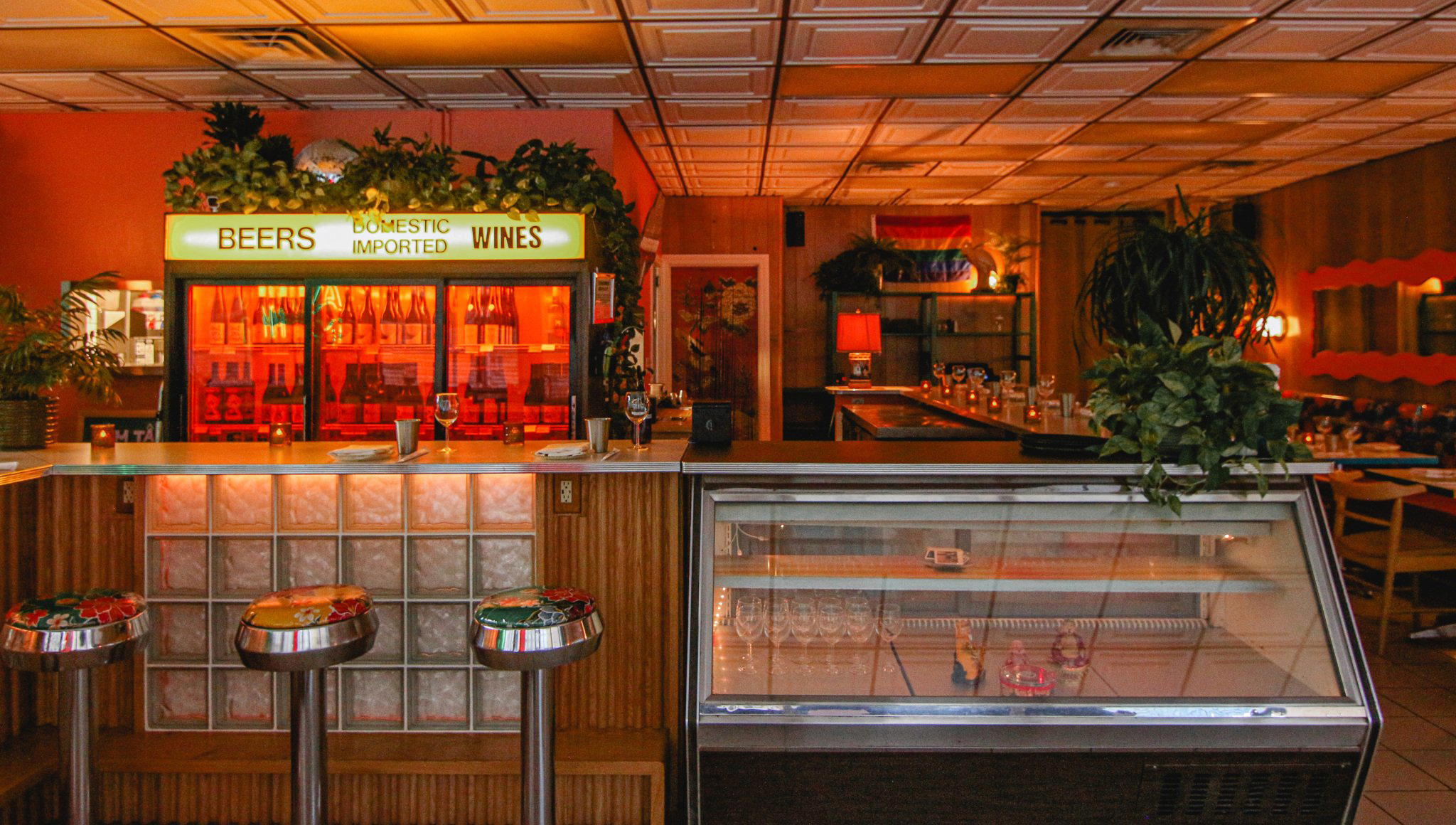
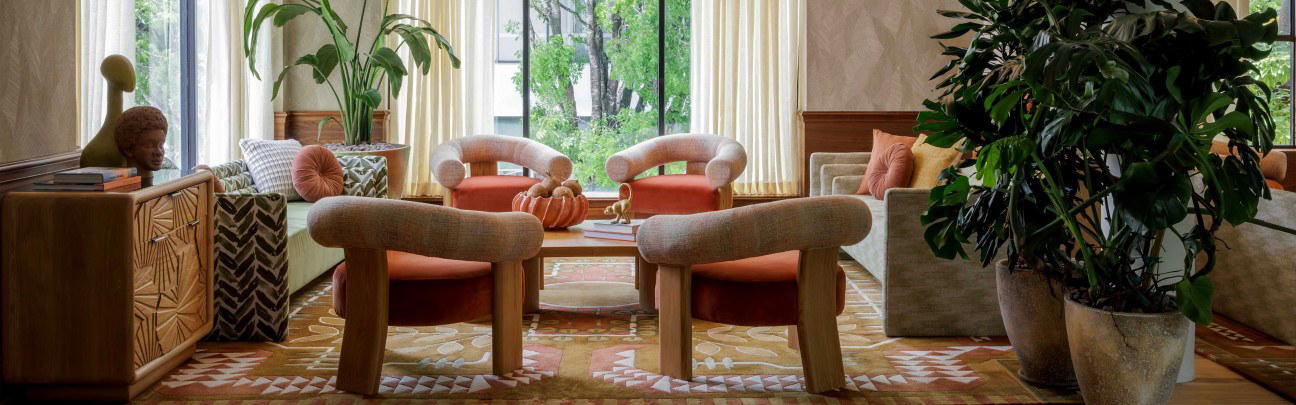
Peaceful and cozy with white oak furniture, mint-green walls featuring a ceramic fish installation, and a simple, authentic Japanese atmosphere.