N Shabu Shabu
N Shabu Shabu occupies a Brickell Key address that places it at a remove from the mainland Miami dining circuit, with the shabu-shabu format giving the meal a pace and structure that sets it apart from the neighborhood's steakhouse-heavy competition. The interactive hot-pot tradition, originally codified in Japan, translates well to Miami's preference for social, tableside dining formats.
Pearl is the En Primeur Club membership app — saves, bookings, and concierge access live there. Same editors, same standards.
- Address
- 661 Brickell Key Dr, Miami, FL 33131
- Phone
- (305) 947-6263
- Website
- naoemiami.com
- Directions
- Get directions
 Saves & bookings on Pearl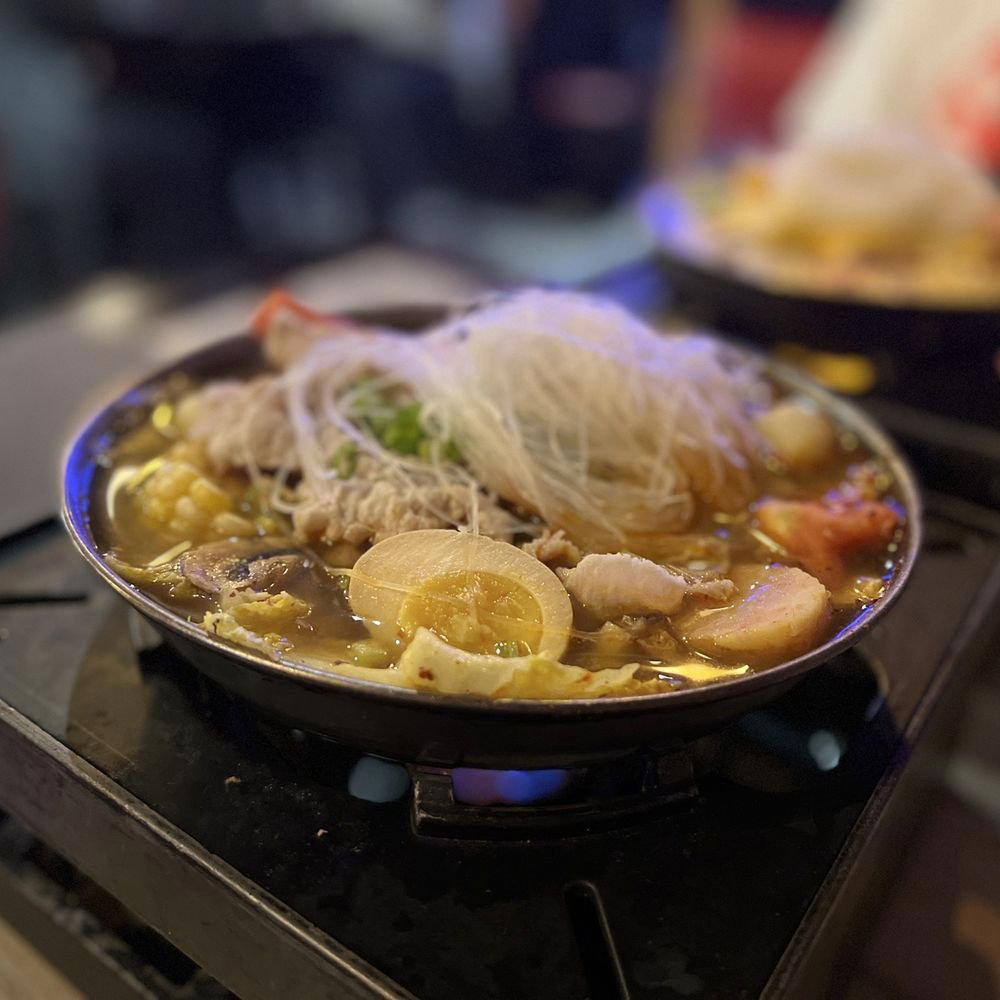
Water's Edge, Private Island: The Setting That Shapes the Meal
Brickell Key is an odd pocket of Miami, a small artificial island connected to the financial district by a single bridge, ringed almost entirely by water and occupied largely by residential towers and a handful of hotel and dining outposts. Arriving at 661 Brickell Key Dr means crossing that bridge and leaving behind the density of Brickell proper, a physical transition that reframes the meal before a dish has been ordered. In a city where restaurant energy is almost always tied to street-level activity and visibility, an address on Brickell Key operates differently: quieter approach, waterfront orientation, a sense of remove that is relatively rare in Miami's dining geography.
That spatial context matters for shabu-shabu specifically. The format, which traces its modern codification to mid-twentieth century Japan, is built around slowness: thin-sliced proteins and vegetables cooked incrementally in simmering broth at the table, the meal paced by the diners rather than the kitchen. In a city whose dining culture skews toward spectacle and high-output kitchens, the shabu-shabu model represents a structural counterpoint. The room design at a shabu-shabu restaurant has to support that pace, individual or shared hot-pot stations, ventilation overhead, table depth sufficient for broth vessel, raw ingredient plates, and dipping sauce arrangements simultaneously. The physical container of the experience is load-bearing in a way it isn't at a conventional table-service restaurant.
How Shabu-Shabu Sits in Miami's Current Dining Conversation
Miami's Japanese dining category has expanded considerably over the past decade, moving from a scene dominated by sushi counters and izakayas to one that now includes higher-format omakase rooms and specialty concepts organized around single preparations. Shabu-shabu occupies a specific tier within that expansion: it is interactive, inherently social, and capable of spanning a wide quality range depending on the sourcing of proteins and the depth of the broth program. At the lower end, the format functions as casual communal dining. At the higher end, wagyu-grade beef, dashi made from quality kombu and katsuobushi, and a considered sake or Japanese whisky list can push it into premium territory.
The Brickell Key location places N Shabu Shabu adjacent to a different competitive conversation than it would face in Wynwood or the Design District. Its immediate neighbors on the island are hotel dining operations and upscale residential amenities, which means the venue is positioned to serve both the island's residential population and visitors making a deliberate trip across the bridge. For Miami diners comparing options, the relevant comparable set for a shabu-shabu concept of this address-tier includes Korean hot-pot formats like those found at Cote Miami and the kind of ingredient-forward tasting formats that define places like ITAMAE and Boia De.
The Architecture of the Hot-Pot Format
Shabu-shabu's design logic is worth understanding before you sit down, because the format makes demands on the room that conventional restaurant design doesn't. Each station needs a heat source, typically induction in modern operations, recessed or surface-mounted into the table. The broth vessel, usually a divided pot that allows two broth varieties simultaneously, occupies the center, which means table proportions are wider than standard. Seating arrangements tend toward individual stations or pairs rather than communal long tables, which creates a more intimate noise profile even in a full room. In that sense, a well-designed shabu-shabu space is quieter per square foot than most open-plan Miami dining rooms, where hard surfaces and high ceilings amplify sound.
The sequence of a shabu-shabu meal also shapes how a space should feel across time. Early in the meal, the broth is clean and mild. As proteins cook, the liquid accumulates flavor. By the end of a full meal, the broth has transformed into something considerably richer, and it is traditional to finish by cooking noodles or rice directly in that concentrated stock. The meal has an arc, and the physical arrangement of the table needs to accommodate all its stages without feeling cluttered or requiring constant plate removal.
Situating This in the Broader Miami Context
Miami's most discussed restaurants in recent years have skewed toward either high-drama tasting menus or refined casual formats. The tasting menu tier, represented locally by Ariete and by imports like L'Atelier de Joël Robuchon Miami, demands a specific kind of surrender from the diner: you eat what the kitchen decides, at the kitchen's pace. Shabu-shabu inverts that relationship entirely. The diner controls tempo, protein selection, broth ratio, and dipping sauce combinations. It is one of the few premium formats that puts genuine agency back at the table.
That distinction connects to a broader shift in American dining, visible at critically recognized restaurants from Lazy Bear in San Francisco to Blue Hill at Stone Barns in Tarrytown: the question of how much control the kitchen should retain over the dining experience. Hot-pot formats like shabu-shabu answer that question differently from most Western fine-dining traditions, and in Miami, where the dining public is accustomed to both high-service hotel restaurants and loose, share-everything tropical formats, a Japanese hot-pot concept occupies genuinely interesting middle ground.
For comparison, Korean hot-pot and KBBQ formats at places like Atomix in New York City have demonstrated that interactive tableside cooking can coexist with serious culinary ambition and critical recognition. The format is not inherently casual; the quality ceiling depends entirely on ingredient sourcing and kitchen discipline behind the scenes.
Planning Your Visit
N Shabu Shabu sits at 661 Brickell Key Dr, on Brickell Key island just off the mainland Brickell district. Reaching it requires crossing the Brickell Key bridge, and parking options on the island are limited to the residential and hotel structures nearby. For visitors arriving from South Beach or the Design District, rideshare is a practical default. Confirm reservation requirements and current availability directly with the venue before visiting. The Brickell Key address, the shabu-shabu format's inherent pacing, and the waterfront setting collectively make this a more deliberate dinner than a spontaneous drop-in; the meal rewards arriving without a time constraint.
Pricing, Compared
Comparable venues nearby, for context on price, style, and recognition.
| Venue | Cuisine | Price | Notes |
|---|---|---|---|
| N Shabu ShabuThis venue — the venue you are viewing | Brickell Key, Japanese Wagyu Shabu-Shabu | $$$ | Not listed |
| Belly Fish | Not listed | $$ | Coconut Grove, Modern Japanese Sushi and Seafood |
| Aiko and Mumu | Not listed | $$ | Ocean View Heights, Japanese Sando & Sushi / Asian Fusion Bistro |
| Momosan Wynwood | Not listed | $$ | Miami Fashion District, Modern Japanese Ramen & Izakaya |
| Zuma Miami | Miami Riverwalk, Modern Japanese Izakaya | $$$$ | Not listed |
| Sadelle's Coconut Grove | Coconut Grove, New York-Style Deli | $$$ | Not listed |
At a Glance
- Elegant
- Intimate
- Modern
- Date Night
- Special Occasion
- Group Dining
- Private Dining
Current opening hours
- Monday
- Closed
- Tuesday
- 5–9 PM
- Wednesday
- 5–9 PM
- Thursday
- 5–9 PM
- Friday
- 5–9 PM
- Saturday
- 5–9 PM
- Sunday
- Closed
Hours can change for holidays and private events. Last verified .
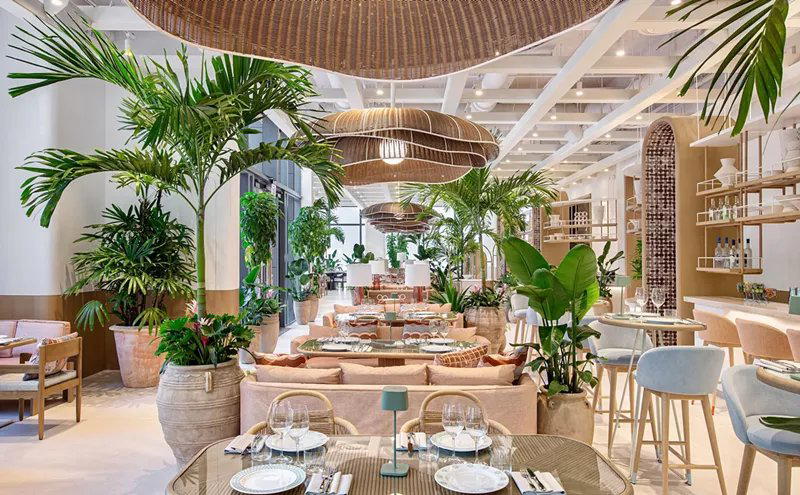
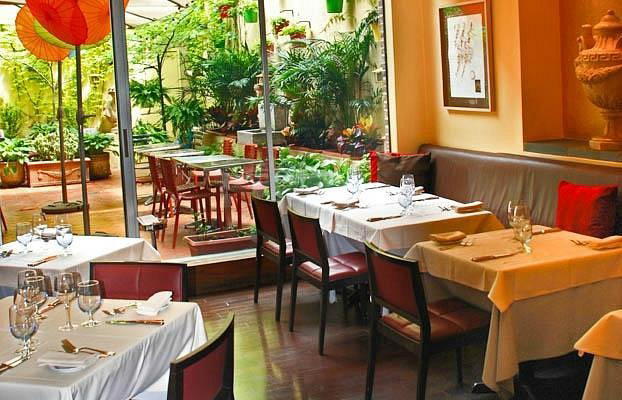
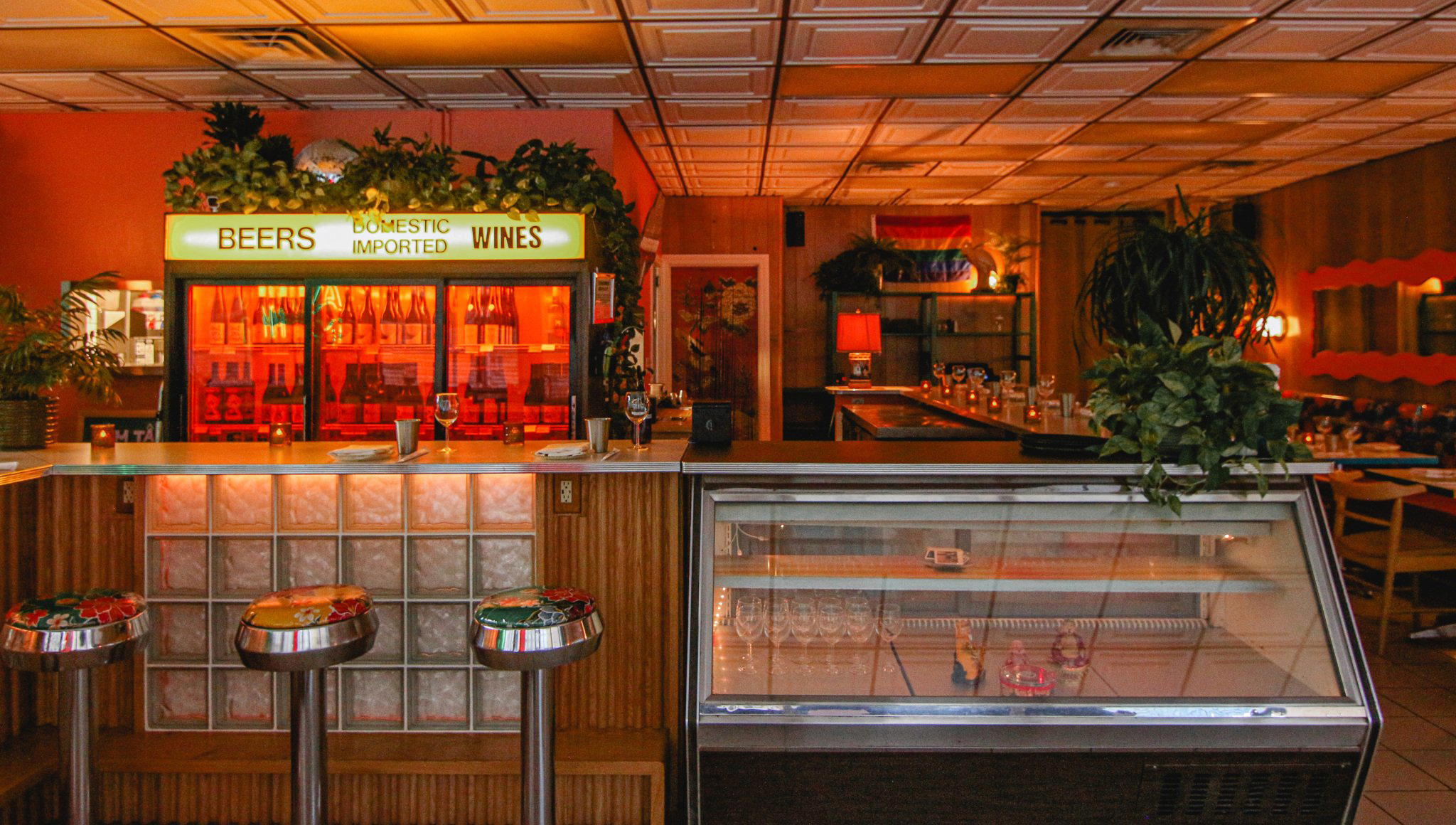
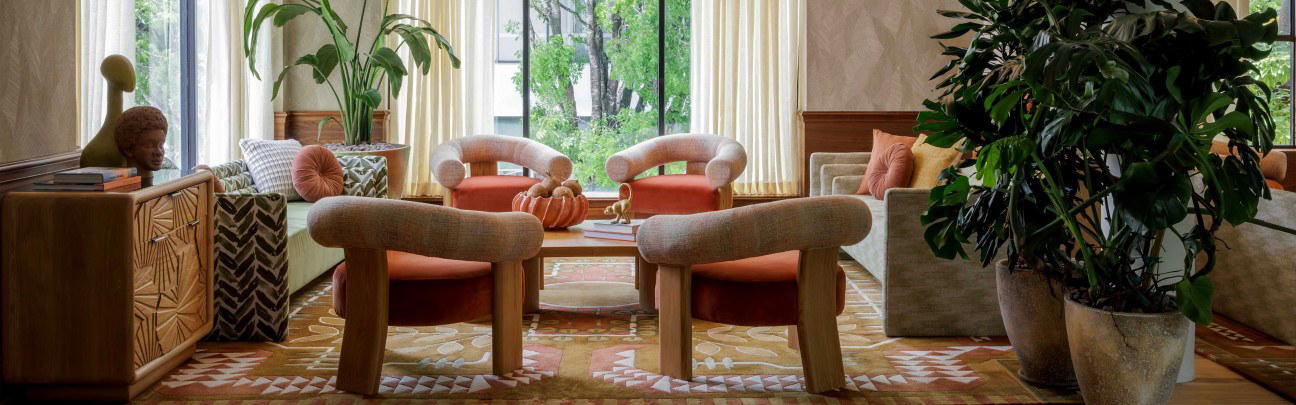
Contemporary and refined setting with a focus on the interactive, communal dining experience of traditional shabu-shabu preparation.