Garcia's Seafood Grille & Fish Market

A Miami River institution at 398 NW N River Dr, Garcia's Seafood Grille & Fish Market operates as both a working fish market and a waterfront dining room, placing it in a category of its own among the city's seafood options. The dual format means the catch moves from boat to counter to kitchen with minimal distance in between, a supply chain that most Miami restaurants can only approximate.
Pearl is the En Primeur Club membership app — saves, bookings, and concierge access live there. Same editors, same standards.
- Address
- 398 NW N River Dr, Miami, FL 33128
- Phone
- +1 305 375 0765
- Website
- garciasmiami.com
- Directions
- Get directions
 Saves & bookings on Pearl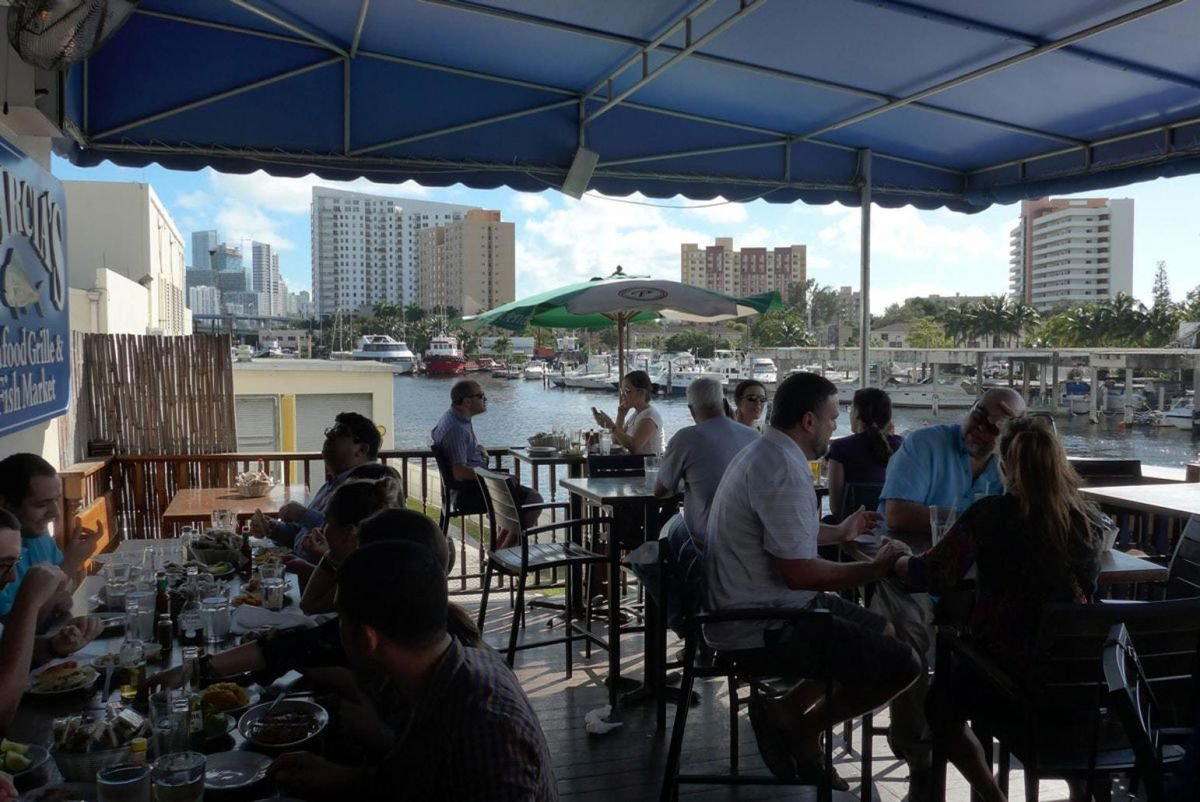
The Miami River Waterfront and What It Demands of a Seafood Kitchen
The stretch of the Miami River that runs through the warehouse district northwest of downtown is not the city's postcard face. Cargo vessels and fishing boats share the water with tour craft, and the neighbourhood retains a working character that Brickell and South Beach have largely traded away. Garcia's Seafood Grille & Fish Market occupies this stretch at 398 NW N River Dr, and that address is part of what defines its identity. Waterfront seafood restaurants across the United States tend to fall into two types: those that perform proximity to the water as an aesthetic, and those that depend on it operationally. Garcia's belongs to the second category, functioning as a fish market alongside its dining room so that the supply chain between vessel and plate is measurably shorter than it would be for a kitchen sourcing through a distributor.
That dual market-and-restaurant format has its own tradition along working American waterfronts, from the fish camps of Louisiana to the dockside counters of the Pacific Northwest. What makes the Miami River version distinct is the city context: Garcia's sits in a metro defined by Coral Gables Cuban kitchens, South Beach hotel dining rooms, and the international restaurant circuit of Brickell, yet it operates closer to the register of a Florida fishing community than to any of those scenes. For visitors calibrated to Miami's more theatrical food and drink offerings, that contrast is itself informative.
The Bar Counter as an Editorial Lens
The editorial angle that leading frames Garcia's is not the dining room or the market stall but the hospitality approach that a place like this demands of whoever is running service. Miami's bar scene has moved considerably over the past decade. Venues like Broken Shaker built reputations on ingredient-forward cocktail programs executed with precision; Café La Trova anchored its identity in Cuban bartending tradition and the deep hospitality codes that accompany it; and Bar Kaiju carved a niche in the city's more experimental corner. Each of those represents a particular philosophy of what the person behind the bar is meant to do and know.
At a working waterfront fish market and grille, the hospitality register is different. The craft is less about bespoke cocktail construction and more about reading a room that mixes locals who have been coming for years with first-time visitors trying to decode a menu board, all under conditions that favour speed and directness over ceremony. That kind of service has its own discipline. Cities with strong working-waterfront food cultures tend to produce bar and counter staff who are specialists in efficiency and in the casual authority that comes from knowing the product cold: what came in this morning, what to pair it with, what to skip.
Across the United States, comparable hospitality formats exist in very different markets. Jewel of the South in New Orleans operates in a tradition-heavy cocktail city where craft and historical knowledge are the currency; Julep in Houston has built its identity around Southern hospitality as a deliberate and studied practice; Kumiko in Chicago layers Japanese precision over Midwestern warmth. What links them, despite their differences, is that each place has a clear point of view about what hospitality means in that room for that guest. Garcia's operates with an equivalent clarity, even if the format is more utilitarian than any of those.
Situating Garcia's in Miami's Seafood Scene
Miami's restaurant market has grown considerably more sophisticated and expensive over the past decade. Hotel dining rooms backed by international chef brands, omakase counters priced against New York and Tokyo peers, and Latin American tasting menus drawing on South American culinary influence have all expanded the upper tier. In that context, a working fish market with a waterfront dining room occupies a position that is less about competing with those venues and more about offering something they structurally cannot: the market itself.
The fish market component is not an amenity or a design feature. For comparison, the kind of direct-from-vessel sourcing that defines the market format is more common in port cities where fishing industry infrastructure is embedded in the urban fabric, like certain neighbourhoods of Boston, Seattle, or coastal Louisiana. Miami has the water and the fishing activity, but the market-to-table format at this scale and location is not widely replicated.
For travellers building a picture of Miami's food character beyond its hotel dining rooms, Garcia's represents a useful counterpoint. The city's culinary identity is genuinely diverse: the Cuban-American tradition running through Calle Ocho, the Haitian and Jamaican kitchens of Little Haiti and Liberty City, the Venezuelan and Colombian spots distributed across the metro. A working fish market on the Miami River is part of that picture, drawing from Florida's commercial fishing heritage rather than from any of the immigrant food traditions that more frequently anchor the city's narrative.
Drinking in Miami: Context for the Garcia's Bar
For visitors who come to Miami primarily through its nightlife reputation, the drinking scene is broader and more varied than the Mango's-style entertainment complex that defines the South Beach tourist register. The craft cocktail tier represented by venues like Broken Shaker is well established. There is also a subset of neighbourhood bars and waterfront spots where the drink is secondary to the setting and the food, and where the bar's function is to extend the meal rather than anchor its own separate experience. Garcia's falls into that second category.
For readers who want to map the full spread of American bar craft across markets, the comparison set extends well beyond Miami. ABV in San Francisco and Superbueno in New York City represent cities with dense, technically sophisticated bar programs. Bar Leather Apron in Honolulu offers a Pacific counterpoint, where island geography shapes both sourcing and the pace of service. The Parlour in Frankfurt on the Main places European bar discipline alongside American cocktail influence. What each of those venues shares with a place like Garcia's is that the bar counter is a specific kind of stage, and what happens behind it communicates something precise about the establishment's priorities.
Planning a Visit
Garcia's is located at 398 NW N River Dr in Miami's riverside warehouse district, accessible by car with parking available in the area, or reachable from downtown Miami by a short drive or rideshare. The dual market and restaurant format means the operation tends to run through daytime and into early evening hours aligned with when the catch is freshest, though visitors should confirm current hours directly given that waterfront operations of this type can vary seasonally. The Miami River setting means the experience is tied to outdoor or semi-outdoor conditions, which in Miami's subtropical climate are worth factoring into timing: mid-morning to midday visits in the cooler months between November and March tend to offer the most comfortable outdoor dining conditions. For a broader orientation to eating and drinking across the city, our full Miami restaurants guide maps the range of cuisines, neighbourhoods, and price tiers that define the market.
Cuisine and Awards Snapshot
| Venue | Cuisine |
|---|---|
| Garcia's Seafood Grille & Fish Market | This venue |
Recognition history
Dated appearances from independent guides and award organizations, with the underlying list record or original source where available.
Opinionated About Dining Casual in North America Recommended
Opinionated About Dining
Opinionated About Dining Casual in North America Recommended
Opinionated About Dining
Continue exploring
More in Miami
Restaurants in Miami
Browse all →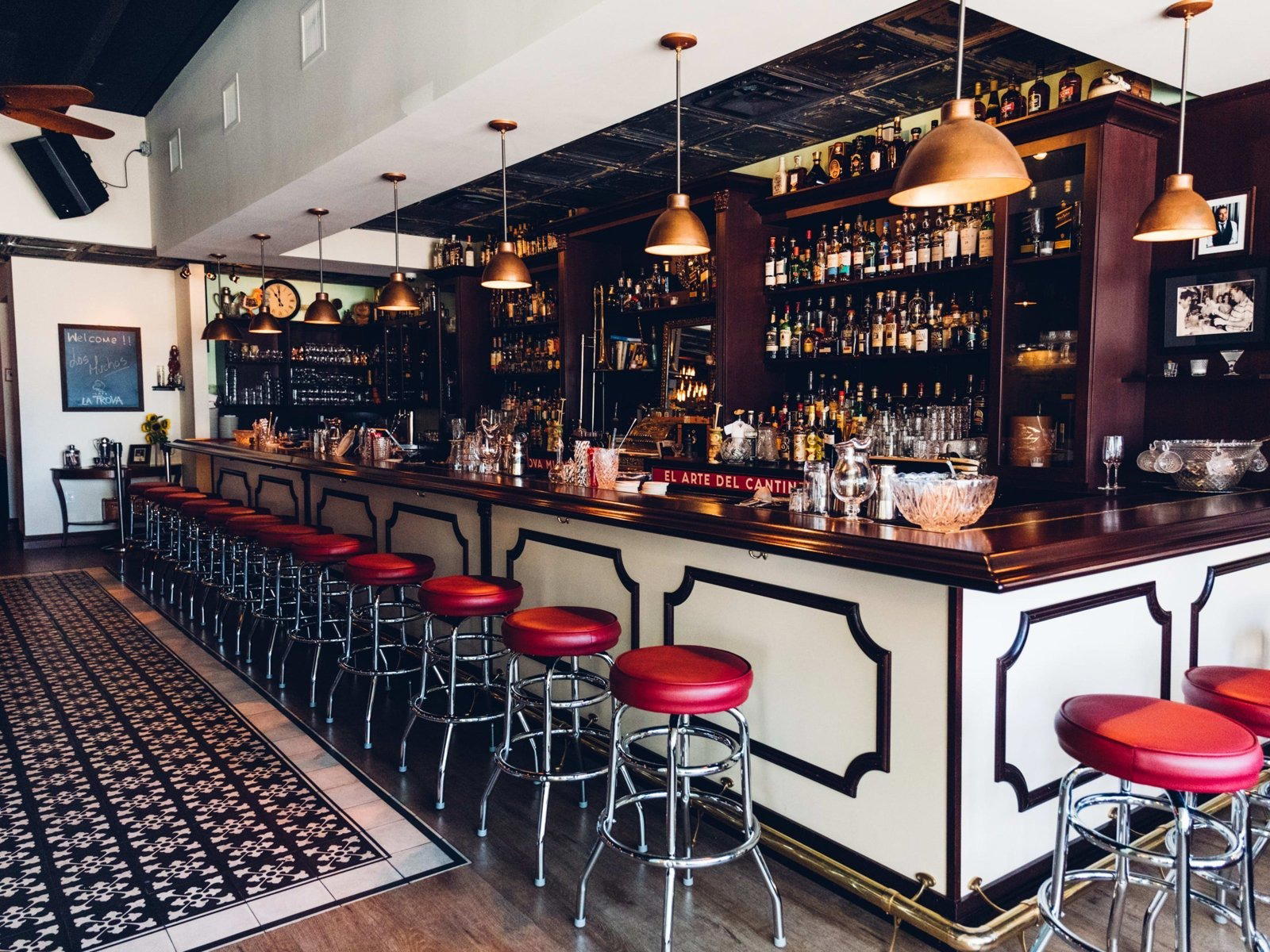



At a Glance
- Casual
- Classic
- Scenic
- Casual Hangout
- Group Outing
- Waterfront
- Live Music
- Waterfront
Current opening hours
- Monday
- 11 AM–9 PM
- Tuesday
- 11 AM–9 PM
- Wednesday
- 11 AM–9 PM
- Thursday
- 11 AM–9 PM
- Friday
- 11 AM–10 PM
- Saturday
- 11 AM–10 PM
- Sunday
- 11 AM–9 PM
Hours can change for holidays and private events. Last verified .
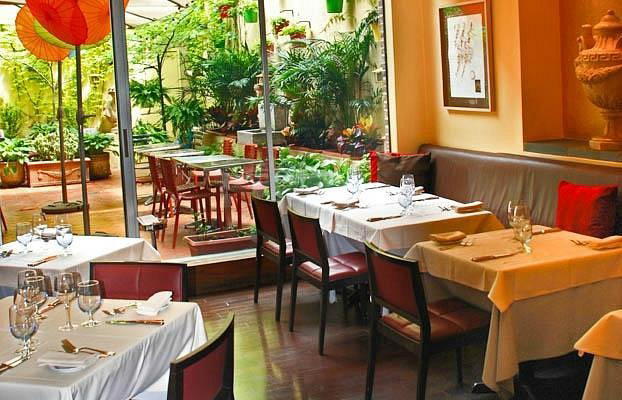
Casual and relaxed riverside atmosphere with scenic waterfront views.
Know Before You Go
- Getting there
- 398 NW N River Dr, Miami, FL 33128