Momosan Wynwood
Momosan Wynwood places Japanese ramen and izakaya traditions inside one of Miami's most creatively charged neighbourhoods, at 415 NW 26th St. The format sits between casual street-food energy and serious culinary craft, drawing from a lineage that connects Wynwood's art-district crowd to a broader Japanese-American dining conversation. It occupies a distinct position among Miami's more experimental mid-tier restaurant set.
Pearl is the En Primeur Club membership app — saves, bookings, and concierge access live there. Same editors, same standards.
- Address
- 415 NW 26th St, Miami, FL 33127
- Phone
- +13058518450
- Website
- momosanramen.com
- Directions
- Get directions
 Saves & bookings on Pearl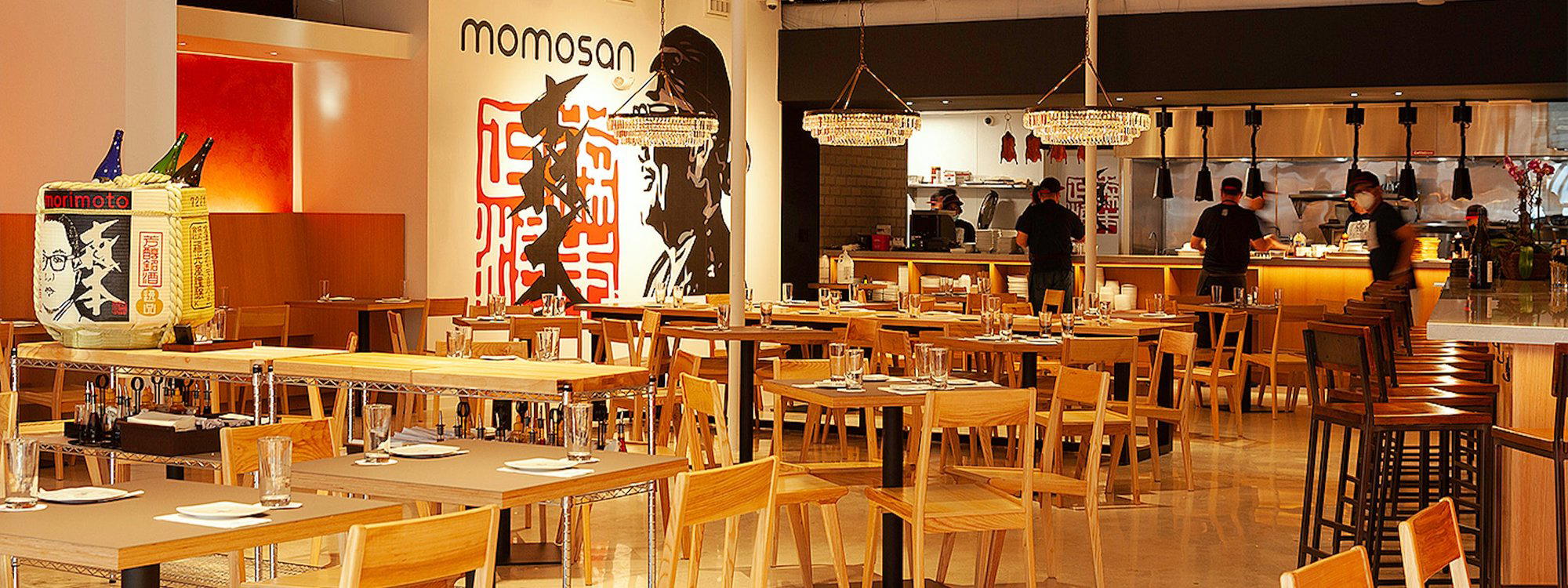
Where Wynwood's Street Energy Meets Japanese Izakaya Craft
NW 26th Street in Wynwood operates differently from the rest of Miami's dining corridors. The blocks around it carry the ambient noise of an art district still figuring out what it wants to be: spray-painted shutters, pop-up concept spaces, queues that form before doors open. Momosan Wynwood is a Japanese ramen and izakaya restaurant at 415 NW 26th St, Miami, FL 33127, with a casual dress code and recommended reservations. It sits inside that tension, drawing a format rooted in Japanese ramen and izakaya tradition into a neighbourhood where atmosphere is part of the offering before you even step inside. The building's surroundings do real work here. Wynwood's visual density, murals scaled to warehouse walls, gallery foot traffic spilling onto pavements, provides the kind of sensory backdrop that a white-tablecloth room could never manufacture.
That context matters when assessing where Momosan fits in Miami's current restaurant conversation. The city's more formally recognised dining has clustered around Brickell, the Design District, and South Beach, where L'Atelier de Joël Robuchon Miami and comparable rooms set price and formality expectations at the higher end of the market. Wynwood's dining, by contrast, has developed its own logic: higher energy, more casual in format, but increasingly serious in sourcing and technique. Momosan occupies that space without apology. The ramen-and-izakaya model it draws from is one of Japan's most democratic dining traditions, built around shared plates, counter seating culture, and food that rewards attention without demanding ceremony.
The Izakaya Format and What It Actually Means in Practice
Izakaya dining in Japan functions as a social institution: a place to eat and drink across multiple hours, ordering in rounds, with no expectation that the table turns quickly. When that format travels to American cities, the results vary considerably. Some operators keep the structure but replace the substance with a surface-level aesthetic. The better versions retain the underlying logic, small plates designed for sharing, a drinks program that earns equal standing with the food, and an atmosphere that accommodates both focused diners and louder groups without losing coherence.
Within Miami's broader Japanese dining scene, the izakaya category sits in an interesting position. The city has seen growth at both ends of the Japanese-food spectrum: high-commitment omakase counters on one side, fast-casual ramen shops on the other. The middle register, where Momosan operates, requires a different kind of balance. Ramen is technically demanding, broth development, noodle texture, the interplay of fat and acid in a finished bowl, and executing it alongside a wider izakaya menu places real demands on a kitchen. Miami's heat and humidity mean cold dishes and lighter formats also find eager audiences year-round, which gives the izakaya model additional local relevance that it might carry differently in, say, Chicago or New York.
For comparison, the izakaya and ramen format in American cities has matured considerably over the past decade. Venues elsewhere in the country have pushed the format toward James Beard recognition and national critical attention, with programs at restaurants like Atomix in New York City demonstrating how Asian culinary traditions can anchor serious fine-dining ambitions. Momosan's positioning is less formal, but the neighbourhood it occupies and the format it works within place it inside a genuine culinary conversation.
Wynwood's Dining Tier and Momosan's Competitive Set
Wynwood has produced several restaurants that now carry real critical weight in Miami's dining conversation. Boia De has built a national reputation on its small-format Italian cooking. Ariete in nearby Coconut Grove represents the kind of Modern American ambition that draws comparisons to dining programs at Lazy Bear in San Francisco or Blue Hill at Stone Barns in Tarrytown. The question for any venue in this part of the city is whether it operates with genuine culinary intent or simply absorbs the neighbourhood's creative energy without adding to it.
The broader Miami restaurant set that Momosan competes against includes programs like Cote Miami, which has established the Korean steakhouse format at a price point and commitment level that demands repeat visits. Peruvian-Japanese fusion, a category that Miami's dining scene has engaged with seriously through venues like ITAMAE, sits adjacent to Momosan's culinary reference points without overlapping directly. These comparisons are useful because they map where the city's appetite for Asian culinary traditions currently sits: broad, increasingly sophisticated, and willing to support venues that bring genuine craft rather than approximation.
For visitors building a Miami itinerary that spans multiple price points and formats, the EP Club's full Miami restaurants guide provides the wider map. National-level reference points for ambitious American dining, from The French Laundry in Napa to Alinea in Chicago, Providence in Los Angeles, or Addison in San Diego, offer useful calibration for readers who want to place Miami's dining ambition inside a national frame.
Planning a Visit: What to Expect Logistically
Momosan Wynwood is located at 415 NW 26th St, Miami, FL 33127, placing it at the core of Wynwood's restaurant and gallery cluster. The neighbourhood is walkable from surrounding art spaces and accessible by rideshare from Brickell and the Design District, though parking in the area during peak evening hours requires planning. Wynwood's dining tends to run busier on weekends and during Art Week in December, when the neighbourhood's international visitor numbers spike sharply and restaurant queues at well-regarded spots can be substantial. Arriving earlier in the week or at opening time provides a more measured experience of the space itself.
Reservations are recommended. The address is confirmed; everything else should be treated as subject to change.
A Lean Comparison
Comparable venues nearby, for context on price, style, and recognition.
| Venue | Cuisine | Price | Notes |
|---|---|---|---|
| Momosan WynwoodThis venue — the venue you are viewing | Not listed | $$ | Not listed |
| Samurai | Suniland, Japanese Teppanyaki Steakhouse | $$ | Not listed |
| 1-800-Lucky | Midtown, Pan-Asian Food Hall | $$ | Not listed |
| Le Bistro | Miami River, French-Mediterranean Bistro | $$ | Not listed |
| Manolo & Rene Grill | Downtown, Authentic Cuban | $$ | Not listed |
| Latin Cafe 2000 - Brickell | Not listed | $$ | Miami Financial District, Authentic Cuban |
Continue exploring
More in Miami
Restaurants in Miami
Browse all →

At a Glance
- Trendy
- Lively
- Modern
- Casual Hangout
- Group Dining
- Late Night
- Open Kitchen
- Sake Program
- Craft Cocktails
- Street Scene
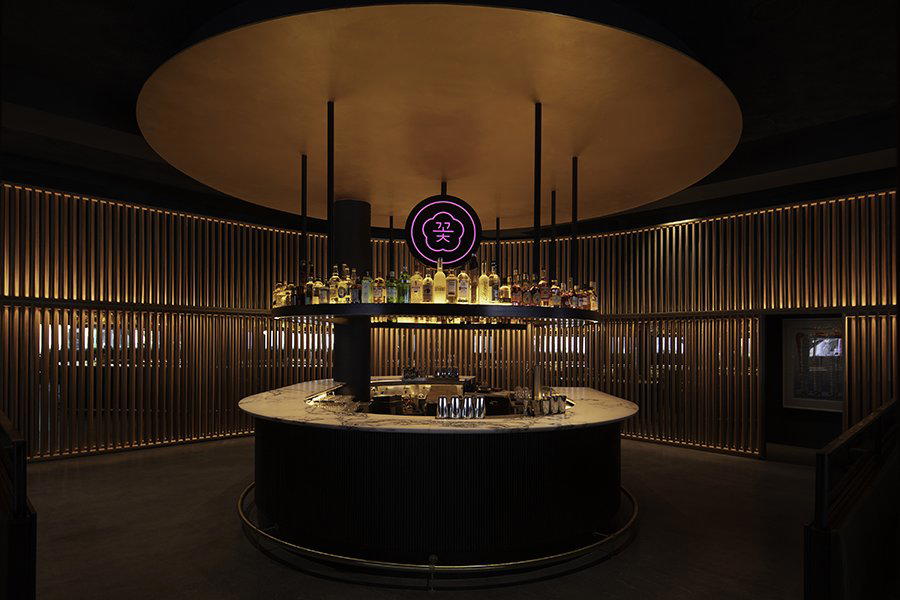
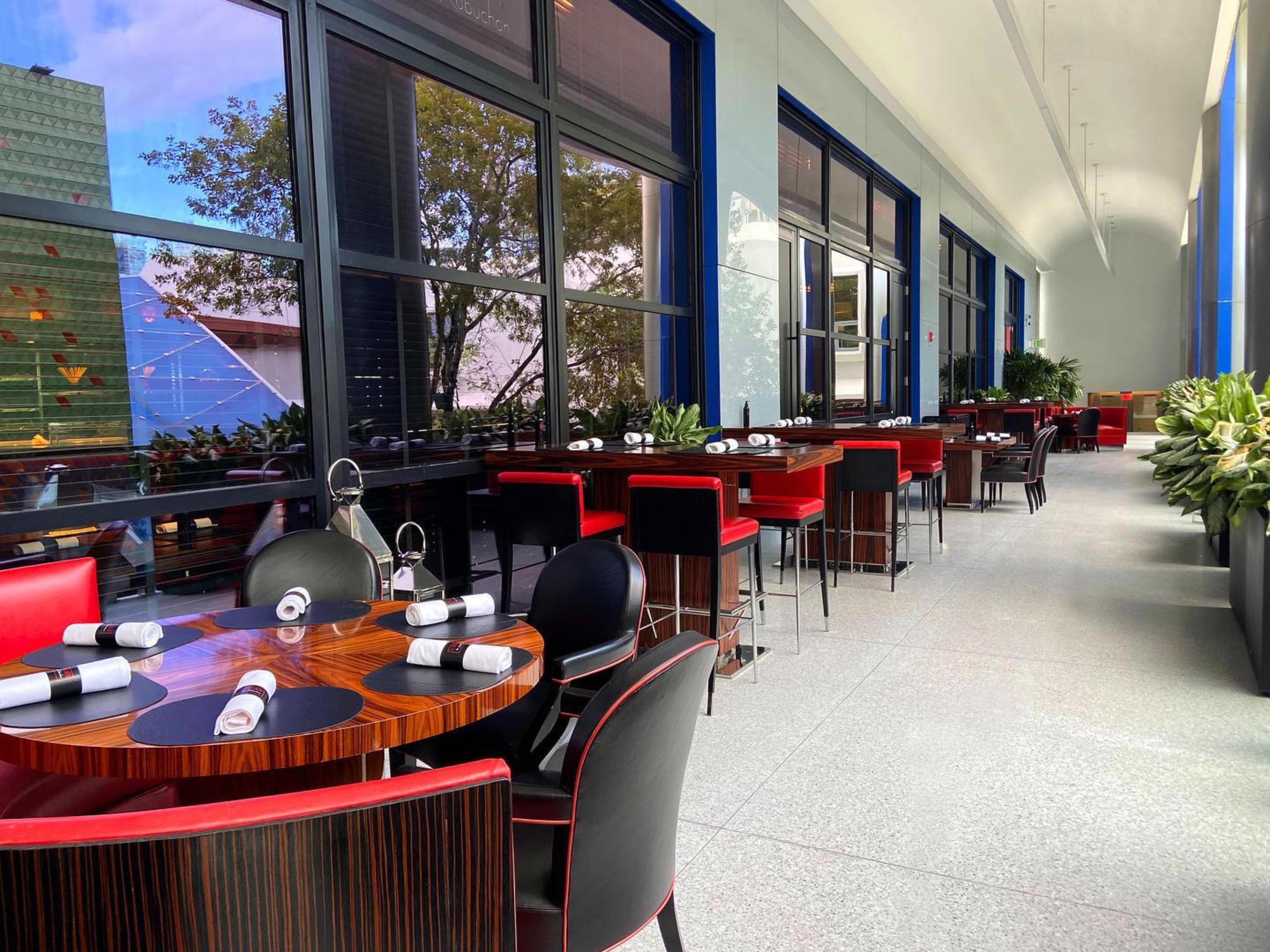
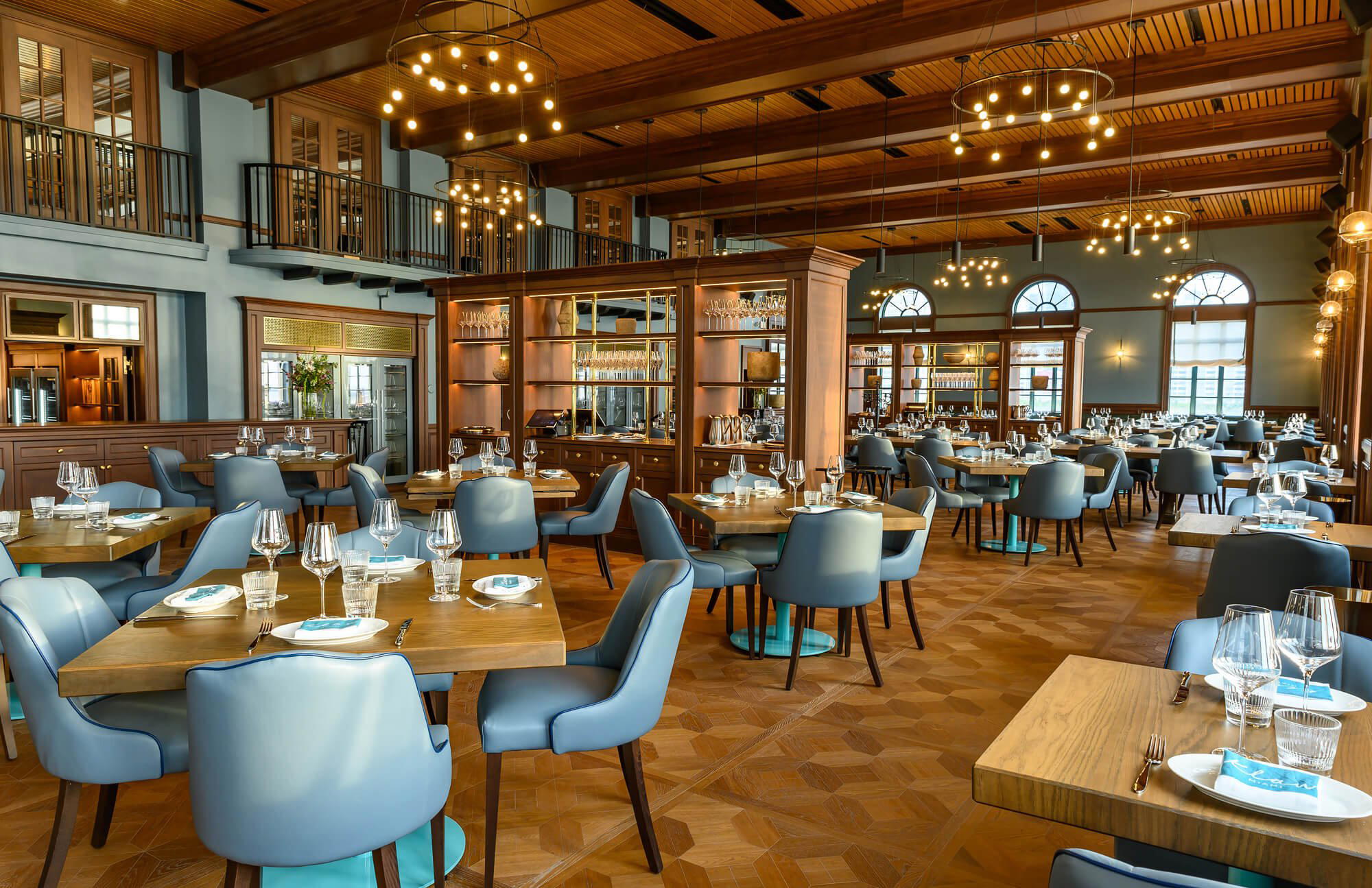
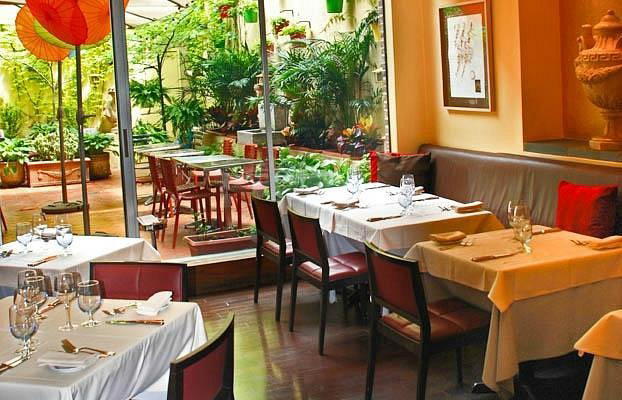
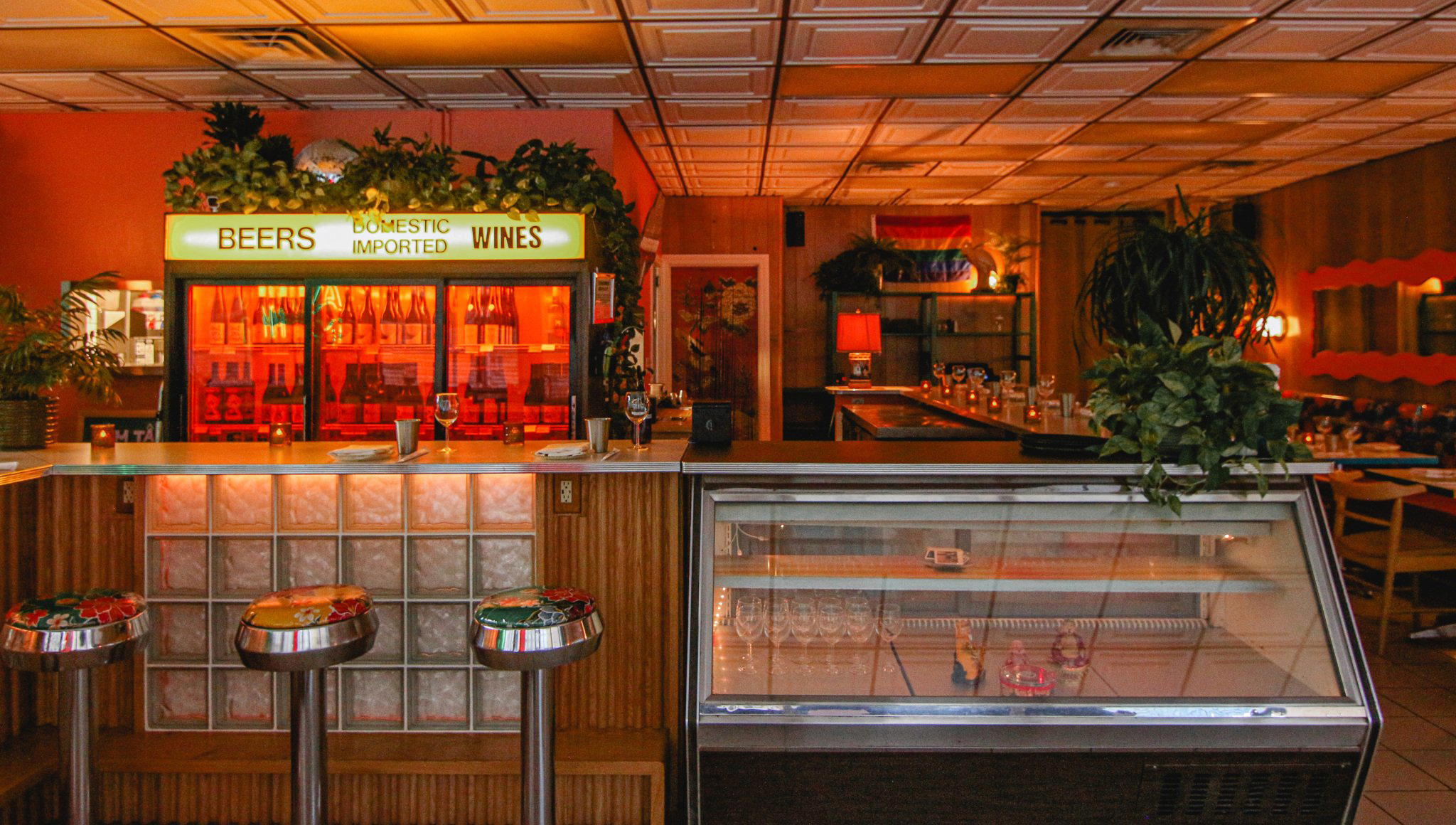
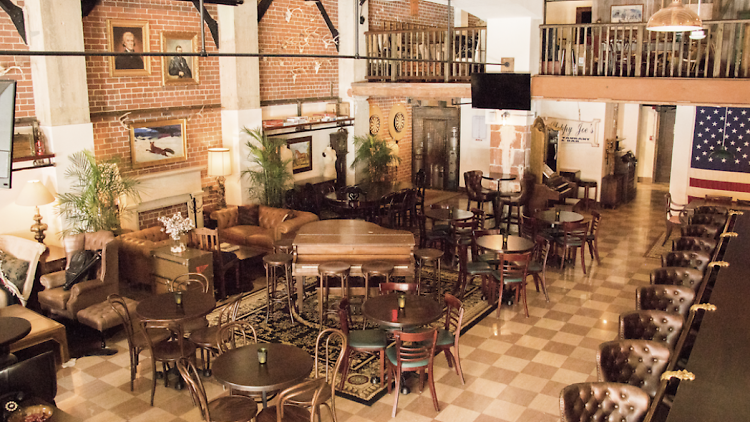
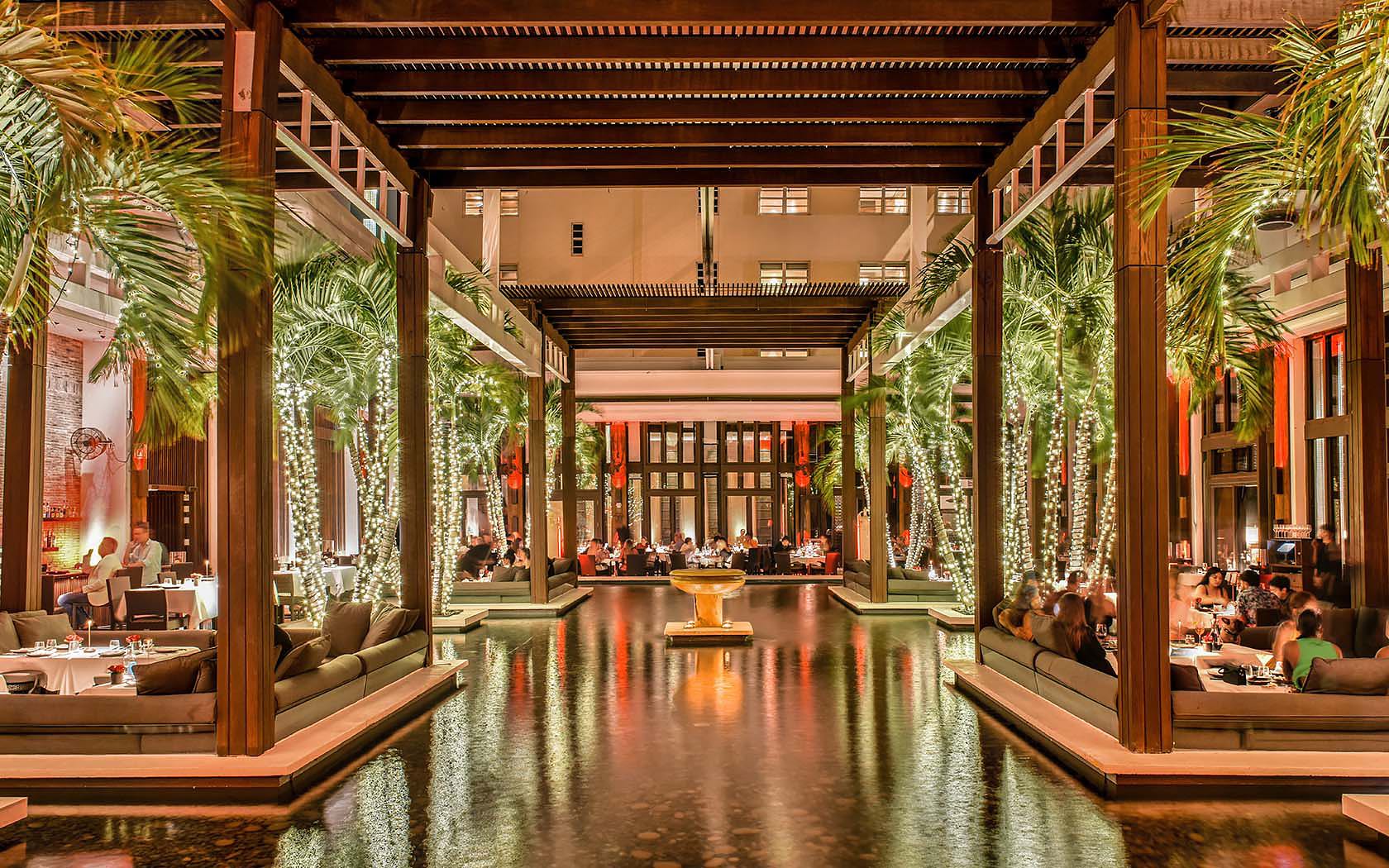
Sleek, modern space with an open wall to the lively Wynwood street scene, offering a casual and energetic atmosphere.