Paperfish Sushi
Paperfish Sushi serves Contemporary Nikkei Sushi at 1421 S Miami Ave, with craft cocktails, sake and an open kitchen for lunch or dinner.
Pearl is the En Primeur Club membership app — saves, bookings, and concierge access live there. Same editors, same standards.
- Address
- 1421 S Miami Ave, Miami, FL 33131
- Phone
- +13057410936
- Website
- paperfishsushi.com
- Directions
- Get directions
 Saves & bookings on Pearl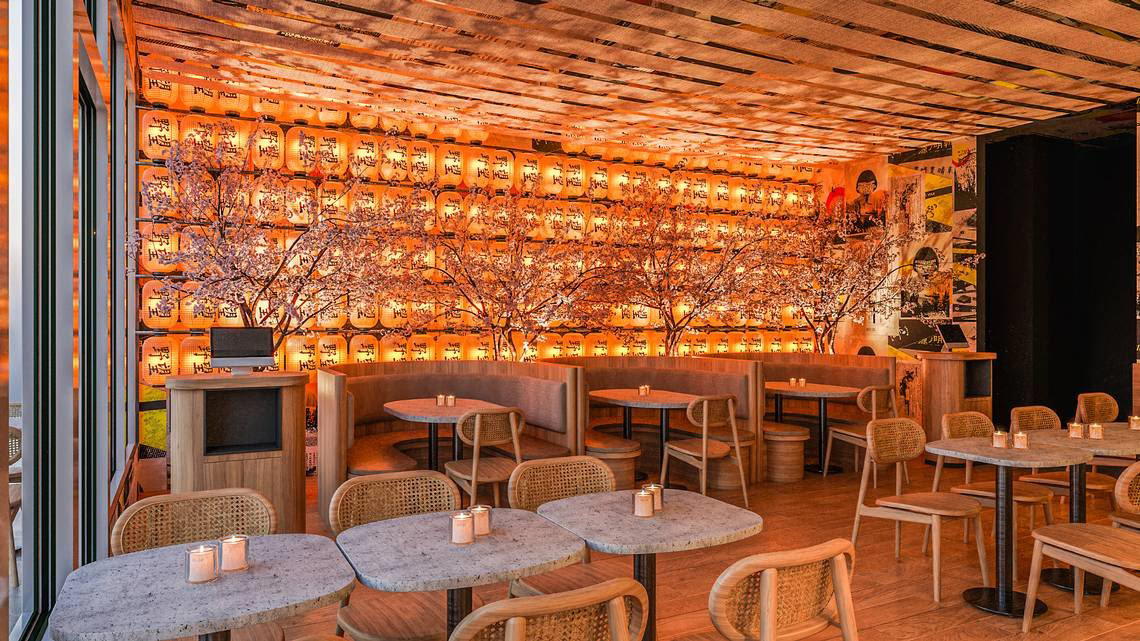
Where Miami's Waterfront Appetite Meets Raw Fish Precision
Brickell has spent the better part of a decade repositioning itself as Miami's most serious dining corridor. The neighbourhood draws a professional crowd that expects the same level of sourcing and technique it would find in New York or Los Angeles, and the sushi market here has responded accordingly.
The address places it in a dense stretch of Brickell where foot traffic arrives with clear expectations. Miami's relationship with raw fish has evolved considerably from the decorative maki rolls that dominated South Beach menus a generation ago. What the city's better sushi counters now offer is tied directly to sourcing geography: which fisheries, which distributors, and how frequently product moves. Those logistical details are what separate one sushi room from another at the same price tier.
Sourcing in a Port City, Why Miami's Position Matters
Miami's position as a transit and import hub gives the city's seafood-forward restaurants a structural advantage that landlocked markets cannot replicate. The Port of Miami handles significant volumes of fresh fish traffic from South America and the Caribbean, and direct air freight from Japanese fish markets is now a standard tool for operators serious about bluefin and seasonal shellfish. In that context, a sushi address in Brickell is not working against geography, it is working with it.
The question that separates the more considered sushi programs in any American city is how far up the supply chain the kitchen reaches. Relationships with specific fishing vessels, preference for line-caught over net-caught product, and attention to the cold chain between market and cutting board are the variables that determine what arrives on a piece of nigiri. These are not visible to most diners, but they register in texture, temperature, and the clarity of flavour that distinguishes fish handled correctly from fish that has been processed through too many intermediaries.
Miami's sushi tier has also been shaped by proximity to Latin American ingredients and techniques, something that venues like ITAMAE have made into a full editorial statement, with Peruvian-Japanese crossover built into the sourcing and preparation logic. That cross-pollination has made Miami's raw fish scene more heterogeneous than comparable markets, which means a direct Japanese-leaning sushi address now occupies a distinct niche rather than a default position.
Brickell's Competitive Set, What Paperfish Is Priced Against
Brickell's restaurant market is not gentle on mid-tier operators. The neighbourhood's dining spending is anchored at the upper end, with addresses like L'Atelier de Joël Robuchon Miami setting the benchmark for format discipline and price expectations. Other serious Miami rooms, including Ariete, Boia De, and Cote Miami, operate in a tier where the sourcing story and kitchen credentials are part of the implicit value exchange with the diner. Sushi falls into the same logic: guests who have eaten at comparable counters in other cities arrive with calibrated reference points.
Nationally, the sushi market has stratified sharply. At one end sit omakase-only counters with eight to twelve seats, multi-month waits, and price points above $300 per person, a format that operations like Le Bernardin in New York City and Providence in Los Angeles helped establish as the benchmark for serious seafood fine dining. At the other end, accessible sushi remains a volume business. The segment in between, a la carte counters with serious sourcing but accessible formats, is where Miami has seen the growth and the competitive pressure.
Reading the Room, Format and Experience Signals
In American sushi, format is itself a signal. An a la carte menu with a full bar suggests a different relationship to the guest than a locked omakase sequence. Neither is superior, but each implies a different sourcing philosophy and pacing. The counter-style experience prioritises the chef-diner relationship and places the kitchen's judgment at the centre; the a la carte format places selection control with the diner and requires the kitchen to execute across a wider range of product simultaneously.
Miami's most-discussed sushi rooms have tended toward the hybrid: a curated selection of nigiri available individually alongside larger format sharing plates that allow groups to move through the menu at their own pace. This structure suits Brickell's dinner crowd, which skews toward business dining and social occasions that benefit from a flexible sequence rather than a fixed tasting timeline.
For a comparative perspective on what format discipline looks like at the highest tier nationally, venues like Atomix in New York City, Alinea in Chicago, and Lazy Bear in San Francisco illustrate how locked tasting formats create a different relationship between sourcing and service. Closer to the agricultural sourcing model, Blue Hill at Stone Barns in Tarrytown and Single Thread Farm in Healdsburg show how ingredient provenance can become the organising principle of an entire dining format. The French Laundry in Napa, Addison in San Diego, The Inn at Little Washington, and Emeril's in New Orleans each represent how deeply sourcing commitments can shape a restaurant's identity over decades. In the international context, 8 1/2 Otto e Mezzo Bombana in Hong Kong demonstrates how ingredient sourcing across borders becomes both a logistical and editorial choice.
What to Know Before You Go
Know Before You Go
- Address: 1421 S Miami Ave, Miami, FL 33131
- Neighbourhood: Brickell, Miami
- Reservations: Booking details not currently confirmed; check the venue directly or via third-party reservation platforms before visiting
- Pricing: Price tier not confirmed; Brickell sushi addresses typically range from $$ to $$$$ depending on format and selection
- Dietary needs: Confirm availability of vegetarian or allergy-specific options directly with the venue ahead of your visit
- Ideal time to visit: Miami's dining scene runs year-round, but Brickell tends to be quieter in the summer months when business travel slows
Just the Basics
Comparable venues nearby, for context on price, style, and recognition.
| Venue | Cuisine | Price | Notes |
|---|---|---|---|
| Paperfish SushiThis venue — the venue you are viewing | Not listed | $$$ | Not listed |
| Nami Nori Design District | Not listed | $$$ | Design District, Modern Japanese Temaki Bar |
| Iko Miami | Not listed | $$$ | Media and Entertainment District, Modern Japanese Fusion |
| Aiko and Mumu | Not listed | $$ | Ocean View Heights, Japanese Sando & Sushi / Asian Fusion Bistro |
| Verde | Downtown, Art-Inspired Modern Fusion | $$$ | Not listed |
| Belly Fish | Not listed | $$ | Coconut Grove, Modern Japanese Sushi and Seafood |
At a Glance
- Trendy
- Sophisticated
- Lively
- Modern
- Date Night
- Group Dining
- Casual Hangout
- Open Kitchen
- Sake Program
- Craft Cocktails
- Street Scene
Current opening hours
- Monday
- 12–10:45 PM
- Tuesday
- 12–10:45 PM
- Wednesday
- 12–10:45 PM
- Thursday
- 12–10:45 PM
- Friday
- 12 PM–12 AM
- Saturday
- 4 PM–12 AM
- Sunday
- 4–9:45 PM
Hours can change for holidays and private events. Last verified .
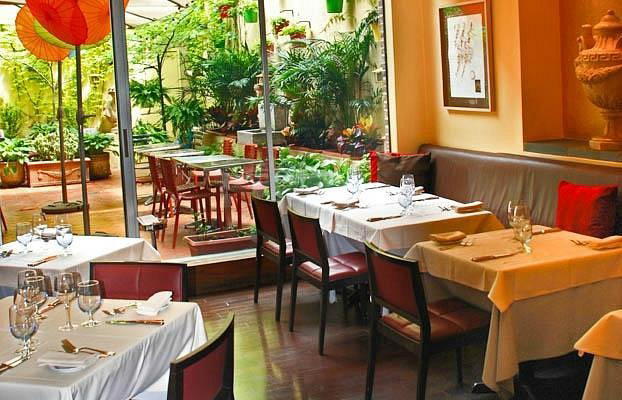
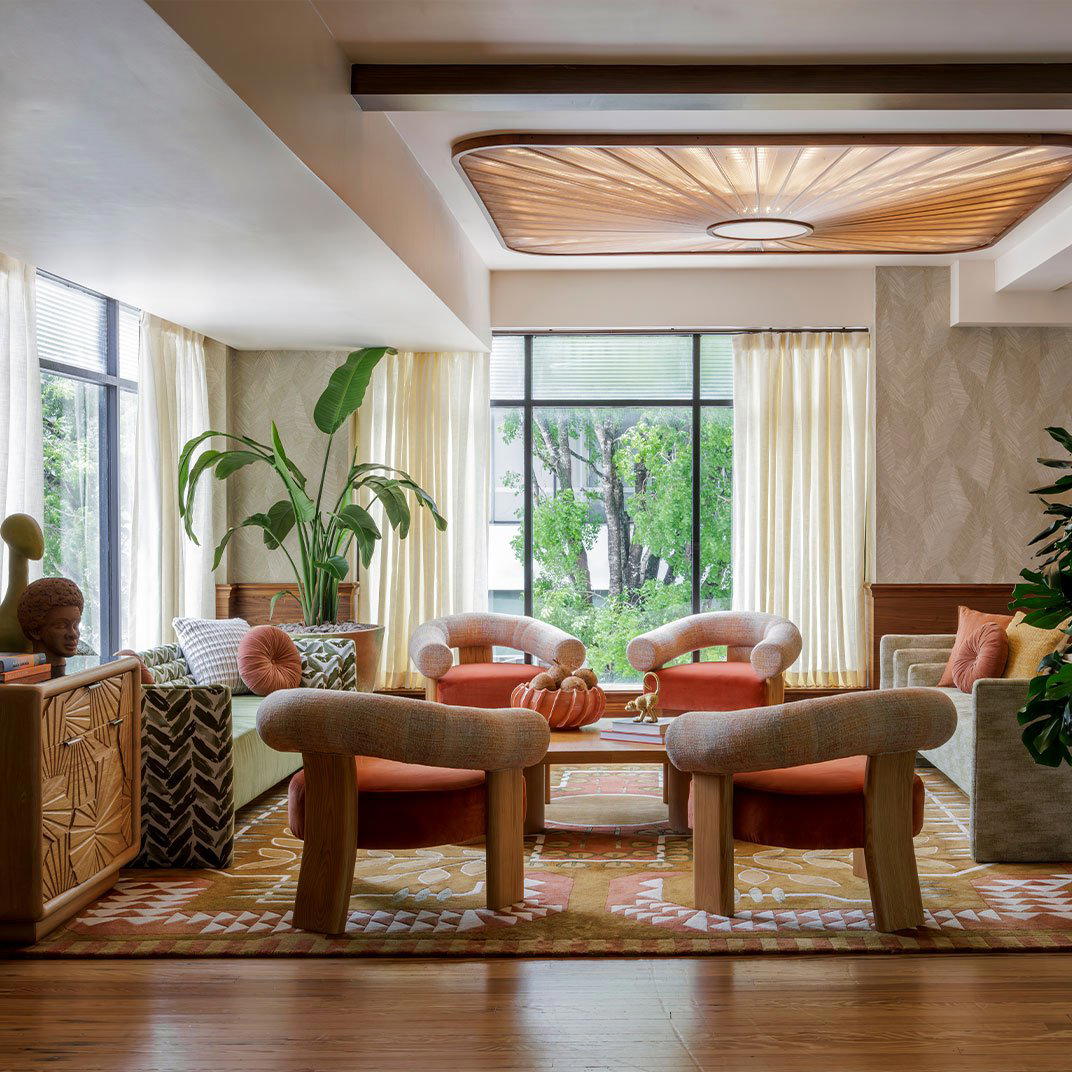
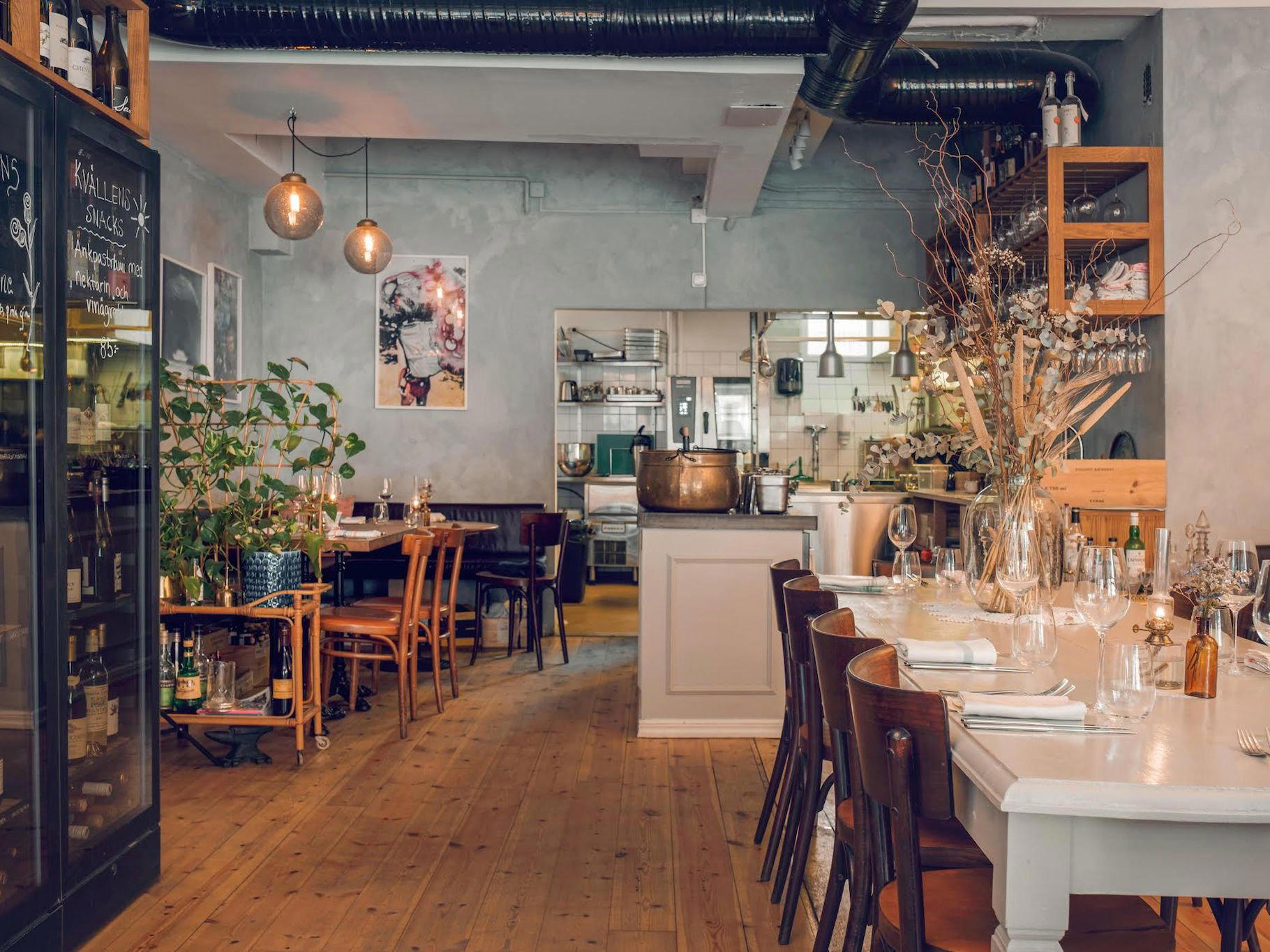
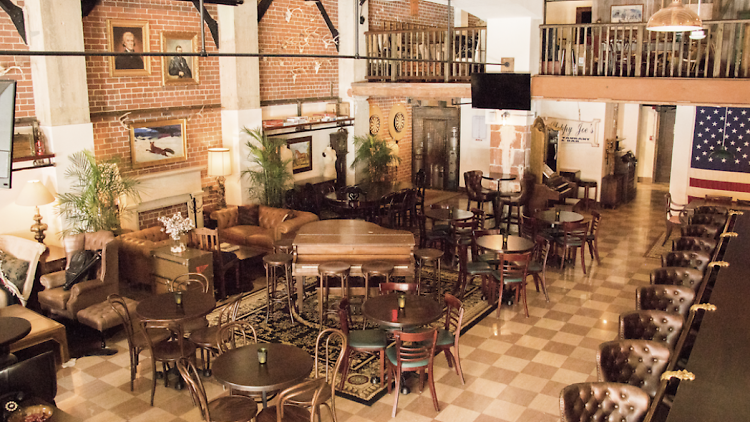
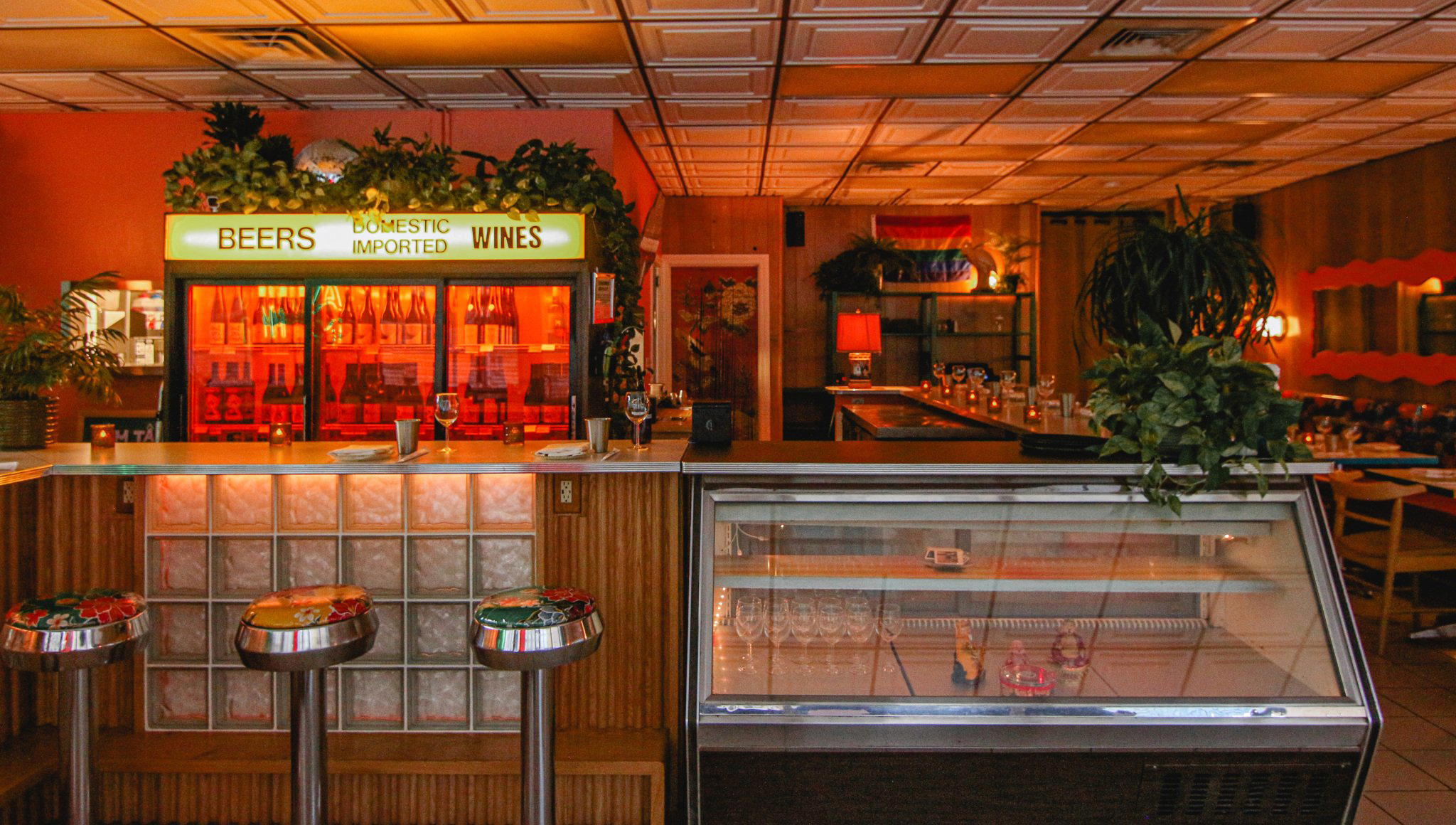
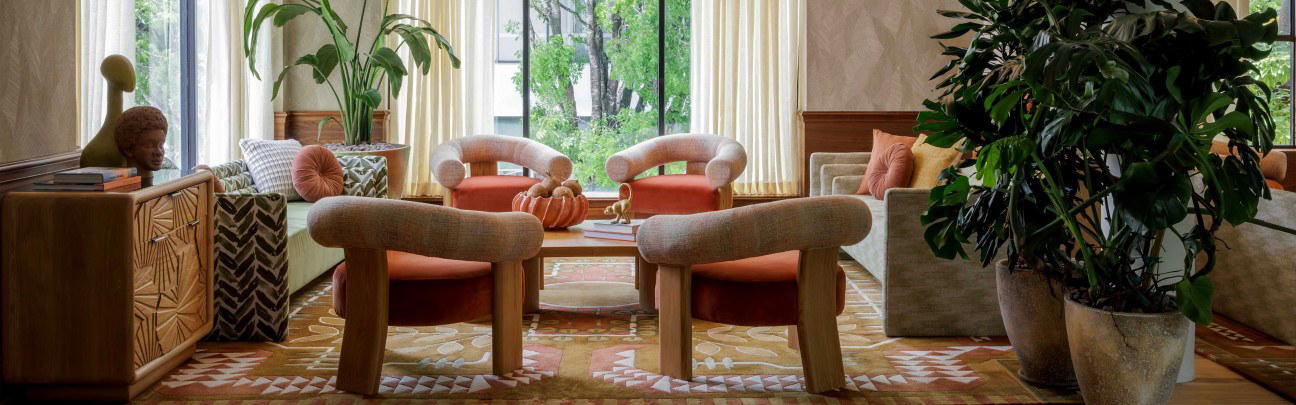
Trendy and sophisticated with romantic photo-friendly interior, soft cherry blossom lighting, and energetic outdoor people-watching.