Sammy's Trattoria
On North Charles Street in Baltimore's Mount Vernon neighborhood, Sammy's Trattoria occupies a position in the city's Italian dining conversation that rewards a closer look. The address places it among a cluster of independently operated restaurants that define the area's character. For those tracing a meal through multiple courses rather than a single dish, the trattoria format here merits attention alongside Baltimore's wider Italian and Mediterranean options.
Pearl is the En Primeur Club membership app — saves, bookings, and concierge access live there. Same editors, same standards.
- Address
- 1200 N Charles St, Baltimore, MD 21201
- Phone
- +14108379999
- Website
- sammystrattoria.com
- Directions
- Get directions
 Saves & bookings on Pearl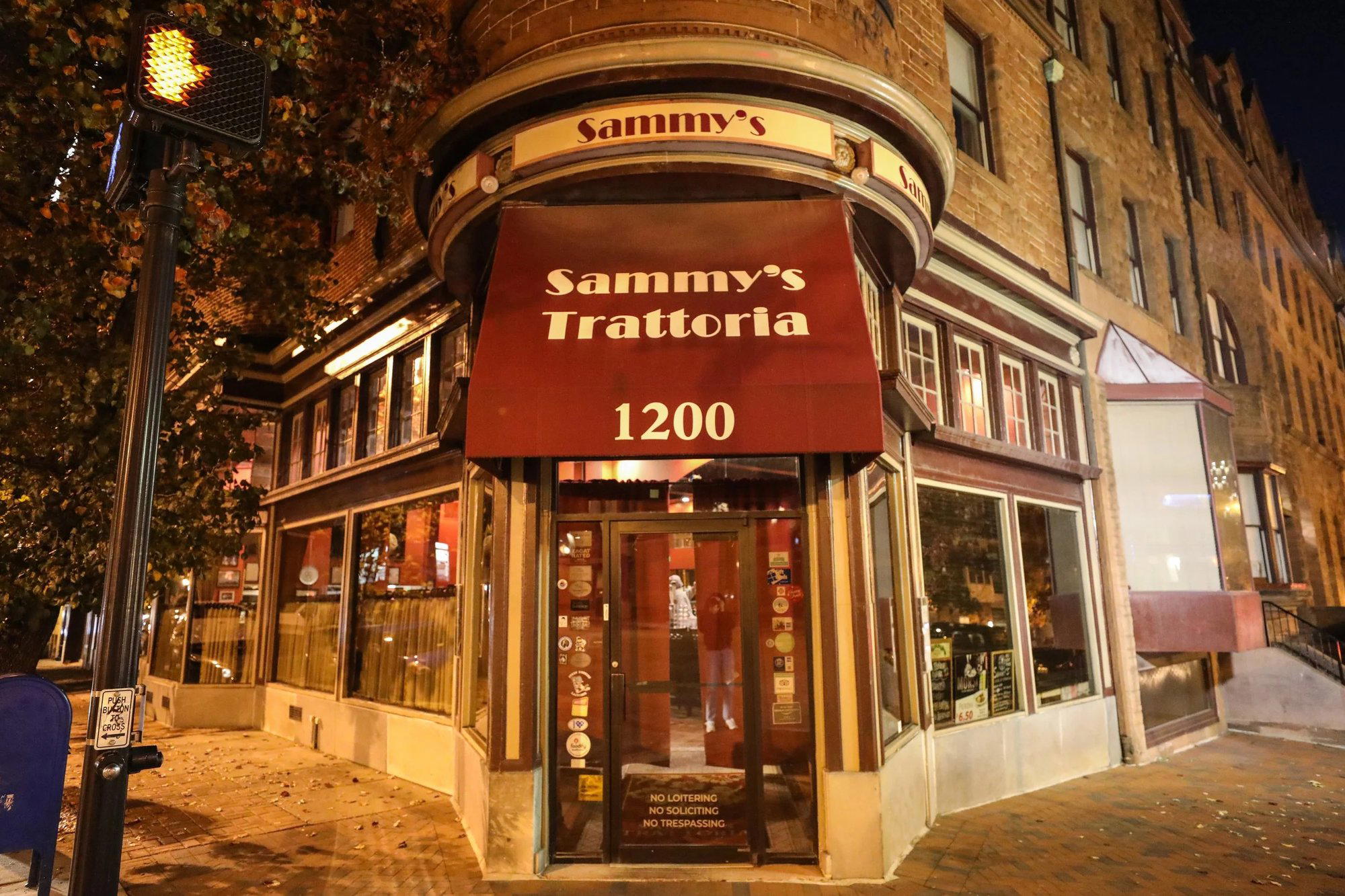
Where North Charles Street Sets the Tone
Mount Vernon, Baltimore's arts-dense corridor anchored by the Washington Monument and a succession of rowhouse facades, has long supported a particular kind of independent restaurant: not the harbor-facing seafood institution, not the Inner Harbor crowd-pleaser, but the neighborhood room that earns its place through repeat visits. Sammy's Trattoria is a Traditional Southern Italian Trattoria in Baltimore, with dinner service Monday through Thursday from 5 to 9 PM, Friday and Saturday from 5 to 10 PM, and Sunday from 5 to 9 PM. Sammy's Trattoria at 1200 N Charles St sits inside that tradition. The address on North Charles positions it within walking distance of the Walters Art Museum and the Peabody Institute, which shapes both the evening foot traffic and the expectation of a certain unhurried pace at the table.
Baltimore's Italian dining scene has never organized itself around a single district the way some cities have. Instead, individual rooms scattered across neighborhoods from Little Italy near the waterfront to Mount Vernon and beyond carry the tradition in fragmented but durable form. Angeli's Pizzeria addresses one end of that spectrum; the trattoria format, multi-course, wine-forward, unhurried, addresses another. Sammy's falls into the latter category, which in Baltimore means operating in a smaller competitive set than the pizzeria tier but a more populated one than the city's fine-dining bracket occupied by places like Cindy Wolf's Charleston.
The Progression Through an Italian Meal
The trattoria format has a structural logic that distinguishes it from both the fast-casual Italian restaurant and the tasting-menu operation. It assumes a reader of the meal who moves through antipasti, a pasta course, a secondo, and a dolce, not necessarily all four every visit, but with the expectation that the kitchen is built to support that arc rather than to optimize for a single category. In Italian dining broadly, this is where the kitchen's depth tends to show: a restaurant that does pasta well but has a thin secondo selection, or vice versa, reveals something about its priorities and its sourcing relationships.
At the antipasti stage of such a progression, the question is how the kitchen sets expectations. Does it lean on charcuterie and preserved items, which demand sourcing acuity rather than daily preparation, or does it build composed plates that show more active kitchen work? For Baltimore diners familiar with the city's other Mediterranean rooms, including the Turkish-influenced cooking at dede (Turkish) or the Indian positioning of Akbar, the Italian antipasto tradition represents a different philosophy of opening a meal: restraint in portion, clarity in flavor, a deliberate refusal to peak too early.
The pasta course is where most trattorie in American cities either distinguish themselves or default to the broadly acceptable. Fresh pasta made in-house versus dried pasta sourced with care is not a binary quality signal, some of Italy's most respected osterie serve dried pasta exclusively, but it does tell you something about where the kitchen has chosen to invest its labor. The secondo, often the least ordered course in American trattorie where diners have been conditioned by portion sizes to stop after pasta, is where the meal either completes its arc or trails off. A kitchen that treats its meat and fish mains with the same attention as its pasta section is operating with a different set of intentions than one that lists them as obligatory placeholders.
This structural thinking about the meal as a progression rather than a collection of dishes is what separates a trattoria from a restaurant that happens to serve Italian food. It also explains why the format remains durable in Baltimore despite the city's competitive dining environment. Diners who want to move through a meal at their own pace, ordering in stages and staying at the table for two hours or more, find fewer satisfying options than those who want a single impressive plate. The trattoria addresses a gap that faster, more dish-focused restaurants leave open.
Baltimore's Dining Context
Baltimore sits in an interesting geographic position for restaurant watching: close enough to Washington, D.C. to draw comparison, distinct enough in its food culture to resist being defined by it. The city's dining scene has produced independently operated rooms with real staying power, 16 On The Park occupies its own niche in that map, alongside newer arrivals that reflect broader national trends in ingredient sourcing and format experimentation.
For Italian dining specifically, Baltimore has a longer institutional memory than its reputation outside Maryland would suggest. The Little Italy neighborhood adjacent to the Inner Harbor has operated continuously for generations, while Mount Vernon and neighboring areas have absorbed newer Italian rooms that position themselves differently: less red-sauce tradition, more regional Italian reference, often with wine programs that take the bottle as seriously as the plate. Sammy's address on North Charles places it in the latter geography rather than the former, which carries implications for both the style of cooking one would expect and the type of evening the room supports.
In the national frame, Italian-American dining has been reassessed over the past decade. The red-sauce tradition, once dismissed by critics influenced by the nouvelle wave, has been rehabilitated by a generation of chefs and writers who recognized its depth and its American-specific evolution. Simultaneously, restaurants serving more regionally specific Italian cooking, not just Northern or Southern Italian in a broad sense, but Emilian, Sicilian, Roman, have carved out space in cities with enough food-literate audiences to support them. Baltimore, with its university and hospital institutions drawing a mobile, well-traveled population, has an audience for both traditions. The trattoria format sits comfortably across that divide: it does not require regional specificity to succeed, but it benefits from one.
Those building a broader Baltimore dining itinerary will find useful comparisons in our full Baltimore restaurants guide, which maps the city's independent dining rooms against each other with more granular detail. For readers whose interest in Italian dining extends to reference points at the far end of the American fine-dining spectrum, the progression-focused format has parallels, though at different price and formality levels, in rooms like Single Thread Farm in Healdsburg or The French Laundry in Napa, where the sequencing of a meal is treated as architecture. Closer in spirit to a trattoria's unpretentious rhythm, the community-table ethos of Lazy Bear in San Francisco shares the conviction that a meal works well when it moves through distinct phases rather than arriving all at once. Nationally recognized Italian-influenced rooms such as Le Bernardin in New York City, Alinea in Chicago, Providence in Los Angeles, Emeril's in New Orleans, Addison in San Diego, Blue Hill at Stone Barns in Tarrytown, The Inn at Little Washington in Washington, Atomix in New York City, and 8 1/2 Otto e Mezzo Bombana (Hong Kong) in Hong Kong each illustrate how seriously a multi-course progression can be taken when a kitchen commits to the logic of the full arc.
Planning Your Visit
Sammy's Trattoria is located at 1200 N Charles St, Baltimore, MD 21201, in Mount Vernon. The neighborhood is accessible by foot from several downtown hotels and by the Baltimore Circulator bus. Reservations are recommended, and the average cost is about $35 per person. Mount Vernon evenings tend to move earlier than Inner Harbor dining, with pre-theater crowds from the Lyric Baltimore and nearby venues filling rooms between 6 and 8 p.m.; arriving outside that window generally means a calmer room.
Cuisine and Recognition
Comparable venues nearby, for context on price, style, and recognition.
| Venue | Cuisine | Price | Notes |
|---|---|---|---|
| Sammy's TrattoriaThis venue — the venue you are viewing | Traditional Southern Italian Trattoria | $$ | Not listed |
| Chiapparelli's | Classic Italian | $$ | Little Italy |
| Birroteca | Modern Rustic Italian Pizza | $$ | Woodberry |
| Sabatino's | Traditional Italian Trattoria | $$ | Little Italy |
| La Maison by Cafe Dear Leon | French Bakery Cafe with Baltimore Twists | $$ | Remington |
| Big Bad Wolf's House of Barbeque | American Barbecue | $$ | Hamilton |
Continue exploring
More in Baltimore
Restaurants in Baltimore
Browse all →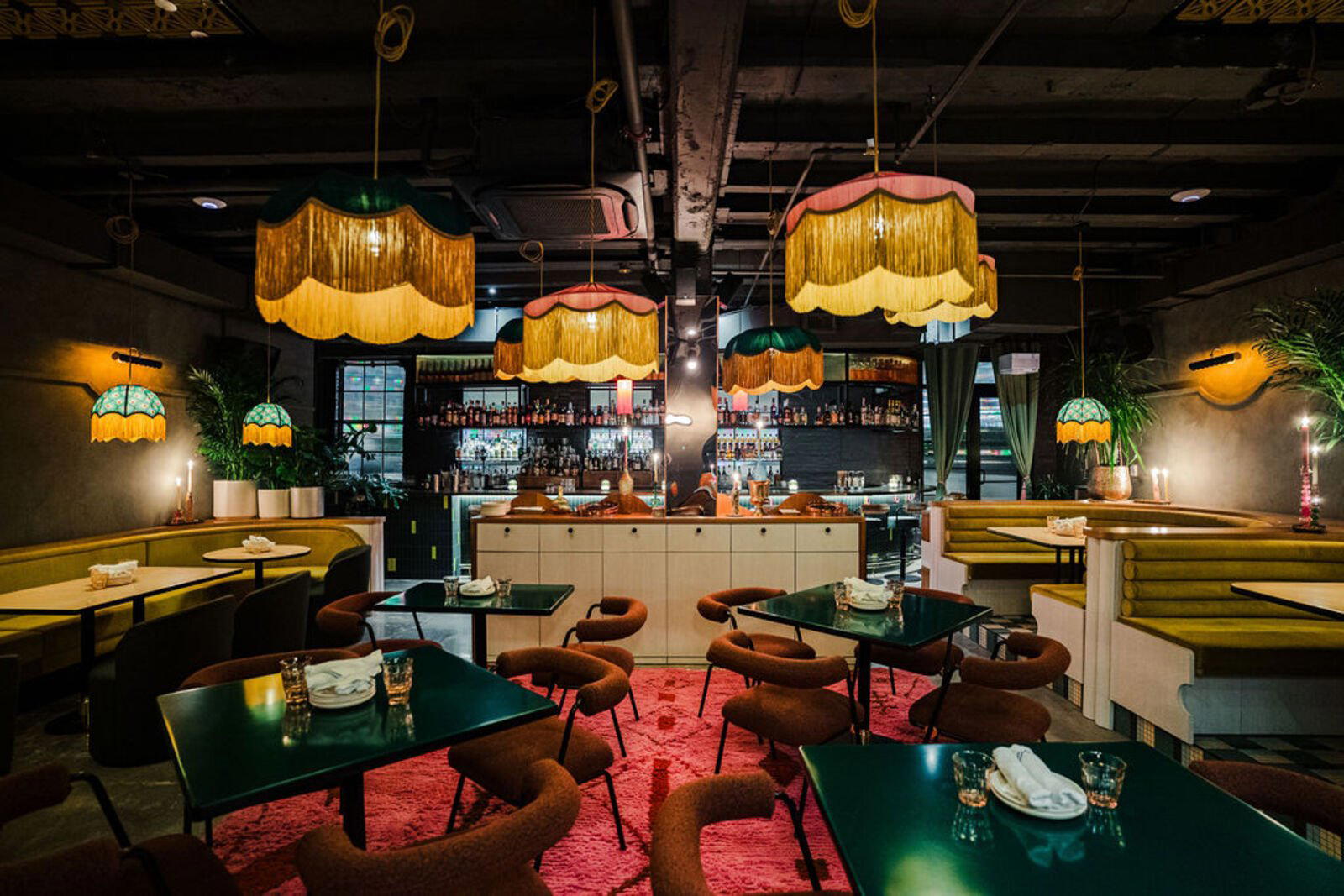
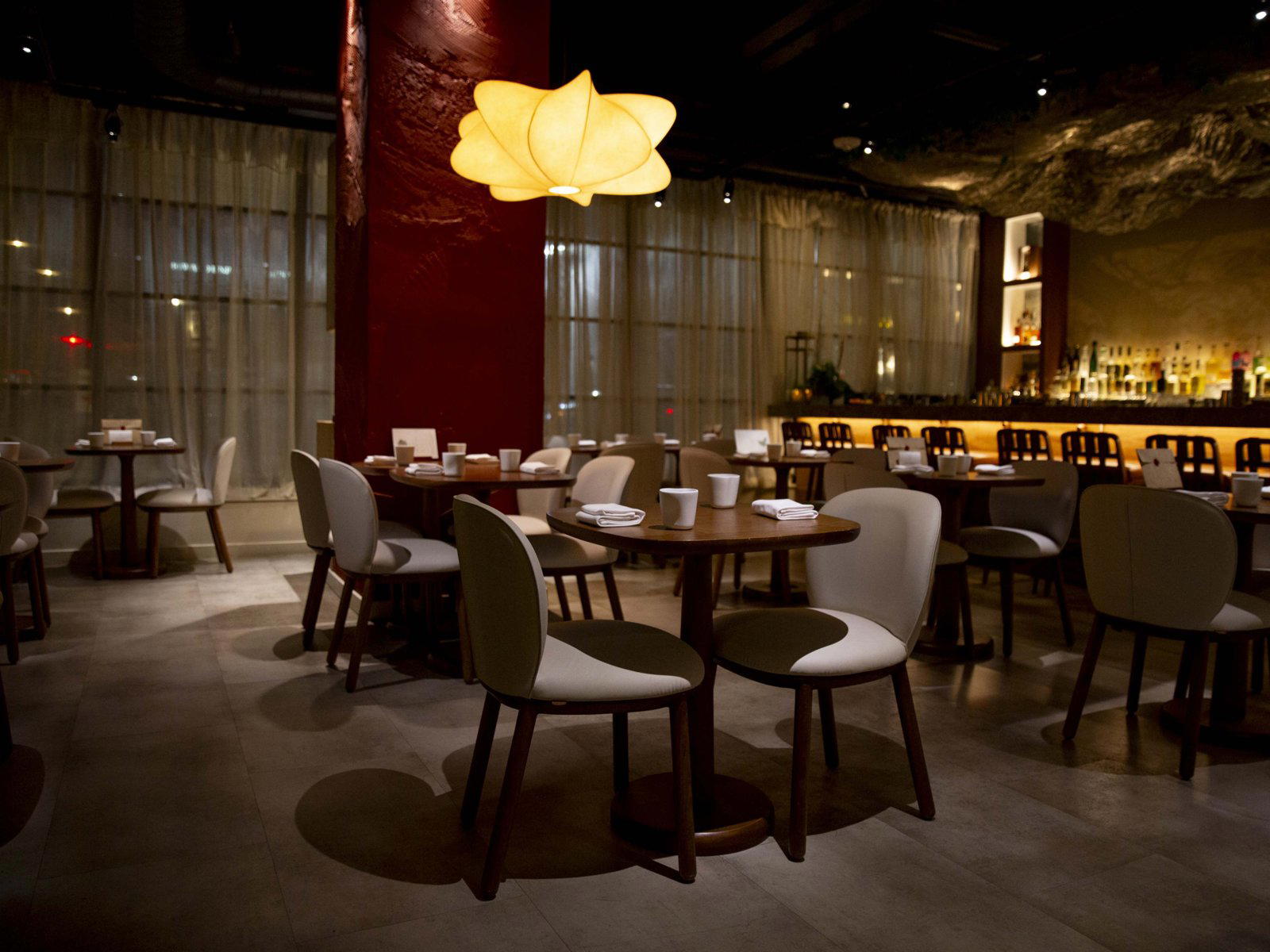
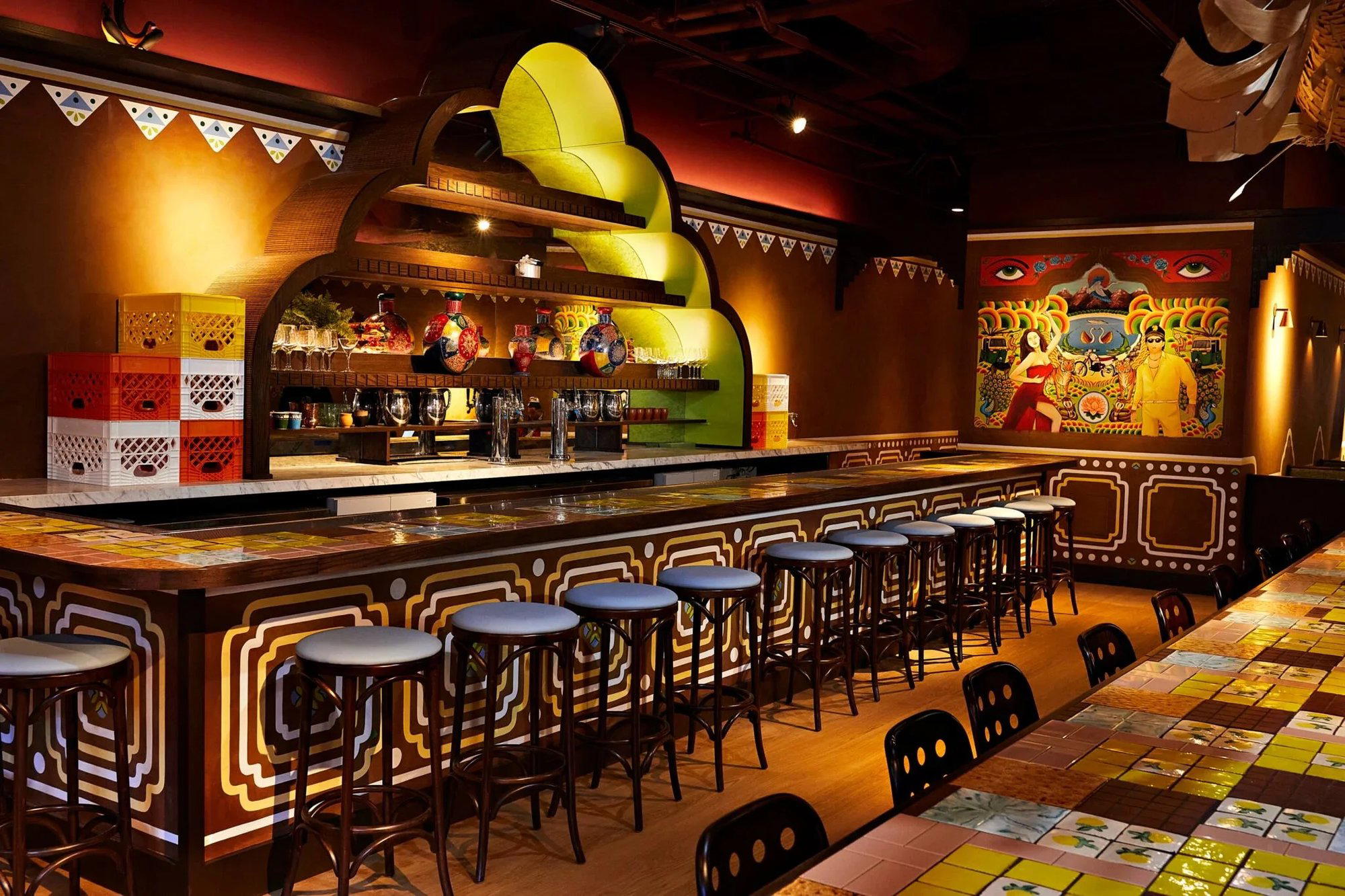
Bars in Baltimore
Browse all →
At a Glance
- Cozy
- Elegant
- Classic
- Group Dining
- Family
- Celebration
- Historic Building
- Extensive Wine List
Current opening hours
- Monday
- 5–9 PM
- Tuesday
- 5–9 PM
- Wednesday
- 5–9 PM
- Thursday
- 5–9 PM
- Friday
- 5–10 PM
- Saturday
- 5–10 PM
- Sunday
- 5–9 PM
Hours can change for holidays and private events. Last verified .
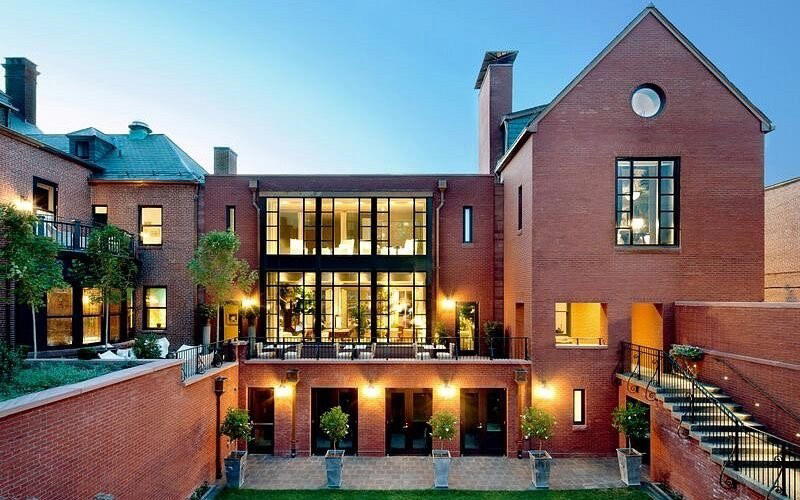
Comfortable yet elegant setting in a stylish space with high vaulted ceilings, cozy and inviting atmosphere.