Moo Arte en Carnes
Moo Arte en Carnes serves classic Argentinian steakhouse cooking at dinner, with Bife de Chorizo, Ojo de Bife Wagyu, and an extensive wine list.
Pearl is the En Primeur Club membership app — saves, bookings, and concierge access live there. Same editors, same standards.
- Address
- 12737 SW 42nd St, Miami, FL 33175
- Phone
- +17865584542
- Website
- moomiami.com
- Directions
- Get directions
 Saves & bookings on Pearl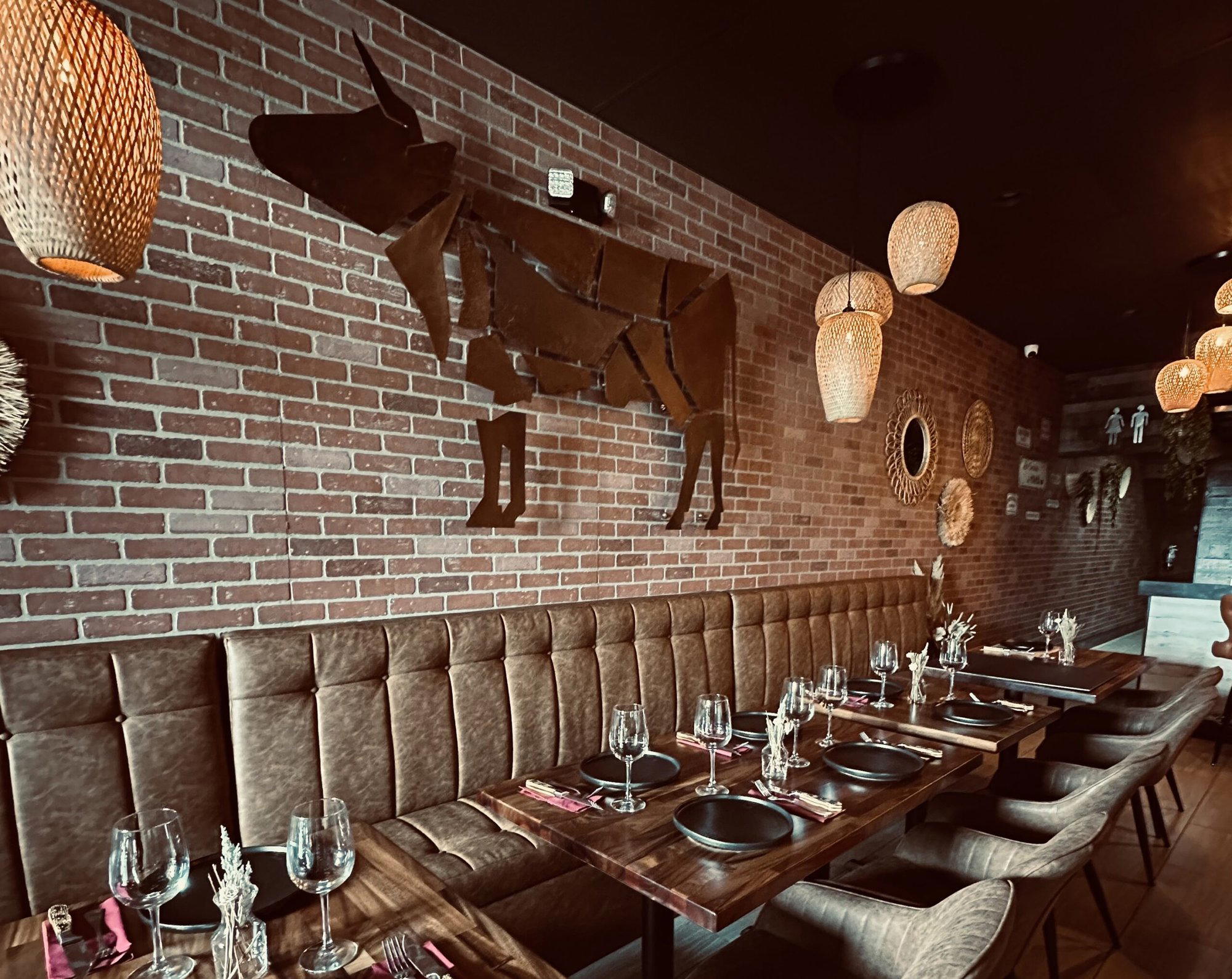
Where SW Miami's Meat Culture Gets Serious
The stretch of SW 42nd Street running through the Westchester and Fontainebleau corridors of Miami sits well outside the usual circuit of Brickell expense accounts and Wynwood opening nights. This is a neighborhood built on Cuban, Nicaraguan, and Colombian commerce, a part of the city where the clientele knows what good beef tastes like and has opinions about it. Moo Arte en Carnes is a Classic Argentinian Steakhouse at 12737 SW 42nd St in Miami, with.
Miami's broader steakhouse scene has fragmented sharply in recent years. On one end sit the theatrical, expense-account rooms of Brickell, Cote Miami, which grafts Korean barbecue onto a fine dining frame, and venues where the check architecture is designed for corporate cards. On the other end, a quieter tier of neighborhood-focused meat restaurants has held ground, drawing regulars who want quality over spectacle. Moo Arte en Carnes positions in that second tier, where the room's character and the kitchen's relationship with protein matter more than Instagram geometry.
The Collaboration Behind the Counter
In rooms like this, mid-scale, neighborhood-anchored, meat-forward, the dynamic between kitchen, floor, and the person managing the beverage program determines whether a restaurant becomes a regular's room or stays a one-visit curiosity. The editorial angle that defines Miami's leading neighborhood dining right now is precisely this: not single-auteur kitchens projecting one cook's vision, but integrated teams where the front-of-house reads the room and the person pouring wine or suggesting a cut knows the product well enough to guide rather than recite. That collaborative floor culture is what separates the local institutions from the transient ones.
Miami's dining scene has enough examples of the latter, high-concept openings with a marquee name and a floor team reading from a script. The more durable neighborhood rooms tend to be where the staff's knowledge is granular: they know which aging process produces which texture, they know when to recommend a sharing format versus individual plates, and they know their regulars by preference. This is the operating model that defines places like Ariete in Coconut Grove, where a tight team has built long-term loyalty through consistency rather than novelty. Boia De operates on a similar principle, a small room where the people serving know the menu well enough to have a point of view.
Meat as the Medium, Not Just the Product
The name itself, "Arte en Carnes," art in meats, signals an intent that goes beyond a simple churrascaria format. Miami's relationship with South American beef culture runs deep: the city has absorbed Argentine, Colombian, and Brazilian meat traditions over decades, and a literate diner here can parse the difference between a pampa-style preparation and a Brazilian rodizio cut with the same ease they might read a French menu in another city. A restaurant leaning into that cultural specificity, on a street where that knowledge is ambient, is working with rather than against its context.
Across the broader American fine dining map, the rooms that have sustained critical attention over the long term, The French Laundry in Napa, Le Bernardin in New York City, Alinea in Chicago, share a commitment to product specificity over generic luxury signaling. At the neighborhood level, that same principle scales down: the rooms that last are the ones where the team can tell you something specific about what is on the plate. For a meat-focused restaurant, that means sourcing transparency, aging knowledge, and a floor team capable of communicating both.
Miami's most attentive meat programs have borrowed from multiple traditions simultaneously. The Argentine influence, open fire, minimal intervention, quality over sauce, has been one strand. The Korean barbecue model, leading represented locally by Cote Miami, has been another, where the guest participates in the cooking process. Then there are the Peruvian-inflected rooms, where protein preparation draws on a longer indigenous tradition, ITAMAE represents that end of the spectrum locally. Moo Arte en Carnes occupies its own position in this ecosystem, drawing on the Latin American beef tradition that is native to the neighborhood it serves.
The Room and When to Visit
SW 42nd Street is not a destination strip in the way that NW 2nd Avenue or the Design District functions. Parking is easier, the pace is different, and the crowd on any given evening is made up of people who live and work nearby rather than visitors working through a list. That changes the room's rhythm. A Friday or Saturday night here reads differently than the same evening at a Brickell steakhouse: more Spanish spoken, more families across multiple generations at larger tables, more comfort with a longer, slower meal. For travelers coming from outside Miami, the address sits roughly in the geographic center of the city, accessible from Coral Gables or the airport corridor without the traffic costs of heading toward the beach.
Seasonally, Miami's restaurant rooms shift in density around the winter months, when snowbird traffic and Art Basel adjacency inflate the city's dining population from November through April. The SW Miami corridor is insulated from that seasonal spike more than the beach or Brickell rooms, a practical advantage for anyone trying to book during high season. The room's regular clientele does not thin in summer the way that beach-facing restaurants do, which means the team and the kitchen operate at a more consistent tempo year-round.
For travelers building a Miami itinerary across different price points and neighborhood contexts, the full picture of what the city's dining scene offers, from the chef-driven rooms of Coconut Grove to the Wynwood creative class, is mapped in our full Miami restaurants guide. For comparison across other American cities with serious meat and neighborhood dining programs, Lazy Bear in San Francisco, Blue Hill at Stone Barns in Tarrytown, Addison in San Diego, Providence in Los Angeles, Single Thread Farm in Healdsburg, Emeril's in New Orleans, The Inn at Little Washington in Washington, Atomix in New York City, and 8 1/2 Otto e Mezzo Bombana in Hong Kong each offer useful reference points for what a committed kitchen-floor partnership produces at different scales. L'Atelier de Joël Robuchon Miami represents the counter end of Miami's fine dining spectrum, useful context for understanding the range of formats operating across the city.
City Peers
Comparable venues nearby, for context on price, style, and recognition.
| Venue | Cuisine | Price | Notes |
|---|---|---|---|
| Moo Arte en CarnesThis venue — the venue you are viewing | Classic Argentinian Steakhouse | $$$ | Not listed |
| Graziano's | Argentine Steakhouse | $$ | Westwood Lake |
| Hereford Grill | Modern Argentine Steakhouse | $$$$ | Flagami |
| Nusr-Et Steakhouse | Turkish Steakhouse with Wagyu & Chargrill | $$$ | Miami Financial District |
| Wolfgang's Steakhouse | Classic Dry-Aged Steakhouse | $$$$ | Port of Miami |
| La Cabrera Coconut Grove | Argentine Steakhouse | $$$$ | Coconut Grove |
At a Glance
- Elegant
- Sophisticated
- Classic
- Date Night
- Celebration
- Group Dining
- Open Kitchen
- Extensive Wine List
Current opening hours
- Monday
- Closed
- Tuesday
- 5–10:30 PM
- Wednesday
- 5–10:30 PM
- Thursday
- 12–10:30 PM
- Friday
- 12–11 PM
- Saturday
- 12–11 PM
- Sunday
- 12–11 PM
Hours can change for holidays and private events. Last verified .
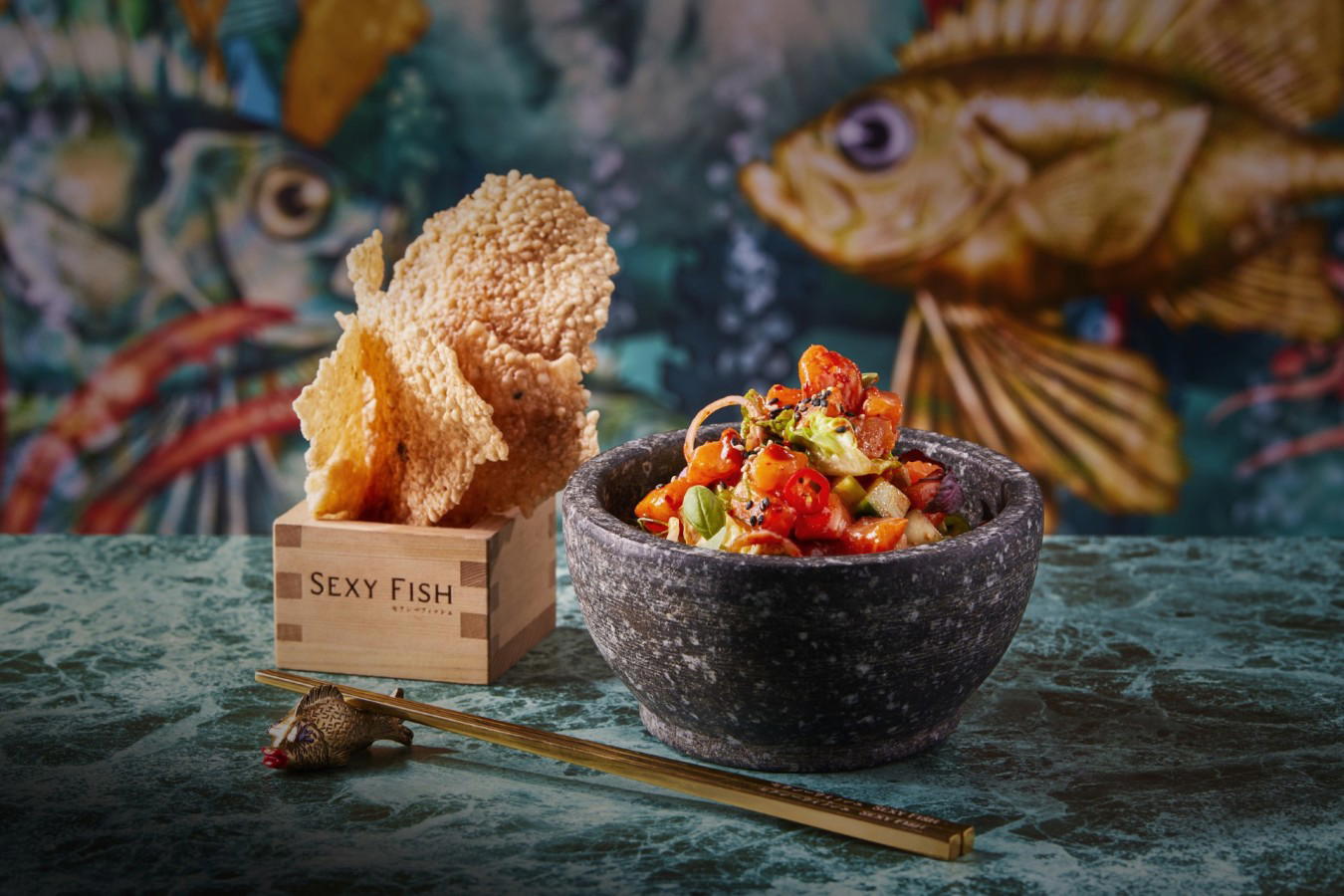
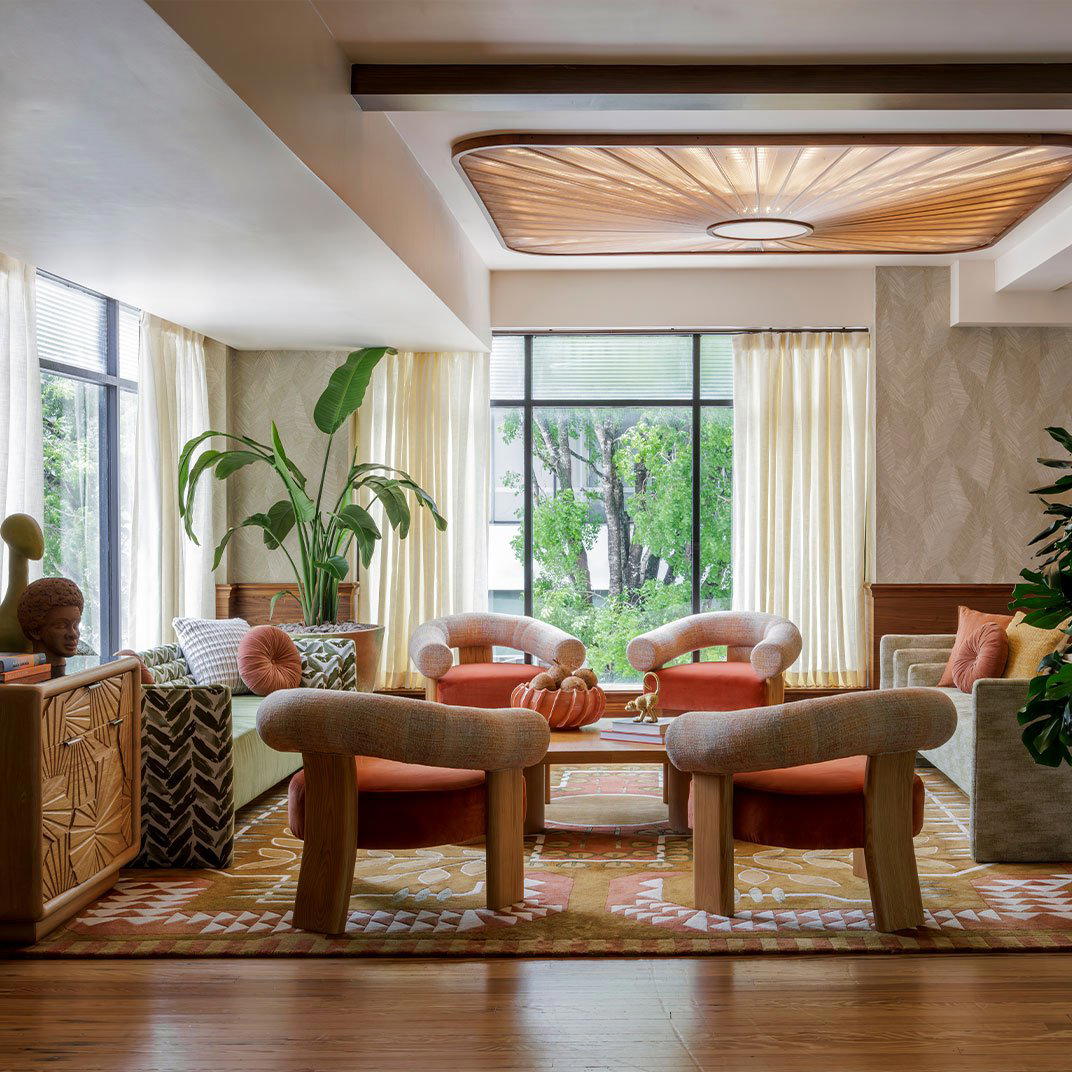
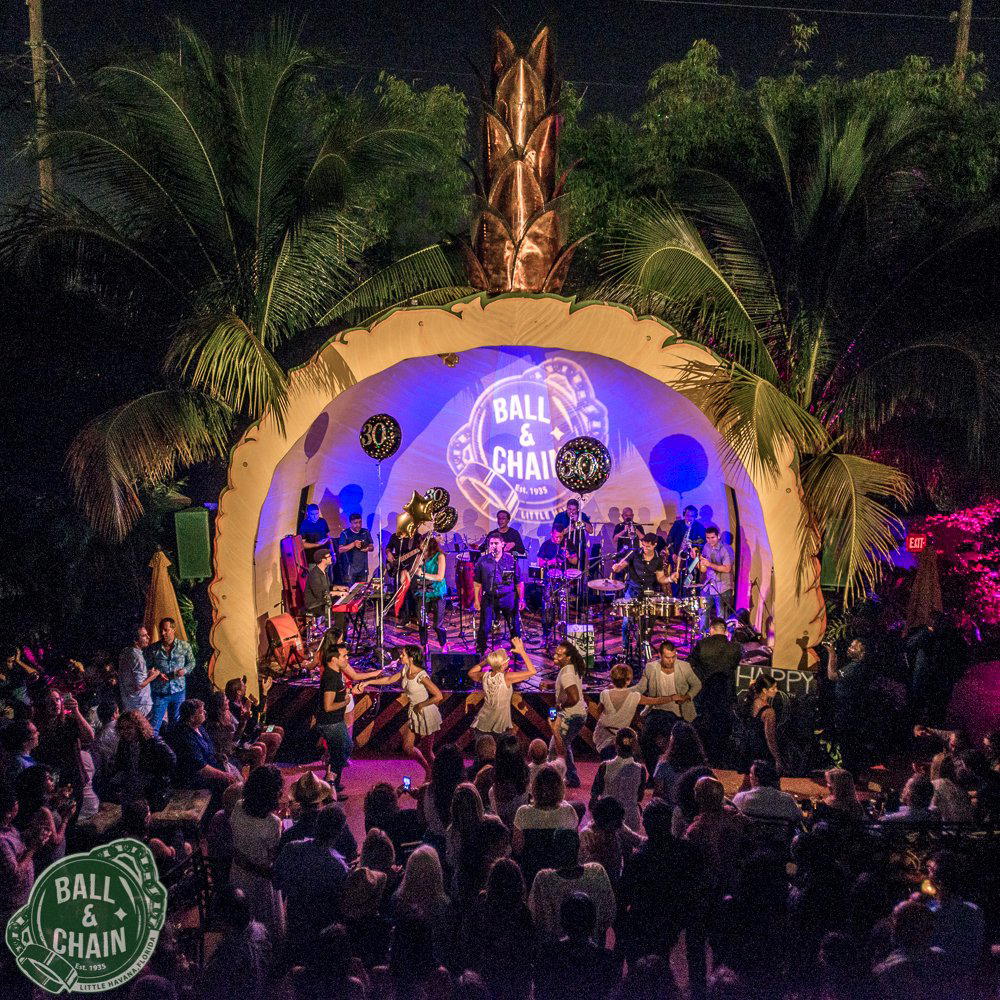
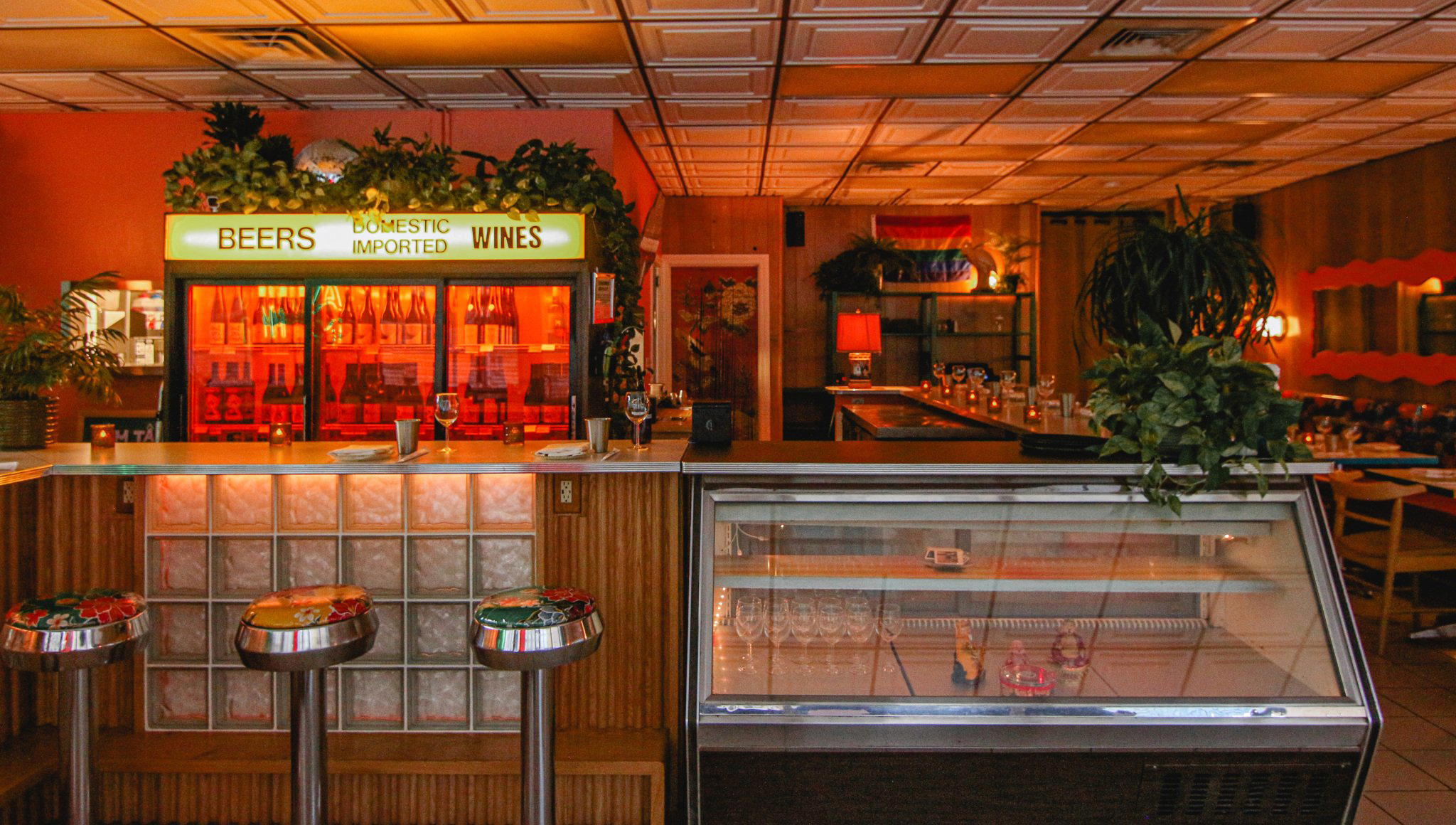
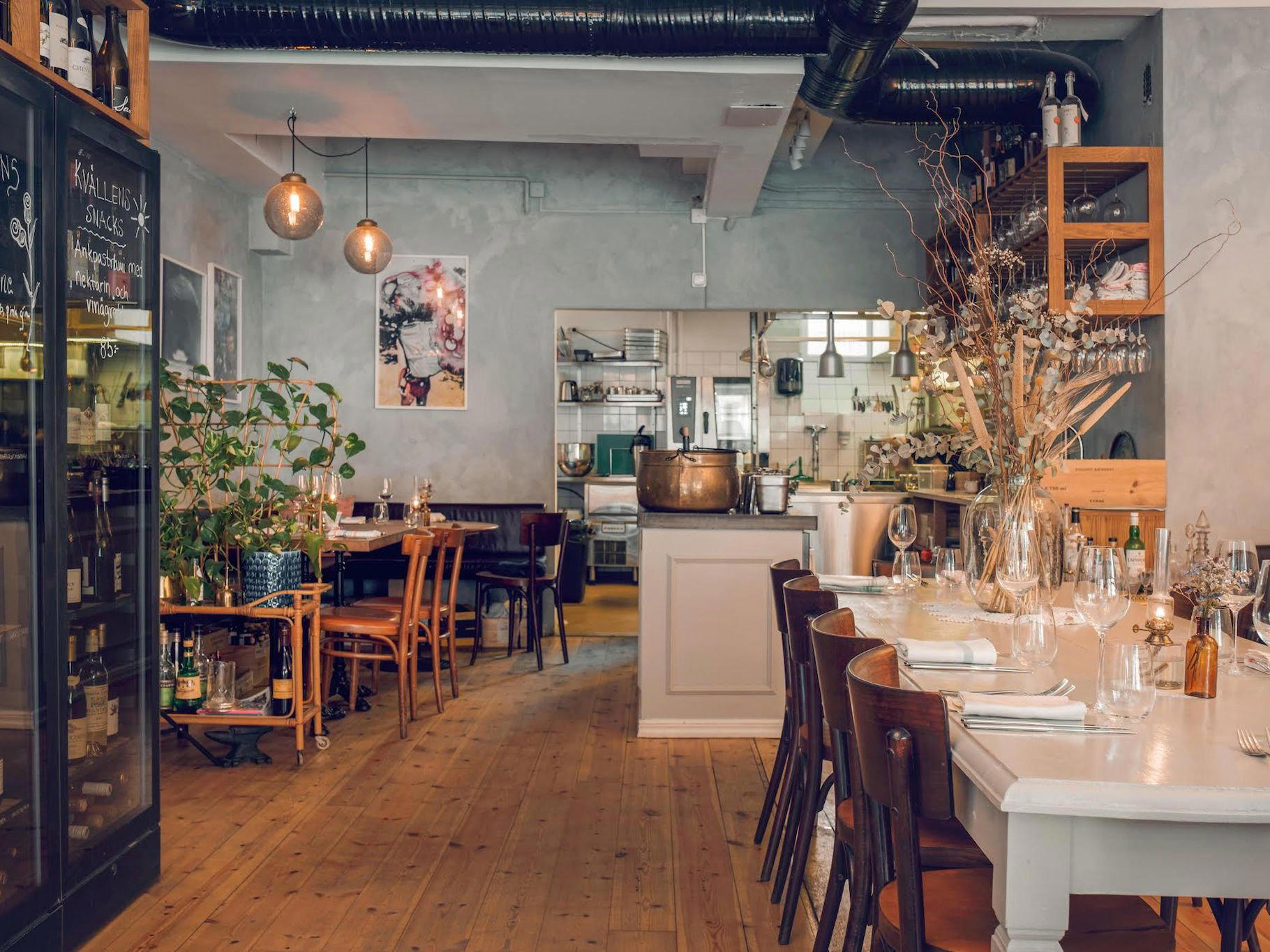
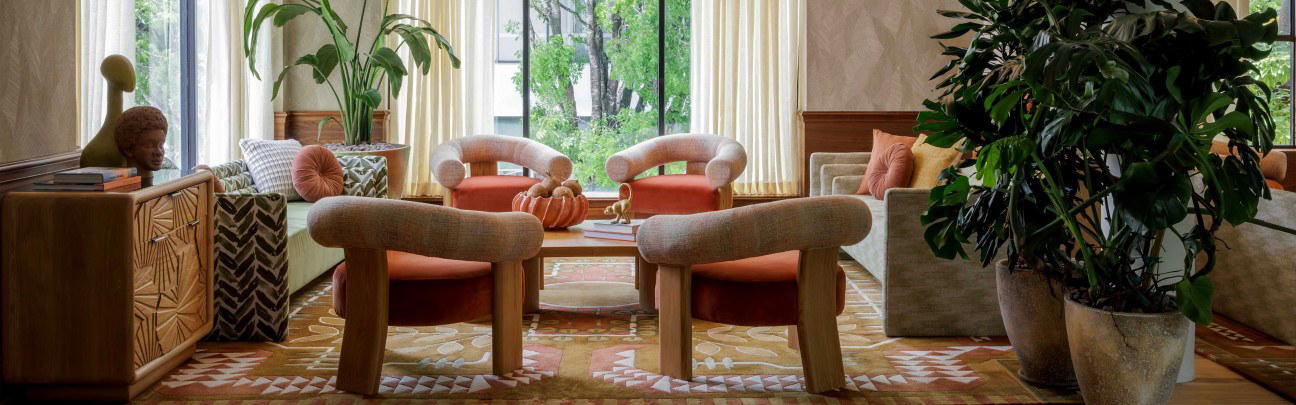
Elegant and lively dining atmosphere with moderate noise levels, ideal for celebrations.