Gaucho Ranch Grill and Wines
A gaucho-style grill and wine destination at 8303 NE 2nd Ave in Miami's Upper East Side, Gaucho Ranch sits in the same neighbourhood tier as the city's neighbourhood-driven dining rooms rather than its downtown event venues. The format centres on fire-based cooking and South American wine, placing it in a comparable set that includes Los Fuegos by Francis Mallmann rather than the Korean steakhouse circuit anchored by Cote Miami.
Pearl is the En Primeur Club membership app — saves, bookings, and concierge access live there. Same editors, same standards.
- Address
- 8303 NE 2nd Ave, Miami, FL 33138
- Phone
- +17865587092
- Website
- gauchoranchgrill.com
- Directions
- Get directions
 Saves & bookings on Pearl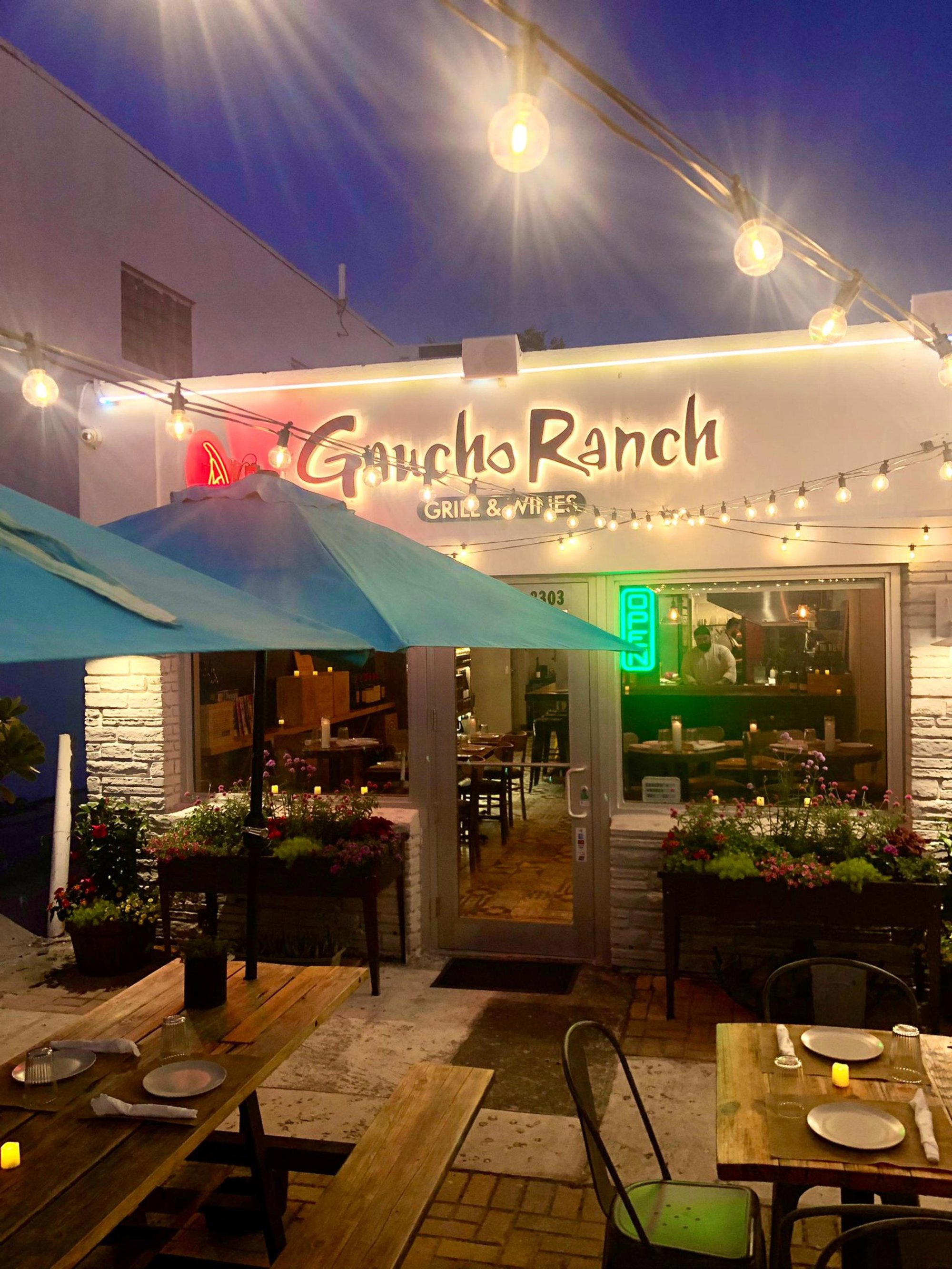
Fire, Wine, and the Upper East Side's Quieter Dining Register
Miami's Upper East Side occupies a different register from the Wynwood gallery crowd and the Brickell expense-account circuit. The neighbourhood along NE 2nd Ave has developed a dining character that rewards return visits rather than first-impression spectacle: smaller rooms, tighter wine lists, and cooking formats that trace back to specific regional traditions rather than trend cycles. Gaucho Ranch Grill and Wines is an Argentinian Wood-Fire Grill in Miami, at 8303 NE 2nd Ave. Its name signals the two commitments that define its position in the local scene: open-fire grilling in the gaucho tradition, and a wine program built around the South American producers that tradition demands.
In Miami's broader steakhouse and grill category, that positioning is more specific than it first appears. The city has a well-established Korean steakhouse tier, anchored by venues like Cote Miami, where tableside interaction and marbling grades are the selling points. It has a high-end Argentinian fire tradition represented at the $$$$-tier by Los Fuegos by Francis Mallmann. Gaucho Ranch sits at a neighbourhood scale between those poles, where the cooking method is as much the point as the cut, and where the wine list functions as editorial commentary on the food rather than a prestige add-on.
Lunch and Dinner: Two Different Conversations with Fire
The lunch-versus-dinner divide at fire-driven restaurants in Miami tends to be more pronounced than at tasting-menu rooms or contemporary American kitchens. At midday, the grill format speaks a practical language: direct cuts, shorter rests, lighter accompaniments, and a wine selection that pairs with the heat rather than the hour. The evening service allows the fire more time to accumulate character, and the dining room can settle into a slower tempo that the South American gaucho tradition was always built around, long meals, multiple passes, wine that keeps pace.
That divide matters for how you approach Gaucho Ranch. Lunch at a neighbourhood grill of this type in Miami tends to draw a local professional crowd less interested in the full theatrical arc of fire cooking and more interested in a well-executed main and a glass of Malbec or Torrontés. Dinner allows the restaurant to function at the register its name implies: the gaucho as host, the fire as protagonist, the wine as the long conversation that runs alongside the meal. Readers approaching comparable neighbourhood-scale grill rooms in Miami, including Ariete in Coconut Grove, will recognise this pattern: the room changes personality when the service shifts.
For those with flexibility, the evening visit at a gaucho-format restaurant is the one that justifies the category. South American fire cooking was never designed for the abbreviated midday window. The traditions it draws on, patagonian asado, the wood-fire disciplines of Uruguay and Argentina, assume a pace that lunch rarely permits in an American urban context. That said, a lunch visit to Gaucho Ranch is not a compromise if you're after the neighbourhood character of the Upper East Side at a lower ambient pressure than dinner brings.
South American Fire in a City That Knows Its Grills
Miami's relationship with South American cooking is long and specific. The city's Cuban and Colombian communities have kept open-fire and rotisserie traditions alive at street level for decades. The more recent wave of Peruvian restaurants, led by venues like ITAMAE, has deepened the city's appetite for South American culinary frameworks that go beyond the ceviche-and-causas shorthand. Against that background, a gaucho grill format is not an exotic proposition in Miami, it's a local argument about which version of South American fire cooking deserves a permanent place on the Upper East Side.
The wine dimension is the other half of that argument. Gaucho-style restaurants that take their wine programs seriously tend to anchor the list in Argentine and Uruguayan producers, with particular depth in Mendoza Malbec, Salta Torrontés, and the Tannat-driven wines of Uruguay's Canelones region. These are not wines that appear frequently on the lists at Miami's French-influenced fine dining rooms. L'Atelier de Joël Robuchon Miami operates in an entirely different register, European-trained, Bordeaux-weighted, destination-priced. Gaucho Ranch's wine identity, by contrast, is regional and specific in a way that reflects genuine commitment to the gaucho tradition rather than a South American accent on a generic international list.
Neighbourhood Placement and the Upper East Side Dining Pattern
The Upper East Side's NE 2nd Ave corridor has attracted restaurants that function as neighbourhood anchors rather than destination draws. This is Miami's equivalent of the neighbourhood dining rooms that define cities with stronger local food cultures: the kind of place that appears on a regular rotation for residents rather than on a first-trip itinerary. That positioning places Gaucho Ranch in a different competitive conversation than the Wynwood or Design District venues that target out-of-town visitors with a premium first-impression format.
For context on how neighbourhood-scale cooking and destination-level ambition coexist in the same city, Boia De in the Little Haiti area offers a Miami parallel: a small room, a specific regional commitment (Italian), and a wine list that functions as a point of view rather than a revenue stream. Gaucho Ranch's gaucho framework operates with similar logic, even though the cuisines and wine traditions are distinct.
For those interested in how fire-driven cooking operates at the far end of the ambition spectrum, Blue Hill at Stone Barns and Single Thread Farm in Healdsburg represent the farm-to-fire end of the American spectrum, while The French Laundry in Napa and Providence in Los Angeles anchor the West Coast fine dining comparisons for readers calibrating their expectations across different formats.
Just the Basics
Comparable venues nearby, for context on price, style, and recognition.
| Venue | Cuisine | Price | Notes |
|---|---|---|---|
| Gaucho Ranch Grill and WinesThis venue — the venue you are viewing | Not listed | $$$ | Not listed |
| Nusr-Et Steakhouse | Not listed | $$$ | Miami Financial District, Turkish Steakhouse with Wagyu & Chargrill |
| El Toro Loco Steakhouse Tamiami | Sweetwater, Brazilian Steakhouse | $$$ | Not listed |
| La Wagyeria | Not listed | $$$$ | MiMo Biscayne Boulevard, American Wagyu Steakhouse |
| Moo Arte en Carnes | Not listed | $$$ | Westwood Lake, Classic Argentinian Steakhouse |
| Bourbon Steak, Miami by Michael Mina | Aventura, Modern American Steakhouse | $$$$ | Not listed |


At a Glance
- Cozy
- Rustic
- Intimate
- Date Night
- Open Kitchen
- Extensive Wine List
- Local Sourcing
Current opening hours
- Monday
- 12–10 PM
- Tuesday
- 12–10 PM
- Wednesday
- 12–10 PM
- Thursday
- 12–10 PM
- Friday
- 12–10:30 PM
- Saturday
- 12–10:30 PM
- Sunday
- 12–10 PM
Hours can change for holidays and private events. Last verified .
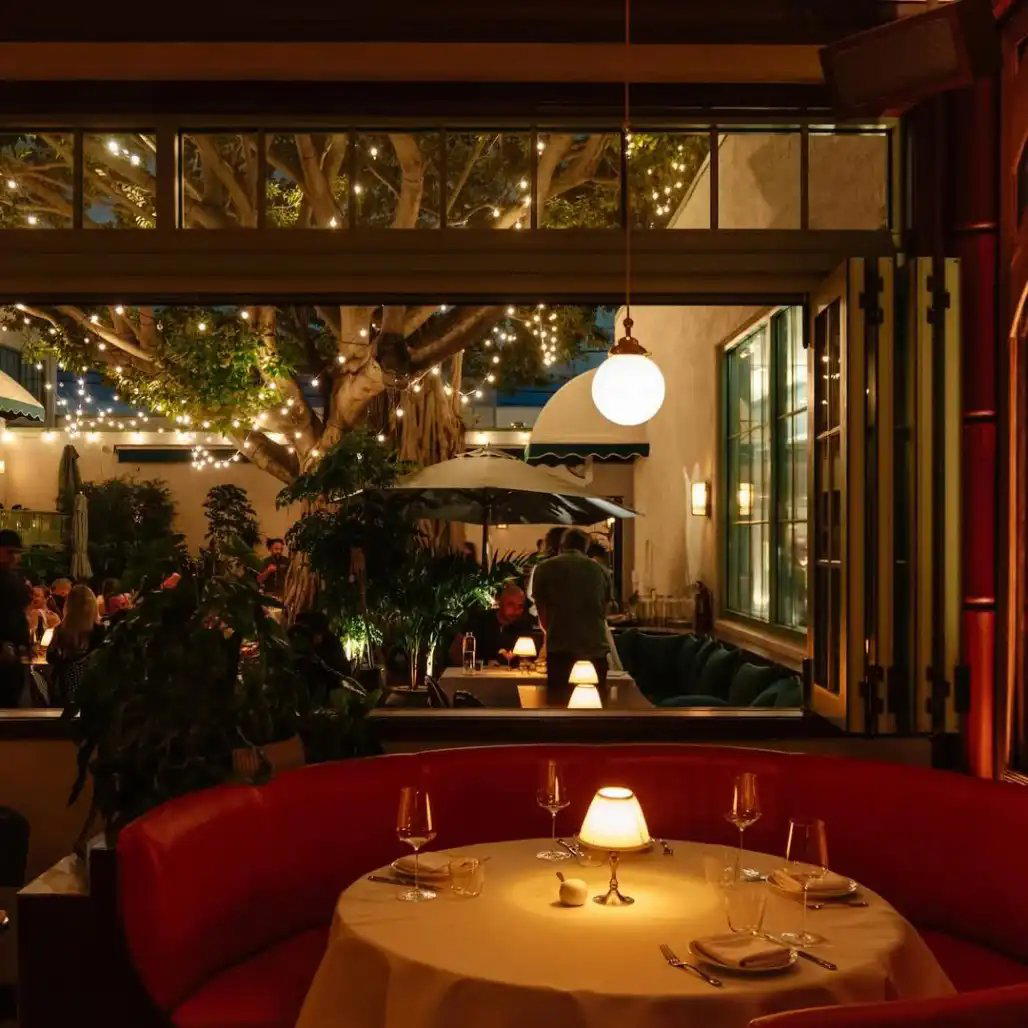
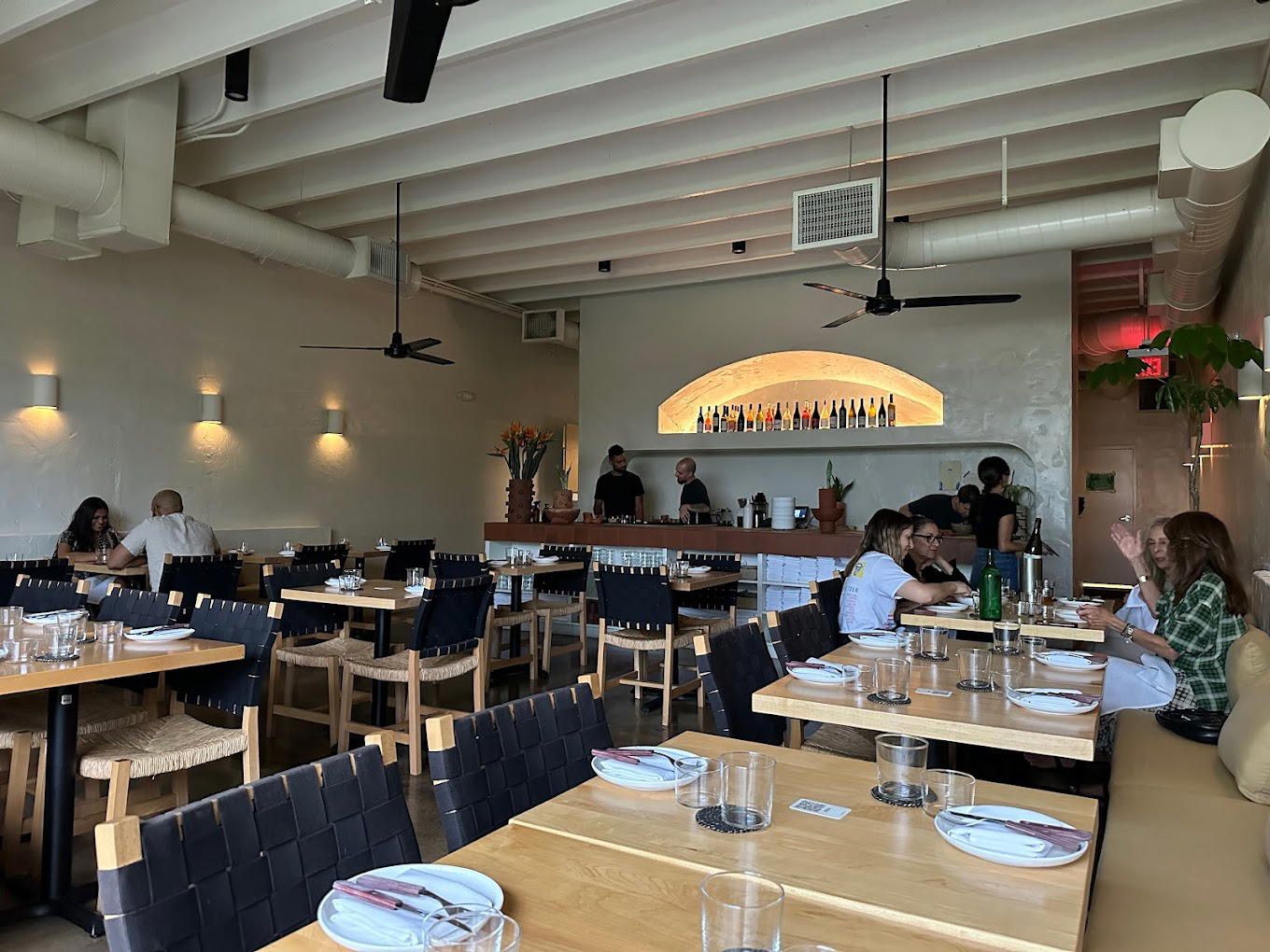
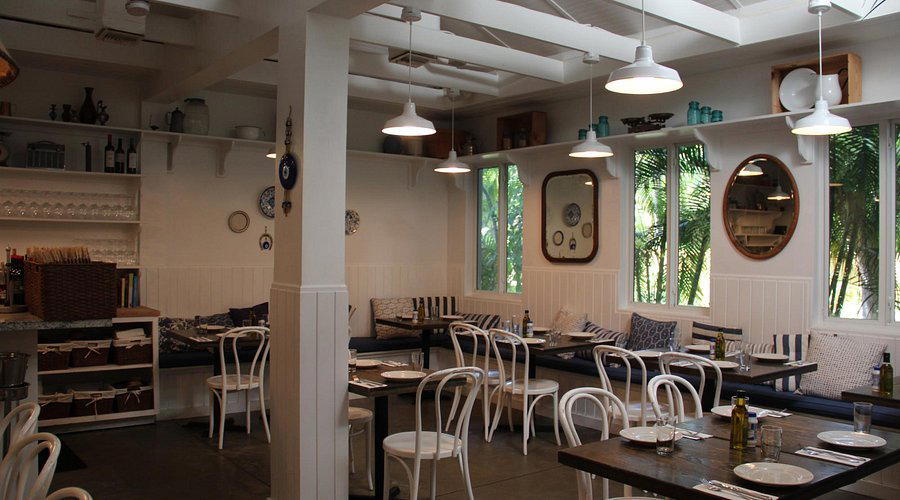
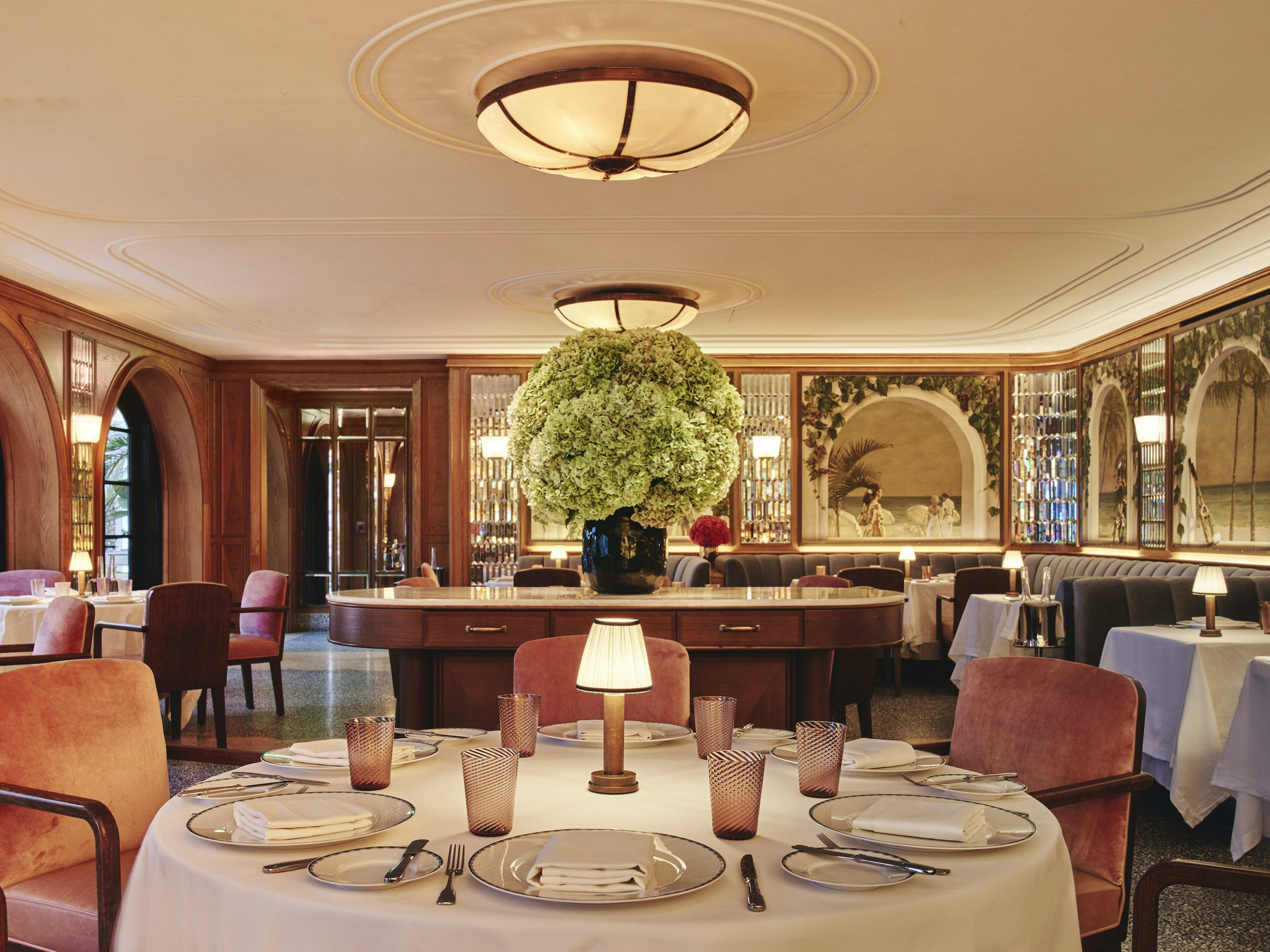
Warm, unpretentious atmosphere with cozy setting well-suited for chill dinners.