SALT
On Pearl Street, Boulder's main pedestrian corridor, SALT occupies a position in the city's farm-to-table conversation that goes beyond seasonal sourcing as a marketing note. The menu architecture here reflects a particular approach to Colorado produce and regional ingredients that places it alongside Boulder's most considered dining options. For visitors working through the city's serious restaurant tier, it belongs on the shortlist.
Pearl is the En Primeur Club membership app — saves, bookings, and concierge access live there. Same editors, same standards.
- Address
- 1047 Pearl St, Boulder, CO 80302
- Phone
- +13034447258
- Website
- saltboulder.com
- Directions
- Get directions
 Saves & bookings on Pearl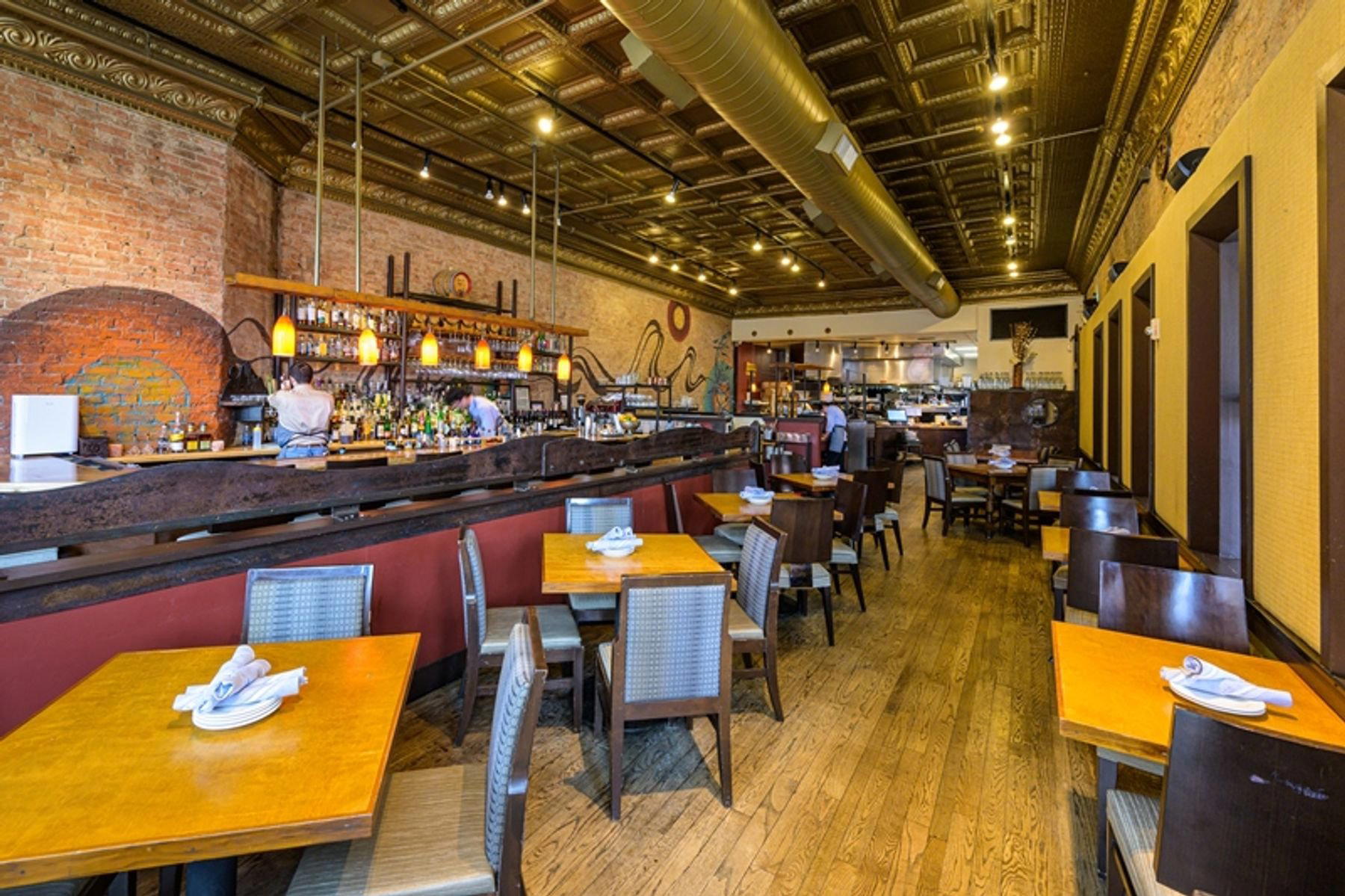
Pearl Street and the Farm-to-Table Tier Boulder Actually Earned
Pearl Street has always functioned as Boulder's commercial and cultural spine, but its restaurant density tells a more specific story. Over the past decade, the corridor and its immediate surroundings have developed a serious dining tier that sits comfortably alongside comparable scenes in Denver, Portland, and smaller California cities with strong agricultural identities. SALT, at 1047 Pearl St, is a sustainable farm-to-table bistro in Boulder, Colorado, and its position on the street places it in direct conversation with the city's most deliberate kitchens, including Frasca Food & Wine, which has long anchored the Italian end of Boulder's fine dining market, and Basta, which operates in the contemporary American register with a wood-fired emphasis.
What distinguishes Boulder's upper dining tier from similar scenes in mid-sized American cities is the proximity to supply. The Front Range agricultural corridor gives kitchens here genuine access to seasonal Colorado produce, proteins, and dairy in a way that urban restaurants in coastal cities often have to work significantly harder to replicate. At the price points where Boulder's serious restaurants operate, that access to local supply is not a novelty, it is a baseline expectation that separates menus with real seasonal logic from those that gesture at locality without structural commitment.
How the Menu Is Built: Reading the Architecture
Menu architecture, the way a kitchen organizes its offerings, sequences its courses, and signals its priorities through structure rather than description, reveals more about a restaurant's actual identity than almost any other element. At SALT, the menu format reflects the broader Boulder tendency toward American seasonal cooking with a sourcing-forward sensibility. This places it in a recognizable category alongside properties like Blackbelly Market, where the relationship between the kitchen and its producers is made structurally visible through the menu rather than just annotated in small print.
This approach to menu construction differs meaningfully from the tasting-menu-first model that defines the upper bracket of American fine dining nationally. Restaurants like The French Laundry in Napa or Alinea in Chicago build their identity around a single, sequenced experience with no meaningful à la carte option. Lazy Bear in San Francisco takes a communal tasting format. Blue Hill at Stone Barns in Tarrytown structures the entire menu around what the farm produced that day. SALT operates in a different register, one where the à la carte or approachable multi-course format gives the diner more agency, and where the menu's seasonal rotation signals kitchen philosophy without requiring the full commitment of a fixed tasting experience.
That distinction matters for how you plan a visit. The structural flexibility of SALT's format makes it suitable for a range of dining intentions, from a focused dinner built around two or three courses to a more casual approach centered on smaller plates and the wine program. It occupies a different competitive position than the locked-in experience restaurants: it is closer in spirit to a well-edited neighbourhood restaurant than to the ticket-based tasting format now common in American cities with serious dining ambitions.
Boulder's Dining Scene in Comparative Context
Boulder punches above its population weight in the American dining conversation, partly because of university-city demographics, partly because of the Front Range's outdoor-culture prosperity, and partly because the agricultural identity of Colorado's eastern plains and mountain valleys gives local kitchens genuine material to work with. The city's restaurant scene has developed in a way that prioritizes ingredient sourcing and producer relationships over format spectacle, a sensibility you also find at Single Thread Farm in Healdsburg, though at a significantly higher price point and with a more formal tasting structure.
Within Boulder specifically, the competitive set around Pearl Street includes venues with distinct editorial identities. Boulder Dushanbe Tea House occupies an entirely different register, Eastern European and Central Asian influence, a building with genuine cultural provenance as a gift from Boulder's sister city of Dushanbe, Tajikistan, and a dining room that functions as much as a cultural artifact as a restaurant. At the other end of the spectrum, Boulder Pho anchors the accessible end of the city's dining options. SALT sits between those poles, in the mid-to-upper tier where most of Boulder's food conversation actually takes place.
Nationally, the farm-to-table positioning that SALT shares with a cohort of American restaurants has matured considerably since its early-2000s emergence as a marketing category. The restaurants that have held their position in that space, Providence in Los Angeles with its seafood-sourcing precision, Addison in San Diego with its California produce emphasis, Atomix in New York with its Korean-inflected tasting format tied to seasonal logic, have done so by developing genuine culinary identity beyond the sourcing narrative. The sourcing story alone no longer functions as differentiation at the serious dining level; what distinguishes a kitchen is what it does with that sourcing in terms of technique, menu structure, and the coherence of the dining experience.
What to Know Before You Go
SALT sits at 1047 Pearl Street, placing it on Boulder's pedestrian mall in among the more walkable dining corridors in the Rocky Mountain region. For visitors building a multi-stop Boulder itinerary, the Pearl Street location makes it a logical anchor for an evening that might begin with drinks elsewhere on the mall and end with the full dinner. Boulder's dining scene rewards a considered approach to sequencing: the city's serious restaurants are close enough together that combining venues in a single evening is genuinely practical rather than aspirational.
Booking ahead is advisable for any serious Boulder restaurant, particularly on weekends and during the university calendar's peak periods, fall semester and spring graduation windows bring consistent pressure on reservations across the city's upper dining tier.
For those mapping SALT against the national fine dining conversation more broadly, the reference points include Le Bernardin in New York City and Emeril's in New Orleans, both operating in quite different registers, but useful anchors for understanding where American regional cooking sits relative to the national fine dining tier. The Inn at Little Washington and 8½ Otto e Mezzo Bombana in Hong Kong represent the international end of that comparison set. SALT occupies a more accessible, regionally grounded position, which, in the current American dining moment, is not a limitation but a considered choice.
Awards and Standing
Comparable venues nearby, for context on price, style, and recognition.
| Venue | Cuisine | Price | Notes |
|---|---|---|---|
| SALTThis venue — the venue you are viewing | Sustainable Farm-to-Table Bistro | $$$ | Not listed |
| Centro Mexican Kitchen | Colorado-Inspired Mexican | $$ | Central Boulder |
| Folsom Thai | Authentic Thai | $$ | Central Boulder |
| Flagstaff House | Modern American Fine Dining | $$$$ | Flagstaff |
| Steakhouse No. 316 | Classic American Steakhouse | $$$$ | Central Boulder |
| Odd Rabbit Boulder | Modern Sushi and Noodles | $$$ | East Boulder |
Continue exploring
More in Boulder
Restaurants in Boulder
Browse all →
Bars in Boulder
Browse all →
Hotels in Boulder
Browse all →
Wineries in Boulder
Browse all →
At a Glance
- Cozy
- Modern
- Rustic
- Date Night
- Special Occasion
- Brunch
- Historic Building
- Open Kitchen
- Private Dining
- Farm To Table
- Local Sourcing
- Street Scene
Current opening hours
- Monday
- 4:30–8:30 PM
- Tuesday
- 4:30–8:30 PM
- Wednesday
- 11 AM–2 PM, 4:30–8:30 PM
- Thursday
- 11 AM–2 PM, 4:30–8:30 PM
- Friday
- 11 AM–2 PM, 4:30–9 PM
- Saturday
- 10:30 AM–2 PM, 4:30–9 PM
- Sunday
- 10:30 AM–2 PM, 4:30–8:30 PM
Hours can change for holidays and private events. Last verified .
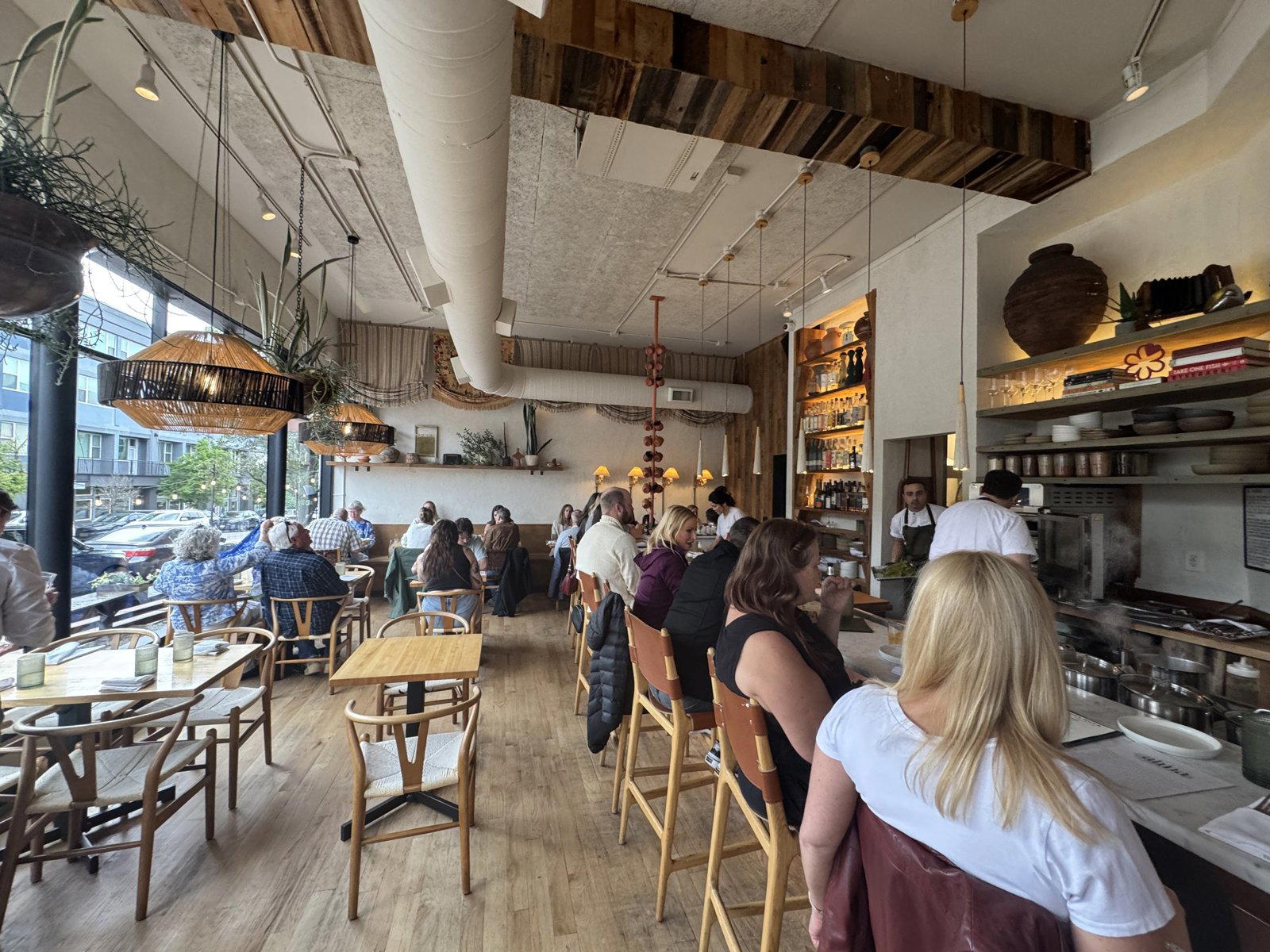
Casual come-as-you-are atmosphere in a historic 1898 building blending preserved original elements with cozy, welcoming lighting.