Hotel Boulderado
Hotel Boulderado has anchored the corner of 13th Street and Spruce since 1909, making it one of Colorado's oldest continuously operating hotels. Its cantilevered stained-glass ceiling and original cherry woodwork set it apart from Boulder's newer accommodation options. For visitors who want proximity to the Pearl Street Mall and a building with genuine architectural history, it remains the reference point.
Pearl is the En Primeur Club membership app — saves, bookings, and concierge access live there. Same editors, same standards.
- Address
- 2115 13th St, Boulder, CO 80302
- Phone
- +1 303 442 4344
- Website
- boulderado.com
- Directions
- Get directions
 Saves & bookings on Pearl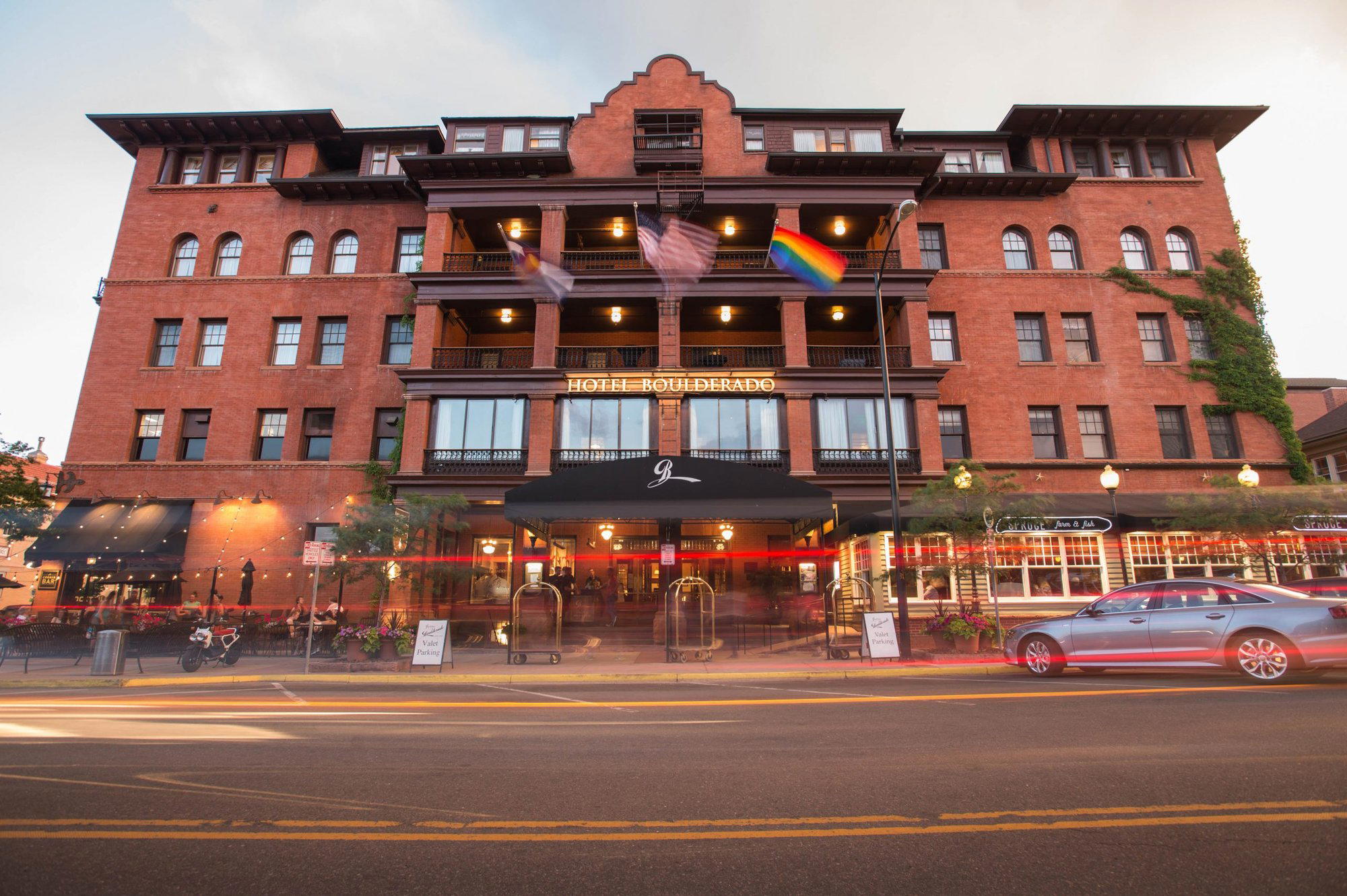
A Building That Predates the City It Shaped
There is a particular category of American hotel that earns its place not through renovation cycles or brand affiliation but through sheer continuity of presence. Hotel Boulderado is a hotel in Boulder, Colorado, with. Hotel Boulderado, which opened on New Year's Day 1909 at the corner of 13th Street and Spruce, belongs to that cohort. At a moment when Boulder had fewer than 10,000 residents and the Rocky Mountain foothills were still more frontier than destination, the city's business community raised the funds to build a hotel that would signal civic ambition. More than a century later, the building itself remains the argument.
The ground-floor lobby is the architectural centerpiece. A cantilevered stained-glass ceiling, installed in the original construction and restored with careful attention to the period palette, filters Colorado light into the space in a way that no contemporary design intervention could replicate without feeling deliberate. The cherry woodwork on the mezzanine balustrade, original to the 1909 build, reads as a document of craft priorities that have largely disappeared from commercial construction. Where properties like Chicago Athletic Association in Chicago or The Fifth Avenue Hotel in New York City represent historic buildings repositioned through aggressive contemporary programming, Boulderado takes a more conservative approach: the architecture is the program.
Historic Preservation as a Design Philosophy
American historic hotels split into two broad camps. The first uses heritage as atmosphere, period details as backdrop for thoroughly modern operations. The second treats the original construction as the primary product, with every subsequent decision measured against the question of what the building can support. Boulderado operates closer to the second model. The two wings of the property, the original 1909 structure and the later addition, are physically connected but architecturally distinct, and that seam is visible rather than concealed.
This approach places Boulderado in a different conversation than properties like Troutbeck in Amenia or Blackberry Farm in Walland, where historic bones have been overlaid with contemporary hospitality programming to the point where the architecture serves the guest experience rather than defining it. At Boulderado, the building sets the terms. That is either a virtue or a limitation depending on what a traveler is looking for, and it is worth being clear about the distinction before booking.
For context on where Boulderado sits within Boulder's hotel market: the city's premium accommodation tier now includes St Julien Hotel & Spa, which offers a newer build with mountain views and spa facilities that Boulderado does not match. The two properties target different priorities. St Julien competes on contemporary comfort and amenity breadth; Boulderado competes on location at the edge of the Pearl Street pedestrian mall and on the weight of its architectural record.
Pearl Street Access and the Broader Boulder Context
Boulder's dining and cultural activity concentrates along Pearl Street and the surrounding blocks, and Boulderado's position at 13th and Spruce puts guests within a short walk of the pedestrian mall's full length. For anyone arriving to spend time in the city's restaurants, independent retail, and cultural venues, the address matters more than any single amenity the hotel provides. Boulder's dining scene rewards on-foot exploration, which Boulderado's central address makes direct.
The broader category of mountain-adjacent historic hotels in the American West provides useful comparison points. Properties like Alpine Falls Ranch in Superior or Sage Lodge in Pray offer landscape immersion as their primary value. Boulderado offers the inverse: urban access with mountain proximity, a combination that suits visitors whose itinerary prioritizes the city over the trail system, though the Flatirons trailheads are reachable from the hotel without a car.
Architecture at Scale: Where Boulderado Fits in the American Historic Hotel Conversation
The stained-glass ceiling at Boulderado is the detail that appears in every piece of coverage the hotel has received over the past century, and it earns that repetition. Original Victorian-era stained glass at this scale, in a commercial building that has remained in continuous hospitality operation, is genuinely rare. The comparison set for that specific feature is short. Properties like Raffles Boston in Boston or Aman New York in New York City carry historical weight through their building stock, but neither offers the same combination of age, geographic context, and architectural specificity that defines Boulderado's lobby.
For travelers who move between design-forward properties, Amangiri in Canyon Point, Ambiente, A Landscape Hotel in Sedona, or Post Ranch Inn in Big Sur, Boulderado represents a deliberate shift in register. Those properties express a design philosophy through contemporary materiality and landscape response. Boulderado expresses one through preservation and period authenticity. Both approaches are coherent; they serve different itineraries and different dispositions toward what a hotel should provide.
Planning Your Stay
Hotel Boulderado is located at 2115 13th Street, Boulder, CO 80302. The property sits at the western terminus of the Pearl Street Mall, meaning the full pedestrian strip runs east from the front entrance. Boulder's dining, independent bookshops, and weekend farmers' market are walkable from the hotel without retracing steps. The hotel operates across two wings, the 1909 original and a later addition, and
Travelers considering Boulderado alongside properties in adjacent Western markets, Amangani in Jackson Hole, Four Seasons at The Surf Club in Surfside, or Canyon Ranch Tucson in Tucson, are comparing across different value propositions entirely. Those properties lead with amenity programs, landscape positioning, or wellness infrastructure. Boulderado leads with architectural history and urban access. The decision is less about quality tier and more about what the visit is for.
A Quick Peer Check
Comparable venues nearby, for context on price, style, and recognition.
| Venue | Cuisine | Price | Awards | Notes |
|---|---|---|---|---|
| Hotel BoulderadoThis venue — the venue you are viewing | Historic luxury hotel blending Victorian heritage with contemporary mountain elegance | $$$ | Not listed | Not listed |
| St Julien Hotel & Spa | Luxury boutique hotel in the heart of downtown Boulder | $$$$ | 4-Star | Central Boulder |
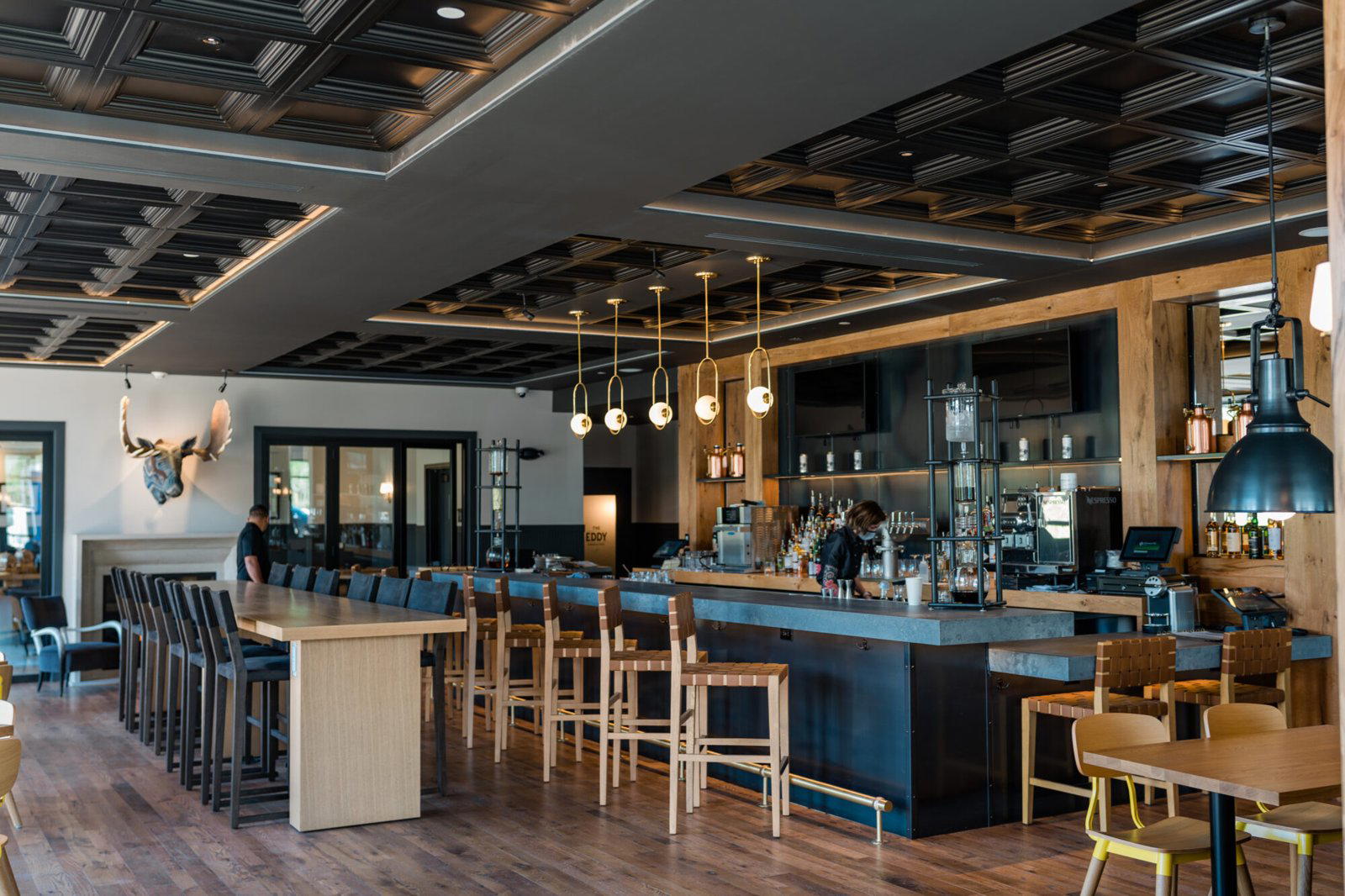
| The Eddy Taproom & Hotel | Industrial-inspired boutique hotel evoking Golden's mining and brick-making history with modern adventure-ready amenities. | $$$ | Not listed | Historic Golden |
| Indian Hot Springs | historic family-run resort | $$ | Not listed | Idaho Springs |
| Amigo Motor Lodge | Renovated mid-century motor lodge with contemporary comforts. | $$ | Not listed | Salida |
| Strawberry Park Natural Hot Springs | rustic natural hot springs resort with basic cabins and campsites | $$ | Not listed | Strawberry Park |
Continue exploring
More in Boulder
Hotels in Boulder
Browse all →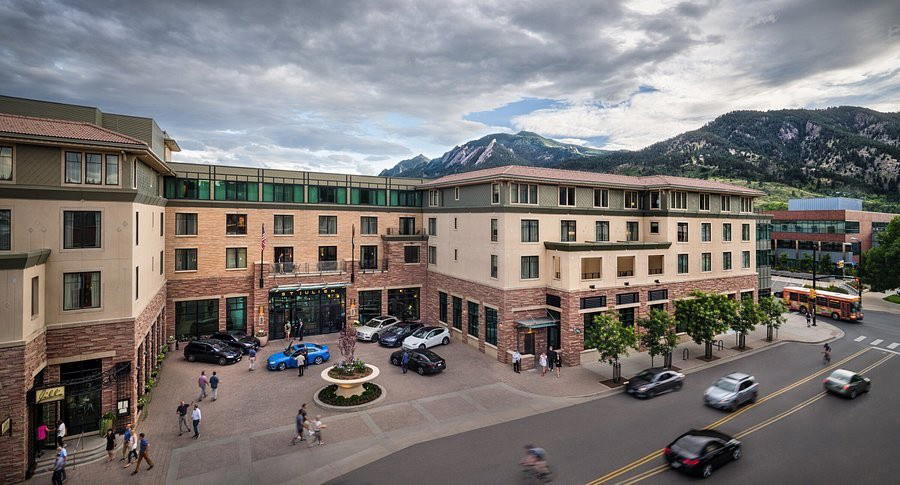
Bars in Boulder
Browse all →
Restaurants in Boulder
Browse all →
Wineries in Boulder
Browse all →
At a Glance
- Classic
- Elegant
- Historic
- Well Known
- Romantic Getaway
- Anniversary
- Weekend Escape
- Historic Building
- Wi Fi
- Room Service
- Concierge
- Mountain
- Skyline
- Wi Fi
- Room Service
- Concierge
Victorian opulence blended with modern mountain style, featuring warm lighting in a charming historic lobby.