Sal Mar sits on the Passeig Marítim de la Barceloneta, where Barcelona's seafront dining tradition plays out against the Mediterranean horizon. The address places it squarely in the city's historic coastal quarter, a stretch where the relationship between kitchen and sea is direct and the competition for attention is fierce. For visitors oriented around proximity to the water and the character of Barceloneta itself, the location is its clearest credential.
Pearl is the En Primeur Club membership app — saves, bookings, and concierge access live there. Same editors, same standards.
- Address
- Pg. Marítim de la Barceloneta, Ciutat Vella, 08003 Barcelona, Spain
- Phone
- +34932240707
- Website
- restaurantsalmar.com
- Directions
- Get directions
 Saves & bookings on Pearl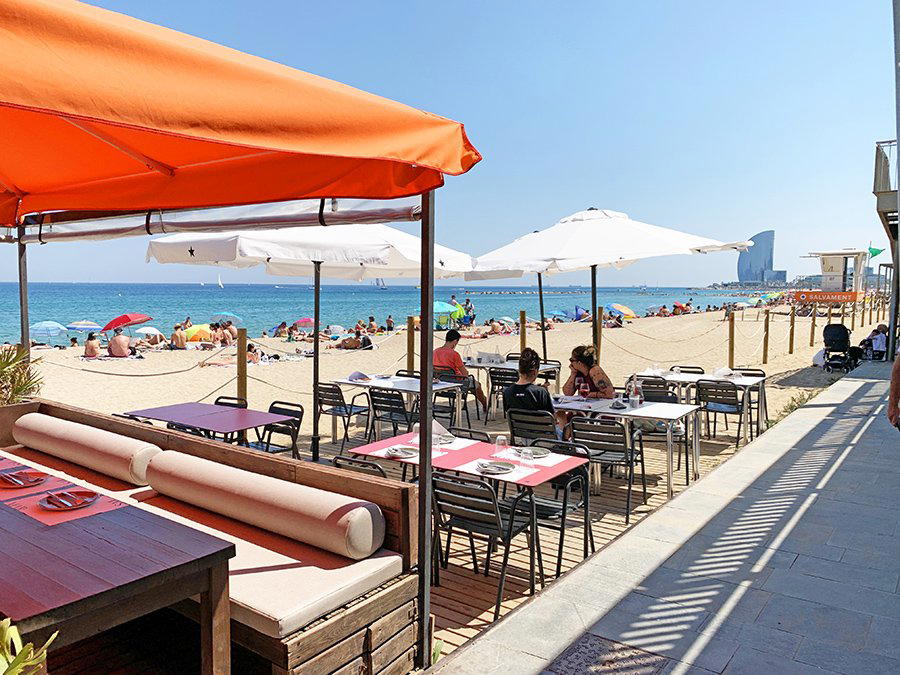
Where the Seafront Becomes the Context
The Passeig Marítim de la Barceloneta is one of Barcelona's most legible dining addresses. Running along the edge of Barceloneta, the old fishermen's quarter that juts into the Mediterranean between the port and the Olympic marina, the promenade concentrates a range of restaurants whose shared claim is proximity to the sea. That proximity is not merely scenic. In a neighbourhood historically defined by fishing families and the trade routes of the port, the relationship between kitchen and waterfront carries cultural weight that the interior dining rooms of Eixample or Gràcia simply cannot replicate. Sal Mar occupies this stretch of the Passeig Marítim, and the address is the first thing to understand about what it offers.
Barceloneta and the Logic of Coastal Dining
Barcelona's approach to seafood dining has fractured across two broad registers. At the upper end, Michelin-recognised kitchens like Enoteca Paco Pérez and the creative programmes at Cocina Hermanos Torres treat coastal ingredients as material for technique-heavy menus that could, in principle, be served anywhere. The other register is place-specific: restaurants whose reason for existing is the neighbourhood they occupy, the morning catch from Barceloneta's adjacent port, and a format built around directness rather than elaboration. Barceloneta's Passeig Marítim tilts toward the latter. The restaurants here tend to position themselves through setting and sourcing rather than through the kind of chef-biography narratives that drive reservations at Disfrutar or ABaC.
That distinction matters for how you book and what you expect. A meal on the Passeig Marítim is not in competition with Barcelona's progressive creative tier, the long tasting-menu format of Lasarte or the conceptual theatrics of Enigma. It is in competition with the dozen-odd restaurants that share the same promenade view and draw from similar local supply. The differentiating factors on this stretch are execution consistency, the quality of the catch on a given day, and whether the room can hold its own atmosphere against the backdrop of the seafront, which, particularly in the warmer months, tends to dominate everything.
The Seafront Address in Practice
Sitting at the edge of Ciutat Vella, Barceloneta is the neighbourhood most directly shaped by Barcelona's port history. The narrow grid of streets behind the promenade still carries the pattern of the 18th-century plan laid out to house dockworkers, and the character of the quarter reflects that density: small bars, family-run restaurants, and the early-morning rhythm of a neighbourhood that has historically oriented its schedule around the sea. The Passeig Marítim itself, running along the waterfront, is a later intervention, broadened and formalised after the 1992 Olympics, which transformed this stretch of coast from industrial port edge to accessible public seafront.
That transformation brought tourist traffic and investment, and the dining offer on the Passeig Marítim reflects both. At its less careful end, the promenade's restaurants rely on footfall and view to substitute for kitchen discipline. At its more considered end, a handful of addresses treat the location as a genuine asset, a reason to source carefully, to build a room that reads well in salt air and open light, and to develop a menu that makes sense in a coastal context rather than importing a format from elsewhere in the city. The distinction between these two approaches is the relevant competitive question on this stretch of the waterfront.
Spain's broader seafood dining tradition provides useful reference. The coastal restaurants that have earned the clearest critical recognition, Aponiente in El Puerto de Santa María, Quique Dacosta in Dénia, Ricard Camarena in València, have done so by insisting on the specificity of their coastal location as a culinary argument, not just a backdrop. That standard is not what every promenade restaurant is aiming for, but it frames the question worth asking of any restaurant in this position: is the sea a setting or an ingredient?
Placing Sal Mar in the Wider Spanish Context
Barcelona's position within Spain's fine dining geography is worth mapping. The city hosts a cluster of Michelin-starred kitchens that rank among the more technically ambitious in Europe. Further afield, the country's broader premium tier includes El Celler de Can Roca in Girona, Arzak and Martin Berasategui in the Basque Country, Mugaritz in Errenteria, Azurmendi in Larrabetzu, DiverXO in Madrid, and Atrio in Cáceres. None of these are direct competitors to a Barceloneta promenade restaurant, but they define the cultural environment in which all Spanish restaurant dining is currently assessed. Spain's kitchen culture rewards specificity of place, the argument that a dish could only have come from this coastline, this climate, this particular tradition. That argument is most available to restaurants that lean into their geography, and the Passeig Marítim provides exactly the kind of legible geography that supports it.
For international comparison, the discipline of place-specific seafood cooking is visible at addresses like Le Bernardin in New York City, where the case for seafood as a serious culinary subject has been made at the highest tier, or at more conceptual addresses like Atomix in New York City, where the sense of a specific culinary tradition anchors an otherwise technically complex programme. The broader point is that the restaurants with the clearest identities are those where location and culinary argument reinforce each other. On the Passeig Marítim, that opportunity is structurally available; whether any given restaurant takes it is the question worth investigating.
Planning a Visit
Sal Mar is located at Passeig Marítim de la Barceloneta, Ciutat Vella, 08003 Barcelona. Getting there: The nearest metro station is Barceloneta (L4, yellow line), a short walk from the promenade. Timing: Reservations are recommended. Dress is casual. Expect about $30 per person.
In Context: Similar Options
Comparable venues nearby, for context on price, style, and recognition.
| Venue | Cuisine | Price | Notes |
|---|---|---|---|
| Sal MarThis venue — the venue you are viewing | Mediterranean Fusion with Paella | $$ | Not listed |
| Noble Barcelona | Contemporary Mediterranean Bistró | $$ | l'Antiga Esquerra de l'Eixample |
| La Flor de Barcelona Restaurant | Traditional Mediterranean | $$ | el Putxet i el Farro |
| Lincoln 32 | Modern Mediterranean Bistro | $$ | el Putxet i el Farro |
| La Cholita | Modern Mediterranean Tapas | $$ | Vilapicina i la Torre Llobeta |
| Restaurante Sea Breeze Beach House | Mediterranean Seafood | $$ | la Barceloneta |
Continue exploring
More in Barcelona
Restaurants in Barcelona
Browse all →

Bars in Barcelona
Browse all →

Hotels in Barcelona
Browse all →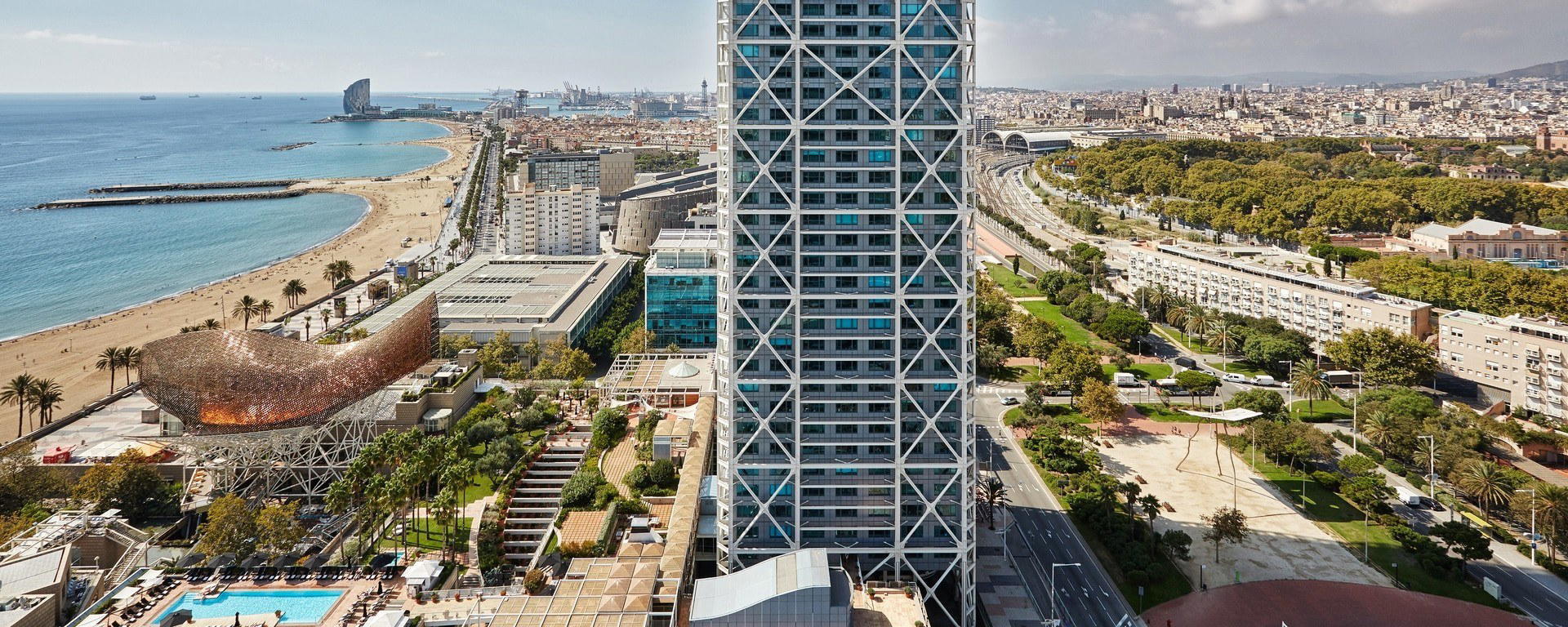


At a Glance
- Lively
- Scenic
- Group Dining
- Casual Hangout
- Terrace
- Waterfront
- Beer Program
- Waterfront
Current opening hours
- Monday
- 12–8 PM
- Tuesday
- 12–8 PM
- Wednesday
- 12–8 PM
- Thursday
- 12–8 PM
- Friday
- 12–10:30 PM
- Saturday
- 12–10:30 PM
- Sunday
- 12–8 PM
Hours can change for holidays and private events. Last verified .
Lively beachfront terrace atmosphere enhanced by sea views and welcoming service.