Sakura House
Our verdict
On the South Fork of Long Island, Sakura House occupies a quiet stretch of Montauk Highway in East Quogue, a village that sits between the Hamptons' higher-profile neighbours and the working waterfronts that still define this end of the island. The address places it in a corridor where local sourcing is less a marketing stance than a practical reality, with the Atlantic and Peconic Bay within reach of any kitchen serious about what that proximity offers.

Pearl is the En Primeur Club membership app — saves, bookings, and concierge access live there. Same editors, same standards.
- Address
- 540B Montauk Hwy, East Quogue, NY 11942
- Phone
- (631) 653-9382
- Hours
- Mon ClosedTue–Thu 11:30 AM–9:30 PMFri–Sat 11:30 AM–10 PMSun 12–9:30 PM
- Website
- welcometosakurahouse.com
- Directions
- Get directions
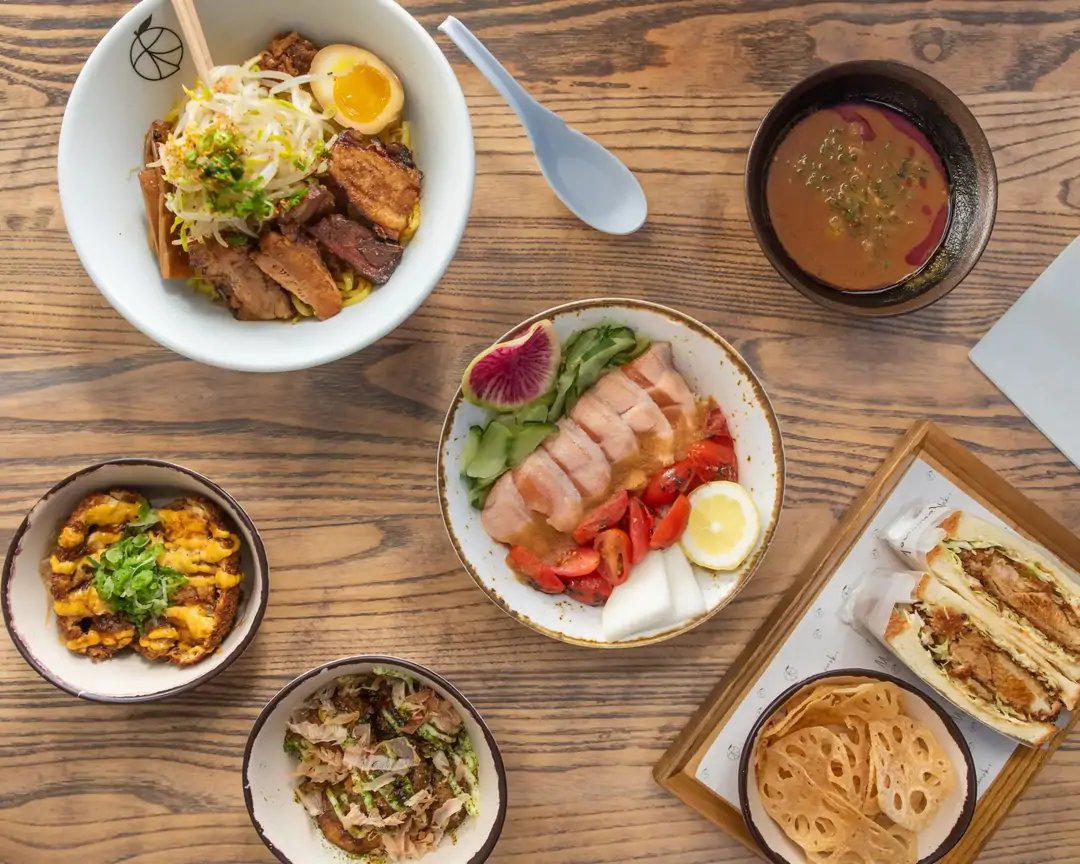
East Quogue and the South Fork Ingredient Question
The eastern end of Long Island has always had an argument to make about what grows and swims nearby. Peconic Bay scallops, clams pulled from Great South Bay, striped bass running along the Atlantic coast in season, farm stands along Sound Avenue that pre-date any conversation about farm-to-table as a concept: the raw material case for cooking seriously on the South Fork is as strong as anywhere in the Northeast. East Quogue sits in the middle of that geography, quieter than Southampton to the west and less trafficked than Montauk to the east, which means the restaurants that operate here tend to serve a more local, repeat clientele rather than the seasonal surge that defines the Hamptons dining calendar at its most crowded.
Sakura House is at 540B Montauk Highway, on the main artery that connects this stretch of Long Island from one end to the other. That highway address is a signal in itself: this is not a restaurant positioned inside a resort or anchored to a celebrity-chef brand name designed to draw visitors from Manhattan. It sits in the community rather than above it, which tends to produce a different relationship between a kitchen and its immediate suppliers.
What Ingredient Sourcing Looks Like on the South Fork
For any kitchen operating in this part of Long Island, the sourcing conversation starts with water. The bays and inlets around the East End produce shellfish of a quality that commands premium prices at New York City fish markets, which means the restaurants physically closest to those harvesting operations have a structural advantage if they choose to use it. The same logic applies to the farm corridor running through Bridgehampton and further east: small-scale growers producing vegetables, herbs, and eggs at volumes suited to independent restaurant kitchens rather than institutional supply chains.
This is the context in which restaurants like Sakura House operate. The name suggests Japanese or Japanese-influenced cooking, a category that has demonstrated particular sophistication around sourcing in American fine dining: the omakase model at counters like Atomix in New York City places provenance of each ingredient at the centre of what a chef communicates across a meal. The farm-driven tasting format at Single Thread Farm in Healdsburg takes that further by integrating a working farm with a destination restaurant. What distinguishes the South Fork version of this conversation is the scale: smaller, less formally codified, with proximity to sources that does not require the institutional sourcing infrastructure that supports places like Blue Hill at Stone Barns in Tarrytown.
The Broader Pattern: Japanese Influence Along the Northeast Coast
Japanese culinary influence in American coastal restaurants has deepened considerably over the past two decades. It is not simply the proliferation of omakase counters in New York City or the visibility of Japanese-trained chefs at French-technique establishments like Le Bernardin. It is also the integration of Japanese thinking about fish handling, aging, and simplicity into restaurants that would not call themselves Japanese restaurants at all. A venue with a name like Sakura House, operating in a coastal community with direct access to fresh catch, would have every reason to draw on those techniques, even if the menu itself sits outside any single category.
Along the East Coast, restaurants in smaller markets have often been able to develop this kind of hybrid approach more freely than their urban counterparts, partly because lower overhead and a loyal local customer base reduce the pressure to conform to any single genre expectation. Compare the progressive American format at Lazy Bear in San Francisco or the technically rigorous structure of Alinea in Chicago: those are city restaurants that have to sustain a high-volume critical conversation. A restaurant in East Quogue operates under different pressures and can develop a relationship with its neighbourhood over years rather than proving itself in a single season.
The South Fork Dining Pattern and Where East Quogue Fits
The Hamptons dining scene has two distinct modes. Summer brings high-demand, high-turnover operations geared to weekenders and visitors who have already decided what kind of evening they want before they arrive. The shoulder seasons and winter reveal something different: a smaller set of year-round restaurants serving locals, tradespeople, and the small percentage of second-home owners who use their houses outside of July and August. East Quogue has historically leaned toward that second mode, which makes it a different kind of dining proposition than a reservation at a well-known Southampton restaurant in peak summer.
For reference, the premium end of the American restaurant spectrum in the comparable category, farm-driven and seafood-forward, is well-documented: Providence in Los Angeles built its reputation on California and Pacific seafood sourcing. The French Laundry in Napa and Addison in San Diego represent the California side of rigorous ingredient procurement at the fine dining tier. On the East Coast, The Inn at Little Washington has run a version of regional sourcing as fine dining for decades. The South Fork has its own equivalent logic, scaled to the village rather than the destination resort.
Other kitchens across the country working within a Japanese or Japanese-inflected sourcing framework at the serious end include ITAMAE in Miami, which foregrounds Nikkei technique and South American-Japanese sourcing. Causa in Washington, D.C. operates in a related space. Regional American kitchens working with similar ingredient-forward discipline include Bacchanalia in Atlanta, Brutø in Denver, Frasca Food and Wine in Boulder, and Emeril's in New Orleans, each of which demonstrates that the farm-to-kitchen commitment is not exclusive to coastal or metropolitan fine dining.
Planning a Visit to East Quogue
East Quogue is accessible via the Long Island Expressway or the Sunrise Highway, with the Montauk Highway running directly through the village. The address at 540B Montauk Highway is direct to reach by car from Southampton or Hampton Bays. Visitors coming from New York City should factor in South Fork traffic, which builds considerably on Friday afternoons between Memorial Day and Labor Day. The shoulder seasons, particularly late September through November, offer more manageable road conditions and a different sense of the village. For current hours, booking availability, and menu details, contacting the restaurant directly is the right approach, as online information for smaller independent venues in this area can lag behind operational changes. See our full East Quogue restaurants guide for broader context on dining in the area.
Frequently asked questions
Is Sakura House child-friendly?
East Quogue runs at a quieter pace than villages further east along the Montauk Highway, and neighbourhood restaurants in this corridor generally accommodate families without the high-turnover pressure of peak-season Hamptons operations. Sakura House sits at 540B Montauk Hwy, away from the more frenetic summer scenes in Southampton or East Hampton. For specific seating arrangements or high-chair availability, check the venue's official channels before visiting.
What's the overall feel of Sakura House?
The address at 540B Montauk Hwy places Sakura House firmly in neighbourhood restaurant territory rather than the destination dining circuit that draws weekenders to the eastern Hamptons villages. East Quogue itself is a residential community without the concentrated foot traffic of Southampton or Bridgehampton, which typically shapes restaurants here toward regulars and locals rather than seasonal tourism. Expect a low-key register rather than a reservations-only, occasion-dining format.
Does Sakura House serve food that reflects Long Island's East End produce and seafood?
Sakura House sits on the South Fork in East Quogue, placing it within reach of Peconic Bay scallops, clams from the surrounding inlets, and East End farm produce that supplies many kitchens in this part of Long Island. The combination of a Japanese culinary identity and a coastal East End address makes the pairing a logical one, but sourcing specifics should be confirmed with the restaurant directly.
What do people recommend at Sakura House?
Given the Japanese focus suggested by the name and Sakura House's position on the South Fork, proximity to Peconic Bay shellfish and East End fish suppliers is a reasonable contextual pointer for what a kitchen here might prioritise. For current menu details, a direct call to the restaurant is the most reliable approach.
What part of town is Sakura House in?
Sakura House is located at 540B Montauk Hwy, East Quogue, NY 11942, East Quogue.
What's the best way to book Sakura House?
No website or online booking platform has been confirmed for Sakura House at 540B Montauk Hwy, East Quogue. For restaurants of this scale and location along the Montauk Highway corridor, phone enquiry or walk-in tends to be the standard approach, particularly outside peak summer weekends when demand along the South Fork rises sharply.
Quick Comparison
Comparable venues nearby, for context on price, style, and recognition.
| Venue | Cuisine | Price | Notes |
|---|---|---|---|
| Sakura HouseThis venue — the venue you are viewing | Japanese Sushi | $20–30 | Not listed |
| Umi | Sushi & Seafood Buffet | $30–50 | Fresh Meadows |
| Hide-Chan Ramen | Hakata Tonkotsu Ramen | Not listed | Hell's Kitchen |
| Kotobuki | Japanese Sushi & Seafood | $30–50 | Babylon Village |
| Cocoron | Handmade Soba Noodles | $20–30 | Lower East Side |
| Sake Bar By Zabb | Japanese Izakaya | Not listed | Elmhurst |
Continue exploring
More in East Quogue
Restaurants in East Quogue
Browse all →

Bars in East Quogue
Browse all →
Hotels in East Quogue
Browse all →
Details
- Casual
- Cozy
- Casual Hangout
- Family
- Open Kitchen
- A La Carte
Current opening hours
- Monday
- Closed
- Tuesday
- 11:30 AM–9:30 PM
- Wednesday
- 11:30 AM–9:30 PM
- Thursday
- 11:30 AM–9:30 PM
- Friday
- 11:30 AM–10 PM
- Saturday
- 11:30 AM–10 PM
- Sunday
- 12–9:30 PM
Hours can change for holidays and private events. Last verified .
Simple, no-frills sushi bar atmosphere with minimal decor, a few small tables inside and outside, focusing on quality food over ambiance.