Kotobuki
On Deer Park Avenue in Babylon, New York, Kotobuki occupies a specific place in Long Island's Japanese dining scene, a neighborhood restaurant where sourcing discipline and kitchen consistency matter more than spectacle. The format rewards regulars who understand what they're ordering, and the address on a suburban commercial strip belies how seriously the kitchen takes its craft.
Pearl is the En Primeur Club membership app — saves, bookings, and concierge access live there. Same editors, same standards.
- Address
- 86 Deer Park Ave, Babylon, NY 11702
- Phone
- +16313218387
- Website
- kotobukirestaurants.com
- Directions
- Get directions
 Saves & bookings on Pearl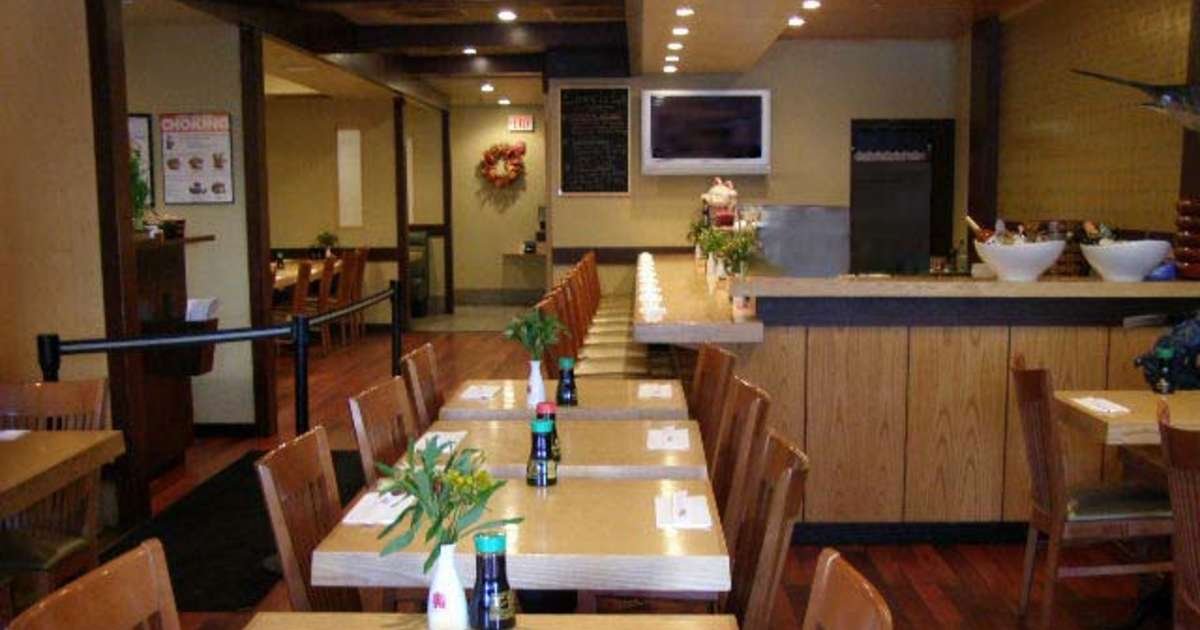
A Suburban Address, a Serious Kitchen
Deer Park Avenue runs through Babylon the way most Long Island commercial corridors do: strip malls, parking lots, and storefronts that announce their purpose without ceremony. Kotobuki, at number 86, fits the visual grammar of the block without calling attention to itself. That restraint, as it turns out, extends into the dining room. What greets you inside is the kind of composed, deliberate space that serious Japanese restaurants in the United States tend to favor, an environment where the room itself makes no claim louder than the food on the table.
Japanese restaurants of this type occupy a specific position in the American dining scene. They are neither the grand-occasion destination nor the quick-service counter, but something in between: a place where neighborhood regulars and occasional visitors from further afield meet on the same terms, judged almost entirely by the quality of what arrives in front of them. Long Island has a longer relationship with serious Japanese cooking than most visitors expect. The North Shore and South Shore communities developed a sophisticated local appetite for Japanese cuisine well before the broader American market caught up, and Babylon sits within that tradition.
Where the Food Comes From
The sourcing conversation in Japanese cooking is not incidental, it is the entire argument. Ingredients in the Japanese tradition are not transformed so much as revealed, which means the quality of the raw material defines the ceiling of what the kitchen can achieve. For sushi and sashimi especially, the sourcing chain from water to plate is shorter and more consequential than in almost any other cuisine. Restaurants in this category that operate at a serious level maintain relationships with specific suppliers, often through New York's wholesale fish markets, which remain among the more active and well-supplied in the country.
The connection between sourcing and geography matters here. Babylon's position on the South Shore of Long Island, close to the Great South Bay and within reach of Atlantic waters, is not a coincidence in the history of the town's seafood culture. Restaurants along this corridor have long drawn on proximity to fresh fish supply chains that feed New York City's premium market. That infrastructure supports kitchens that take sourcing seriously, even when the storefront gives no indication of the care operating behind it.
Compare this to the sourcing frameworks at nationally discussed restaurants: Blue Hill at Stone Barns in Tarrytown has made farm-to-table sourcing the explicit editorial statement of its entire program, and Single Thread Farm in Healdsburg takes an analogous approach to Japanese-inflected cooking with an on-site farm feeding the kitchen. Kotobuki operates without that kind of institutional declaration, but the underlying discipline, knowing where the fish comes from and how recently it arrived, belongs to the same category of kitchen values.
Japanese Dining in the American Suburbs: A Category Note
Suburban Japanese restaurants in the United States occupy a more complicated position in the dining culture than their urban counterparts. The template for serious Japanese cooking in America is largely set by Manhattan's high-end omakase counters, venues where the format, the price point, and the Michelin recognition are explicit. Atomix in New York City, with its structured tasting format and critical recognition, represents one end of that spectrum. Le Bernardin in New York City, though French rather than Japanese, defines the kind of sourcing-first, product-centered cooking that shares philosophical DNA with serious Japanese kitchens.
What suburban restaurants like Kotobuki offer is access to that culinary tradition without the reservation pressure, the per-person minimums, or the occasion-specific framing. The trade-off is that less external validation exists for the quality that does operate at this level. Awards and ratings infrastructure concentrates in cities. A restaurant doing serious work on Deer Park Avenue will rarely appear in the publications that track Manhattan's omakase circuit, regardless of what happens in the kitchen. That gap between quality and visibility defines a real category of American dining, and Babylon has examples worth knowing.
For context on what sourcing-driven cooking looks like at different price tiers and geographies, consider how Providence in Los Angeles has built a seafood-forward program on supplier relationships, or how Addison in San Diego integrates local and regional sourcing into a format that earned national recognition. Neither translates directly to what Kotobuki does, but they illustrate the range of what kitchen seriousness looks like across American dining.
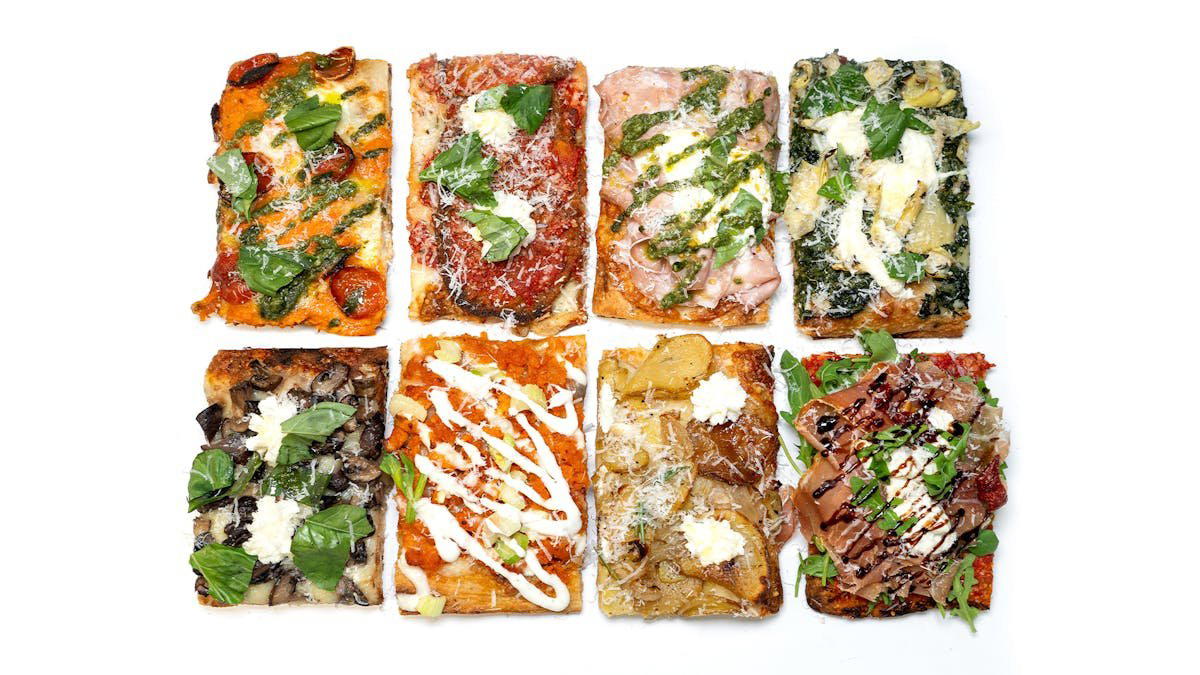
Closer in category, The Pizzeria of Babylon represents what the town does well in a different genre, a neighborhood restaurant that earns loyalty through consistency rather than spectacle. That pattern repeats across Babylon's dining scene and shapes what to expect from Kotobuki.
Planning a Visit
Kotobuki is located at 86 Deer Park Avenue, Babylon, NY 11702, on a main commercial strip with street-level access. Babylon is served by the Long Island Rail Road, and the address is walkable from the station for visitors arriving from New York City. For those driving, the corridor has standard suburban parking. Kotobuki is walk-in friendly, and its regular hours are Mon: Closed; Tue: 12–2:30 PM, 5:30–10 PM; Wed: 12–2:30 PM, 5:30–10 PM; Thu: 12–2:30 PM, 5:30–10 PM; Fri: 12–2:30 PM, 5:30–10:30 PM; Sat: 5–10:30 PM; Sun: 5–9:30 PM. Walk-ins are welcome.
Quick Comparison
Comparable venues nearby, for context on price, style, and recognition.
| Venue | Cuisine | Price | Notes |
|---|---|---|---|
| KotobukiThis venue — the venue you are viewing | Japanese Sushi & Seafood | $$ | Not listed |
| The Pizzeria of Babylon | Italian Pizzeria | $$ | Babylon Village |
| Umi | Sushi & Seafood Buffet | $$ | Graniteville |
| Sushi Tokyo | Kosher Japanese Sushi | $$ | Gravesend (East)-Homecrest |
| Koké | Modern Japanese Matcha & Plant-Based Cafe | $$ | Greenwich Village |
| Davelle | Japanese Kissaten Cafe | $$ | Lower East Side |
Continue exploring
More in Babylon
Restaurants in Babylon
Browse all →
Bars in Babylon
Browse all →
Hotels in Babylon
Browse all →
Wineries in Babylon
Browse all →
At a Glance
- Classic
- Casual Hangout
- Family
- Open Kitchen
- Sake Program
Current opening hours
- Monday
- Closed
- Tuesday
- 12–2:30 PM, 5:30–10 PM
- Wednesday
- 12–2:30 PM, 5:30–10 PM
- Thursday
- 12–2:30 PM, 5:30–10 PM
- Friday
- 12–2:30 PM, 5:30–10:30 PM
- Saturday
- 5–10:30 PM
- Sunday
- 5–9:30 PM
Hours can change for holidays and private events. Last verified .
Simple, unpretentious cafeteria-like atmosphere with close table seating conducive to quick bites.