Shou Sugi Ban House

Shou Sugi Ban House occupies a quietly commanding position in Water Mill, New York, where the Hamptons' more restless energy gives way to something slower and more considered. Drawing on the Japanese tradition of charred timber architecture, the property operates in a specialist tier of wellness-forward retreat that prizes material integrity and sensory restraint over amenity maximalism. It is the kind of address that rewards guests who arrive with intention.

Pearl is the En Primeur Club membership app — saves, bookings, and concierge access live there. Same editors, same standards.
- Address
- 337 Montauk Hwy, Water Mill, NY 11976
- Phone
- (631) 500-9049
- Website
- shousugibanhouse.com
- Directions
- Get directions
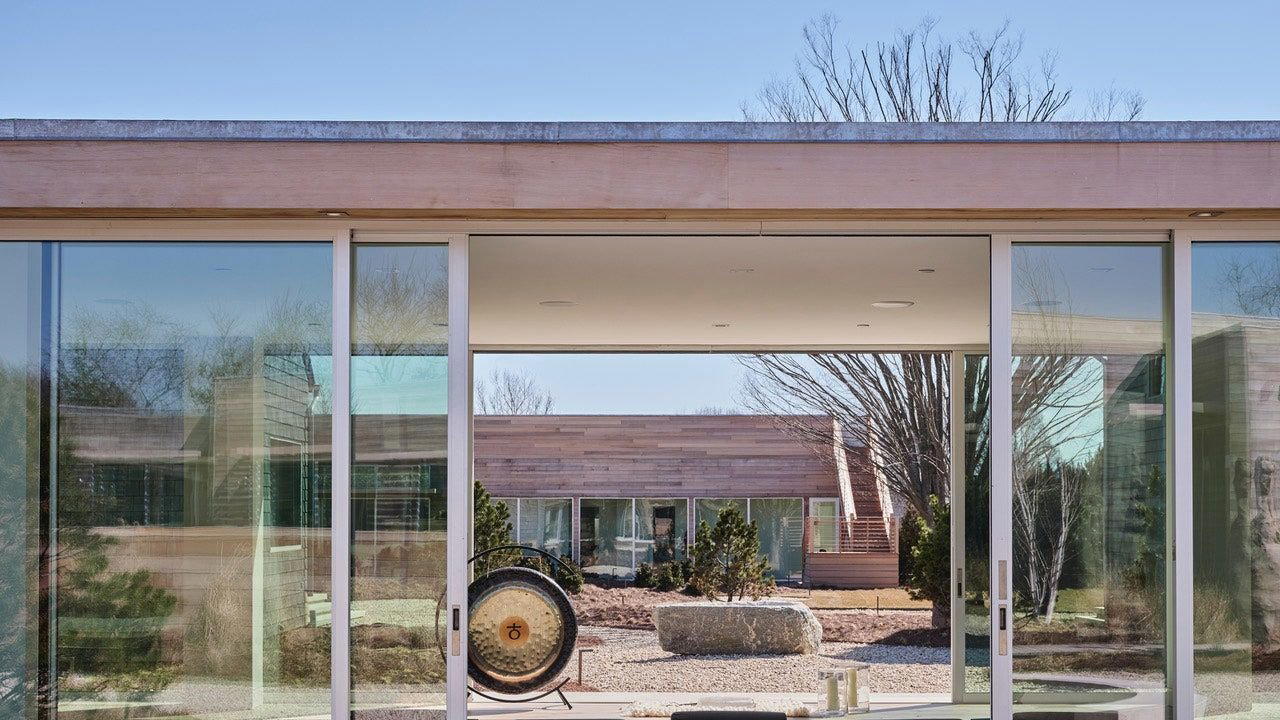
Where Charred Wood Meets Open Sky
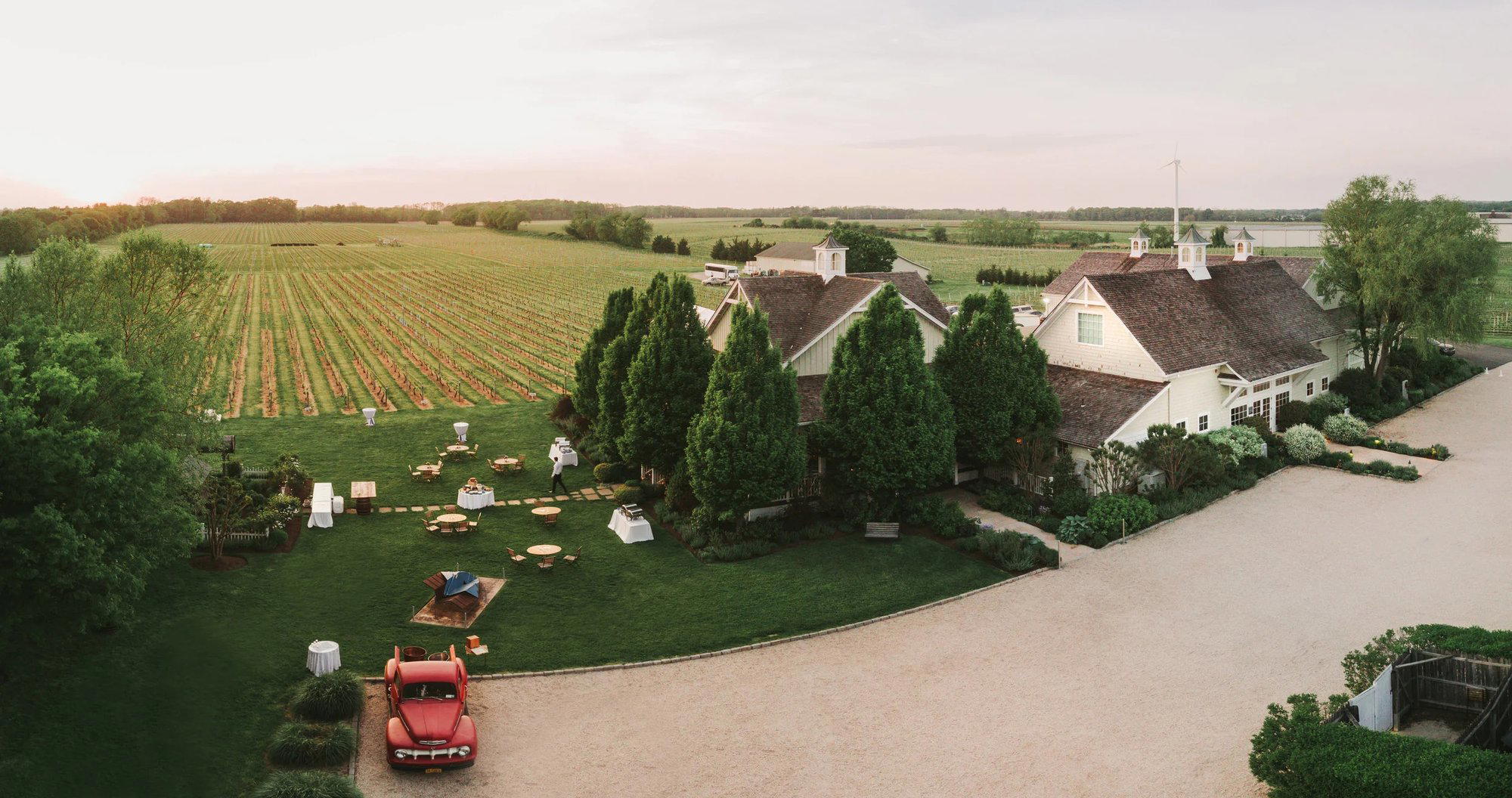
The South Fork of Long Island has spent decades sorting itself into distinct registers. The Hamptons corridor runs from the gregarious to the quietly grand, and Water Mill sits closer to the latter end of that spectrum. Farms still border the road on Montauk Highway, and the light in late afternoon takes on the particular quality that has drawn artists to this stretch since the mid-twentieth century. Against that backdrop, a property built around the Japanese principle of shou sugi ban, the ancient technique of charring cedar to preserve and transform it, reads less as an architectural novelty and more as a considered response to the place itself.
Shou Sugi Ban House, at 337 Montauk Highway, anchors its identity in that material philosophy. Charred timber as a construction and design language carries specific cultural weight: it originated in rural Japan as a preservation technique, and its contemporary revival has been taken up by architects seeking materials that age visibly and honestly rather than resist time cosmetically. The result, when executed at property scale, is architecture that looks different in rain than in sun, different in spring than in autumn. The building participates in the seasons rather than insulating guests from them.
The Architecture as Program
In the current American wellness-property market, design has become a primary differentiator. The large resort brands have converged on a recognizable vocabulary: natural stone, neutral linen, infinity edges, curated local art. The smaller specialist properties have had to articulate something more specific to avoid being absorbed into that generic category. Shou Sugi Ban House belongs to this second cohort, where the architectural decision is also the programmatic one. The material choice is not decorative; it structures the entire sensory register of a stay.
Properties like Amangiri in Canyon Point use poured concrete that mirrors canyon geology; Post Ranch Inn in Big Sur positions its structures to disappear into the coastal ridge. In each case, the architecture is doing editorial work, telling guests what kind of attention the property is asking them to bring. Shou Sugi Ban House asks for a specific kind of looking: slow, material, attuned to surface and texture rather than spectacle.
For guests accustomed to properties where design is a backdrop, this can require recalibration. For guests who have sought out Ambiente in Sedona or Amangani in Jackson Hole precisely because the built environment carries meaning, Shou Sugi Ban House occupies a legible and appealing position.
Water Mill as Context
Location is doing real work here. Water Mill is not the Hamptons of the fashion-week crowd; it lacks the visible social performance of Southampton village or the concentrated restaurant density of East Hampton. What it offers instead is scale and quiet. The surrounding area is agricultural in a way that the further East End is not, and the property's relationship to that landscape is part of its argument. For an address built around a Japanese aesthetic tradition that treats nature as participant rather than ornament, proximity to open farmland and the low-drama rhythms of the South Fork interior is a genuine asset.
Guests arriving from Manhattan typically take the Long Island Rail Road to Southampton or drive via the LIE or Route 27. The drive from midtown runs roughly two to two and a half hours outside peak summer traffic, though summer Fridays on Route 27 are notoriously compressed and many guests travelling between late June and Labor Day opt for early morning departures or midweek arrivals to avoid the worst of it. The property sits on the highway rather than tucked behind dunes, which means access is direct if not secluded.
Placing It in the Wellness-Property Tier
The American wellness retreat has stratified considerably over the past decade. At one end sits the medically oriented destination spa, typified by Canyon Ranch Tucson, where structured programming and clinical services anchor the offer. At the other end are properties where wellness is more atmospheric than programmatic: the right materials, the right food sourcing, the right relationship to landscape, but no fixed schedule. Shou Sugi Ban House appears to operate closer to the latter register, where the design itself is the primary wellness delivery mechanism and guests are expected to construct their own pace within it.
This is a different value proposition from the full-program model, and it suits a specific guest profile: those who have done the structured retreat and now want the container without the curriculum. It also positions the property closer to hotels like Blackberry Farm in Walland or SingleThread Farm Inn in Healdsburg, where a coherent material and culinary philosophy does more work than any scheduled activity could.
Planning a Stay
The Hamptons season concentrates heavily between Memorial Day and Labor Day, and Water Mill follows that pattern. Rates across the South Fork rise sharply in July and August, and availability at design-led properties in this corridor tightens weeks in advance for summer weekends. The shoulder seasons, particularly May and September, offer a meaningfully different experience: the light remains good, the crowds thin considerably, and the agricultural character of Water Mill asserts itself more clearly. For guests whose interest is in the architecture and the sensory qualities of the property rather than the social calendar of the Hamptons, a May or October visit is worth considering seriously.
For those building a broader Northeast itinerary, the South Fork pairs naturally with a New York City base. Aman New York and The Fifth Avenue Hotel represent two different registers of Manhattan luxury and work as departure points before or after a Water Mill stay. For guests extending north into the Hudson Valley, Troutbeck in Amenia offers a similarly considered property in a different landscape tradition.
Our full Water Mill restaurants guide covers the dining options within reach, which skew toward farm-to-table formats and the kind of produce-driven cooking that the South Fork's agricultural base makes possible.
How It Stacks Up
| Venue | Price | Awards |
|---|---|---|
| Shou Sugi Ban HouseThis venue — the venue you are viewing | Not listed | Not listed |
| Aman New York | Not listed | 3 Michelin Keys · World's 50 Best #87 |
| Amangiri | $1,000–1,500 | 3 Michelin Keys · World's 50 Best #45 |
| Hotel Bel-Air | $750–1,000 | 3 Michelin Keys · World's 50 Best #57 |
| The Beverly Hills Hotel | Not listed | 3 Michelin Keys · World's 50 Best #65 |
| The Carlyle, A Rosewood Hotel | $1,500–2,500 | 2 Michelin Keys · World's 50 Best #64 |
Recognition history
Dated appearances from independent guides and award organizations, with the underlying list record or original source where available.
World Spa Awards New York's Best Wellness Retreat 2026 Nominee
World Spa Awards
Full recognition history (3 entries)
World Spa Awards North America's Best Wellness Retreat 2025 Nominee
World Spa Awards
World Spa Awards New York's Best Wellness Retreat 2025 Winner #1
World Spa Awards
Continue exploring
More in Water Mill
Hotels in Water Mill
Browse all →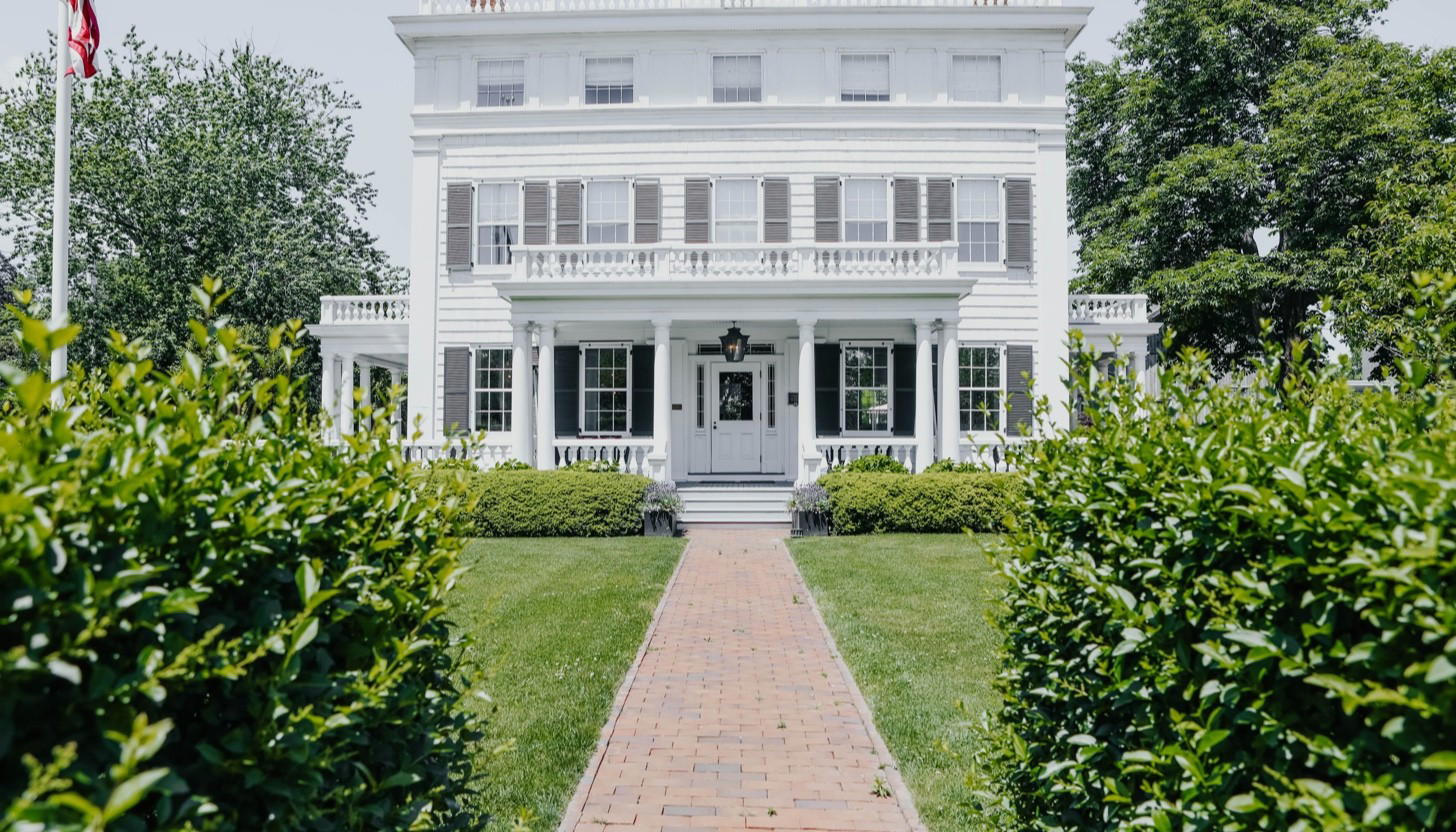
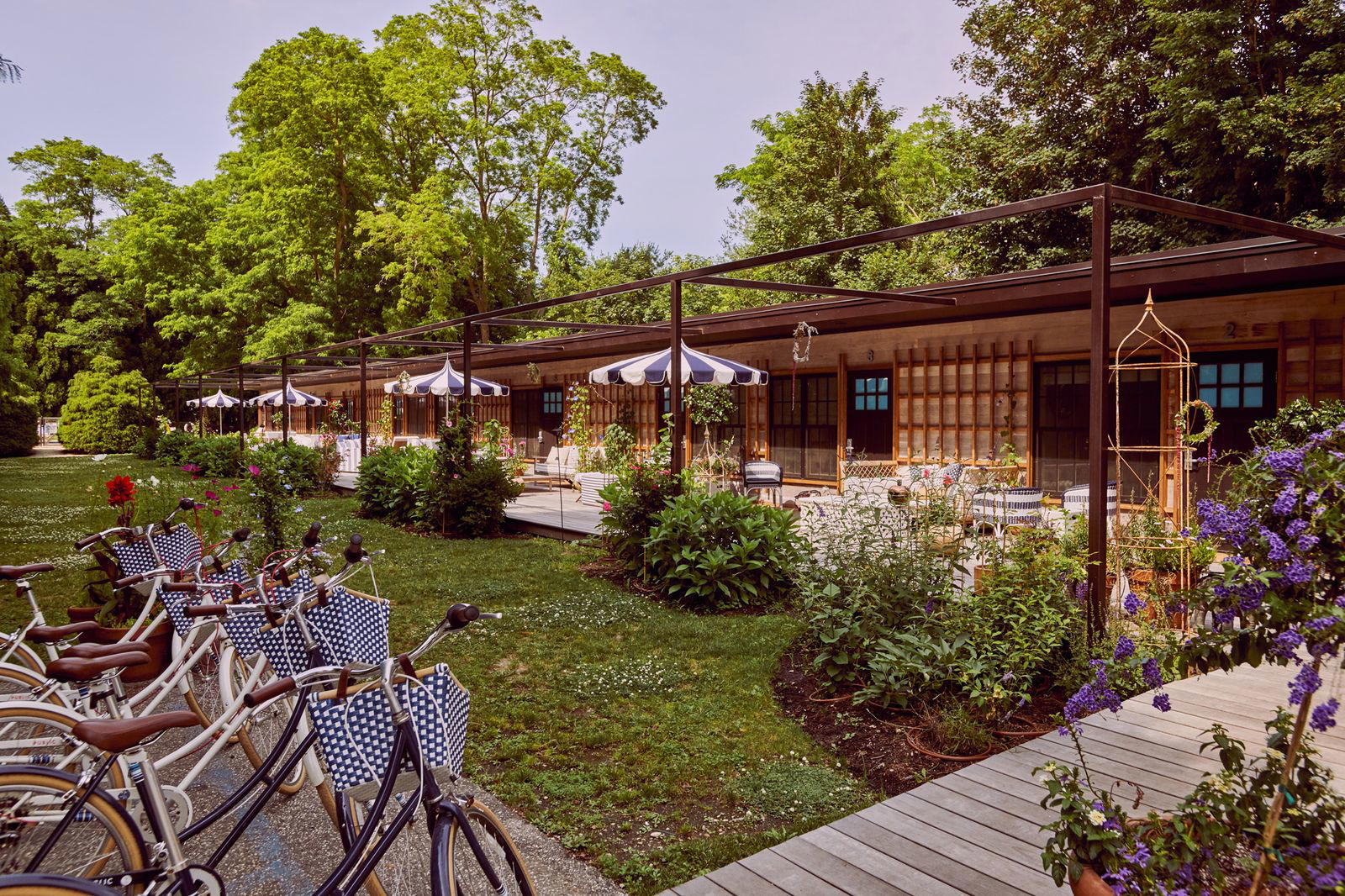
Bars in Water Mill
Browse all →
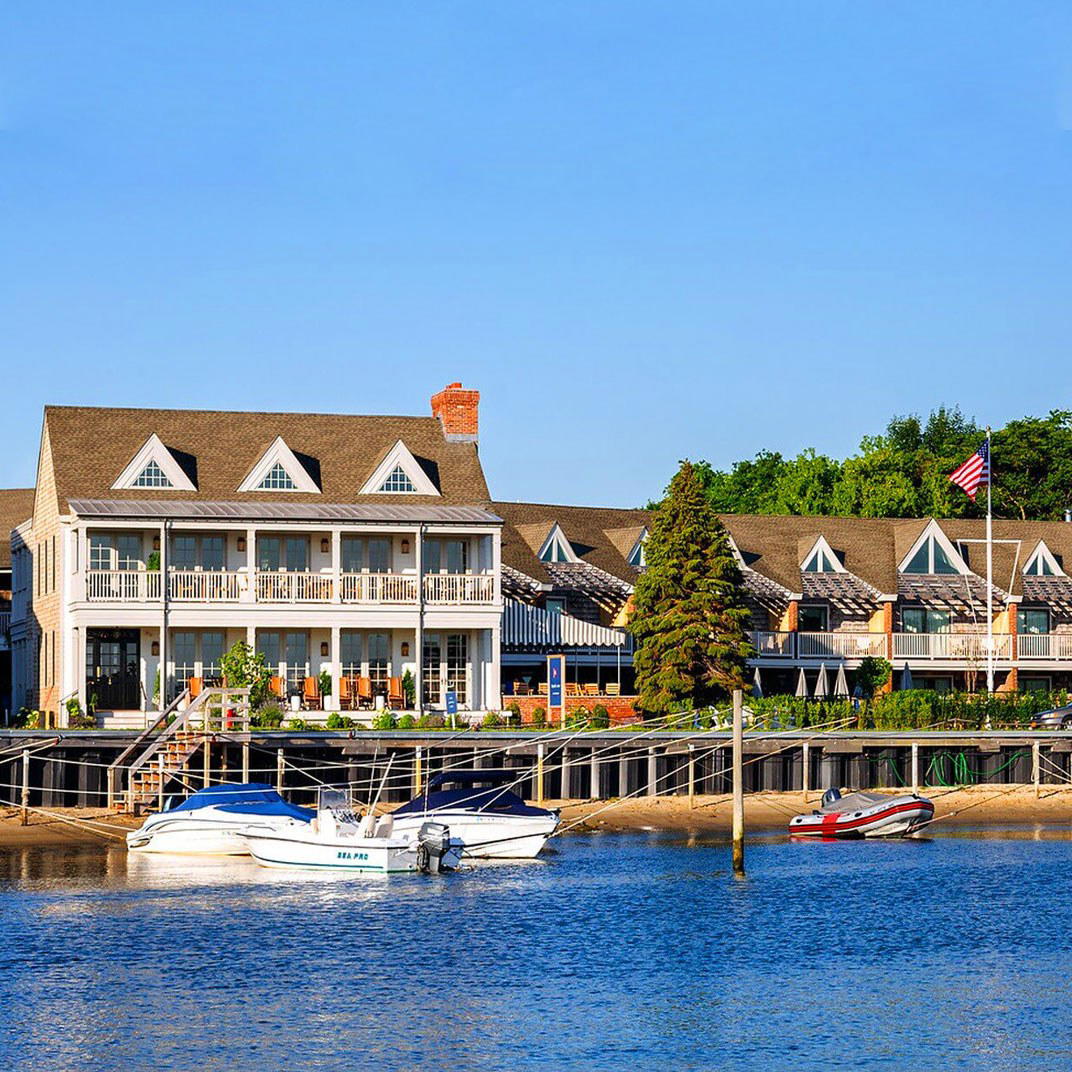
Restaurants in Water Mill
Browse all →

Details
- Quiet
- Elegant
- Minimalist
- Intimate
- Sophisticated
- Wellness Retreat
- Romantic Getaway
- Anniversary
- Weekend Escape
- Destination Spa
- Garden
- Spa
- Pool
- Fitness Center
- Concierge
- Garden
- Wheelchair Accessible
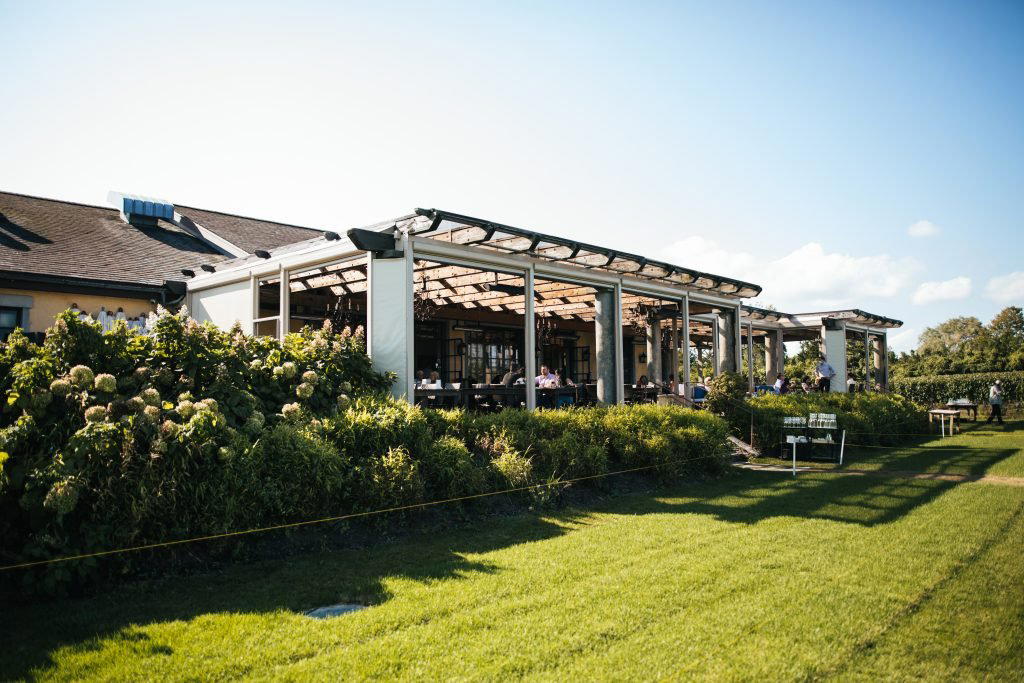
Tranquil and serene with natural light from floor-to-ceiling windows, minimalist Japanese design, soft lighting from gas fireplaces, and immersive nature surroundings.