
Tabelog 100 #1
Our verdict
A compact Shin-Fukushima yakitori address with counter seating, table space, and a course-led format built around charcoal-grilled chicken. Sumibi Yakitori Torio sits in Osaka’s higher-priced yakitori bracket, backed by Tabelog 100 Yakitori WEST selections in 2023, 2024, and 2025, with sake, shochu, and wine treated as part of the meal rather than an afterthought.

Pearl is the En Primeur Club membership app, where members save venues, book tables and use the concierge.
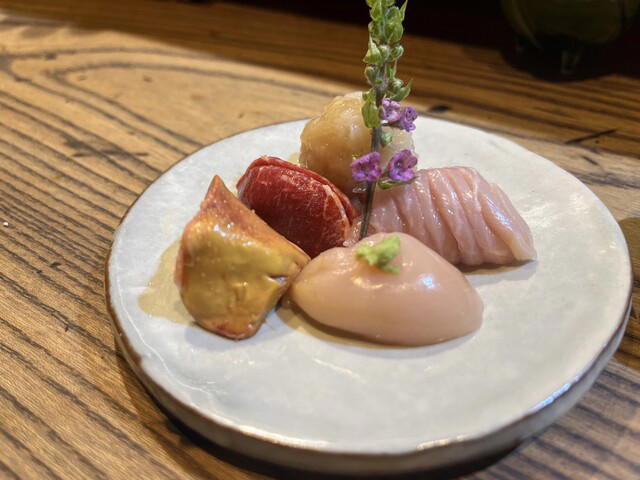
Fukushima’s evening dining rhythm is built around focused, food-led stops rather than grand entrances. Here, yakitori can become a controlled sequence of heat, timing, seasoning, and pacing, with the final impression depending on how the meal is ordered and served. Sumibi Yakitori Torio belongs in Fukushima’s recognized yakitori conversation, where value comes not from abundance alone but from the appeal of a charcoal-grilled chicken-skewer meal with a clear category focus.
Fukushima is one of the area’s most useful dining districts because it rewards concentration over hotel-lobby polish. A night can move from coffee to izakaya to specialist dining within a compact area, making the area strong for food-led itineraries rather than single trophy reservations. For a wider read, see Our full Fukushima restaurants guide, with broader planning through Our full Fukushima hotels guide, Our full Fukushima bars guide, Our full Fukushima wineries guide, and Our full Fukushima experiences guide.
Charcoal yakitori treated as a course, not a snack crawl
Fukushima has a broad chicken-skewer culture, from quick-drinking counters to more deliberate formats where sequence matters. A yakitori meal can ask diners to submit to pacing: different cuts, seasoning choices, and side dishes depending on the restaurant’s style and the diner’s appetite. Here, the listed categories centre on yakitori, Japanese cuisine, and izakaya-adjacent cooking, with the appeal coming from how a narrow charcoal craft can become a full dinner rather than only a casual skewer stop.
That matters for value. At this level, the question is not whether yakitori is cheaper elsewhere, but whether the meal delivers enough craft, ingredient focus, and category clarity to justify choosing it over other Japanese formats at a similar spend. Travellers seeking variety and a looser table may find more range in izakaya-led routes. Diners focused on chicken, charcoal, and the subtle differences between skewers get a narrower but more coherent proposition.
The Tabelog 100 Yakitori recognition for 2025 places the restaurant inside a recognized group rather than a casual neighbourhood-only category. Tabelog’s 3.74 score also signals sustained user attention in a Japanese market where ratings often cluster differently from many overseas review platforms. These are not substitutes for taste, but useful filters in a dining scene where excellent meals may sit behind limited English-facing infrastructure.
Fukushima's small-room economy changes the calculation
The surrounding dining culture is central. This is not a district defined only by large, broad-appeal rooms. Specialist yakitori appeals to diners who want the grammar of the genre visible or at least central to the meal: skewers, charcoal, pauses between rounds, and the discipline of a format built around concentration rather than menu sprawl. Small groups can work well when the goal is a focused meal rather than a broad, free-form night out.
That scale also explains why Fukushima’s dining culture differs from more obvious visitor zones. Many stronger addresses are specialist rooms rather than broad-appeal restaurants. In the same district, the comparison set runs from low-cost udon at Udon Sanku to pork shabu-shabu at Agu Buta Shabushabu Senmon Ten Toriou Bettei, curry at Spice Curry Tairiku, coffee at MONDIAL KAFFEE 328 GOLD RUSH, and other focused rooms such as Artisan. These are not interchangeable; they show how Fukushima lets diners choose between casual local eating and deliberate specialist formats without leaving the area.
Within that context, Sumibi Yakitori Torio suits diners who would rather spend the evening on one focused yakitori meal than graze across several stops. Its listed categories—yakitori, Japanese cuisine, and izakaya—place it in a familiar but technique-sensitive part of Japanese dining. Yakitori at this level competes with other serious Japanese meals, not only beer-and-skewer informality.
How to place it in a Fukushima food itinerary
For travellers with one serious dinner, the choice is category preference. Other Japanese formats tell one story about precision; yakitori tells another, more elemental one about charcoal, portioning, and the Japanese habit of turning a narrow craft into a full evening. This address best suits diners who already understand yakitori can be a complete dinner, not just a prelude to another stop.
Fukushima also rewards careful sequencing across a trip. Lighter or more casual nearby meals can balance a charcoal-led dinner, and unnamed local dining rooms show the district’s range rather than a single dining identity. Travellers extending the search can map the category against other specialist rooms and casual formats without treating them as direct substitutes. The point is not to collect names, but to understand how Sumibi Yakitori Torio fits into a broader rhythm of focused Fukushima dining.
The recommendation is simple: choose this for a focused yakitori dinner in Fukushima when the appeal is category focus, charcoal-grilled craft, and recognized standing rather than menu breadth. The listed JPY 10,000 - JPY 14,999 dinner range, Tabelog 3.74 score, and 2025 Tabelog Yakitori recognition make the proposition clear. It is not merely the casual skewer stop; it is the more deliberate version of the genre.
Frequently asked questions
How much does it cost to eat at Sumibi Yakitori Torio?
Pricing at Sumibi Yakitori Torio is listed as JPY 10,000 - JPY 14,999.
What part of town is Sumibi Yakitori Torio in?
Fukushima.
Is Sumibi Yakitori Torio open every day?
Specific opening hours are not provided here; check directly with the restaurant before visiting.
What is Sumibi Yakitori Torio known for?
It is selected for Tabelog Yakitori recognition for 2025, with listed categories including yakitori, Japanese cuisine, and izakaya. Its Tabelog score is 3.74.
Can Sumibi Yakitori Torio handle vegetarian requests?
The listed categories centre on yakitori, Japanese cuisine, and izakaya, so vegetarian diners should confirm suitability directly before booking.
Would Sumibi Yakitori Torio be comfortable with kids?
Family suitability is not specified here. Confirm directly with the restaurant before planning a visit with children.
Awards and Standing
Comparable venues to calibrate price, style, and recognition.
| Venue | Cuisine | Price | Awards | Notes |
|---|---|---|---|---|
| Sumibi Yakitori TorioThis venue (the venue you are viewing) | Yakitori Izakaya | $50–100 | Tabelog 100 #1 | Not listed |
| Chuka Soba Mugen | Chukasoba Ramen | $10–20 | Michelin Bib Gourmand · Tabelog 100 #8 | Fukushima |
| Spice Curry Tairiku | Osaka-style spice curry | $10–20 | Tabelog 100 #45 | Fukushima |
| Agu Buta Shabushabu Senmon Ten Toriou Bettei | Agu pork shabu-shabu specialist | $50–100 | Tabelog 100 #22 | Fukushima |
| Shoppe Shoppe | Japanese Ramen | $10–20 | Tabelog 100 #11 | Fukushima |
| Shoku Pan Kobo Rami Fukushima honten | Japanese shokupan bakery | $1–10 | Tabelog 100 #57 | Fukushima |
Recognition history
Dated appearances from independent guides and award organizations, with the underlying list record or original source where available.
Tabelog 100 #1 · No. 1
Tabelog · Tabelog 100 - Yakitori - WEST - 2025
Continue exploring
More in Fukushima
Restaurants in Fukushima
All restaurants in Fukushima →


Bars in Fukushima
Browse all →



Hotels in Fukushima
Browse all →



Wineries in Fukushima
Browse all →
Details
- Cozy
- Classic
- Group Dining
- Casual Hangout
- After Work
- Chefs Counter
- Standalone
- Sake Program
- Beer Program
- A La Carte
- Set Menu
- Sake
- Beer
Current opening hours
- Monday
- 5–10:30 PM
- Tuesday
- 5–10:30 PM
- Wednesday
- 5–10:30 PM
- Thursday
- 5–10:30 PM
- Friday
- 5–10:30 PM
- Saturday
- 5–10 PM
- Sunday
- Closed
Hours can change for holidays and private events. Hours as of .
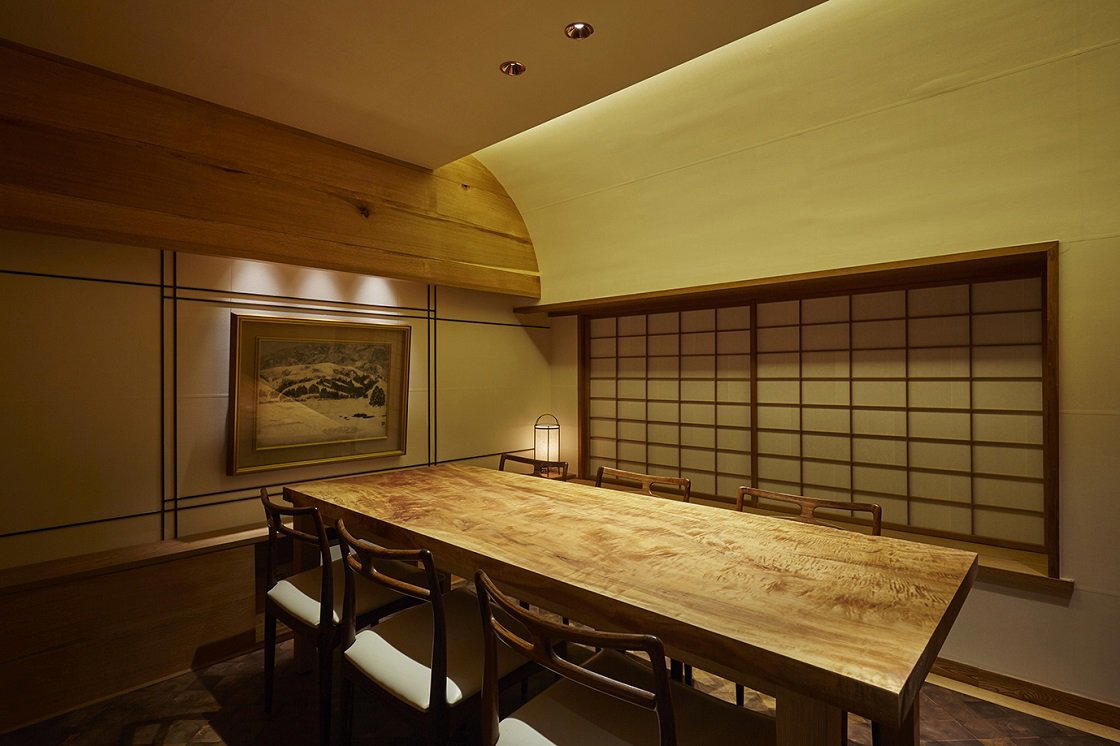
Warm, intimate, and wood-toned, with a refined counter-style yakitori feel that reads as relaxed rather than formal.