
Tabelog 100 #28
Our verdict
Tempura Osakaya Sotetsu is a 12-seat tempura specialist in Osaka’s Fukushima ward, selected for Tabelog’s Tempura 100 in 2025 after earlier selections in 2023 and 2022. The appeal is the counter-led format: a small room, seafood focus, private counter rooms for two or four, and a price tier that puts it well above casual neighborhood dining.

Pearl is the En Primeur Club membership app, where members save venues, book tables and use the concierge.
The menu
What to order
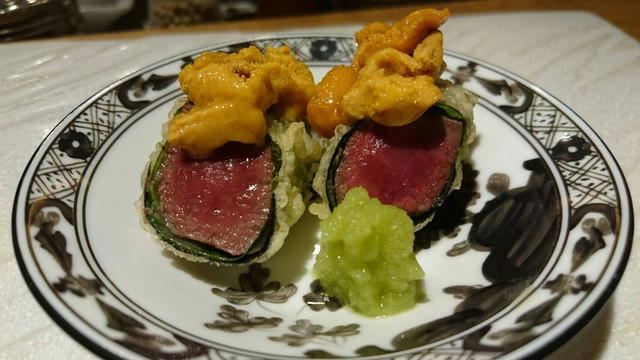
- Black Wagyu Beef Fillet Tempura with Fresh Sea Urchin
- Natural tiger prawns
- Live Ise lobster tempura
Fukushima’s dining streets sit close enough to Osaka Station to catch the city’s office traffic, yet the area has a different rhythm from larger department-store restaurants and hotel dining rooms. The draw is scale: specialist kitchens, focused menus, and restaurants where a narrow craft matters more than breadth. Tempura fits that grammar well. It is not a cuisine of excess, despite the oil; at serious tempura restaurants, the point is timing, moisture control, and the split-second judgment between batter as shield and batter as burden.
That is the frame for Tempura Osakaya Sotetsu, a tempura, Japanese cuisine, and seafood restaurant in Fukushima. Its selection for Tabelog’s Tempura 100 in 2025 places it in a national specialist category rather than the broader Osaka comfort-food conversation. The Tabelog score sits at 3.75, a useful signal in Japan’s tougher user-rating culture, where numbers do not inflate as casually as they do on many global platforms. The listed budget is Dinner: JPY 15,000 - JPY 19,999; Lunch: JPY 10,000 - JPY 14,999.
Tempura in Osaka works through restraint, not spectacle
Osaka is often flattened into takoyaki, okonomiyaki, and late-night drinking, but its higher-end Japanese dining has long had a sharper edge: specialist rooms and tempura houses that prize immediacy. Tempura’s cultural roots run through Edo-period street food and later formal dining, where ingredients are cooked sequentially and eaten before texture collapses. In that tradition, proximity and timing are not theater for their own sake. They are service mechanisms, a way to shorten the distance between fryer and plate.
The restaurant’s emphasis on seafood aligns with that tradition. In serious tempura, seafood is often the clearest measure of control because the margin is narrow: too much heat and delicacy disappears; too little and the batter fails its job. The supplied categories, Tempura, Japanese Cuisine, Seafood, matter here because they position the meal away from a general izakaya template and toward a more focused craft. The appeal is less about variety for its own sake than about a Japanese dining register built around sequence, freshness, and the brief life of texture.
Fukushima’s range makes that positioning clearer. Ramen Jinsei JET operates in the area’s lower-priced ramen lane, while Makino occupies a more accessible casual bracket, and Michino Le Tourbillon represents a French register outside the immediate comparison. Against those, this restaurant belongs to a narrower occasion: not an everyday bowl, not a broad izakaya table, but a tempura meal where pacing, oil, and ingredient sequence define the evening.
A focused format with disciplined pacing
The format does much of the editorial work. A focused tempura restaurant depends on attention, not systemization, and the best meals in the genre keep the cooking close enough for texture to matter. That detail matters in tempura: when the timing slips, a specialist meal can start to feel like a plated banquet. The point is immediacy, with each piece understood as something that should be eaten at the moment it is ready.
The restaurant also reads as more precise than expansive. That is not unusual across Japan’s serious tempura restaurants, where space, pacing, and fragrance sensitivity can make the room feel calibrated around the food rather than around lingering. For diners, the practical lesson is simple: arrive ready to follow the tempo of the meal. Hot oil, seafood aroma, and subtle seasoning are part of the experience, so the best approach is one of attention rather than distraction.
Service details should be understood through that same lens. Tempura Osakaya Sotetsu is not trying to be all things to all diners; it is a Fukushima specialist with a defined category and a price tier that sets expectations before the meal begins. The Tabelog Tempura 100 recognition puts it in a category where diners should arrive on time, follow the pacing of the meal, and treat the room as part of the cooking apparatus.
Where it sits in a Fukushima dining day
For travelers using Osaka as a food city rather than a transit hub, Fukushima is a useful area because it compresses several versions of dining into easy reach: ramen, bistro cooking, izakaya formats, and small Japanese restaurants. This restaurant makes sense when the itinerary needs one focused Japanese meal in a place that can otherwise skew lively and informal. It is less about surveying Osaka’s abundance than choosing a precise craft and letting the format dictate the night.
The broader local guide is useful for building that contrast. For more Fukushima options, see Our full Fukushima restaurants guide, or compare the area’s non-restaurant planning through Our full Fukushima hotels guide, Our full Fukushima bars guide, Our full Fukushima wineries guide, and Our full Fukushima experiences guide. Nearby and related restaurant pages, along with other Fukushima dining rooms, show how wide the local spread becomes once the focus moves beyond tempura.
For wider Japanese and international context, the contrast is just as useful: other dining rooms in Japan and abroad all sit in different dining logics, from casual everyday formats to more formal destination meals. Tempura Osakaya Sotetsu is for the diner who wants the quieter Osaka: a specialist vocabulary, a Fukushima setting, and the discipline of food served at the moment it is ready.
Frequently asked questions
Is Tempura Osakaya Sotetsu a family-friendly restaurant?
Tempura Osakaya Sotetsu is a specialist tempura, Japanese cuisine, and seafood restaurant in Fukushima. Families should check the venue’s current policies directly before booking, especially if visiting with young children.
How would you describe the vibe at Tempura Osakaya Sotetsu?
It is a focused tempura restaurant in Fukushima. The effect is controlled rather than casual, with a listed budget of Dinner: JPY 15,000 - JPY 19,999; Lunch: JPY 10,000 - JPY 14,999.
Is Tempura Osakaya Sotetsu more mid-range or high-end?
Pricing at Tempura Osakaya Sotetsu is listed as Dinner: JPY 15,000 - JPY 19,999; Lunch: JPY 10,000 - JPY 14,999.
What's the address for Tempura Osakaya Sotetsu?
Fukushima.
What's the best way to book Tempura Osakaya Sotetsu?
Reservations should be checked through the venue’s official channels. The public record also shows a phone number, +81-6-6345-2580. Check the venue's official channels for the latest details.
Pricing, Compared
Comparable options at the same price tier.
| Venue | Cuisine | Price | Awards | Notes |
|---|---|---|---|---|
| Tempura Osakaya SotetsuThis venue (the venue you are viewing) | Tempura | $100–150 | Tabelog 100 #28 | Not listed |
| Agu Buta Shabushabu Senmon Ten Toriou Bettei | Agu pork shabu-shabu specialist | $50–100 | Tabelog 100 #22 | Fukushima, Agu pork shabu-shabu specialist |
| Wagyu Ryori Isseki Sanchou | Modern Wagyu Yakiniku & Course Dining | $50–100 | Tabelog 100 #45 | Fukushima Ward, Modern Wagyu Yakiniku & Course Dining |
| Yakitori Kokure | Modern Yakitori & Natural Wine | $50–100 | Tabelog 100 #34 | Fukushima, Modern Yakitori & Natural Wine |
| Sushi Hijiri | Edomae Sushi Omakase | Not listed | Tabelog 100 #47 | Fukushima, Edomae Sushi Omakase |
| Rojiura Avant-garde | Standing Oden Izakaya in a Renovated Traditional House | $20–30 | Tabelog 100 #34 | Fukushima, Standing Oden Izakaya in a Renovated Traditional House |
Recognition history
Dated appearances from independent guides and award organizations, with the underlying list record or original source where available.
Tabelog 100 #28 · No. 28
Tabelog · Tabelog 100 - Tempura - 2025
Continue exploring
More in Fukushima
Restaurants in Fukushima
All restaurants in Fukushima →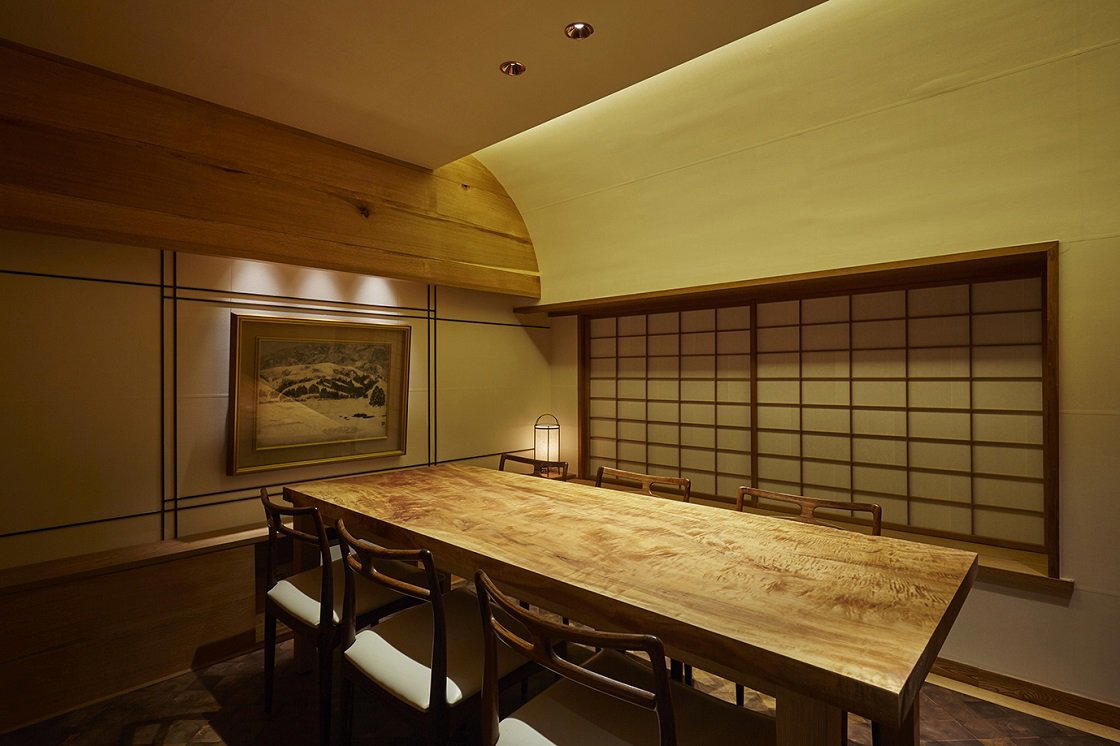



Bars in Fukushima
Browse all →


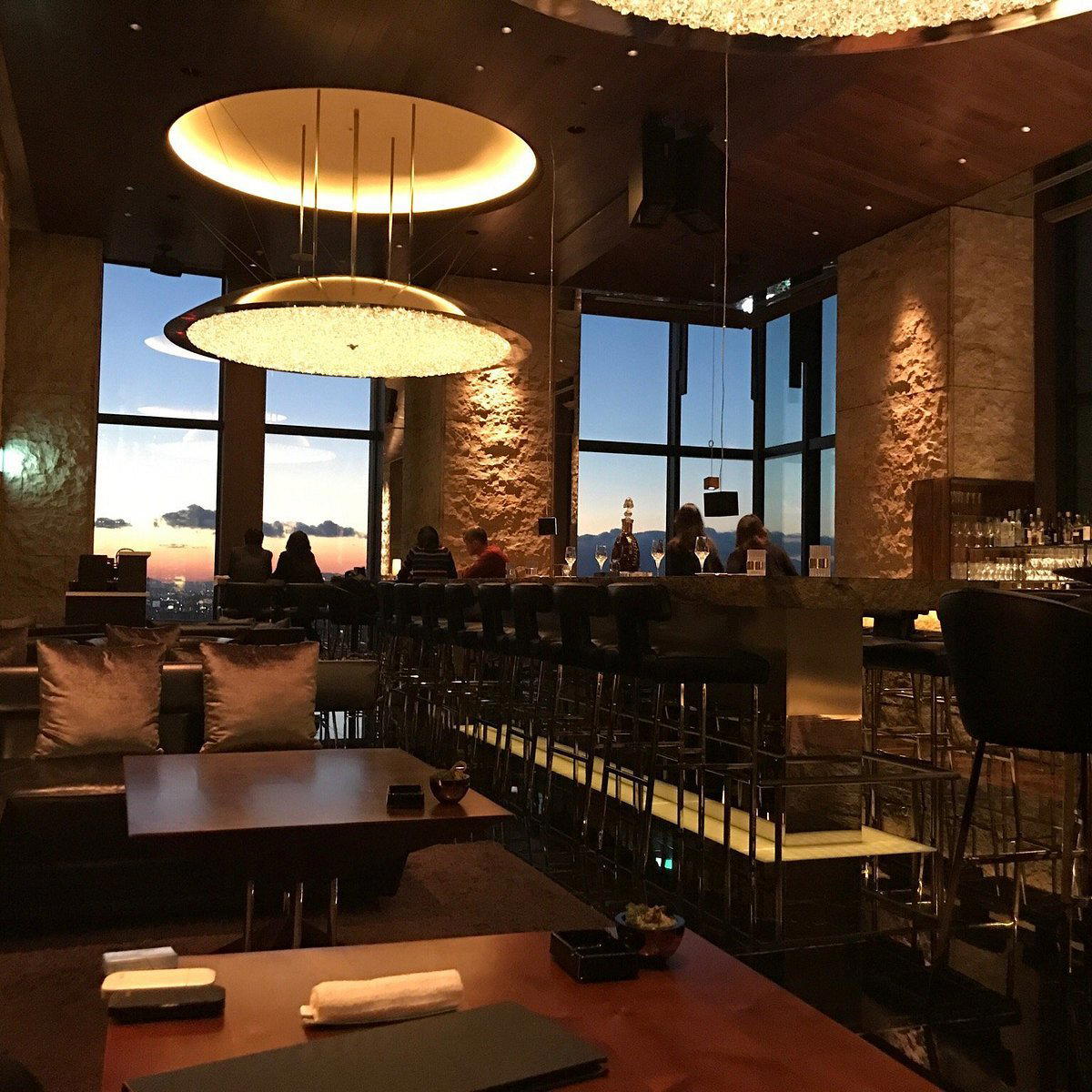
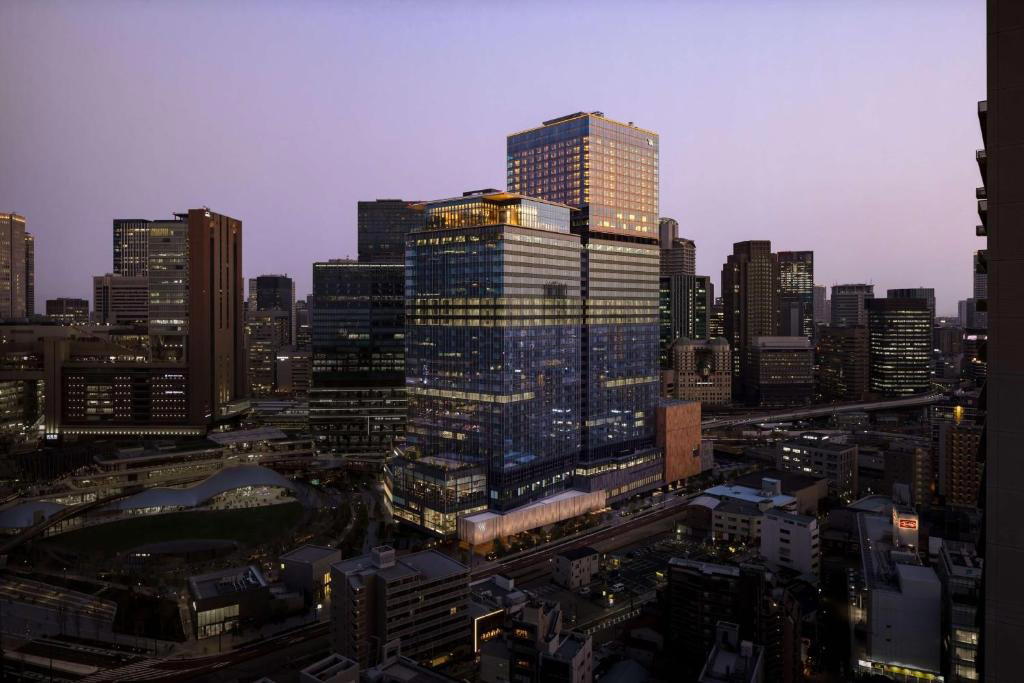
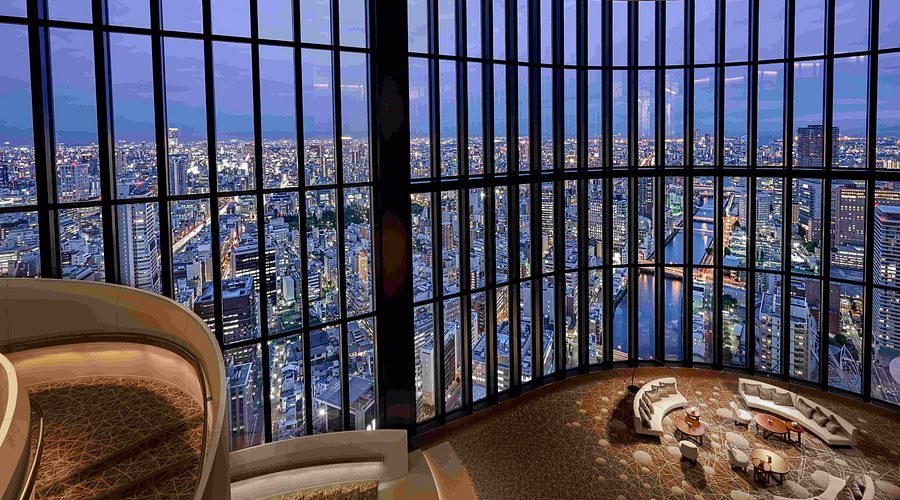
Hotels in Fukushima
Browse all →

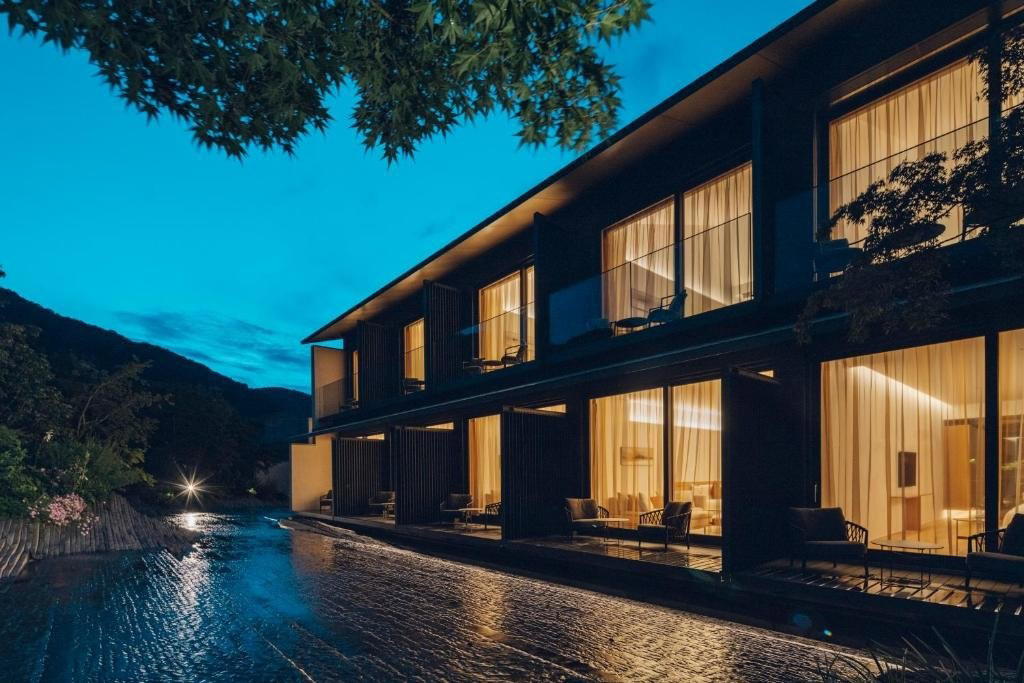
Wineries in Fukushima
Browse all →
Details
- Cozy
- Elegant
- Intimate
- Quiet
- Date Night
- Business Dinner
- Special Occasion
- Group Dining
- Standalone
- Design Destination
- Sake Program
- Beer Program
- Local Sourcing
- Sustainable Seafood
- Set Menu
- A La Carte
- Sake
- Beer
- Pescatarian Friendly
A calm, refined, hidden-gem tempura setting with a discreet, tea-room-like feel and an intimate dining atmosphere.