Our verdict
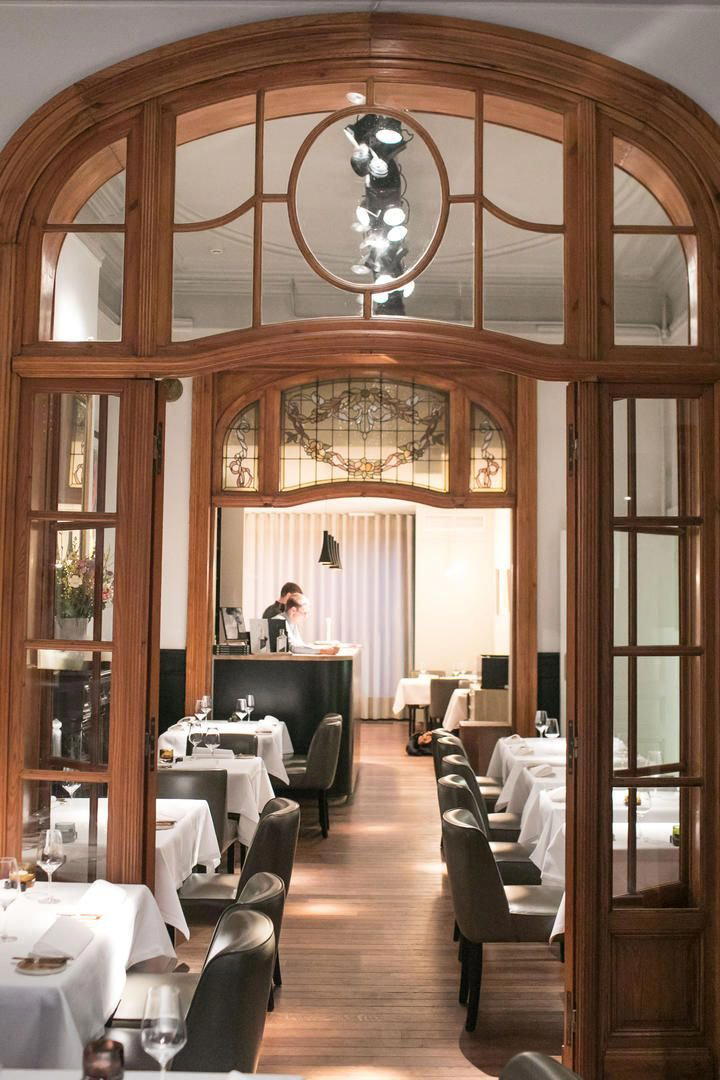
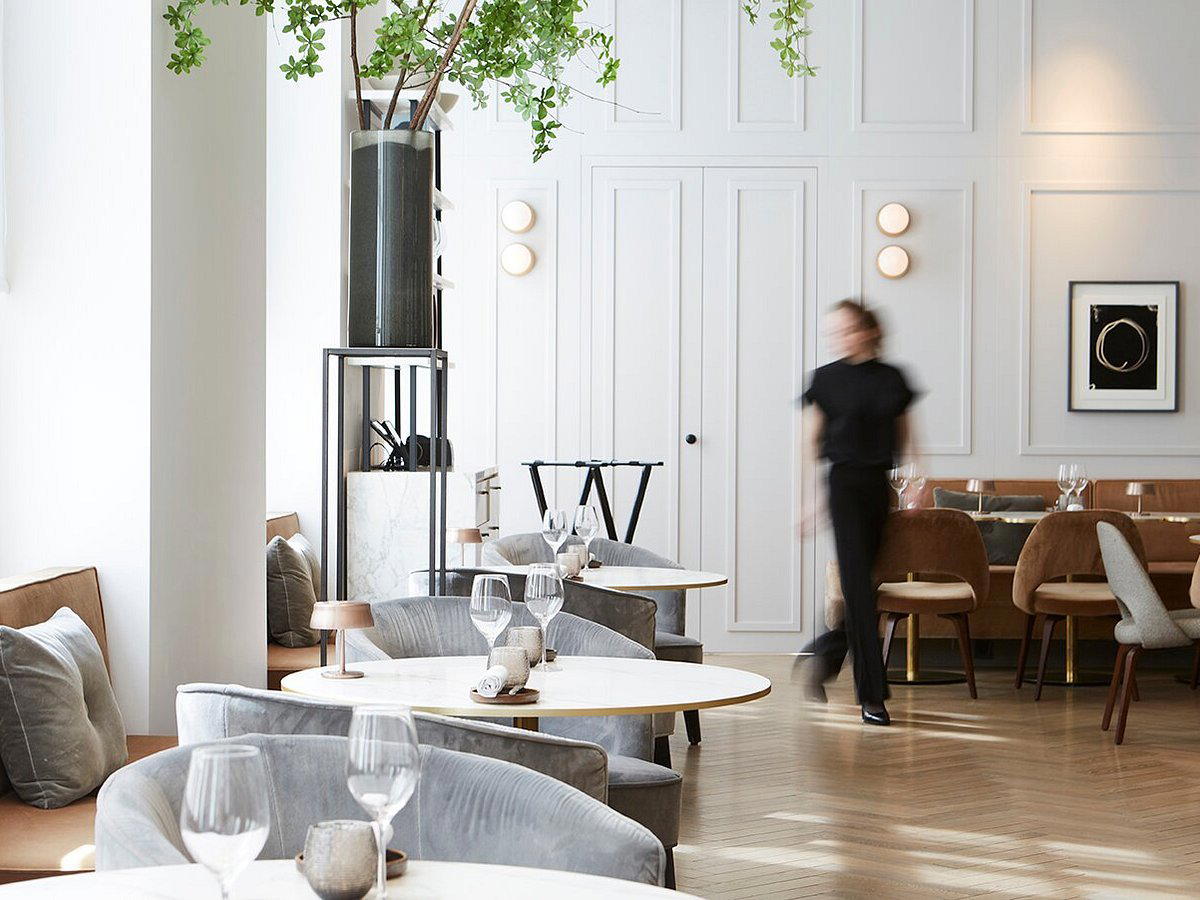
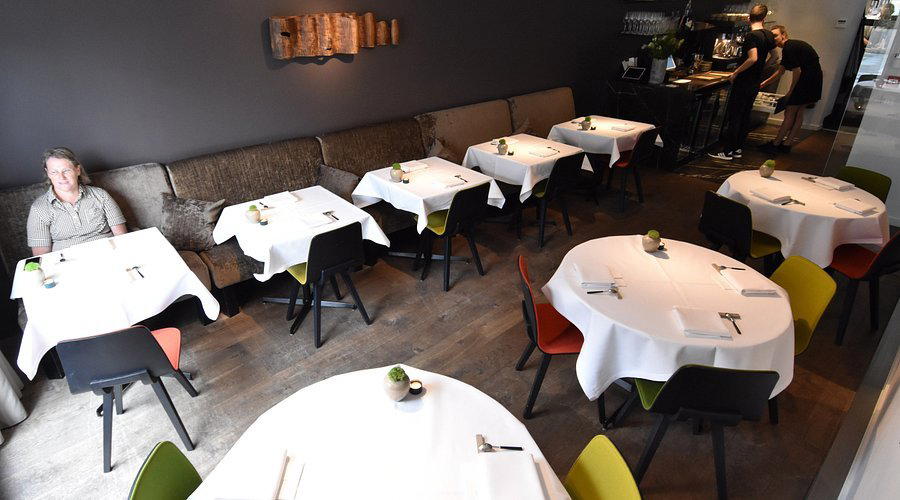
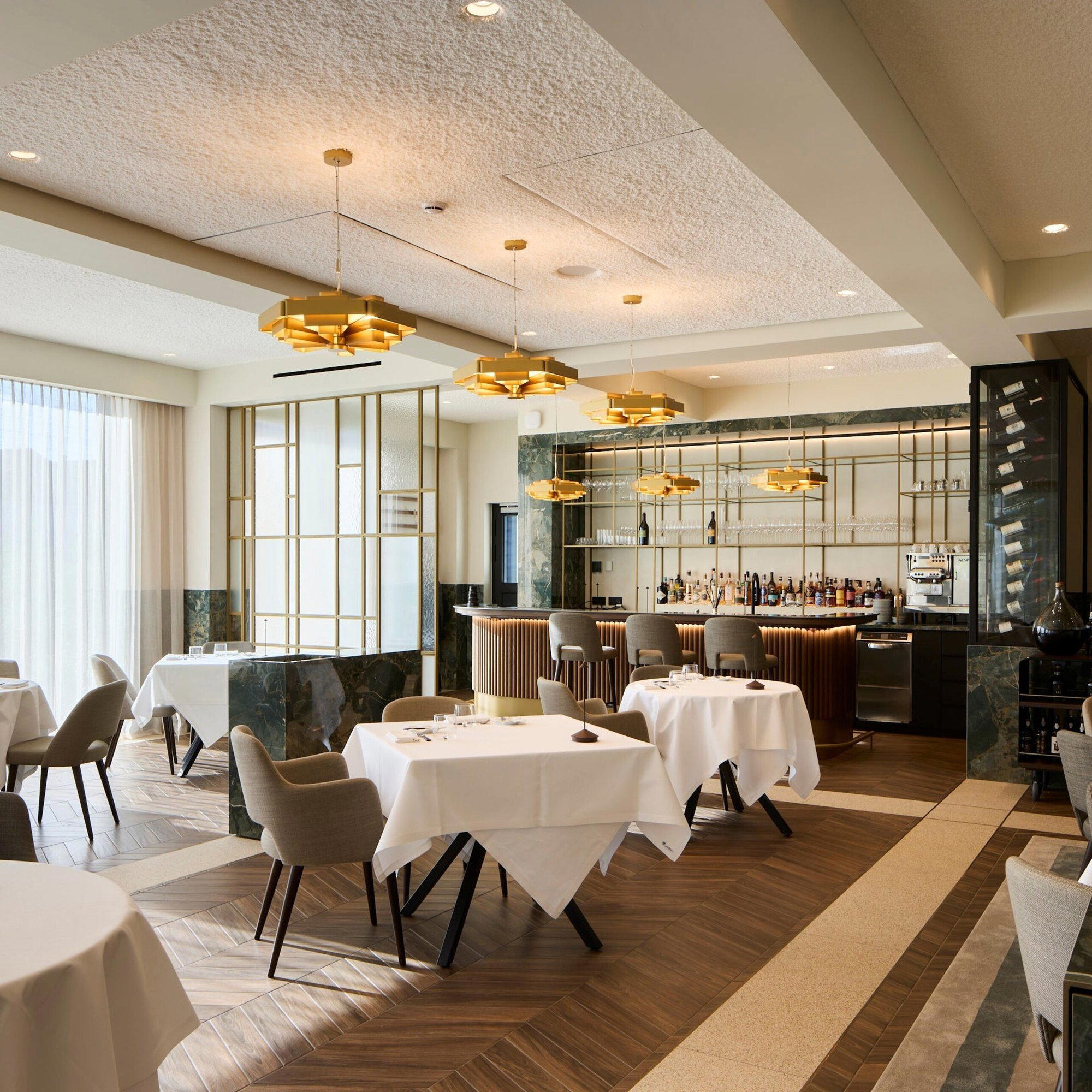
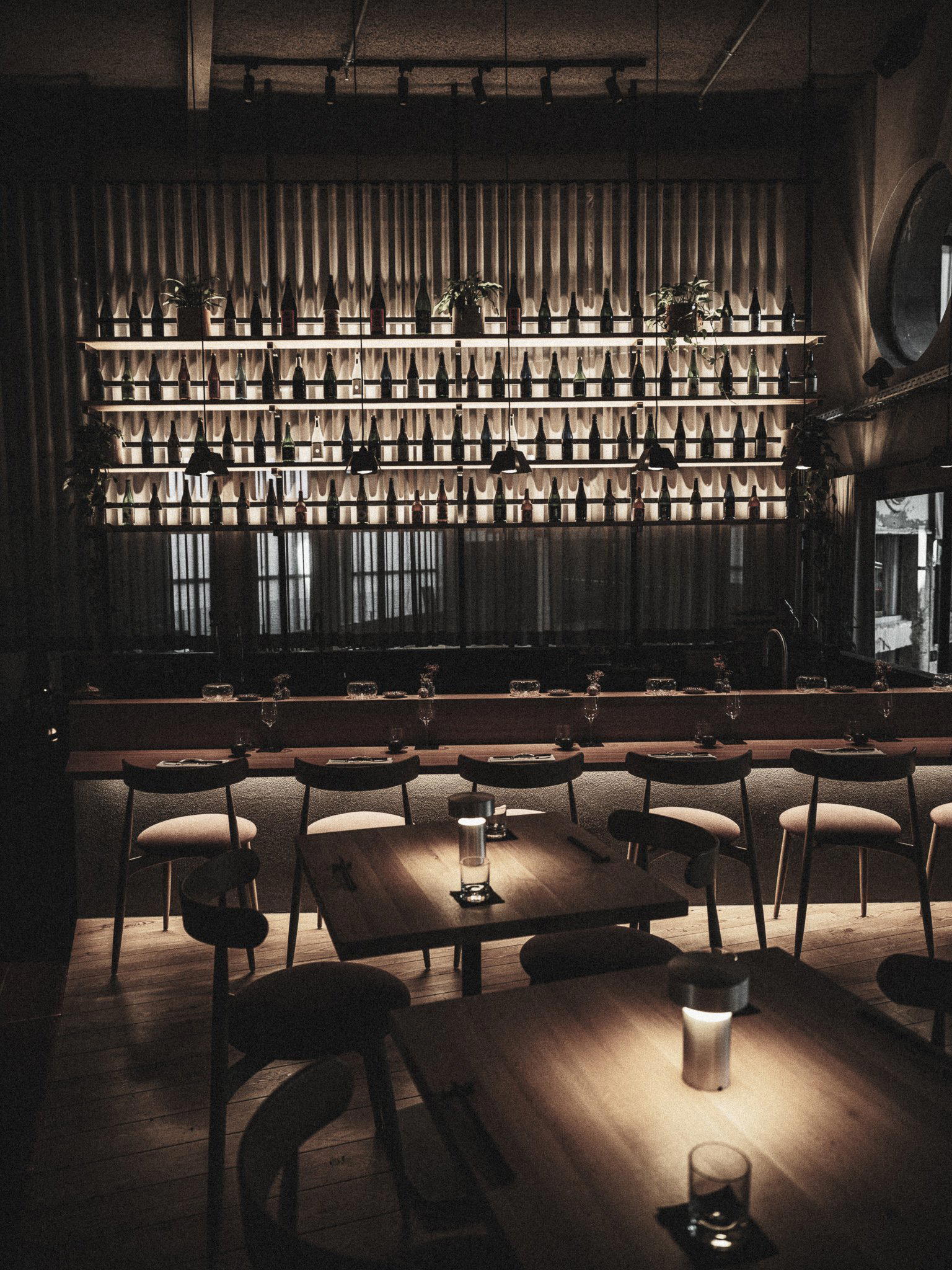
Sakas serves refined Japanese omakase at Lammerstraat 13 in Ghent, with a chef’s counter, an open kitchen, a sake program, and 8- or 16-course omakase menus.

Pearl is the En Primeur Club membership app, where members save venues, book tables and use the concierge.
The menu
What to order
- 16-Course Nigiri Omakase
- 8-Course Omakase
Lammerstraat After Dark (and Before)
Ghent's dining character has always been shaped more by neighbourhood rhythm than by grand-boulevard spectacle. Lammerstraat, a quiet residential street in the city's inner ring, sits outside the tourist circuits clustered around Graslei and Korenmarkt, which means the addresses that establish themselves here tend to do so on repeat local trade rather than passing footfall. Sakas, at number 13, occupies that kind of position: a venue whose address tells you something about who it is cooking for before you even read the menu.
The broader Belgian restaurant scene has grown increasingly stratified over the past decade. At the top tier, destinations such as Hof van Cleve in Kruishoutem, Boury in Roeselare, and Zilte in Antwerp operate on long booking windows and destination-dining logic. Below that tier, a denser, more interesting middle ground has emerged in cities like Ghent, where restaurants compete on neighbourhood credibility and cooking precision rather than formal ceremony. Sakas belongs to that middle conversation.
The Lunch and Dinner Question
Across Ghent's more considered restaurant addresses, the difference between lunch and dinner service is less about menu length and more about tempo and context. Lunch in this city tends toward tighter formats: fewer courses, quicker pacing, a clientele that includes professionals and locals treating themselves mid-week rather than marking a special occasion. Evening service allows the room to breathe differently. The same kitchen, the same sourcing philosophy, the same address, but the social register shifts. Tables linger. Bottles extend the conversation. The meal becomes its own event rather than a punctuation mark in a working day.
For visitors deciding when to come to a place like Sakas, this divide carries practical weight. If your priority is value and ease of booking, the lunch slot at neighbourhood restaurants in Ghent typically offers more availability and, at many addresses, a condensed version of the evening menu at a lower price point. If you want the full arc of a meal and the room at its most alive, the evening service delivers that, though it will cost more time and, almost certainly, more money. Neither is the wrong choice; they answer different questions.
Ghent's dining geography rewards this kind of timing intelligence. The city's restaurant culture, more so than Bruges and arguably more than Brussels in its neighbourhood-level density, has developed a confidence in its own identity. You see that in addresses across the centre and inner ring: Arbane, Astro Boy, BABÚ, and Bij den Wijzen en den Zot all represent different registers of the same civic seriousness about eating well without performance.
Placing Sakas in the Ghent Context
Belgian cooking at the neighbourhood level has historically leaned on French technique filtered through local produce traditions: North Sea fish, East Flemish beef, seasonal vegetables from market gardens that still supply restaurants directly in this part of the country. The restaurants that have earned lasting respect in Ghent tend to work within that inheritance without being slavish to it. Places like Beiruti show that the city's appetite extends well beyond Flemish tradition, but the structural seriousness about produce and preparation remains consistent across the better addresses.
Sakas, located at Lammerstraat 13, sits in that inner-ring pocket where you find Ghent residents rather than visitors. The street's relative obscurity is itself a signal: restaurants that open here are not relying on tourist geography to fill covers. That imposes a kind of discipline. The cooking has to hold up to a local audience returning week after week, which is a harder test than impressing a visitor who will never come back. For a reader weighing whether to make the walk, that context matters more than any single review.
For reference within the broader Belgian fine-dining map, addresses worth tracking include Willem Hiele in Oudenburg, Bartholomeus in Heist, Castor in Beveren, d'Eugénie à Emilie in Baudour, De Jonkman in Sint-Kruis, and L'air du temps in Liernu. These are the benchmark addresses against which serious Belgian cooking gets measured regionally. Sakas operates at a different scale and register than these destination tables, but understanding the wider field helps calibrate what Ghent's neighbourhood tier means in national context.
For international comparison points, the shift toward precision-led neighbourhood restaurants that hold a loyal local clientele rather than chasing destination-dining recognition is visible in cities from New York, where Atomix and Le Bernardin operate at the formal end of that spectrum, to Brussels, where Bozar Restaurant demonstrates how institutional settings can still generate serious cooking. Sakas belongs to none of those formal tiers, which is the point.
Planning Your Visit
Sakas is located at Lammerstraat 13, 9000 Gent. The address sits within walking distance of the city centre, making it accessible without a taxi from most of Ghent's central accommodation. This is particularly relevant for visitors arriving from outside Belgium, where hours can vary seasonally and smaller neighbourhood restaurants sometimes adjust service based on demand. Our full Ghent restaurants guide covers the broader range of options across the city's neighbourhoods.
Frequently asked questions
What's the address for Sakas?
Sakas is located at Lammerstraat 13, 9000 Gent, Belgium, Ghent.
Is Sakas a good option for a weekday lunch in central Ghent?
Lammerstraat 13 sits within walking distance of Ghent's city centre, making Sakas a practical choice for a midday meal without needing transport. In Ghent's neighbourhood restaurant circuit, lunch service often runs at a calmer tempo than dinner, with shorter menus and quicker turns, useful context if you have an afternoon itinerary planned. Confirm current lunch hours directly with the venue.
What's the best thing to order at Sakas?
The menu details are not published online, which is common for tightly focused Ghent neighbourhood restaurants that change their offer with the market. The safest approach is to ask on arrival what the kitchen is leading with that day. Lammerstraat 13 is the address to target, walk in or call ahead if contact details become available.
Should I book Sakas in advance?
Sakas is on Lammerstraat 13, a quiet residential street in Ghent where dining rooms tend to be small and tables fill through word of mouth rather than heavy marketing. For dinner especially, booking ahead is the prudent move, walk-ins at smaller Ghent addresses are possible at lunch but less reliable in the evening. Check the venue directly for current availability.
What's the defining dish or idea at Sakas?
Ghent's neighbourhood restaurants at this address level tend to build their identity around produce-driven cooking rooted in Belgian technique, North Sea fish, East Flemish vegetables, and French-trained fundamentals. Without a published menu, the defining idea at Sakas is best understood in that local context: focused, unfussy, and shaped by what the market offers. Visit Lammerstraat 13 to see what the kitchen is emphasising on the day.
Is Sakas allergy-friendly?
No allergy or dietary information is published for Sakas at Lammerstraat 13, Ghent. Belgian kitchen practice at neighbourhood level varies considerably, and the safest course is to check the venue's official channels before your visit to discuss specific requirements.
Should I splurge on Sakas?
Pricing for Sakas is not publicly listed, which places it in line with many of Ghent's more considered neighbourhood addresses that price by the day's menu rather than by a fixed card. Ghent as a city consistently offers strong value compared to Brussels or Antwerp at the same cooking level, so the investment is likely to reflect the neighbourhood rather than a destination-dining premium.
Pricing, Compared
Comparable venues nearby, for context on price, style, and recognition.
| Venue | Cuisine | Price | Notes |
|---|---|---|---|
| SakasThis venue (the venue you are viewing) | Refined Japanese Omakase | $100–150 | Not listed |
| Golden Gai | Japanese Ramen & Cocktails | $30–50 | Sluizeken - Tolhuis - Ham, Japanese Ramen & Cocktails |
| Jan Breydelstraat 36 | Authentic Belgian Bistro | $50–100 | Elisabethbegijnhof - Prinsenhof - Papegaai - Sint-Michiels, Authentic Belgian Bistro |
| Lubbi | Modern French-Belgian Bistro | $50–100 | Oud Gentbrugge, Modern French-Belgian Bistro |
| Restaurant Sin | Modern Belgian Fusion | Not listed | Binnenstad, Modern Belgian Fusion |
| Martino | Belgian Brasserie | $20–30 | Binnenstad, Belgian Brasserie |