Lubbi occupies a quiet address on Kliniekstraat in Gent's eastern fringe, drawing a steady repeat clientele that treats it less like a destination and more like a standing appointment. The cooking sits within Ghent's broader shift toward ingredient-led neighbourhood dining, where the room and the plate operate at the same register. Those who find it tend to return.
Pearl is the En Primeur Club membership app — saves, bookings, and concierge access live there. Same editors, same standards.
- Address
- Kliniekstraat 27B, 9050 Gent, Belgium
- Phone
- +32472355774
- Website
- lubbi.be
- Directions
- Get directions
 Saves & bookings on Pearl
The Street, the Room, the Ritual
Kliniekstraat 27B sits in a part of Ghent that most visitors never reach. The neighbourhood lacks the canal-front theatrics of Patershol or the student-bar density of the Overpoort, and that absence is precisely the point. Restaurants that open here are not courting foot traffic. They are courting regulars. The address alone signals something about the kind of place Lubbi is: one that expects you to have made a decision before you arrive, not one that pulls you in from the pavement on impulse.
Ghent's dining scene has been doing something interesting over the past decade. While our full Ghent restaurants guide maps the broader territory, the city's most compelling development has been the quiet proliferation of neighbourhood-anchored rooms that operate almost entirely on repeat business. These are not the high-concept tasting-menu addresses that draw critics from Brussels or Antwerp, nor are they the casual wine-bar formats that have colonised every post-industrial European city. They occupy a middle register: considered cooking, genuine hospitality, and a clientele that has essentially opted out of the reservation circus.
Lubbi belongs to that cohort. The address on Kliniekstraat places it in a residential corridor that rewards the deliberate diner, the kind who has already done the work of finding it and returns because the discovery proved worth the effort.
What the Regulars Know That First-Timers Don't
The most reliable signal about any neighbourhood restaurant is the behaviour of its repeat guests. In places like Lubbi, regulars rarely consult the menu with the same attention a first-timer brings. They have already mapped the kitchen's instincts, identified which dishes appear in consistent form and which rotate with the season, and developed a working understanding of when to defer to the room and when to ask for something specific.
This dynamic is common across Ghent's leading neighbourhood rooms. At Arbane, the repeat clientele has shaped the wine-forward identity of the space as much as the list itself. At Astro Boy, the regulars navigate a format built around creative informality. At BABÚ, the loyalty is bound up in a specific flavour register that the kitchen maintains with consistency. In each case, the unwritten menu, the one you only access after a few visits, is the real product.
At Lubbi, that unwritten menu begins with positioning. The Kliniekstraat address places it outside the circuits that food-media attention tends to follow, which means the kitchen operates without the performance pressure that shapes so many rooms closer to the centre. The cooking at places in this position tends to be more settled, less given to the kind of dish-of-the-moment decisions that characterise venues playing to a rotating audience.
Ghent in Context: Where Lubbi Sits in a City of Serious Eating
Belgium's fine dining reference points are scattered across the country in a way that reflects its geography. Hof van Cleve in Kruishoutem and Boury in Roeselare anchor the West Flemish tradition. Zilte in Antwerp operates at the upper tier of urban fine dining. Bozar Restaurant in Brussels connects gastronomy to institutional cultural life. Further afield, coastal addresses like Willem Hiele in Oudenburg and Bartholomeus in Heist demonstrate that Belgium's most interesting cooking is rarely confined to its largest cities.
Within Ghent itself, the market has stratified. At one end, rooms like Bij den Wijzen en den Zot have built identity around a specific combination of Flemish culinary tradition and convivial atmosphere. At another, newer addresses like Beiruti signal the city's growing appetite for international reference points filtered through local produce sensibilities. Lubbi occupies a different position in this geography: the neighbourhood anchor, the room that exists for the city rather than for visitors to the city.
That distinction matters more than it might initially appear. Restaurants oriented toward a local repeat clientele tend to develop a different relationship with consistency. The kitchen cannot rely on the novelty effect that carries many first-visit experiences. Every plate arrives in front of someone who has eaten here before and has formed expectations accordingly. That is a harder brief than cooking for tourists or critics, and restaurants that sustain it earn a specific kind of loyalty that press coverage rarely captures.
Planning a Visit
Kliniekstraat 27B is accessible from central Ghent, though it sits far enough from the historic core that a tram or taxi makes more sense than walking from the main station. The neighbourhood has limited dining alternatives in the immediate vicinity, which means Lubbi is a destination decision rather than a fallback option. Given its positioning as a regulars-first room rather than a high-volume city-centre address, reservations are advisable rather than optional. For venues of this type in Ghent, the most reliable approach is to contact the restaurant directly and, if possible, specify any dietary requirements at the time of booking rather than on arrival. Those with serious allergies should make contact well in advance, as kitchens in this format typically work with tighter logistics than larger brigade restaurants.
For visitors building a broader Ghent itinerary around serious eating, Lubbi pairs logistically with the eastern parts of the city rather than the canal-front concentration. The wider Belgian dining circuit is worth considering: Castor in Beveren, De Jonkman in Sint-Kruis, and L'air du temps in Liernu all sit within reasonable distance for a multi-day itinerary anchored in the Ghent region. Those whose interests extend further might also reference d'Eugénie à Emilie in Baudour or, for international comparison, the format discipline of rooms like Le Bernardin in New York City and Atomix in New York City, both of which demonstrate what sustained local loyalty looks like at a different scale.
How Lubbi Ghent compares with similar nearby venues.
| Venue | Cuisine | Price |
|---|---|---|
| Taberna Bask | Spanish | €€ |
| Bar Bask | Basque, Spanish Contemporary | €€€ |
| Talloor d'Or | Modern Cuisine | €€€ |

At a Glance
- Cozy
- Modern
- Intimate
- Casual Hangout
- Date Night
- Family
- Terrace
Current opening hours
- Monday
- Closed
- Tuesday
- 11:30 AM–2:30 PM, 6–10:30 PM
- Wednesday
- 11:30 AM–2:30 PM
- Thursday
- 11:30 AM–2:30 PM, 6–10:30 PM
- Friday
- 11:30 AM–2:30 PM, 6–10:30 PM
- Saturday
- 6–10:30 PM
- Sunday
- Closed
Hours can change for holidays and private events. Last verified .
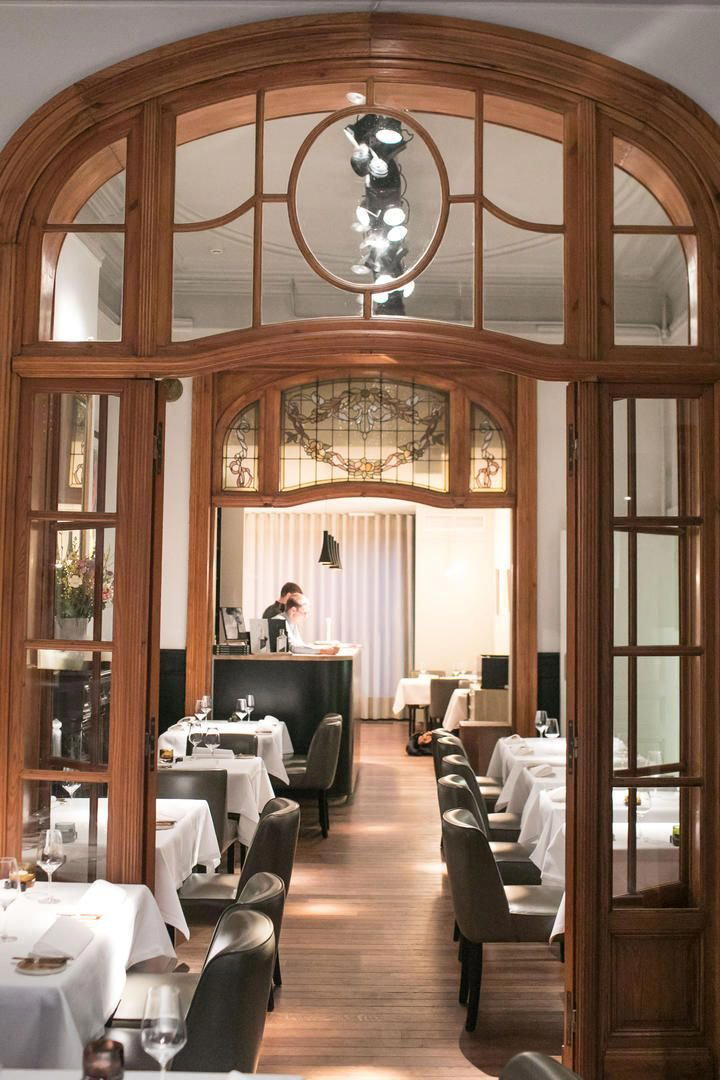
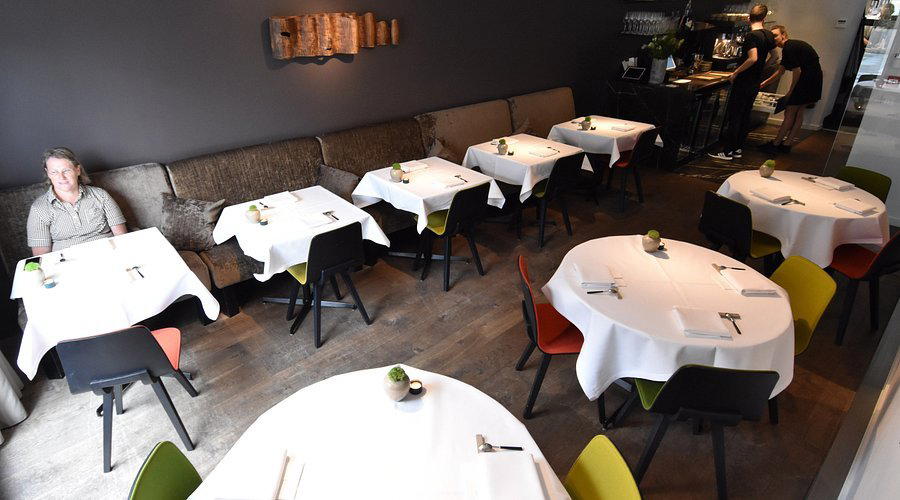
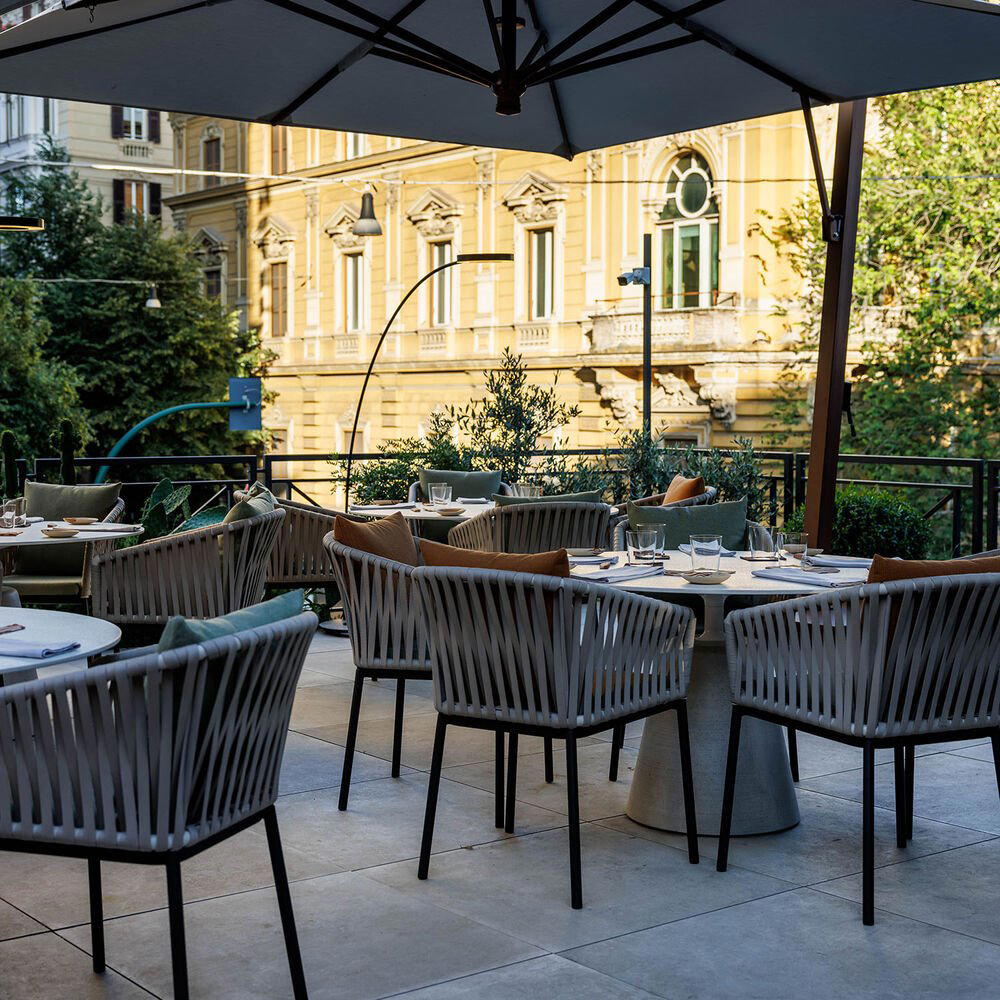
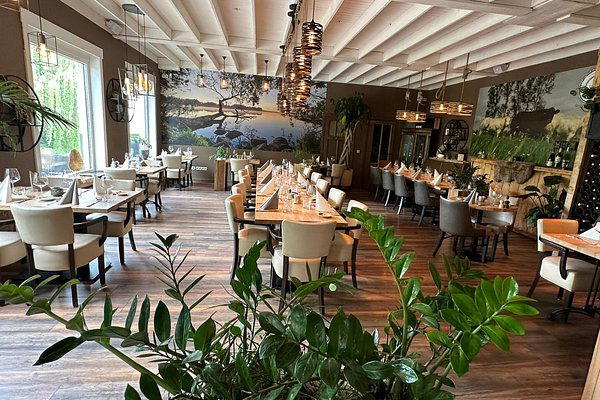
Warm and gezellig atmosphere ideal for gatherings with friends, family, or colleagues.
Know Before You Go
- Getting there
- Kliniekstraat 27B, 9050 Gent, Belgium