
Tabelog Bronze #382
Our verdict
Sakana belongs to the sourcing-led side of Gifu dining: regional Japanese cooking shaped by Hida produce, fish, sake and the mountain-town appetite for beef. Its Tabelog Bronze recognition from 2024 through 2026 and 3.93 score put it in a narrower bracket than casual soba or sweets stops, with a format better suited to planned meals than spontaneous grazing.

Pearl is the En Primeur Club membership app — saves, bookings, and concierge access live there. Same editors, same standards.
- Address
- Japan, 〒500-8828 Gifu, Wakamiyacho, 4 Chome−10−2 八祥ビル
- Phone
- +81 58-265-2333
- Hours
- Mon 5–9 p.m.Tue–Sat 11:30 a.m.–1 p.m., 5–9 p.m.Sun Closed
- Website
- tabelog.com
- Directions
- Get directions
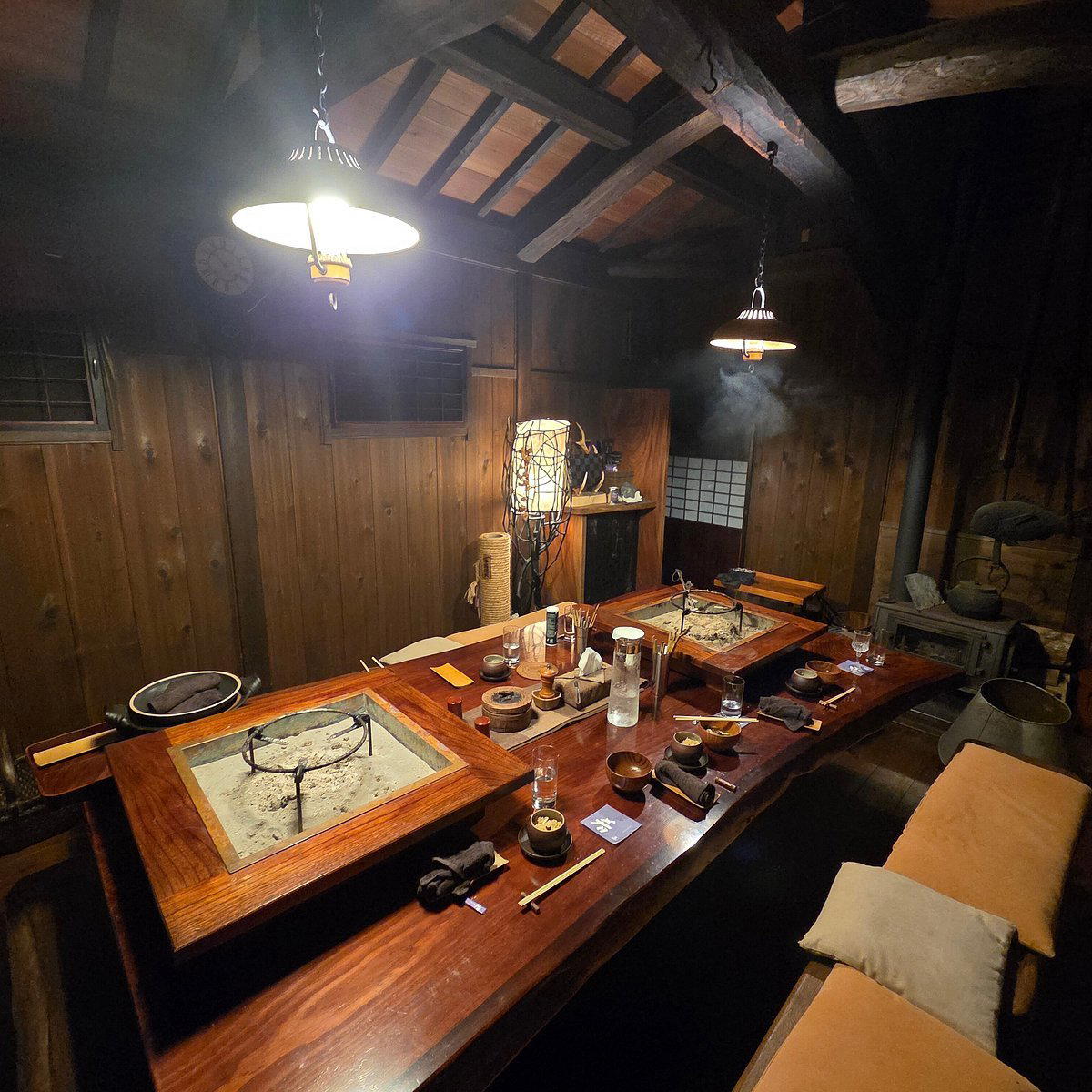
Approaching a house-style restaurant in the Hida region sets a different expectation from a city counter in Nagoya or Tokyo. The meal is read through season, terrain and procurement before technique. In Gifu, that matters: mountain vegetables, river fish, sake, shochu and Hida beef sit close to the identity of the table, and regional Japanese cooking often carries more weight than imported luxury cues.
Sakana fits that rural-premium register. Its public category mix, regional cuisine, Japanese cuisine and steak, says more than a generic washoku label would. This is not the low-cost end of Gifu eating represented by places such as Soba Kura Tomi, Tsubameya Yanagase honten or Benten Do, where the pleasure is speed, local habit and modest spend. It sits closer to a planned regional meal, alongside the higher-spend tier that includes Takumi Hirano, while keeping a Hida-specific sourcing emphasis rather than a metropolitan fine-dining pose.
Hida sourcing gives the meal its center of gravity
Gifu’s dining character changes sharply between the prefectural capital, the river towns and the highland culture around Takayama. The Hida area has a stronger claim on season-led regional cooking because ingredients are not just decorative references; they define why visitors travel north into the mountains in the first place. Hida beef is the obvious calling card, but the better reading of the region includes river fish, preserved and seasonal vegetables, local sake, shochu and cooking that treats weather as part of the menu logic.
That is the useful lens for Sakana. The restaurant’s stated attention to fish, combined with its regional Japanese and steak categories, places it at the meeting point of two Gifu impulses: mountain-country kaiseki-adjacent cooking and the prefecture’s beef culture. The point is not novelty. It is a compact argument for eating in place, where the value of the meal depends on procurement discipline and the kitchen’s ability to keep local ingredients from being flattened into tourist shorthand.
The award trail gives that position harder edges. Tabelog Bronze recognition in 2024, 2025 and 2026, plus selection for Tabelog Japanese Cuisine EAST 100 in 2021, puts the restaurant inside a serious Japanese-user evaluation system rather than an overseas travel-list halo. The 2026 Tabelog score is 3.93, a meaningful signal in a market where high scores are hard to accumulate and regional restaurants compete against established urban counters with larger media gravity.
A regional room, not a metropolitan performance
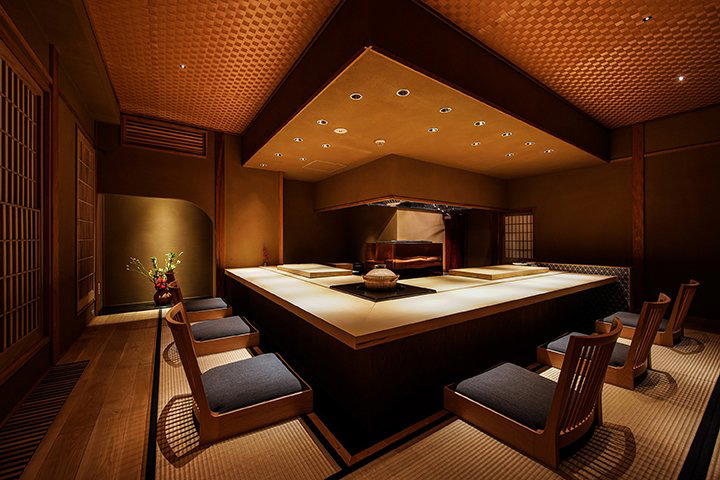
Japanese dining in smaller cities often splits into two tracks. One track is everyday: soba, wagashi, izakaya cooking, grilled items and tea breaks that form the useful rhythm of a day. The other is destination regional cooking, where the meal asks for planning and carries the price architecture of a full occasion. Sakana belongs to the second track. Its 30-seat format, with counter seats, horigotatsu-style private-room seating, second-floor private-room seating and a detached private room, gives it more range than a tiny omakase counter without turning it into a banquet hall.
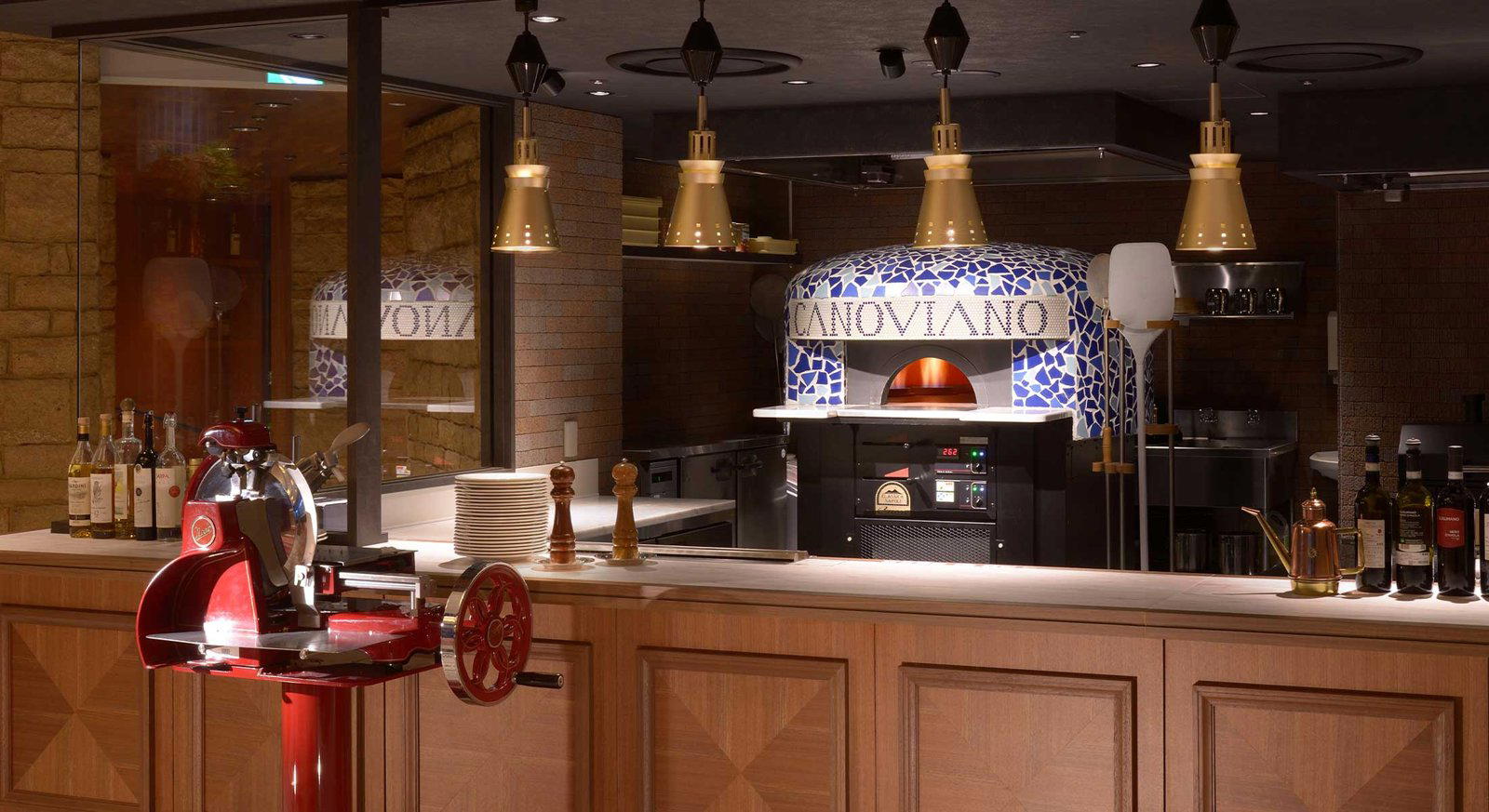
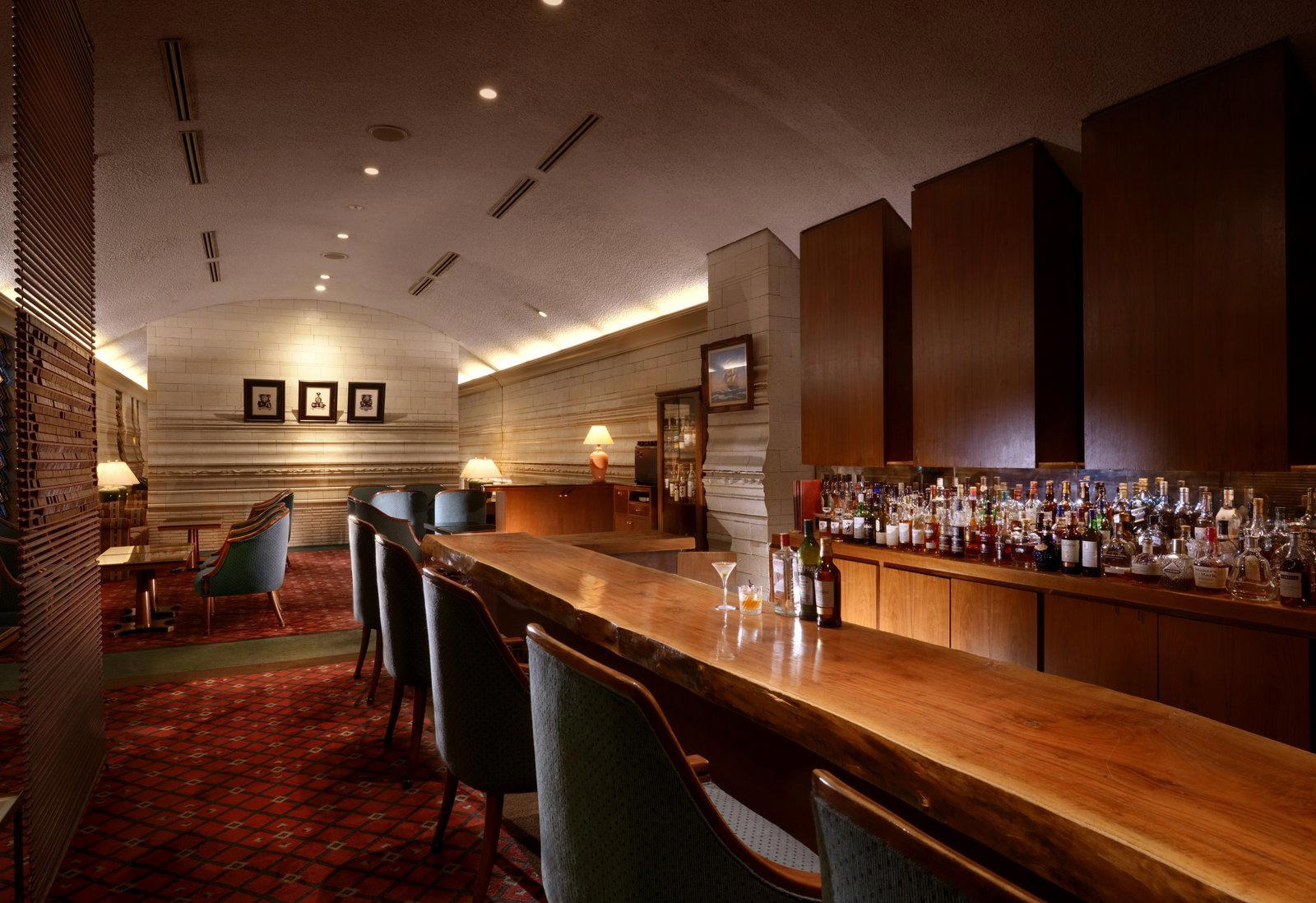
That room structure matters for how to read the experience. Counter seating favors watching pacing and preparation; private rooms suit business meals and family gatherings where conversation is part of the evening’s purpose. In Gifu, especially around Hida, this kind of spatial flexibility is not incidental. It reflects a local dining culture in which a serious meal may be used for travel, celebration, work or multigenerational occasions, rather than only for chef-counter theatre.
Compared with Gifu’s broader restaurant field, the restaurant occupies a middle ground between formal Japanese dining and regional hospitality. Mizuki and Takumi Hirano help frame the higher end of local Japanese cooking, while casual names such as Soba Kura Tomi and Tsubameya Yanagase honten serve a different need entirely. The useful distinction is intent: quick regional sampling versus a sourced, seated meal that treats Hida as the subject.
For readers mapping a fuller Gifu itinerary, the restaurant picture is only one strand. Nearby editorial planning can start with Our full Gifu restaurants guide, then broaden through Our full Gifu hotels guide, Our full Gifu bars guide, Our full Gifu wineries guide and Our full Gifu experiences guide. In the city’s dining spread, places such as Aka Renga, Akane Ya, BAR-BAROSSA, BAROSSA cocktailier and Belle Equipe (French) show how broad the prefecture’s eating and drinking map becomes once the trip moves beyond a single regional meal.
Who should choose it
The strongest case for Sakana is for travelers who want Gifu to taste like Gifu, not like a transplanted Ginza template. The restaurant’s recognition and pricing place it above casual sightseeing meals, so the decision should be made with intent: this is better for a focused lunch or dinner built around regional ingredients than for a quick stop between trains.
It also suits diners who prefer structure without the rigidity of a tiny counter-only room. The presence of private rooms, counter seating and Japanese-style seating gives the meal different social uses. English menu availability lowers friction for international diners, while the drinks program’s attention to sake, shochu and wine suggests a table built for pairings rather than a simple food-only visit.
There is a broader Japan comparison worth making, carefully. Regional-specialist restaurants outside the largest cities can offer a clearer sense of place than urban venues built around a single imported trend. A beef-focused meal such as -Grilled beef Sukiyaki- KAMAKURA TANUKIAN 鎌倉 たぬき庵 in Kamakura, a Tokyo seafood-and-charcoal address like. 鮪と炭火焼き うお炭 秋葉原店 in Tokyo, or a casual stop such as.cafe in Osaka serves a different purpose. So do.know in Kumamoto, (Shoku) Vietnam in Kawasaki, [Curry Senmon Ten] Maruyama Kyoju. in Sapporo, Jōdo Saké Bar in Los Angeles and Onigiri Time in Pasadena. The comparison is useful because it separates category craving from destination logic. Sakana is for the latter: a Gifu meal where sourcing, room format and regional credibility carry the argument.
Frequently asked questions
Is Sakana okay with children?
Yes. Sakana welcomes school-age children, and daytime seating is the easier option at this Gifu restaurant. For evening sessions, the venue generally asks that children not attend, so it is worth planning around the 12:00–15:00 lunch window.
What's the vibe at Sakana?
The room is set up for a calm meal: 30 seats, including an 8-seat counter, tatami seating, and private rooms for 2 to 8 guests. The setting is described as a house restaurant with a view, and the Tabelog Bronze recognition for 2024, 2025, and 2026 signals a place with steady local standing rather than a flashy dining room.
What days is Sakana closed?
Hours at Sakana: Mon, Tue, Wed, Thu, Fri, Sat, Sun 12:00 - 15:00 17:30 - 21:30.
What is Sakana known for?
Sakana is primarily known for its core concept and execution in Gifu.
A Quick Peer Check
Comparable venues by cuisine and price in the same metro.
| Venue | Cuisine | Price | Awards | Notes |
|---|---|---|---|---|
| SakanaThis venue — the venue you are viewing | Hida Seasonal Japanese Kaiseki | $50–100 | Tabelog Bronze #382 | Not listed |
| Kobanzushi | Traditional Japanese Sushi Omakase | Not listed | Tabelog Bronze #189 | Gifu City |
| åç §åºµ | Traditional Kaiseki Kappo | $200–300 | Not listed | Kanayama-machi |
| Setsu Gekka Nagara | Yakiniku (Japanese BBQ) | $50–100 | Tabelog 100 #82 | Gifu City |
| hiro | Refined Chinese | Not listed | Tabelog Bronze #116 | Takamicho |
| THE Setsugekka | Luxury Wagyu Yakiniku | $50–100 | Tabelog 100 #66 | Tamamoricho |
Recognition history
Dated appearances from independent guides and award organizations, with the underlying list record or original source where available.
Tabelog Bronze #382
Tabelog
Full recognition history (2 entries)
Tabelog Bronze
Tabelog
Details
- Intimate
- Cozy
- Elegant
- Scenic
- Special Occasion
- Date Night
- Group Dining
- Chefs Counter
- Private Dining
- Open Kitchen
- Sake Program
- Local Sourcing
- Mountain
- Street Scene
- Omakase
- Tasting Menu
- Sake Program
- Vegetarian Friendly
- Gluten Free Options
- Allergy Accommodating
Current opening hours
- Monday
- 5–9 p.m.
- Tuesday
- 11:30 a.m.–1 p.m., 5–9 p.m.
- Wednesday
- 11:30 a.m.–1 p.m., 5–9 p.m.
- Thursday
- 11:30 a.m.–1 p.m., 5–9 p.m.
- Friday
- 11:30 a.m.–1 p.m., 5–9 p.m.
- Saturday
- 11:30 a.m.–1 p.m., 5–9 p.m.
- Sunday
- Closed
Hours can change for holidays and private events. Last verified .
Warm, welcoming atmosphere with friendly chef interaction at the counter or private rooms, serene views of mountains and Takayama, not formal or stuffy.