
Tabelog 100 #12
Our verdict
Yanagiya sits in Tokyo’s old sweets grammar rather than its dessert-fashion cycle: taiyaki, obanyaki, gelato and ice cream, served in a take-out format near Ningyocho Station. Its Tabelog 100 selection for Tokyo Japanese sweets in 2023 places it in a serious wagashi conversation, while the sub-¥999 pricing keeps the experience closer to a neighbourhood ritual than a luxury appointment.

Pearl is the En Primeur Club membership app, where members save venues, book tables and use the concierge.
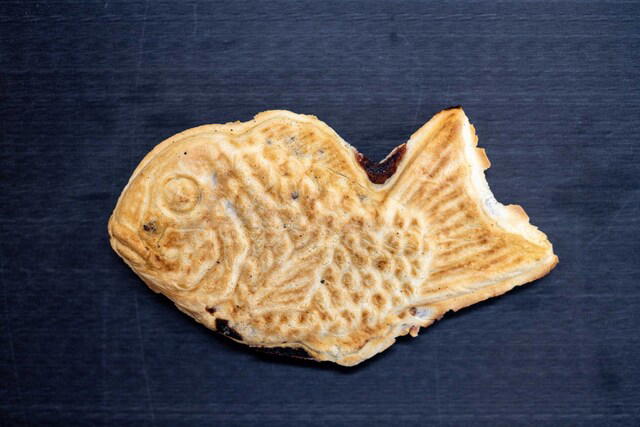
Approach a Tokyo sweets counter and the cues are small: short frontage, quick rhythm, customers moving through rather than settling into ceremony. This is Tokyo food culture measured by repetition, not tweezed plated dessert: hot batter, bean paste, griddles and the discipline of getting a simple thing right many times a day.
Yanagiya belongs to older Tokyo. The listed formats are taiyaki, obanyaki, gelato and ice cream, but the point is broader: the city’s Japanese-sweets scene runs from tea-room calm and department-store gift polish to small counters where freshness depends on turnover. Tokyo suits that last mode. The city has long carried mercantile, old-Edo textures, and its sweets shops work less as dessert destinations than as daily pauses.
Taiyaki as a test of sourcing, batter and timing
Taiyaki looks casual until the details matter. The form depends on bean quality, sweetness level, batter thickness, heat control and how long filled moulds sit before handover. In Tokyo, taiyaki corrects luxury dining inflation: a sweet under JPY 999 can still reveal balance, because there is nowhere to hide. Too much sugar flattens the bean; too much batter turns the fish-shaped shell into padding; poor turnover dulls the contrast between filling and casing.
That is why recognition in a sweets-specific list matters more than generic popularity. Yanagiya was selected for a Tabelog Hyakumeiten list in 2023. That signal places it among Tokyo shops judged within a focused category rather than against full-service restaurants. Its Tabelog score is listed at 3.78, useful in a city where high scores in narrow specialties often reflect repeat local demand more than broad tourist visibility.
Ingredient sourcing is not listed in producer-level detail, so the safer reading is structural rather than romantic. Taiyaki and obanyaki depend on familiar Japanese sweet-shop staples, especially anko and batter, and the shop’s credibility comes from quick handling of ordinary components. In a luxury city, that restraint is the point: can a few low-cost ingredients carry enough precision to justify a special trip across town?
For readers mapping Tokyo by category rather than hype, Yanagiya sits far from reservation-led venues such as L'appartamento di NAOKI, Oryori Kokoroba or Edomae Shinsaku, where pricing and service push decisions into dinner planning. It is closer to the specialist sweets stop, a bracket that also includes Morinoen in Tokyo, though the comparison is category and scale rather than identical menu. For broader city context, Our full Tokyo restaurants guide is the better map than a single-stop checklist.
Tokyo rewards low-drama food traditions
Tokyo is a city where small food traditions keep practical use. It is not only arranged around spectacle; it is dense with stations, offices, families and older shopping streets. That matters for sweets. A small-format shop here must work for regular customers and visitors, favouring speed, price discipline and simple ordering over elaborate choreography.
The narrow format changes the experience. Do not approach it like a long full-service meal or a private-room restaurant. It is better understood as a focused sweets stop to fold into a walk or a day of eating. That makes it useful between heavier meals, especially amid sushi counters, tempura rooms and yakitori counters. A day can move from a precise sweet in Tokyo to other Tokyo dining rooms without making every meal an event.
Tokyo’s casual sweets scene also overlaps with visual culture, café culture and nostalgia. Some addresses show the city’s graphic, camera-ready side, while other everyday genres carry deep local loyalty. Yanagiya takes the quieter lane: recognisable Japanese sweets, tight pricing, a compact category and no need to turn the stop into a long production.
How to fit it into a serious Tokyo eating day
Treat this as a specialist stop, not a dessert course after a large meal. The confirmed public listing keeps the essentials simple: Yanagiya is in Tokyo, its listed categories include taiyaki, obanyaki, gelato and ice cream, and its phone number is +81-3-3666-9901. Carry yen, arrive ready for one or two sweets, and do not plan around the expectations of a formal dining room.
Its low price also counters Tokyo’s expensive dining tiers. A traveller can spend heavily at dinner and still understand something essential through a sub-¥999 sweet prepared in a narrow format. That is not a downgrade from serious dining; it is another test of seriousness. The city’s food culture is as much about standardisation, sourcing discipline and repetition as rare fish or long tasting menus.
For a fuller itinerary, use category guides rather than making one venue carry the day: Our full Tokyo hotels guide for where to sleep, Our full Tokyo bars guide for the evening, Our full Tokyo wineries guide for wine-led addresses, and Our full Tokyo experiences guide for cultural planning around meal structure. Beyond a single stop, the same logic of local specialty appears differently across Japan and abroad, where casual Japanese formats shift once they leave the neighbourhood systems that shaped them.
The verdict is simple: this is a Tokyo sweets stop for travellers who care about small formats as much as formal meals. The draw is not luxury signalling, but how an inexpensive sweet can carry a city’s habits, a category’s ingredient logic and enough recognition to earn a place on a carefully edited eating route.
Frequently asked questions
What part of town is Yanagiya in?
Tokyo.
How much does it cost to eat at Yanagiya?
Pricing at Yanagiya is listed as - JPY 999.
What are Yanagiya's hours?
Specific hours are not provided in the confirmed listing. Check the venue's official channels for the latest details.
What's the standout thing about Yanagiya?
Yanagiya’s clearest credential is its 2023 Tabelog Hyakumeiten recognition. Taiyaki and obanyaki are listed among its categories, along with gelato and ice cream.
How does Yanagiya handle allergies?
Those details are not published. Yanagiya’s confirmed phone number is +81-3-3666-9901. Check the venue's official channels for the latest details.
Comparison Snapshot
Comparable venues to calibrate price, style, and recognition.
| Venue | Cuisine | Price | Awards | Notes |
|---|---|---|---|---|
| YanagiyaThis venue (the venue you are viewing) | Japanese Confectionery / Taiyaki | $1–10 | Tabelog 100 #12 | Not listed |
| Arry 8Bites | Japanese Small Bites | Not listed | Not listed | Tokyo |
| Sumibi Baisen Coffee Rin | Japanese Kissaten / Coffee Shop | $1–10 | Tabelog 100 #60 | Chūō |
| Torimeshi Torito Bunten | Traditional Japanese Oyakodon & Chicken Rice Bowls | $10–20 | Tabelog 100 #87 | Chūō |
| Oniyanma Shimbashi ten | Stand-up Sanuki Udon | $1–10 | Tabelog 100 #91 | Minato |
| MENSHO | Modern Japanese ramen | Not listed | Tabelog 100 #80 | Bunkyō |
Recognition history
Dated appearances from independent guides and award organizations, with the underlying list record or original source where available.
Tabelog 100 #12 · No. 12
Tabelog · Tabelog 100 - Japanese traditional sweets / Japanese sweets cafe - TOKYO - 2023
Continue exploring
More in Tokyo
Restaurants in Tokyo
All restaurants in Tokyo →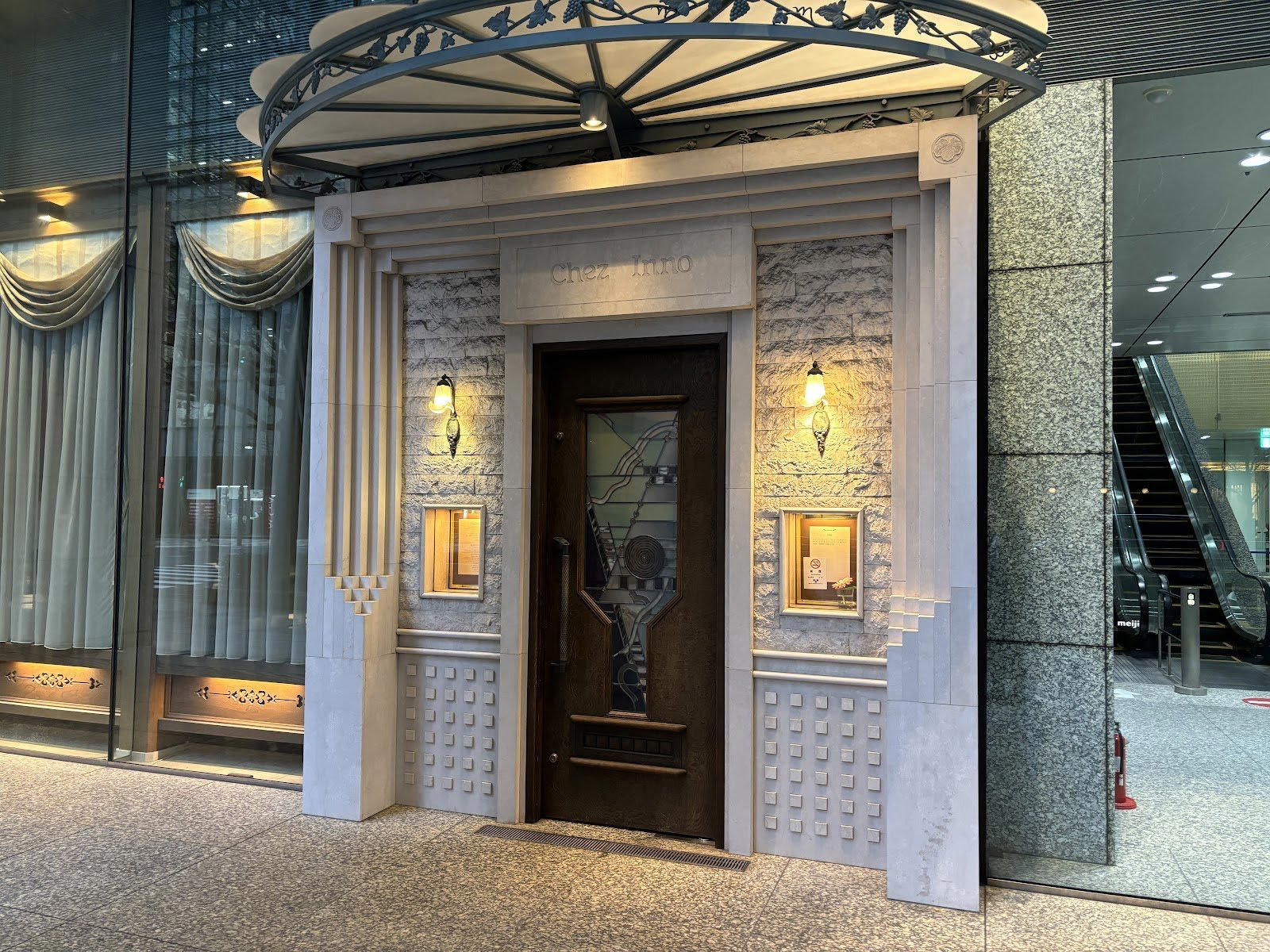

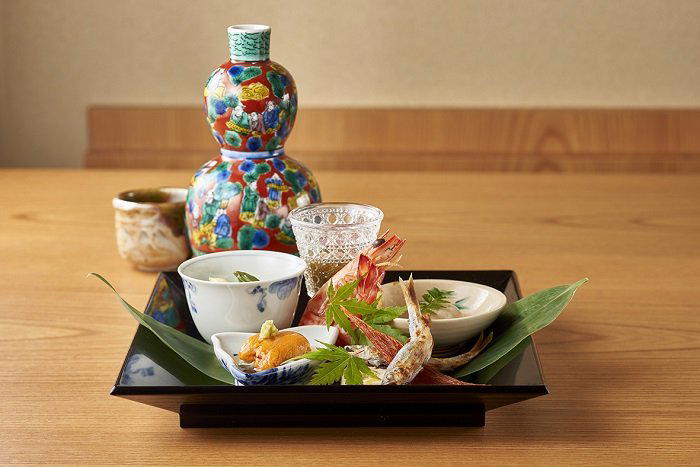
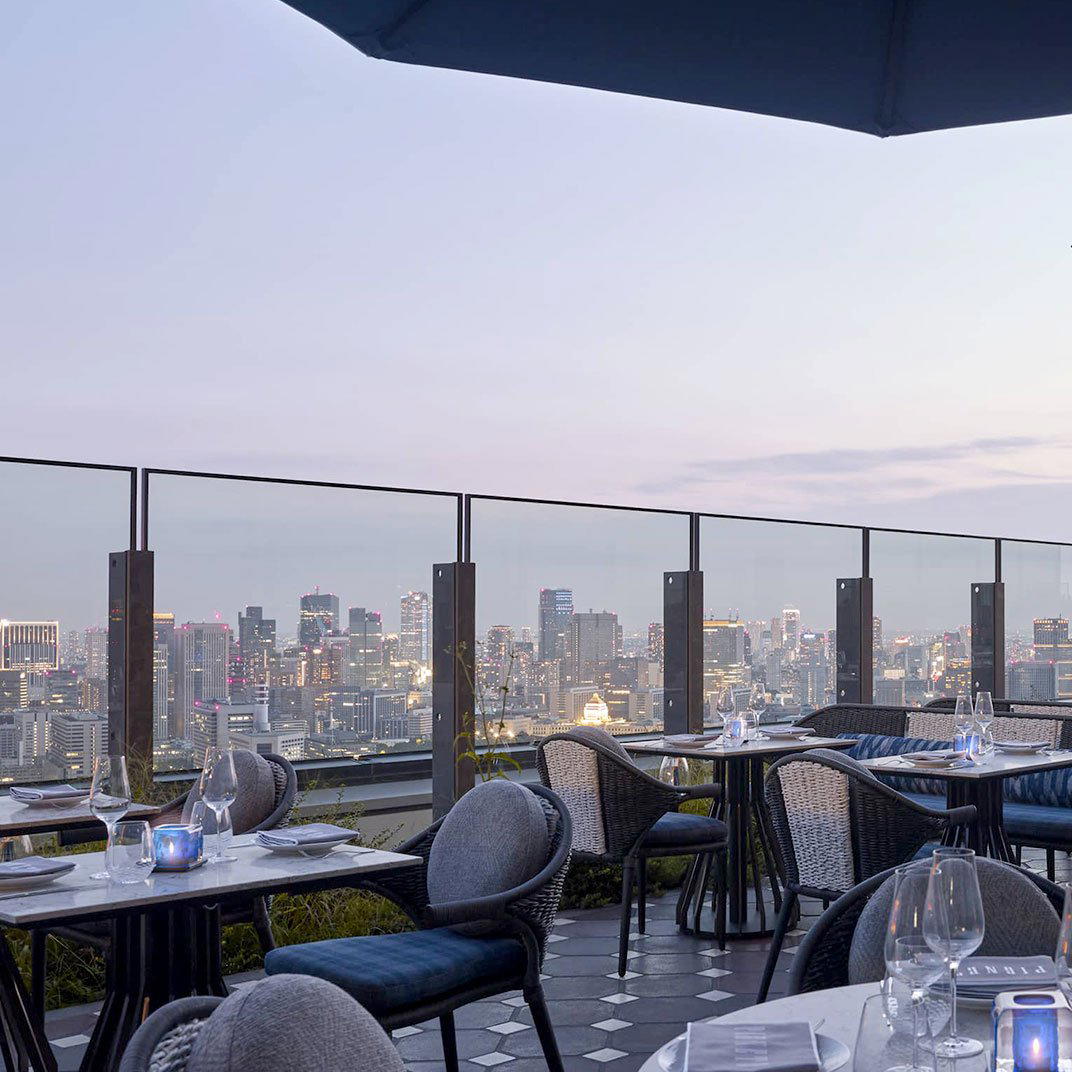







Details
- Classic
- Cozy
- Well Known
- Solo
- Family
- Casual Hangout
- Standalone
- Street Scene
- A La Carte
- Vegetarian Friendly
Current opening hours
- Monday
- Closed
- Tuesday
- 12:30–6 PM
- Wednesday
- 12:30–6 PM
- Thursday
- 12:30–6 PM
- Friday
- 12:30–6 PM
- Saturday
- 12:30–6 PM
- Sunday
- Closed
Hours can change for holidays and private events. Hours as of .
Traditional, no-frills neighborhood shop atmosphere focused on quick takeout and freshly made sweets rather than a sit-down dining experience.