
Koban Zushi Tanagura has held the Tabelog Bronze Award every year from 2017 through 2026, placing it among the most consistently recognised sushi counters in Fukushima Prefecture. Fifteen seats, private tatami rooms, and a programme centred on Edo-style technique and locally sourced fish make it the anchor dining address in Tanagura. Dinner runs JPY 15,000 to 19,999; lunch from JPY 8,000.
 Discover on Pearl
Pearl is the En Primeur Club membership app — saves, bookings, and concierge access live there. Same editors, same standards.
- Address
- Fukushima Higashi白川 District 棚倉 Town大字棚倉字古 Town 302
- Phone
- 0247-33-7337
- Website
- tabelog.com
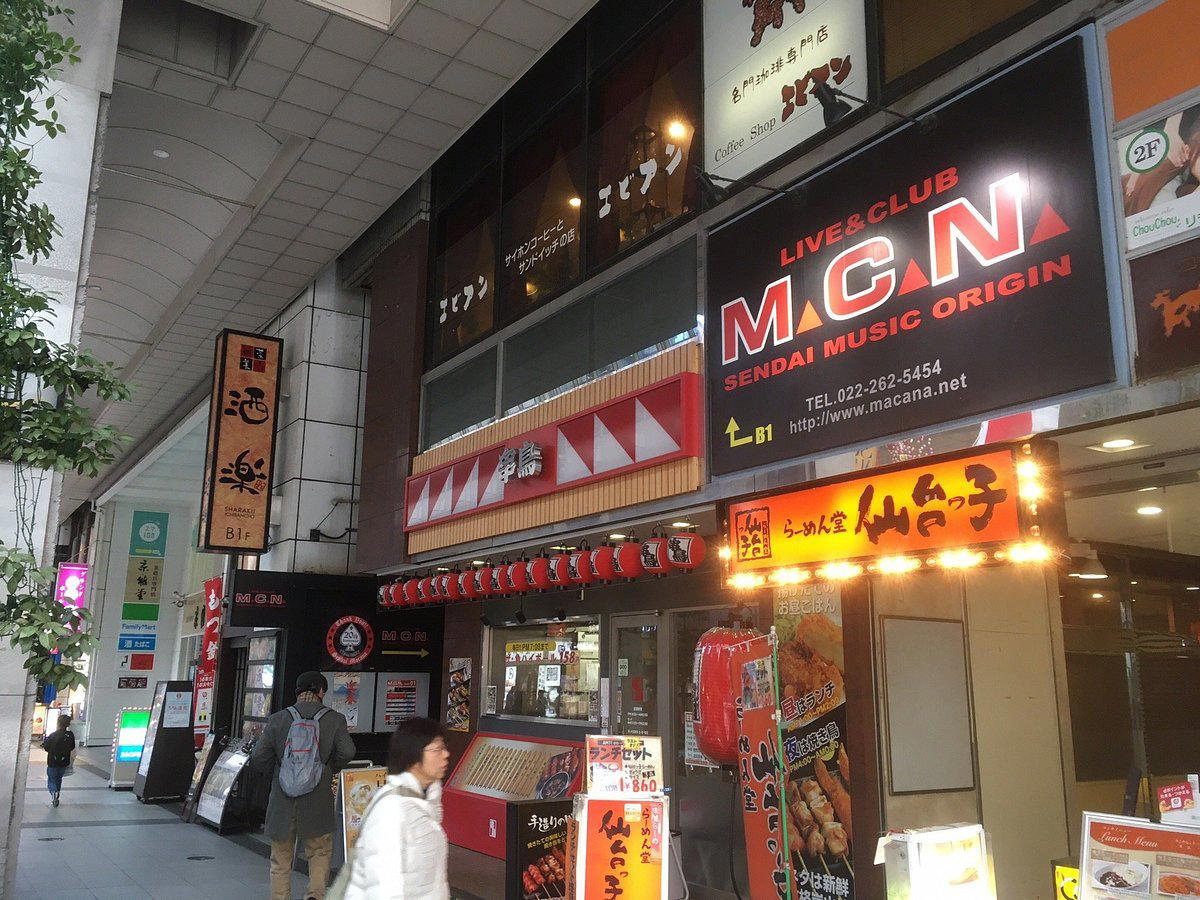
Where Edo-Style Sushi Lands in Rural Fukushima
Tanagura, a small town in Higashishirakawa District in the south of Fukushima Prefecture, sits well off that circuit. That geographic remove is precisely what makes Koban Zushi Tanagura worth understanding. Koban Zushi has taken the Bronze designation every year without exception since 2017. Selection to the Sushi EAST Tabelog 100 in 2021, 2022, and 2025 confirms that the recognition is not a regional quota. This is a counter that earns its position against city-based competition.
For a reader comparing it to well-documented Tokyo omakase addresses like Harutaka in Tokyo, the competitive frame shifts. Harutaka operates at the apex of the Tokyo comparable set, where three Michelin stars and premium Tsukiji sourcing define the benchmark. Koban Zushi operates in an entirely different register: smaller town, smaller room, emphasis on inland Fukushima sake, and prices that sit at the mid-tier of serious Japanese sushi rather than the leading bracket. That positioning is not a concession; it is a distinct editorial proposition.
Arriving in Tanagura: The Setting as Part of the Proposition
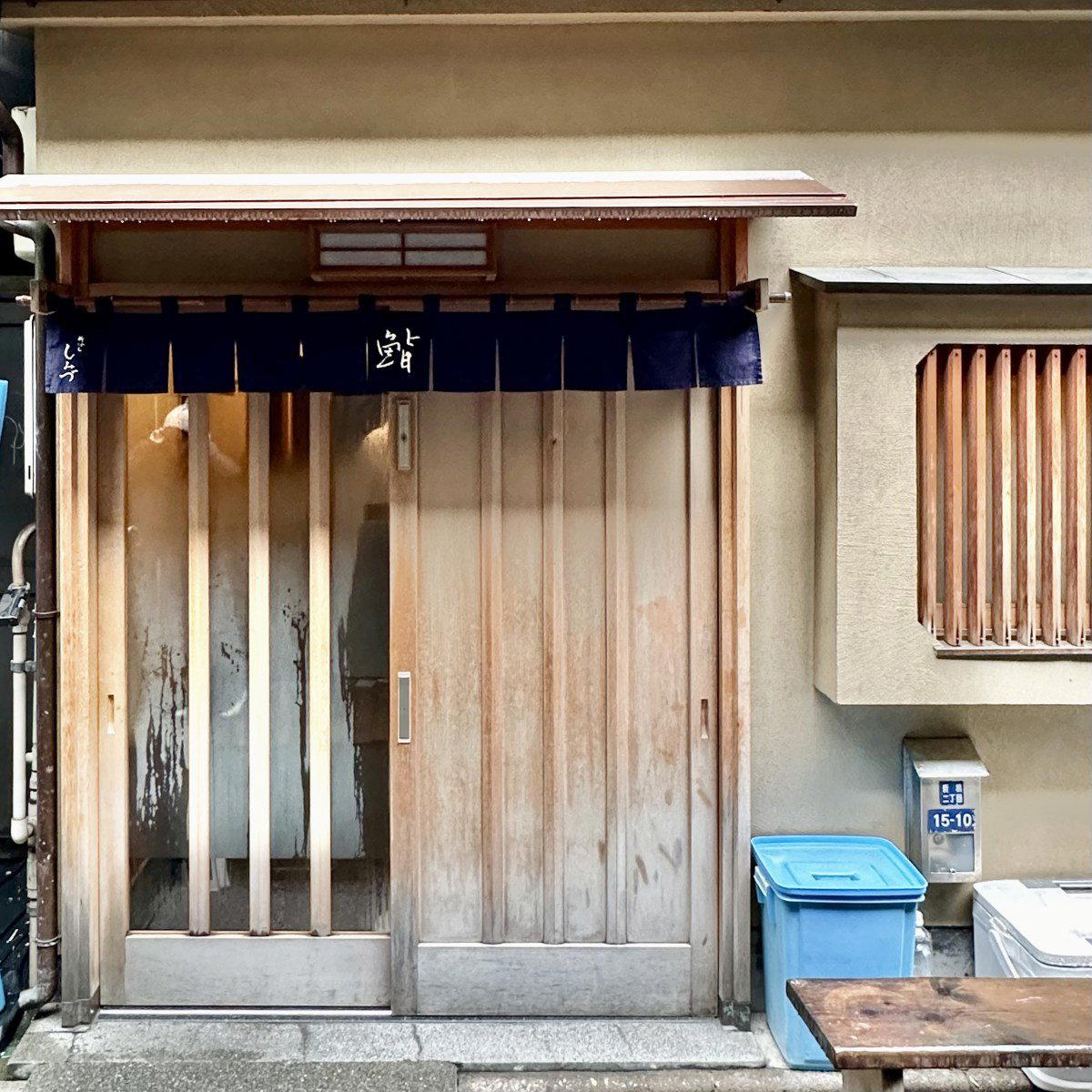
The address in Tanagura puts the restaurant in a town that most travellers pass through rather than visit deliberately. From Shirakawa or Shin-Shirakawa Station (the latter on the Tohoku Shinkansen line), a JR Bus toward Kanto Sobuoka covers the route, though services run approximately once every two hours. From Iwaki Tanakakura Station the walk is twelve minutes, or four minutes by bus to the Saibansho-guchi stop. On-site parking is available, and for guests travelling from elsewhere in Fukushima Prefecture by car, that becomes the practical default. The bus timing shapes the evening in a way that counter seats in Tokyo never require you to think about.
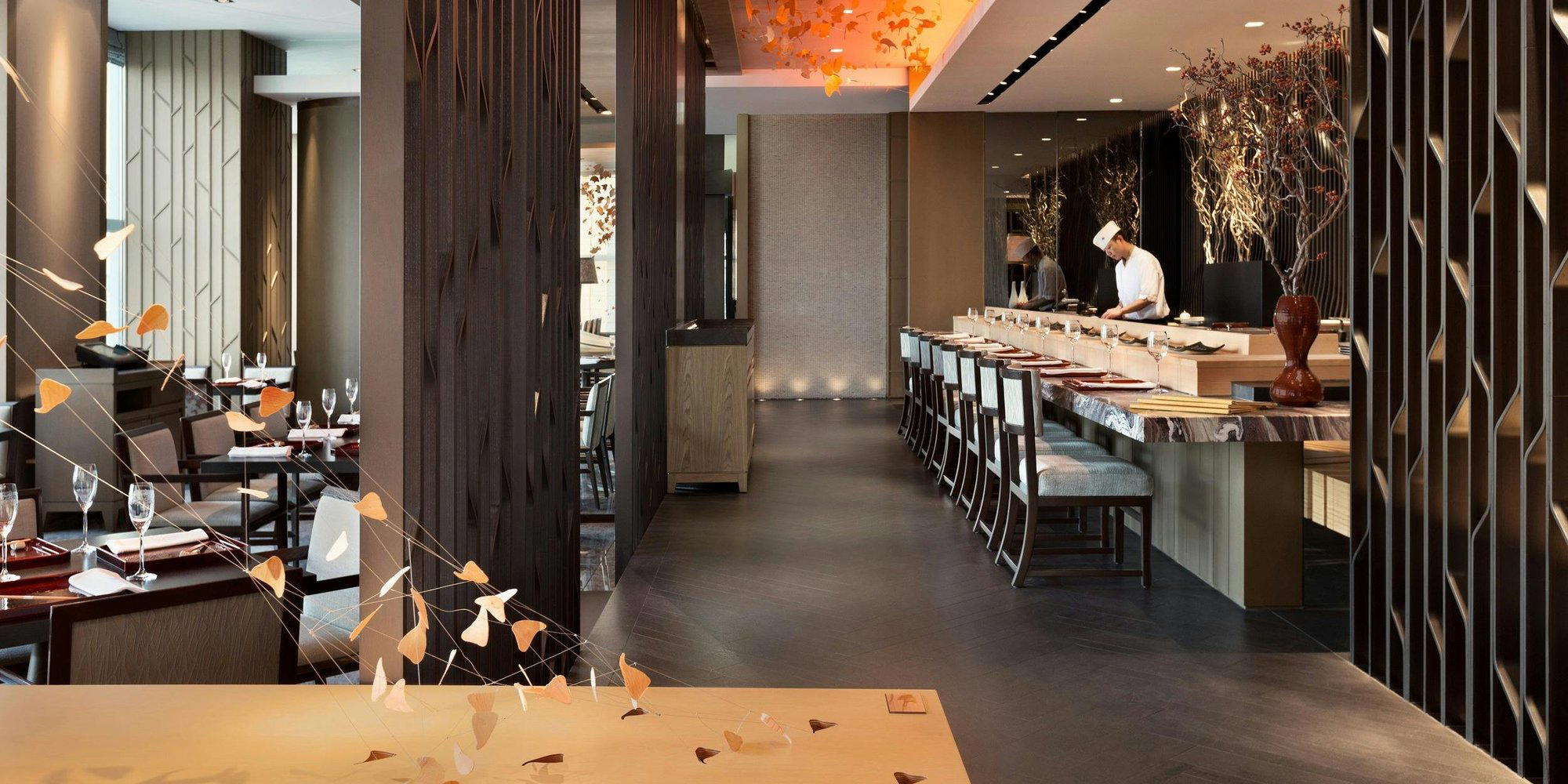
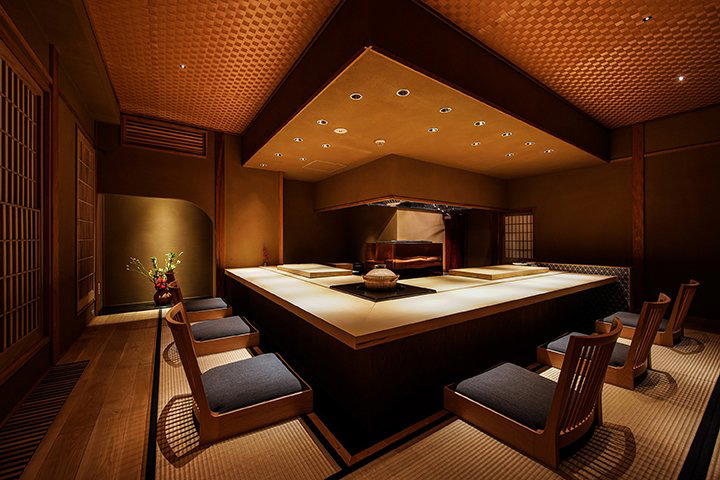
The physical space, fifteen seats split between a seven-seat counter and two tatami rooms each seating four, reflects the scale of the town rather than a contrarian design statement. Sunken seating and a non-smoking policy give the room a deliberate, settled quality. Private rooms accommodate parties from four to twenty people, and the venue is available for exclusive private use for groups of twenty to fifty. That flexibility is unusual at this price level and explains its reputation for family dining and friend gatherings alongside solo counter visits.
The Edo Tradition, Applied Far From Its Origin
Edo-style sushi carries a specific set of conventions: aged fish over straight-from-the-market freshness, a vinegared rice tempered for texture, and a counter rhythm that is closer to a conversation between cook and diner than a performance. The tradition developed in the working-class stalls of nineteenth-century Edo (Tokyo) and was later formalised into the omakase counter format that now anchors the genre globally. What Koban Zushi represents is that tradition transplanted into provincial Tohoku, where the fish sourcing draws on Pacific coast proximity through Fukushima’s port connections, and the sake list is explicitly tied to inland Fukushima producers. The restaurant’s own materials emphasise the attention to fish quality, and the drinks programme reflects a deliberate local identity: sake, shochu, and wine are all featured, with noted care given to sake and shochu selection.
For comparison, restaurants like Gion Sasaki in Kyoto anchor their identity to the Kyoto kaiseki grammar while absorbing seasonal Kansai produce. Koban Zushi runs a parallel logic for Tohoku: Edo-style technique as the structural frame, Fukushima regional sourcing as the local argument. The result, as a decade of Tabelog peer review suggests, is a coherent proposition that works at the mid-premium price tier.
The dinner price range of JPY 15,000 to JPY 19,999 (with actual reviewer spending commonly recorded at JPY 20,000 to JPY 29,999) puts this at the entry point of serious sushi investment in Japan. Lunch runs JPY 8,000 to JPY 9,999 by posted pricing, with reviewer data suggesting JPY 10,000 to JPY 14,999 in practice. The Fukushima location compresses the price without appearing to compromise the evaluation score.
Within Gifu’s Wider Dining Picture
The EP Club Gifu listings range across cuisines and formats. Belle Equipe and hiro represent different points of reference, as do Katatsumuri, Mizuki, and Sakana. For fish-forward dining with a verifiable award record, Koban Zushi occupies a position that has no direct equivalent in the immediate region at this price and recognition tier. Readers building a broader Japan itinerary around Tabelog-recognised sushi might consider how this Fukushima address connects to national programmes such as HAJIME in Osaka, Goh in Fukuoka, or 1000 in Yokohama. For those mapping fine dining against international reference points, Le Bernardin in New York City, Atomix in New York City, or akordu in Nara offer comparison frames across technique-driven fish-centred menus in very different cultural registers.
Planning the Visit
Wednesday is the weekly closing day.
A Lean Comparison
Comparable venues nearby, for context on price, style, and recognition.
| Venue | Price | Notes |
|---|---|---|
| KobanzushiThis venue — the venue you are viewing | $$$ | |
| Takumi Hirano | $$$ | Yanagase / Onamicho, Traditional Japanese Kaiseki |
| Kikyo En Honten | $$$ | .null, Traditional Yakiniku & Wagyu Grill |
| Yakiniku Shun Yasai Fanbogi | $$$ | Sumidamachi, Gifu City, Aged Wagyu Yakiniku |
| Katatsumuri | $$$ | Yamagata City, Seasonal Foraged Wild Game & Regional Cuisine |
| Setsu Gekka Nagara | $$$ | Gifu City, Yakiniku (Japanese BBQ) |
Continue exploring
More in Gifu
Restaurants in Gifu
Browse all →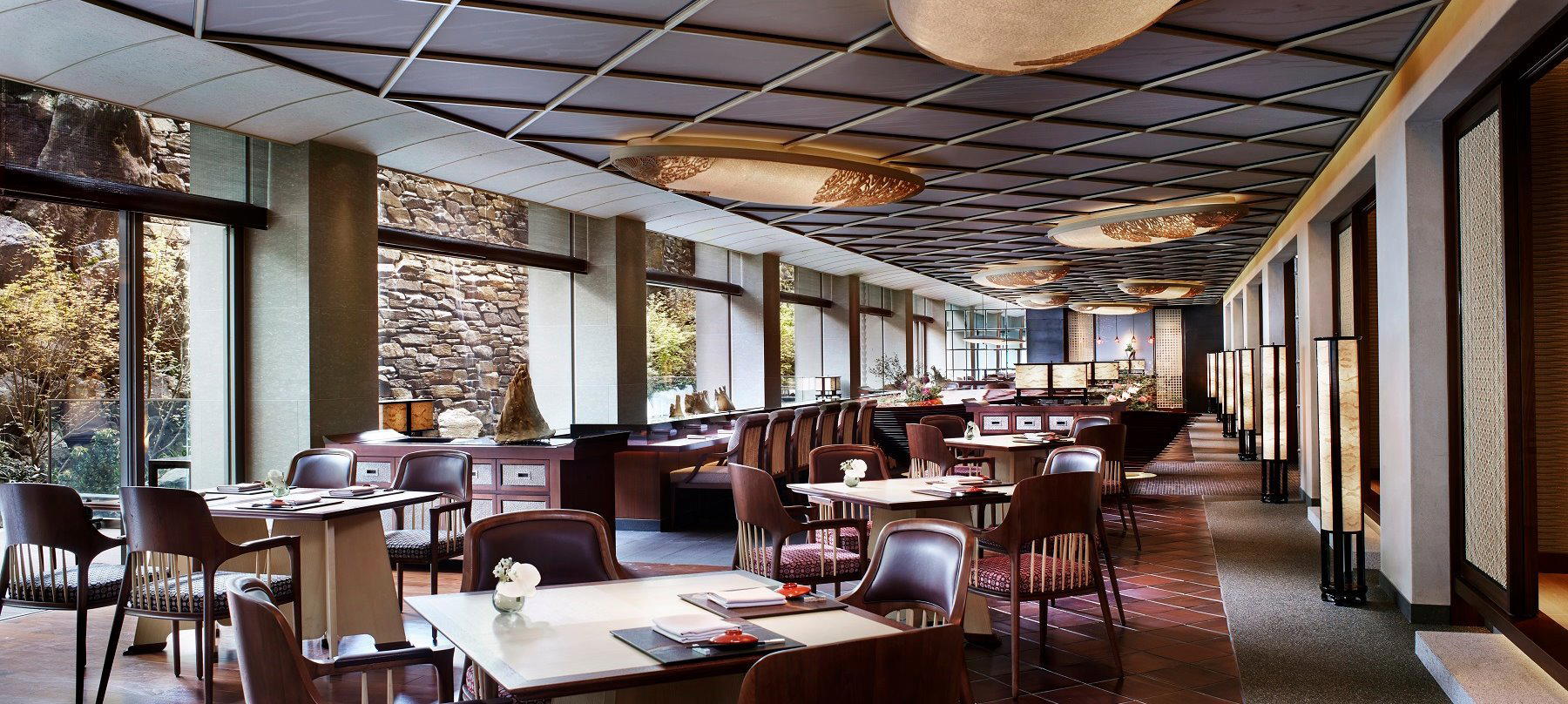
At a Glance
- Elegant
- Intimate
- Sophisticated
- Special Occasion
- Date Night
- Chefs Counter
- Sake Program
Elegant and refined sushi counter atmosphere fostering intimate dining experiences.