

Tabelog 100 #15
Our verdict
Sakai Shoukai is a Shibuya izakaya that has climbed the Opinionated About Dining Casual Japan rankings two consecutive years, moving from #58 in 2024 to #76 in 2025. Operating six evenings a week from a second-floor address in Shibuya's Daikanyama-adjacent pocket, it represents the Tokyo school of izakaya: precise, metropolitan, and resistant to the slower ceremonial codes of Kyoto-style drinking culture.

Pearl is the En Primeur Club membership app, where members save venues, book tables and use the concierge.
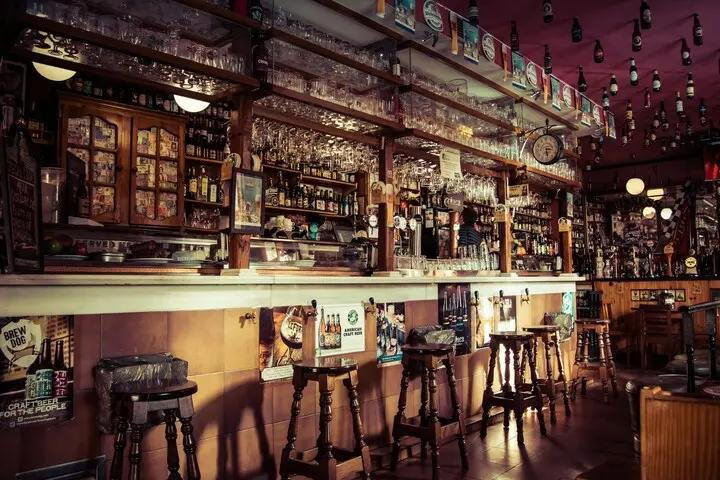
The Tokyo Izakaya as Metropolitan Institution
Japan's casual dining culture divides more sharply along city lines than most visitors expect. Kyoto's izakaya tradition tends toward restraint and ritual: small plates arrive in studied sequence, the sake selection reflects regional provenance, and the pacing mirrors the kaiseki logic that saturates the city's food culture. Compare that with Tokyo, where the izakaya operates as a pressure valve for the city's working week. Shibuya's version of that institution is faster, more competitive, and more likely to draw on ingredient sourcing networks that span the entire archipelago rather than a single prefecture.
Two Consecutive Years on Opinionated About Dining
Independent recognition from Opinionated About Dining carries weight in the Tokyo casual segment because OAD's methodology is crowd-sourced from frequent diners and critics rather than institutional inspectors. Sakai Shoukai appeared at #58 on the OAD Casual Japan list in 2024 and moved to #76 in 2025. A ranking drop in absolute terms across two consecutive years does not automatically indicate decline, OAD's Japan casual list is an expanding and competitive field, and movement within the top 100 reflects the density of the category rather than a simple quality trajectory. What both placements confirm is that Sakai Shoukai has been tracking as a reference-point izakaya across two assessment cycles. That kind of sustained presence is rarer than a single-year entry.
For comparable OAD-tracked izakaya performance in other cities, Benikurage in Osaka and Berangkat in Kyoto offer useful regional contrasts, both sit inside the casual Japan recognition ecosystem but carry distinct city signatures in terms of pacing and format.
Shibuya's Second-Floor Culture
Shibuya's dining density creates a particular vertical architecture. Street-level real estate competes for retail and fast-casual tenants, which pushes destination restaurants up one or two floors, above the foot-traffic noise. This second-floor positioning is not accidental obscurity, it is a structural feature of how serious casual dining embeds itself in high-rent Tokyo wards. Sakai Shoukai's address on the second floor of a Shibuya building fits that pattern. The ward's dining character has shifted considerably over the past decade, with pockets of Daikanyama, technically Shibuya ward, developing a quieter, more resident-oriented food culture that coexists with the commercial intensity of Shibuya's main scramble zone. The Chome-3-6 address places Sakai Shoukai in a section that benefits from both proximity to transport infrastructure and some separation from the heaviest tourist corridors.
For broader orientation in this part of the city, see our full Tokyo restaurants guide, which maps the ward-by-ward breakdown of where serious dining concentrates.
Tokyo vs. Kyoto: What the Izakaya Format Reveals
The metropolitan divide between Tokyo and Kyoto dining is most visible at the casual level. Kyoto's izakaya operators often take formal-dining cues, seasonal rotation, presentation restraint, an expectation that guests will stay for the full arc of the evening. The city's relationship with Gion Sasaki-style refinement bleeds downward into its casual registers. Tokyo operates differently. The izakaya here is expected to perform across a range of social functions simultaneously: after-work decompression, client entertaining, late-night standalone dining. The kitchen needs range and speed as well as precision. Chef Hideaki Sakai's operation in Shibuya reflects that metropolitan demand, an izakaya tuned for a city that doesn't slow down at 8 pm.
This contrast sharpens when you consider what contemporary formal dining looks like at the top of Tokyo's market. Venues like RyuGin and Harutaka operate at ¥¥¥¥ price points in the kaiseki and omakase registers respectively, representing a completely separate tier of the city's food economy. The izakaya tradition that Sakai Shoukai represents is not a lesser version of that formality, it is a parallel institution with its own evaluation criteria, its own regulars, and its own competitive logic. OAD's separate Casual Japan list exists precisely because applying tasting-menu metrics to izakaya culture produces nonsense.
The Broader Japan Casual Tier
Understanding where Sakai Shoukai sits requires mapping the casual Japan peer group more precisely. OAD's Casual Japan top 100 pulls from izakaya, ramen, yakitori, and small-plate formats across the country. Entries from Fukuoka, a city with its own strongly defined casual dining identity, appear regularly; Hakata Hotaru and Hakata Issou represent Fukuoka-origin formats that have also found Tokyo audiences. Osaka's casual density is represented by entries like Benikurage. Within this national casual field, a Shibuya izakaya holding a top-100 OAD position is competing against formats with deep regional identities and loyal followings. Sustained presence in that field is a meaningful credential.
For Ginza's more formal drinking-and-eating tradition, Ginza Nominokoji Yamagishi and Ginza Shimada sit in a different price bracket and format register but represent Tokyo's other strong izakaya-adjacent lineage.
What People Recommend at Sakai Shoukai
What the OAD placements confirm, in combination with Google's score, is that the kitchen delivers reliably enough to sustain repeat visits from both casual diners and the more critical OAD-adjacent audience. For current dish recommendations, the most reliable path is direct contact or visiting the restaurant on the evening, the format is izakaya, which means the menu likely shifts with availability and season rather than locking into a fixed offering. Chef Hideaki Sakai's involvement at this scale of operation typically means a kitchen with a clear editorial point of view on what lands on the table, even where that point of view is not formally documented.
Planning Your Visit
| Detail | Sakai Shoukai | Casual Peer Context |
|---|---|---|
| Location | Shibuya, Tokyo (2F) | Often second-floor or basement in high-density wards |
| Hours | Mon–Sat, 5–11 pm; closed Sunday | Most izakaya open from late afternoon; Sunday closure is notable |
| Booking | ; walk-in or direct inquiry advised | Top-50 OAD casual venues typically require advance booking |
| Recognition | OAD Casual Japan #58 (2024), #76 (2025) | OAD top 100 is a relevant benchmark for serious casual dining in Japan |
| 4.3–4.6 is a normal range for recognised casual operators in Tokyo |
Sunday closure is worth flagging for visitors building an itinerary around it. The six-day, evening-only schedule positions Sakai Shoukai as a destination for deliberate evening visits rather than casual drop-ins, which aligns with its OAD-tracked positioning in the serious casual tier.
For other EP Club resources on Tokyo, see our guides to hotels, bars, wineries, and experiences. For regional comparisons beyond the capital, HAJIME in Osaka, Goh in Fukuoka, akordu in Nara, 1000 in Yokohama, and 6 in Okinawa represent the spread of serious dining across Japan's main cities.
The Minimal Set
| Venue | Cuisine | Price | Awards | Notes |
|---|---|---|---|---|
| Sakai ShoukaiThis venue (the venue you are viewing) | Modern Japanese Izakaya Omakase | $100–150 | Tabelog 100 #15 | Not listed |
| Harutaka | Edo-Style Omakase Sushi | $200–300 | 3 Michelin Stars · World's 50 Best #76 | Sushi |
| RyuGin | Modern Kaiseki | $500+ | 3 Michelin Stars · World's 50 Best #41 | Kaiseki, Japanese |
| L'Effervescence | Modern French with Japanese Influences | $200–300 | 3 Michelin Stars · World's 50 Best #69 | French |
| HOMMAGE | Modern French with Japanese Influences | $150–200 | 2 Michelin Stars · World's 50 Best #78 | Innovtive French, French |
| MAZ | Innovative Peruvian-Japanese Fusion | $150–200 | 2 Michelin Stars · World's 50 Best #28 | Innovative |
Recognition history
Dated appearances from independent guides and award organizations, with the underlying list record or original source where available.
Opinionated About Dining Casual in Japan Ranked #77
Opinionated About Dining
Tabelog 100 #15 · No. 15
Tabelog · Tabelog 100 - Izakaya - EAST - 2025
Full recognition history (4 entries)
Opinionated About Dining Casual in Japan Ranked #76
Opinionated About Dining
Opinionated About Dining Casual in Japan Ranked #58
Opinionated About Dining
Continue exploring
More in Tokyo
Restaurants in Tokyo
All restaurants in Tokyo →


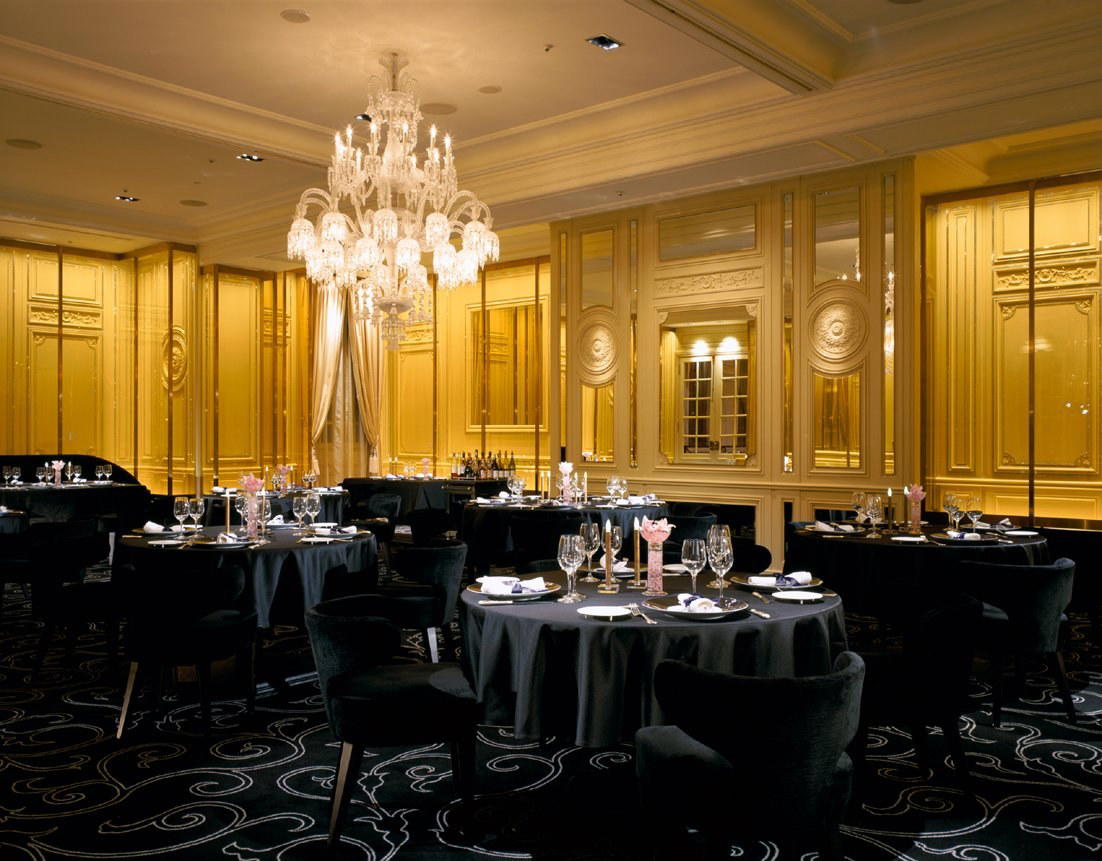

Bars in Tokyo
All bars in Tokyo →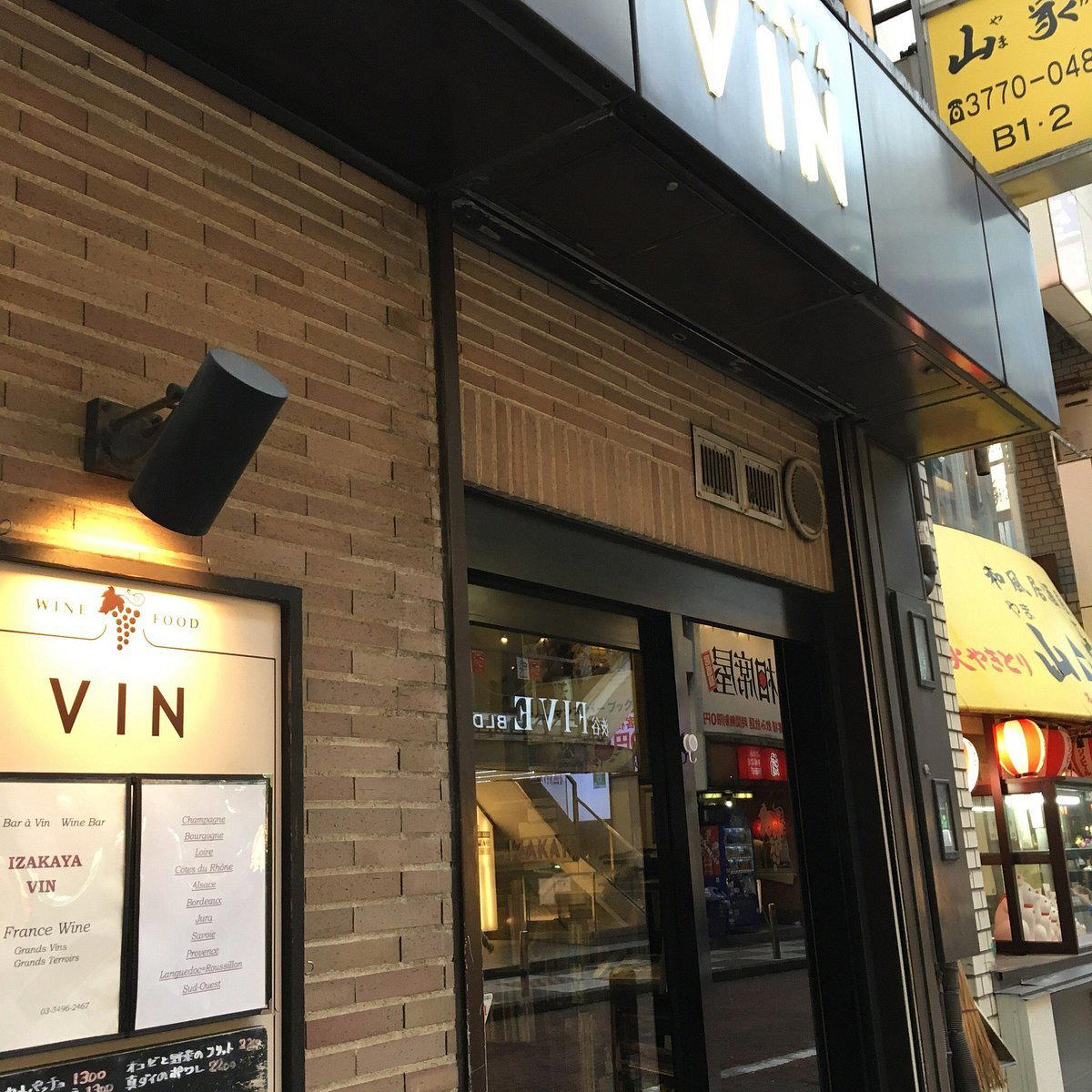




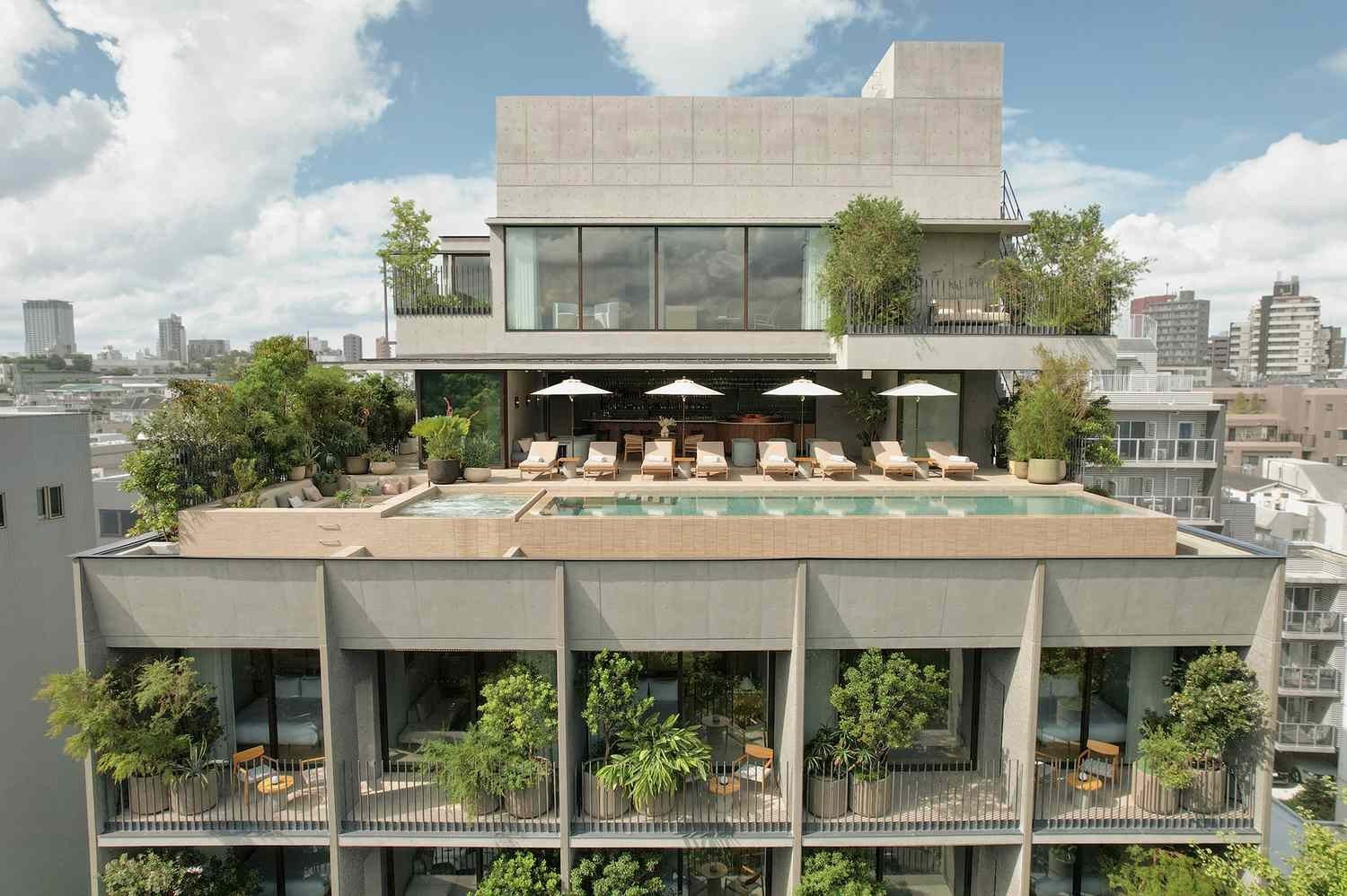



Details
- Cozy
- Elegant
- Intimate
- Sophisticated
- Date Night
- Special Occasion
- Solo
- Chefs Counter
- Open Kitchen
- Sake Program
- Natural Wine
- Local Sourcing
- Omakase
- A La Carte
- Counter Dining
- Sake
- Natural Wine
Current opening hours
- Monday
- Closed
- Tuesday
- 5–11 PM
- Wednesday
- 5–11 PM
- Thursday
- 5–11 PM
- Friday
- 5–11 PM
- Saturday
- Closed
- Sunday
- Closed
Hours can change for holidays and private events. Hours as of .
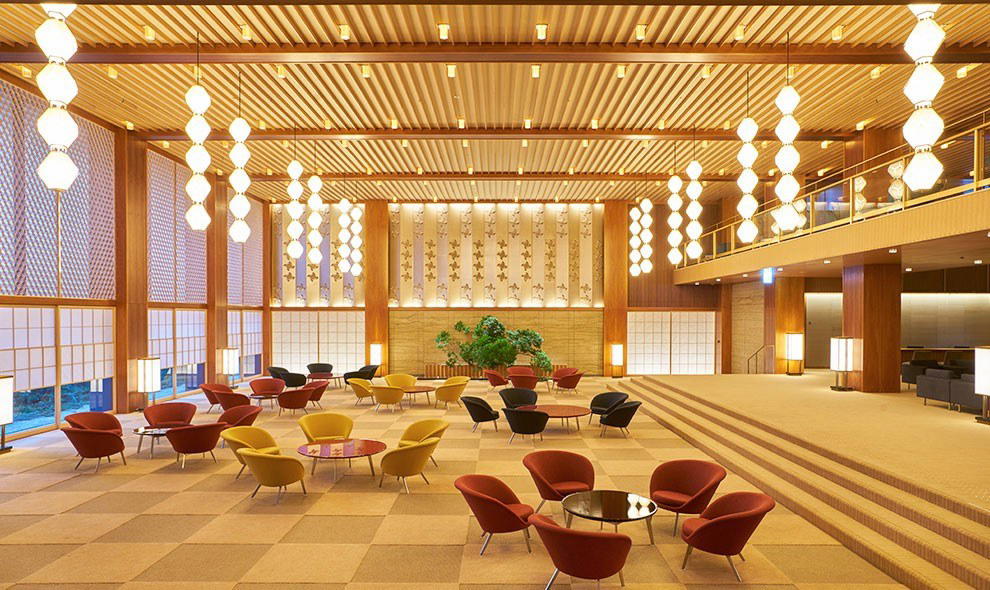
Dimly lit, cozy atmosphere with an intimate wooden counter where diners watch chefs at work, blending rustic and contemporary elements.