

Kanjo belongs to Tokyo’s small-format Japanese dining tier, where duck, soba and counter discipline carry more weight than spectacle. Its reputation is backed by Tabelog Award Bronze recognition in 2025 and 2026, selection for Tabelog 100 Japanese cuisine Tokyo in 2023 and 2025, and an OAD Top Restaurants in Japan Recommended listing for 2026.
Pearl is the En Primeur Club membership app — saves, bookings, and concierge access live there. Same editors, same standards.
- Address
- Japan, 〒106-0032 Tokyo, Minato City, Roppongi, 4 Chome−12−5 3f
- Phone
- +81 80-5122-4125
- Website
- instagram.com
- Directions
- Get directions
 Saves & bookings on Pearl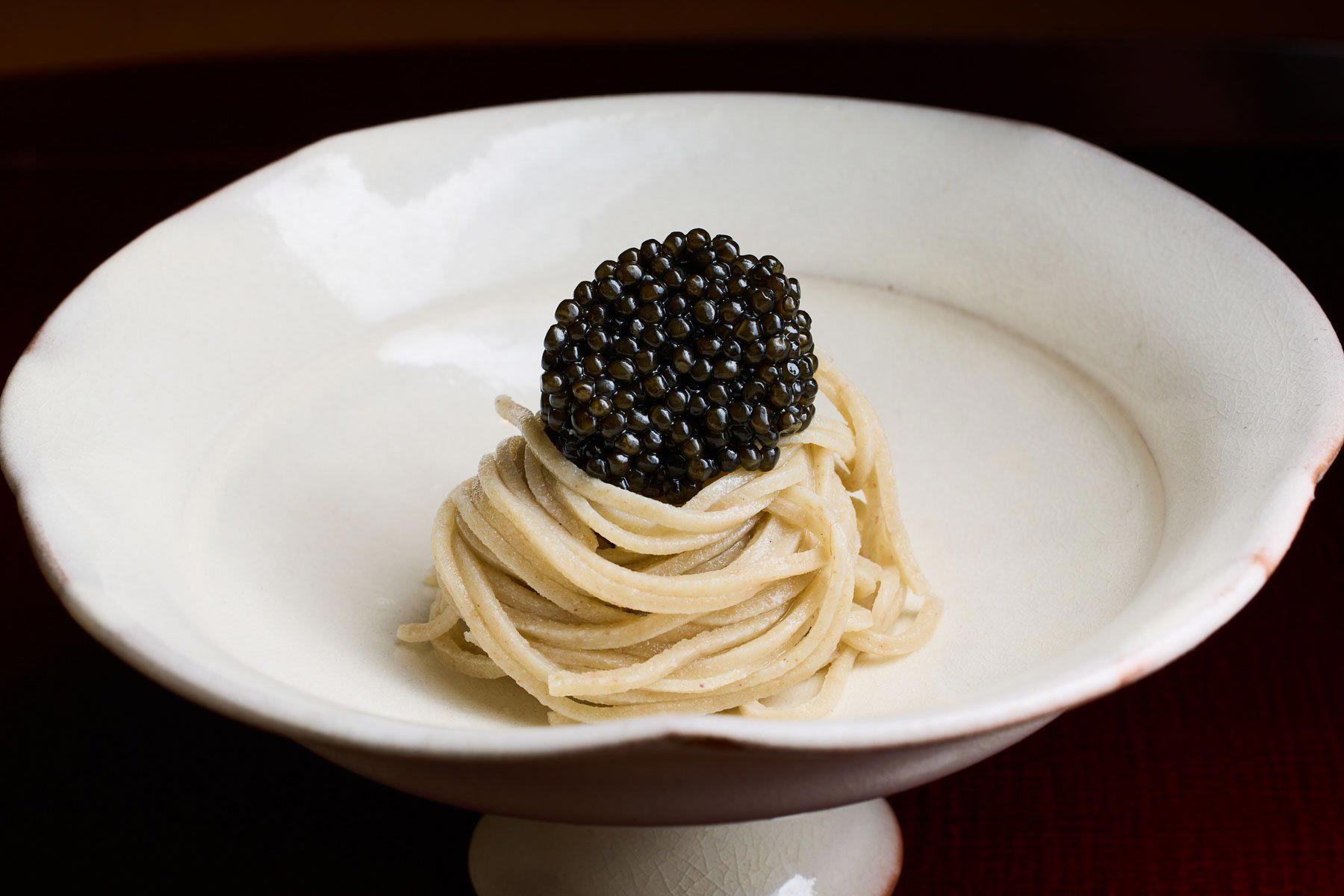
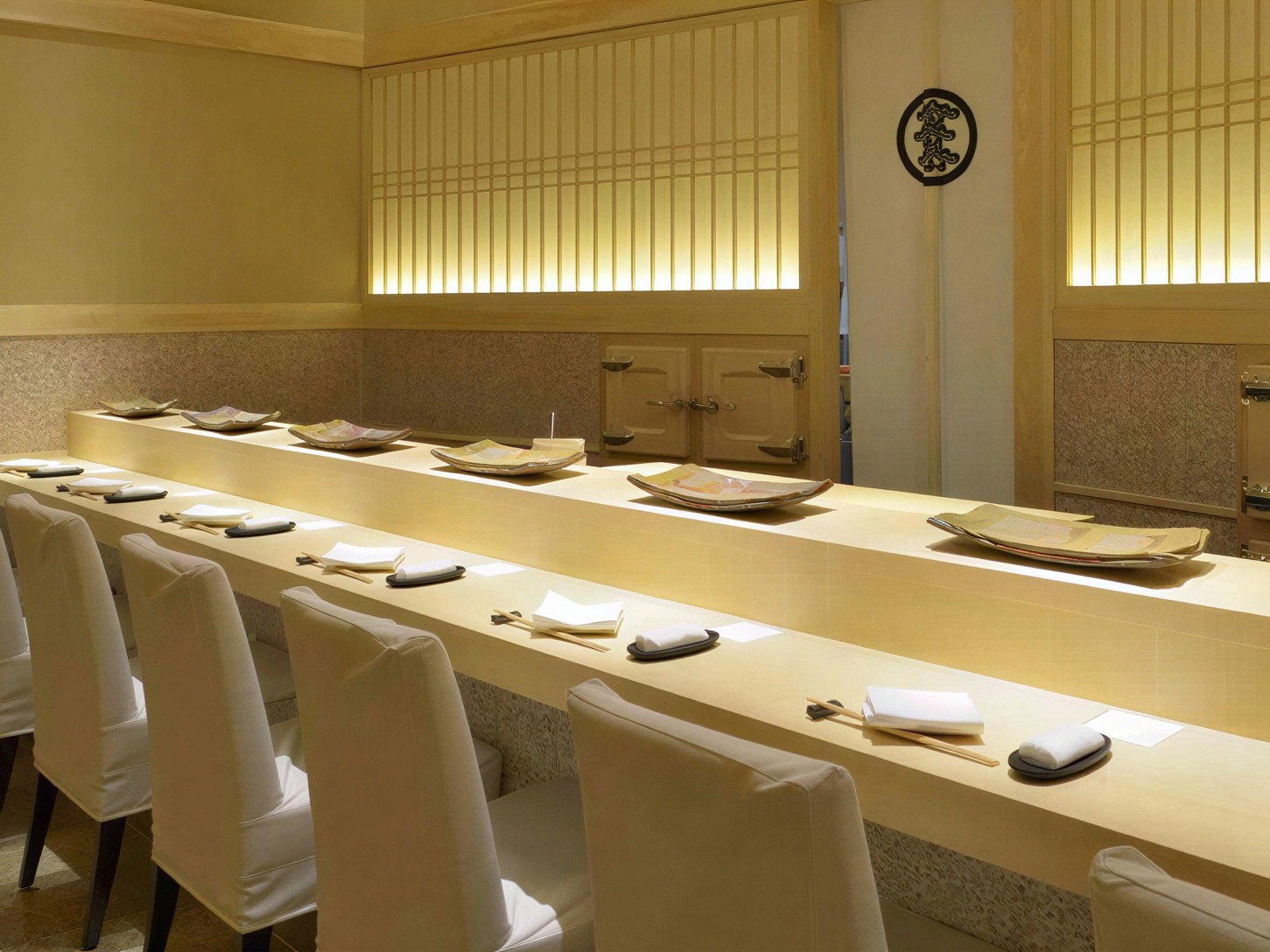
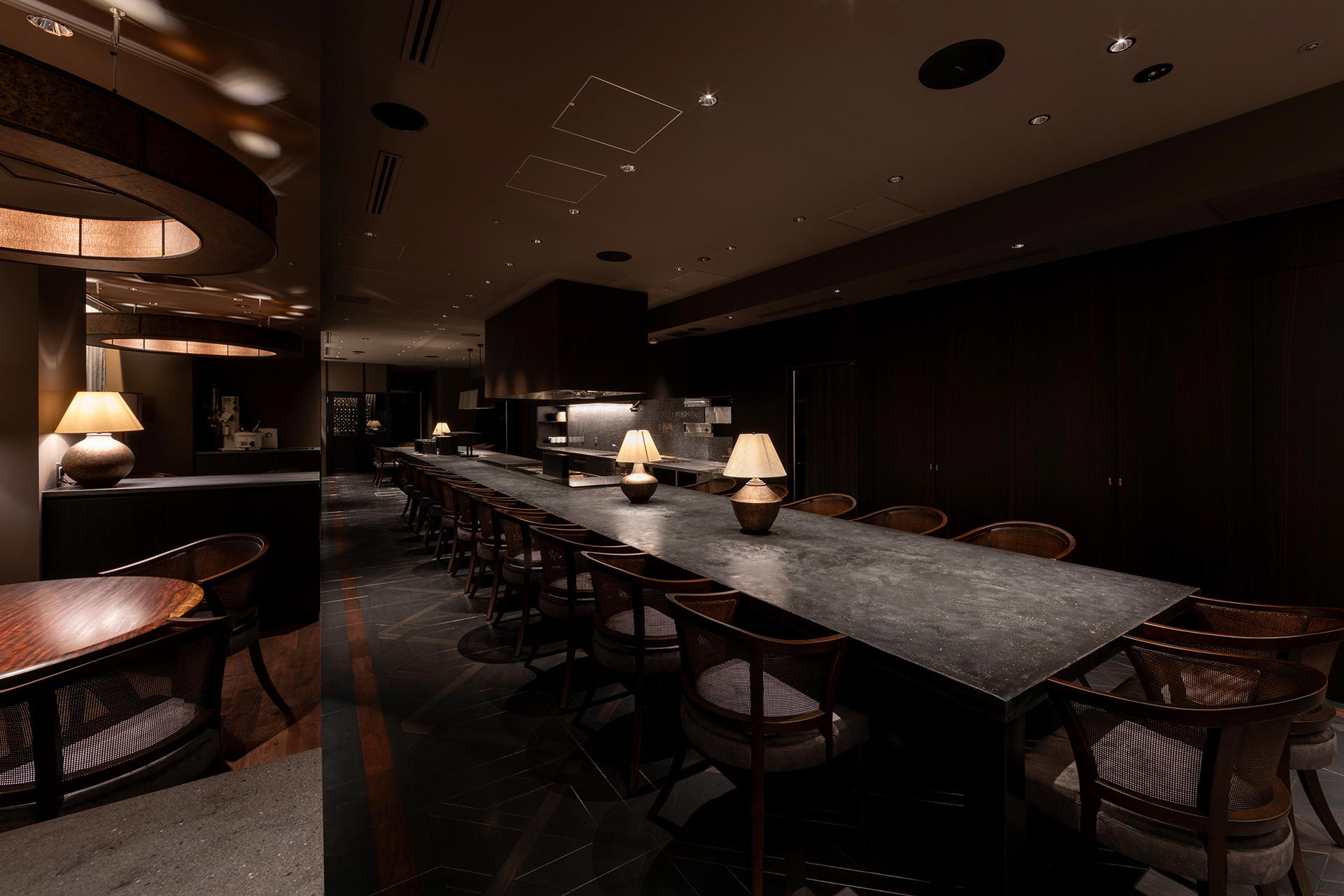
Roppongi usually announces itself loudly: station exits, late-night traffic, dining rooms built for corporate certainty. Kanjo works more quietly: a third-floor, low-capacity room with no exterior signage, closer to Tokyo’s counter tradition than the area’s visible expense-account dining. Its reputation rests not on theatre, but on a tightly defined Japanese format around duck, soba and few seats.
Tokyo rewards specialization. Sushi counters, tempura rooms, yakitori counters and soba houses draw status from repetition, restraint and making a short format feel complete. Kanjo occupies a precise lane: Japanese cuisine with duck and soba at the centre, supported by a drinks program attentive to sake and wine. Seven seats put pressure on pacing and technique; there is little room for anonymity, and less for looseness.
The external recognition places it beyond neighbourhood enthusiasm. Tabelog awarded Bronze in 2025 and 2026, and selected it for Tabelog 100 Japanese cuisine Tokyo in 2023 and 2025. Opinionated About Dining included Kanjo in its 2026 Top Restaurants in Japan Recommended list. Those signals do not describe the meal, but show where critical diners file it: not as a broad Roppongi Japanese restaurant, but as a focused specialist counter inside Tokyo’s competitive high-end washoku scene.
Duck and soba give the room its discipline
Duck plays a different role in Japanese dining than beef or tuna. It rewards kitchens that understand fat, broth, temperature and restraint rather than volume. Soba adds another test: texture, timing and aroma are unforgiving, and even a strong course can collapse if service rhythm slips. Pairing the two places Kanjo in a narrower category than kaiseki. The restaurant is not trying to cover every seasonal trope of Japanese cuisine; it concentrates on a language where small deviations matter.
That focus explains the allergy policy. A restaurant built around soba and duck has less flexibility than a larger à la carte kitchen, so restrictions involving those ingredients create a structural issue rather than a simple substitution request. For travellers, this is part of deciding whether the format fits the table. Tokyo’s specialist counters often deliver force through limitation, which also makes them poor fits for some groups.
Roppongi’s dining map makes the contrast useful. A steak-house format such as BENJAMIN STEAK HOUSE Roppongi serves a different occasion, while IRUCA TOKYO sits in the ramen lane and Toshi Yoroizuka Middo Taun in a lower-priced sweets-and-dessert register. Sifon Choi Yoshida occupies another compact premium category. Against that spread, Kanjo reads as a specialist Japanese counter, not a general-purpose Roppongi dinner reservation.
Award recognition without the usual luxury signals
Tokyo’s award economy can flatten restaurants into badges, but the better reading is comparative. Tabelog Bronze and Tabelog 100 selection indicate sustained diner and critic attention within Japan’s ranking culture, while OAD’s 2026 recommendation places Kanjo in an international-facing conversation. The useful conclusion is not that every traveller should chase the booking. The sharper point is that a seven-seat duck-and-soba room has earned recognition in a city where small counters compete with globally famous sushi, kaiseki and tempura rooms.
The chef name attached to OAD’s listing is Hitoshi Toyota, but the more interesting story is the category, not the biography. Tokyo diners have long respected cooks who narrow the field and execute within it. The strongest small restaurants often feel less like miniature grand dining rooms than studies in a single grammar. Kanjo’s grammar is Japanese cuisine through duck, soba and counter intimacy, with reputation reinforced by multiple awards cycles.
For readers mapping a broader Tokyo trip, Kanjo belongs in a different folder from casual curry shops, cafés or large-format restaurants. Use Our full Tokyo restaurants guide to place it alongside the city’s wider dining range, from 124. KAGURAZAKA (Yakitori) and 12/10 Shinjuku ten to 3 Chome no Curry Ya San, 2D Cafe and. 鮪と炭火焼き うお炭 秋葉原店. For the rest of the city, keep the dining plan connected to Our full Tokyo hotels guide, Our full Tokyo bars guide, Our full Tokyo wineries guide and Our full Tokyo experiences guide.
Who should choose this kind of Tokyo dinner
This is a meal for diners who value concentration over breadth. The appeal is not choice or a room designed for every occasion, but seeing how a specialist kitchen treats a narrow set of materials within disciplined service. That makes it better suited to adults and small parties than to a flexible family meal, and to diners comfortable with a fixed culinary identity rather than anyone needing extensive substitutions.
The practical character follows the format. A simultaneous-start service makes punctuality part of the meal, not a courtesy. No private rooms reinforce the counter-first experience. Credit-card-only payment and a no-smoking policy match contemporary Tokyo fine-dining formality, while English-capable service lowers friction for international diners without changing the Japanese-counter rhythm.
Kanjo’s value is clearest as part of a Tokyo itinerary built around specialization. Nearby or not, it has less in common with broad-appeal venues than with other focused Japanese formats across the country. Travellers continuing beyond Tokyo might compare the decision-making logic with -Grilled beef Sukiyaki- KAMAKURA TANUKIAN 鎌倉 たぬき庵 in Kamakura, [ki:] in Kyoto, [Curry Senmon Ten] Maruyama Kyoju. in Sapporo.cafe in Osaka.know in Kumamoto or (Shoku) Vietnam in Kawasaki. For a sake-driven comparison outside Japan, Jōdo Saké Bar in Los Angeles and Onigiri Time in Pasadena show how Japanese formats travel, simplify and change when removed from Tokyo’s dense specialist culture.
Comparable venues nearby, for context on price, style, and recognition.
| Venue | Cuisine | Price | Notes |
|---|---|---|---|
| KanjoThis venue — the venue you are viewing | Modern Duck & Soba Kaiseki | $$$$ | Not listed |
| Yoroniku Azabudai Hills | Modern Wagyu Yakiniku Kaiseki | $$$$ | Minato |
| Ichikawa | Edomae Sushi | $$$$ | Minato |
| Tokyo Nikushabuya Subin | Modern Japanese Nikushabu & Yakiniku | $$$$ | Chūō |
| Azabu Ichigo | Refined Japanese Oden and Kaiseki | $$$$ | Minato |
| Sushi Suzuki | Orthodox Edomae Omakase | $$$$ | Chūō |
Recognition history
Dated appearances from independent guides and award organizations, with the underlying list record or original source where available.
Opinionated About Dining Top Restaurants in Japan Recommended
Opinionated About Dining
Tabelog Bronze #163
Tabelog
Tabelog 100 #48 · No. 48
Tabelog · Tabelog 100 - Japanese cuisine - TOKYO - 2025
Tabelog Bronze
Tabelog










At a Glance
- Intimate
- Minimalist
- Cozy
- Elegant
- Date Night
- Special Occasion
- Chefs Counter
- Open Kitchen
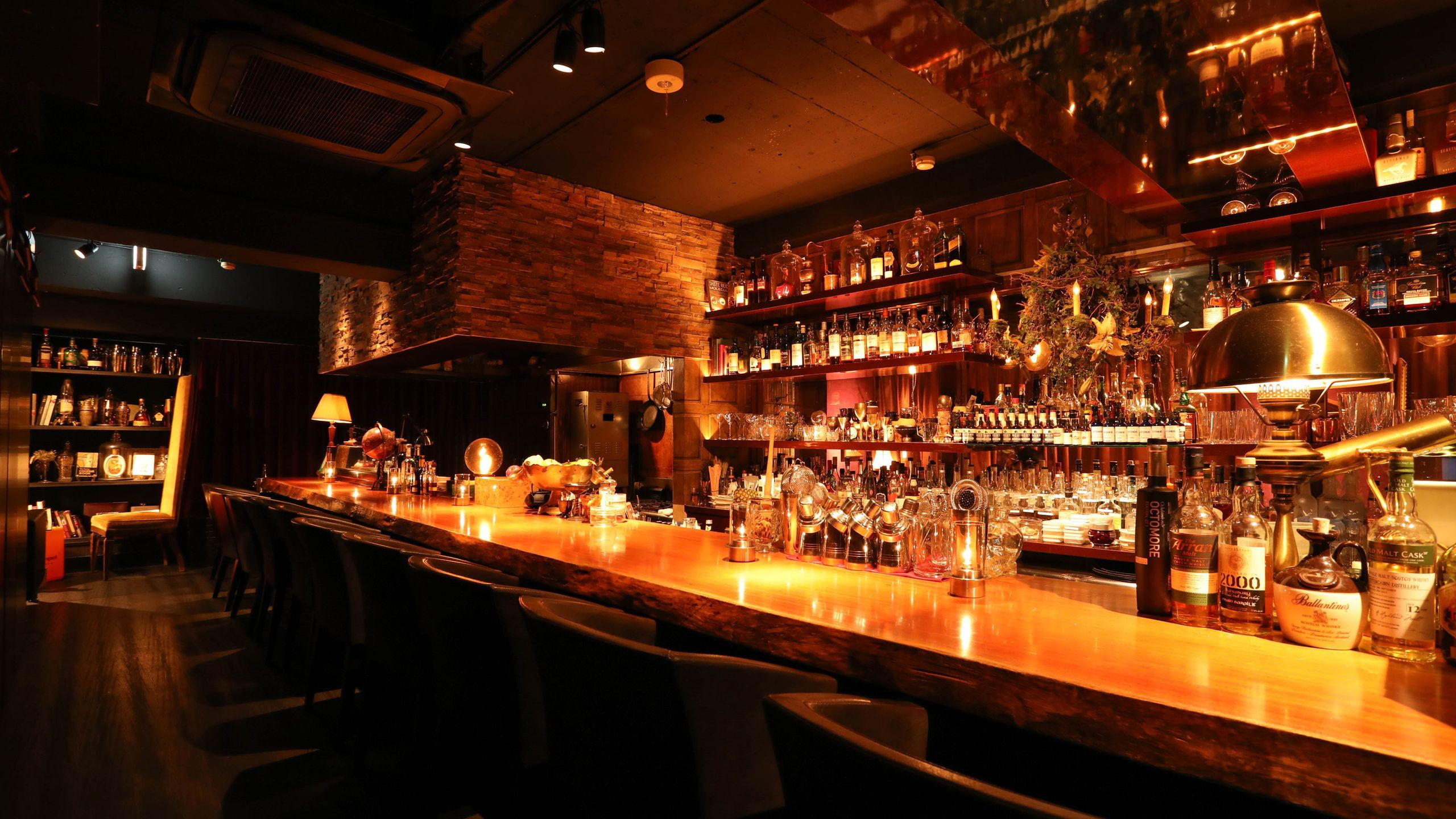
- Sake Program
- Extensive Wine List
- Local Sourcing
Current opening hours
- Monday
- 5–11 PM
- Tuesday
- 5–11 PM
- Wednesday
- 5–11 PM
- Thursday
- 5–11 PM
- Friday
- 5–11 PM
- Saturday
- 5–11 PM
- Sunday
- 5–11 PM
Hours can change for holidays and private events. Last verified .
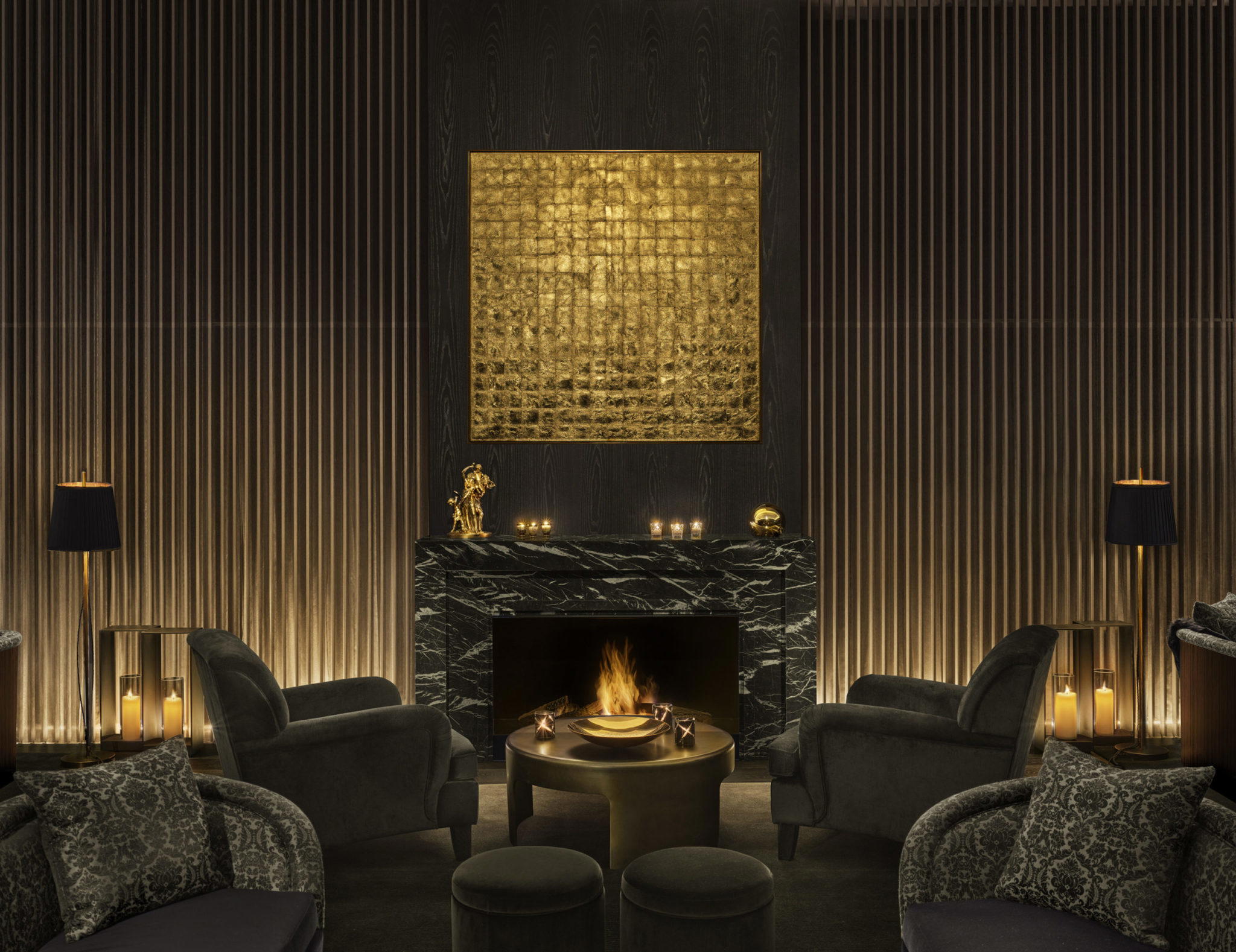
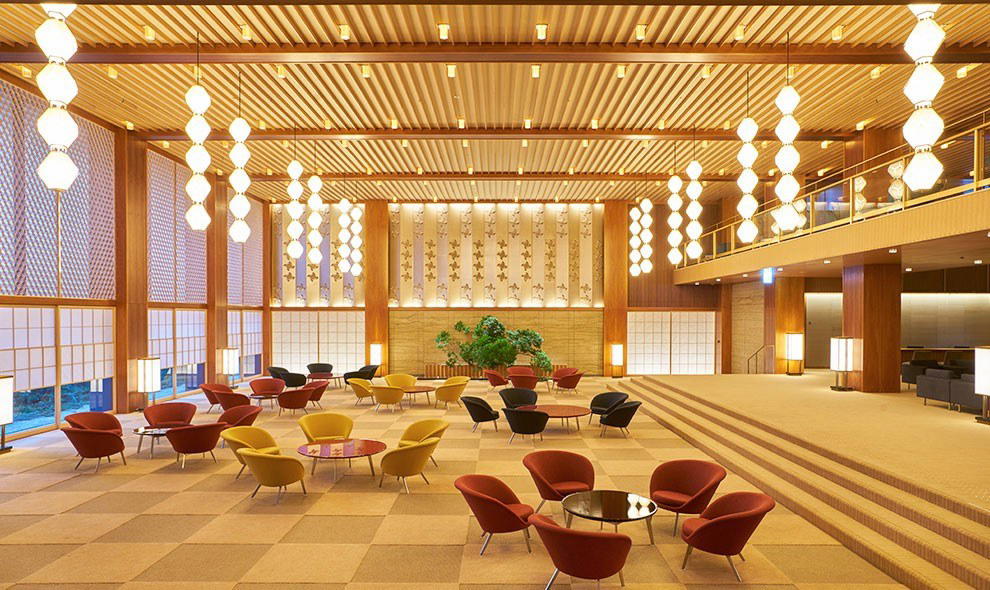
Minimalist teahouse-style interior with calming wooden counter seating 7, facing open kitchen with charcoal grill, evoking Kyoto kappo serenity
Know Before You Go
- Reservations
- Essential
- Dress code
- Smart casual
- Getting there
- Japan, 〒106-0032 Tokyo, Minato City, Roppongi, 4 Chome−12−5 3f