La Roda sits on the Rambla del Poblenou in Sant Martí, a neighbourhood that has reshaped Barcelona's dining geography over the past decade. The address alone places it in a different conversation from the Eixample fine-dining corridor, and that distance from the city's established restaurant cluster carries editorial weight worth examining before you book.
Pearl is the En Primeur Club membership app — saves, bookings, and concierge access live there. Same editors, same standards.
- Address
- Rambla del Poblenou, 45, Sant Martí, 08005 Barcelona, Spain
- Phone
- +34933003138
- Website
- larodapoblenou.es
- Directions
- Get directions
 Saves & bookings on Pearl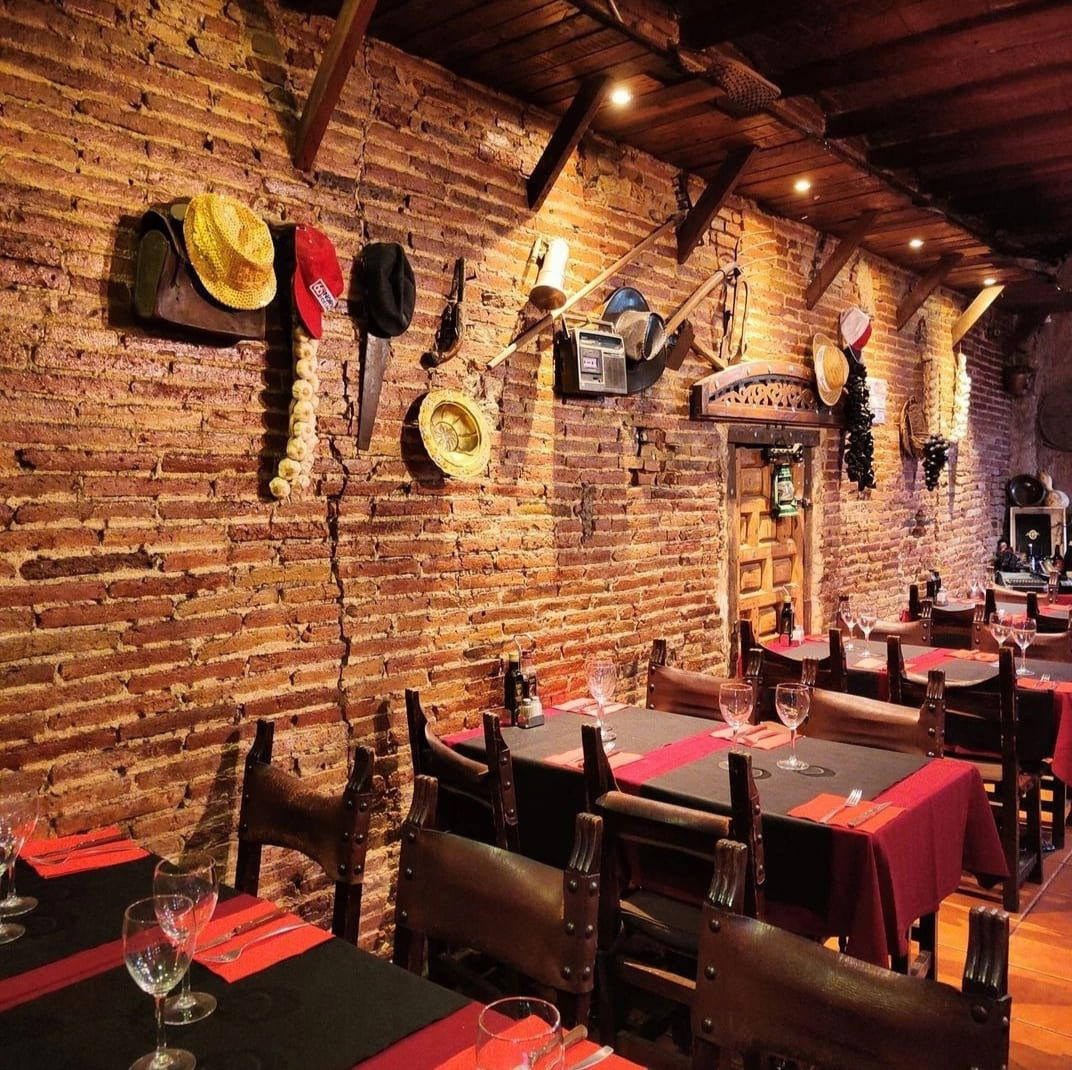
A Street That Changed Barcelona's Dining Map
La Roda is a Spanish/Catalan Grill & Paella restaurant in Sant Martí, Barcelona. For years, serious dining in the city meant the Eixample grid: the long avenues where Lasarte, Cocina Hermanos Torres, and Disfrutar built their reputations within a few kilometres of each other. Poblenou, by contrast, was a post-industrial neighbourhood of factory floors and warehouses, its seafront stretch historically associated with beach bars rather than destination dining. That geography has shifted. The Rambla del Poblenou, a pedestrian boulevard that functions as the neighbourhood's social spine, has attracted a different kind of operation, one less indebted to the accumulated expectations of the Eixample dining circuit and more willing to define itself on its own terms.
La Roda sits at number 45 on that boulevard, in a neighbourhood that now draws a mix of long-term residents, relocated creative professionals, and visitors who have run out of patience with the Gothic Quarter's tourist density. The address is not incidental. Sant Martí is a district that rewards the traveller who does the secondary research, and a venue planted here signals something about its relationship to the mainstream Barcelona dining conversation, adjacent to it, but not beholden to it.
The Physical Container and What It Implies
In Barcelona's competitive restaurant environment, the room a venue occupies does significant editorial work before a dish arrives. The city's premium tier, represented by tasting-menu houses like Enigma and ABaC, has invested heavily in interior architecture as a signal of ambition, using spatial design to prime the guest before the first course lands. The Rambla del Poblenou offers a different spatial logic: the boulevard's tree-lined pedestrian character means the street itself contributes to the dining environment in a way that the interior-focused rooms of the Eixample cannot replicate.
The relationship between inside and outside, between the controlled environment of a dining room and the ambient life of a neighbourhood street, shapes the tone of a meal in ways that go beyond décor choices. It is a less hermetic version of the restaurant experience, and that openness is a design statement in itself, a positioning that prioritises a sense of place over the insulated drama that Barcelona's highest-profile tasting rooms tend to engineer.
This spatial approach sits within a broader shift in Spanish dining. The country's most-discussed addresses, El Celler de Can Roca in Girona, Mugaritz in Errenteria, Azurmendi in Larrabetzu, are frequently set apart from city centres, using their spatial remove as part of the experience architecture. Urban neighbourhood restaurants occupy a different position: embedded in the social fabric of a specific district, accountable to a local audience as much as to the travelling diner.
Poblenou in the Context of Barcelona's Restaurant Geography
Understanding La Roda requires understanding what Poblenou has become in the past ten years. The neighbourhood's transformation from industrial zone to residential and creative hub accelerated after the 22@ district designation turned its factory blocks into office and studio space. Restaurants followed the residential density, and the Rambla del Poblenou specifically has become a reliable evening circuit for locals who treat it as their high street rather than a destination in the tourist sense.
This demographic is different from the clientele that fills the tasting-menu rooms of the Eixample on any given Thursday. It skews local, it is less dependent on hotel concierge recommendations. A restaurant that earns regular custom on the Rambla del Poblenou is operating on repeat-visit logic.
That repeat-visit logic connects the restaurant to a tradition of neighbourhood dining that runs through Spanish food culture at every level. The same principle operates at different price points: from the working pintxos bars of San Sebastián's old town to addresses like Ricard Camarena in València, where serious cooking is embedded in a neighbourhood context rather than refined above it. Barcelona's Poblenou is building that kind of credibility, restaurant by restaurant.
Spain's Broader Dining Scene and Where Barcelona Sits
Barcelona occupies a specific position in Spanish fine dining: it is the country's second city for Michelin recognition, trailing only the Basque Country in concentration of starred addresses. The competitive set it faces is formidable. Martin Berasategui in Lasarte-Oria, Arzak in San Sebastián, Aponiente in El Puerto de Santa María, Quique Dacosta in Dénia, and DiverXO in Madrid all draw international attention and define the upper tier of the national conversation. Against that backdrop, Barcelona's neighbourhood dining scene functions as both counterpoint and foundation: the places where locals actually eat, week in and week out, are part of what makes a food city coherent rather than merely prestigious.
For the traveller who has worked through the tasting-menu circuit, who has spent an evening at Atrio in Cáceres or made the comparison between Le Bernardin in New York and Barcelona's comparable rooms, the neighbourhood restaurant represents a different register of research. It is the part of the trip that requires local knowledge rather than a list of award winners, and it often produces the meal that stays in the memory precisely because it was not built for the memory.
Planning Your Visit
Know Before You Go
- Address: Rambla del Poblenou, 45, Sant Martí, 08005 Barcelona, Spain
- District: Sant Martí (Poblenou), walkable from the seafront and the 22@ zone
- Getting There: Metro line 4 (Selva de Mar or Poblenou stations) places you within ten minutes on foot; the Rambla del Poblenou itself is pedestrianised
- Booking: Reservations are recommended.
- Hours: Mon: 12 PM-12 AM; Tue: 6 PM-12 AM; Wed: 12 PM-12 AM; Thu: 12 PM-12 AM; Fri: 12 PM-1 AM; Sat: 12 PM-1 AM; Sun: 12 PM-12 AM
- Price Range: About $25 per person
Quick Comparison
Comparable venues nearby, for context on price, style, and recognition.
| Venue | Cuisine | Price | Notes |
|---|---|---|---|
| La RodaThis venue — the venue you are viewing | Spanish/Catalan Grill & Paella | $$ | Not listed |
| Can Martí Restaurant | Traditional Catalan Grill | $$ | Vallvidrera, el Tibidabo i les Planes |
| Irati Taverna Basca | Authentic Basque Pintxos | $$ | Barri Gotic |
| Cata de Catacroquet | Modern Spanish Tapas & Croquettes | $$ | el Parc i la Llacuna del Poblenou |
| TAPAS AVINYO | Authentic Spanish Tapas | $$ | Barri Gotic |
| Denassus | Modern Catalan Tapas & Natural Wine | $$ | Sant Antoni |
Continue exploring
More in Barcelona
Restaurants in Barcelona
Browse all →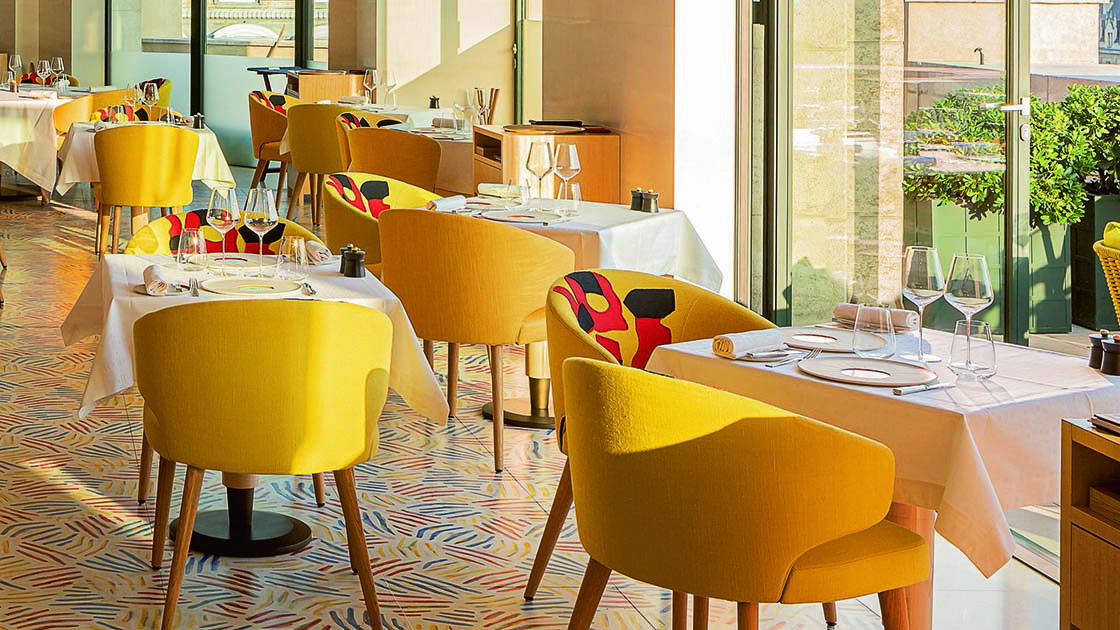
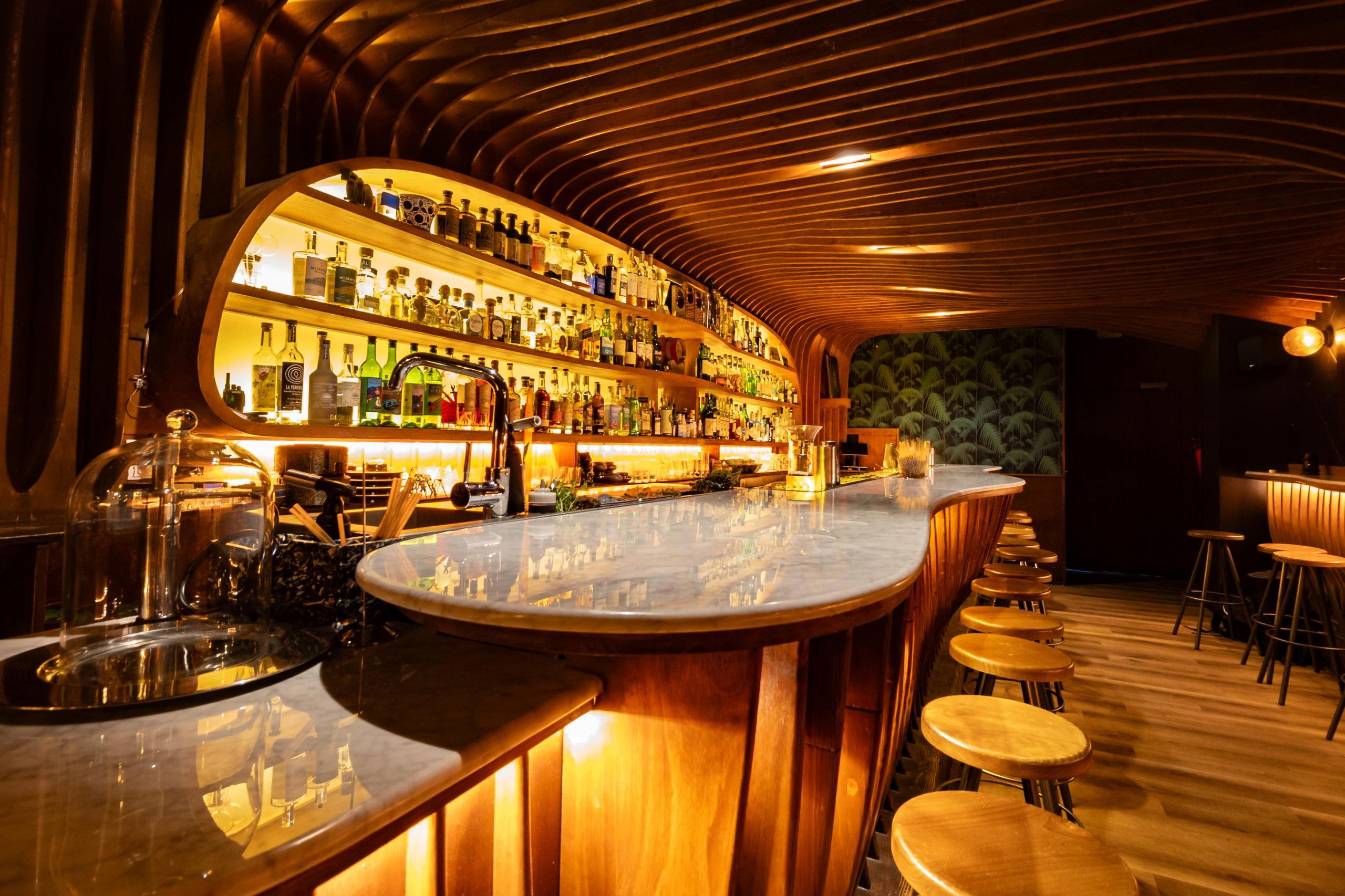
Bars in Barcelona
Browse all →
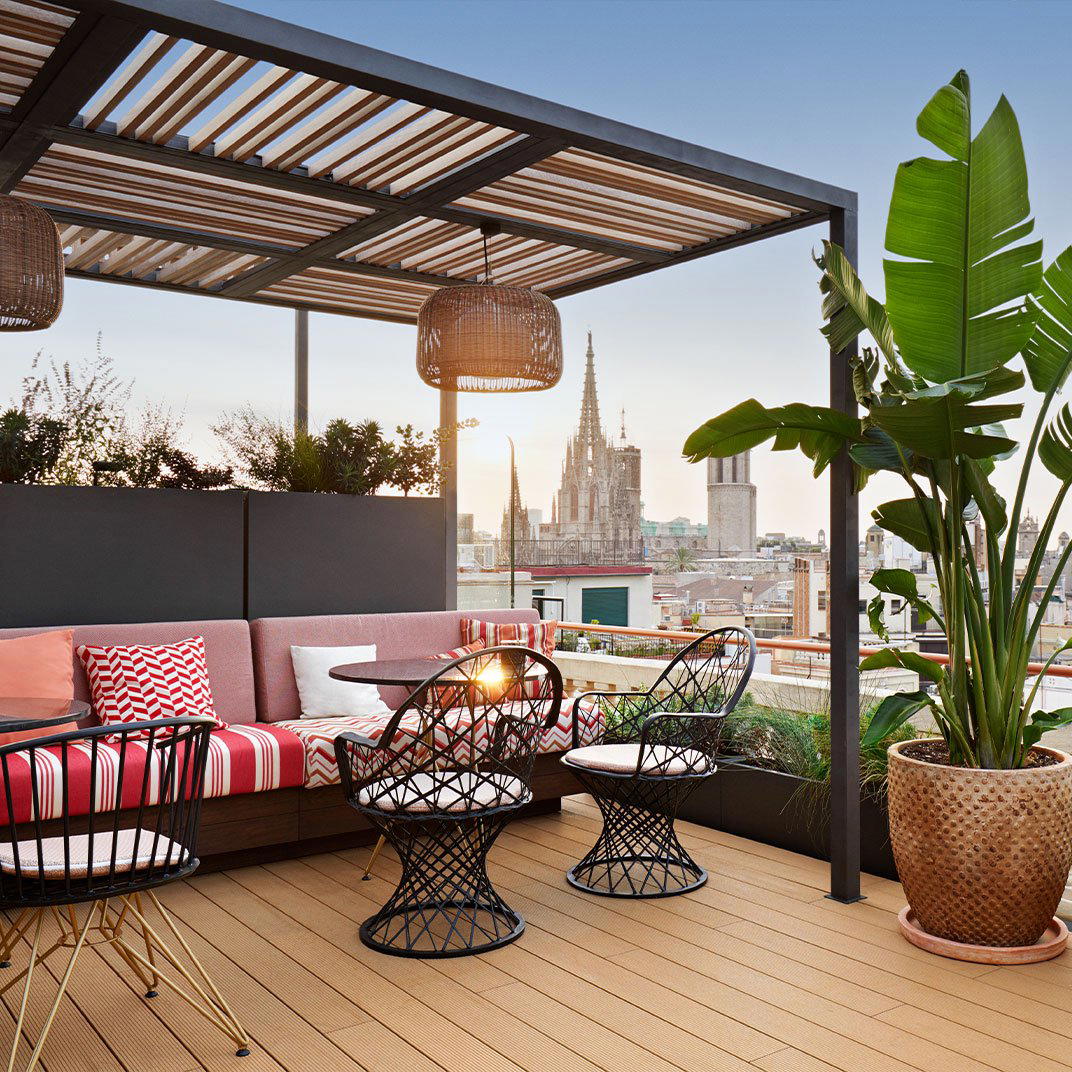
Hotels in Barcelona
Browse all →
At a Glance
- Rustic
- Cozy
- Group Dining
- Casual Hangout
- Family
- Terrace
- Street Scene
Current opening hours
- Monday
- 12 PM–12 AM
- Tuesday
- 6 PM–12 AM
- Wednesday
- 12 PM–12 AM
- Thursday
- 12 PM–12 AM
- Friday
- 12 PM–1 AM
- Saturday
- 12 PM–1 AM
- Sunday
- 12 PM–12 AM
Hours can change for holidays and private events. Last verified .
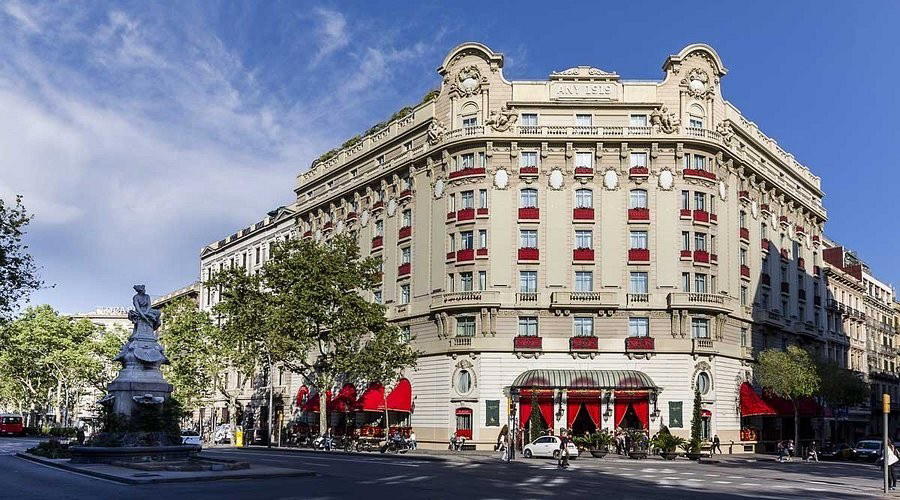
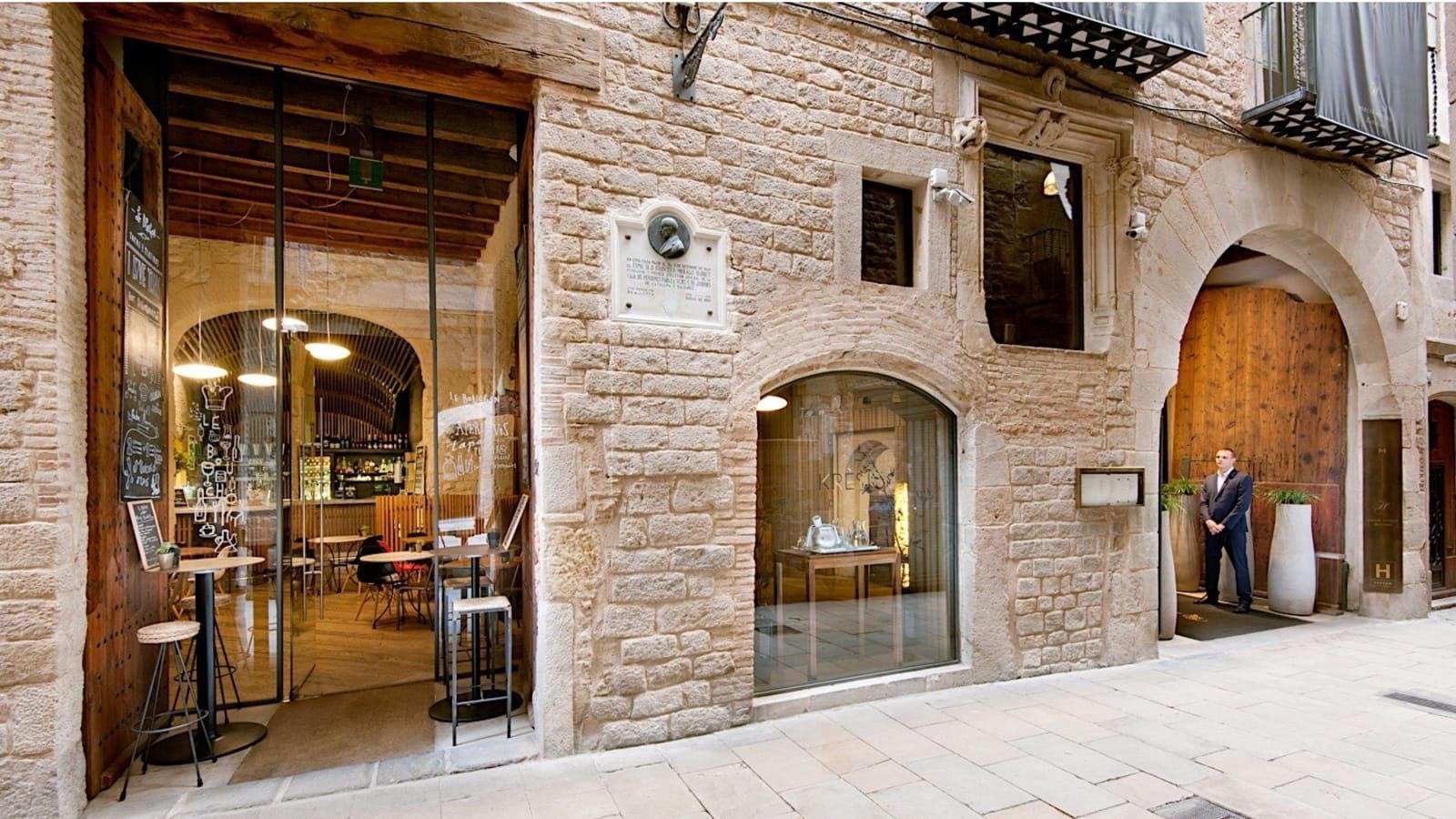
Cozy and welcoming with a warm, rustic atmosphere and terrace seating on Rambla del Poblenou.