Sage occupies a Graham Avenue address in Brooklyn's Williamsburg, sitting within a neighbourhood that has become one of the borough's most closely watched dining corridors. With sparse official data and a deliberately low public profile, the restaurant draws attention through word-of-mouth rather than press machinery, a posture that, in New York's current restaurant culture, carries its own signal.
Pearl is the En Primeur Club membership app — saves, bookings, and concierge access live there. Same editors, same standards.
- Address
- 299-301 Graham Ave, Brooklyn, NY 11211
- Phone
- +1 718 218 6644
- Website
- sageongraham.com
- Directions
- Get directions
 Saves & bookings on Pearl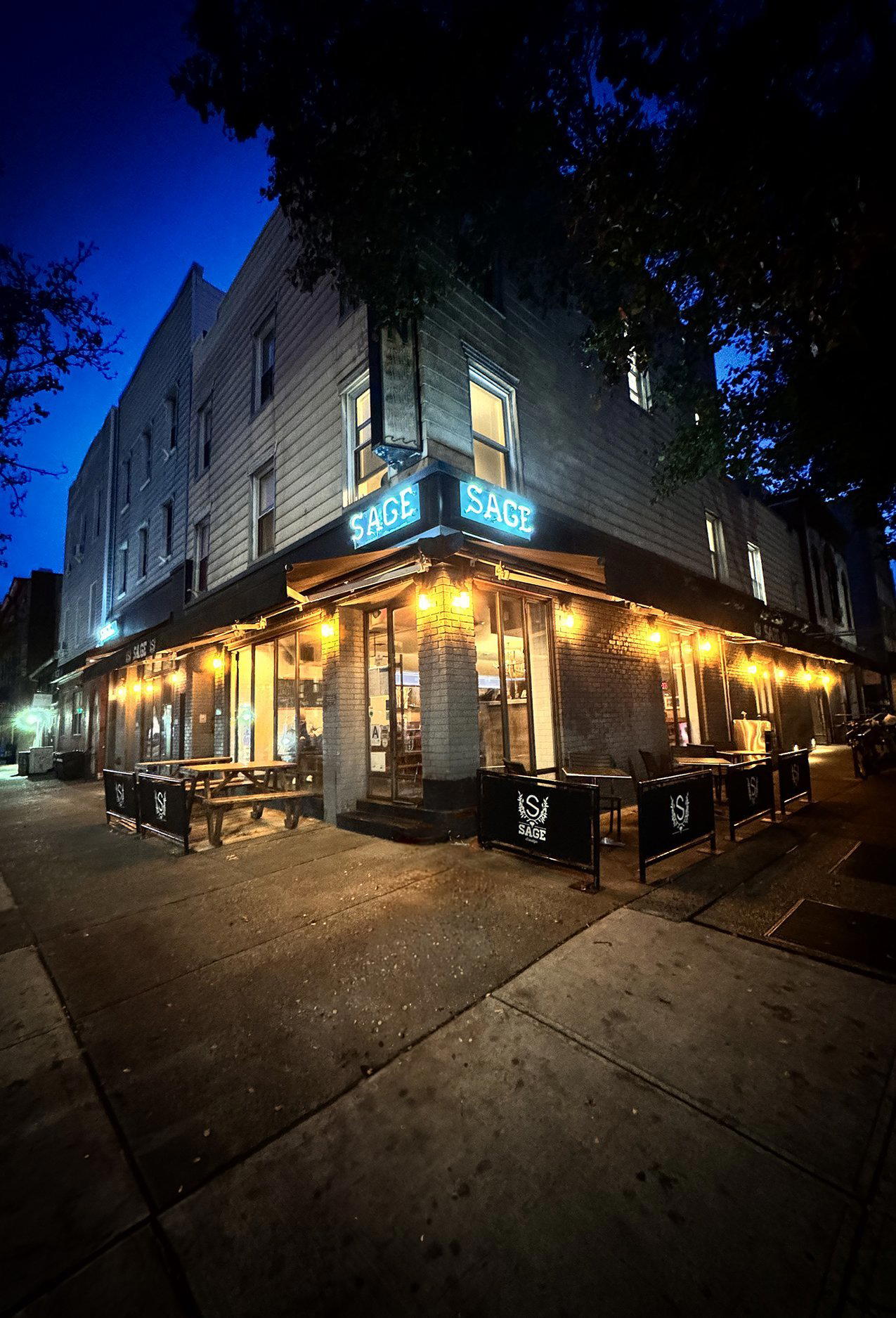
Graham Avenue and the Quiet End of Williamsburg's Dining Corridor
Brooklyn's restaurant culture has reorganised itself more than once in the past two decades. The early wave of destination dining that landed in Williamsburg during the 2000s was loud about itself, open kitchens, long communal tables, menus printed on kraft paper. What followed was something more considered. By the mid-2010s, a second generation of operators arrived on streets like Graham Avenue with less noise and more intention, building rooms that rewarded the walk rather than the Instagram post. Sage is a Thai restaurant at 299-301 Graham Avenue in Brooklyn, with a casual dress code and a recommended reservation policy. Its address places it at the eastern edge of the neighbourhood's main dining artery, past the blocks that attract the heaviest foot traffic, in the zone where a restaurant has to earn its regulars rather than inherit them from passing crowds.
A Room That Works Through Restraint
The sensory register of a neighbourhood restaurant on Graham Avenue is specific: the sound of a residential street filtering through a front window, the smell of a kitchen working without the industrial exhaust of a large brigade, light that shifts from afternoon amber to something closer as the evening progresses. Rooms of this type, common in the residential pockets between Williamsburg and Bushwick, make their impression through accumulation rather than spectacle. There is no single theatrical gesture, no open fire, no ceiling installation, no sommelier theatrics. The atmosphere is assembled from smaller decisions: how the tables are spaced, whether the lighting is warm enough that a two-hour dinner feels natural rather than rushed, how the sound sits when the room reaches capacity. These are the variables that separate a neighbourhood room that sustains over years from one that cycles out in eighteen months. Sage's location on a quieter stretch of Graham Avenue suggests a deliberate orientation toward the former.
For context on how Brooklyn's dining character sits relative to Manhattan's highest-concentration fine dining, consider the distance in register between a room like this and the midtown tier occupied by Le Bernardin, the Upper West Side gravity of Per Se, or the tasting-menu formalism of Eleven Madison Park. Brooklyn's better neighbourhood rooms operate in a different register entirely, lower ceremony, more direct hospitality, and a price structure that allows for repeat visits rather than annual-event dining.
What the Address Implies About the Format
New York's outer borough dining has diverged into two readable categories. One uses neighbourhood credentials to justify destination pricing, a tasting-menu format with allocated booking windows and wine pairings that price against the Manhattan fine-dining tier. The other commits to the neighbourhood contract: accessible enough for regulars, serious enough that those regulars keep returning. Graham Avenue's residential character, and the density of long-running independent operators in the surrounding blocks, suggests that Sage operates closer to the second model. That is not a diminishment. The restaurants that survive longest in New York's competitive borough dining scene are almost always those that have built a dependable local audience rather than chasing a broader tourist or destination draw.
This pattern appears across American cities wherever serious cooking has moved into residential corridors. Smyth in Chicago made a comparable move into a West Loop neighbourhood that was still consolidating its identity. Lazy Bear in San Francisco planted itself in the Mission with a format that required a local audience to sustain it before destination diners arrived. In each case, the neighbourhood relationship preceded the broader recognition.
Low Profile, Deliberate Positioning
In a city where restaurants maintain active press relationships, social media accounts, and publicist-managed review cycles, the absence of that machinery carries information. Sage's limited public footprint, no listed phone number, no active web presence in the standard directories, places it in a category of New York restaurants that operate on referral and return visit rather than new-customer acquisition through search. This is a viable model in Brooklyn, where neighbourhood density and a high concentration of food-engaged residents means that a room can fill without broad awareness. It is also a fragile model: without some level of public record, a restaurant's reputation exists entirely in conversation, which means a single difficult period can erode it faster than documented recognition would allow.
The contrast with highly credentialed New York peers is instructive here. Atomix, the modern Korean counter in the Flatiron area, maintains a waiting list and a documented award record that anchors its reputation across booking cycles. Masa operates with the kind of institutional recognition that makes its reputation self-sustaining. Neither model is available to a Graham Avenue neighbourhood room, which means that Sage's longevity, if it has achieved it, is the more meaningful credential.
Planning a Visit
Graham Avenue is accessible via the L train at Graham Avenue station, a direct connection from Manhattan's 14th Street corridor. The surrounding blocks offer enough neighbourhood texture that arriving early, walking from the Morgan Avenue stop to the east, or from the Lorimer Street stop to the west, gives useful context for the area's character before sitting down. Reservations are recommended, and the restaurant is open Mon to Thu and Sun from 12 to 10 PM, Fri and Sat from 12 to 11 PM.
Those whose interest in serious American neighbourhood dining extends beyond New York will find useful reference points in Blue Hill at Stone Barns in Tarrytown, Frasca Food and Wine in Boulder, Providence in Los Angeles, Addison in San Diego, The French Laundry in Napa, Single Thread Farm in Healdsburg, Emeril's in New Orleans, The Inn at Little Washington, and internationally, Atelier Moessmer Norbert Niederkofler in Brunico and Dal Pescatore in Runate, each of which demonstrates what a kitchen committed to a specific place and audience can sustain over time.
What It’s Closest To
Comparable venues nearby, for context on price, style, and recognition.
| Venue | Cuisine | Price | Notes |
|---|---|---|---|
| SageThis venue — the venue you are viewing | Thai | $$ | Not listed |
| Up Thai | Polished Thai Street Food | $$ | Upper East Side-Lenox Hill-Roosevelt Island |
| Bua Thai Ramen & Robata Grill | Thai Ramen & Japanese Robata Grill | $$ | Upper East Side-Yorkville |
| OBAO | Thai-Vietnamese Fusion | $$ | Hell's Kitchen |
| Topaz | Authentic Thai | $$ | Midtown-Times Square |
| Noods n' Chill | Thai Noodle Bar | $$ | Williamsburg |
Continue exploring
More in New York City
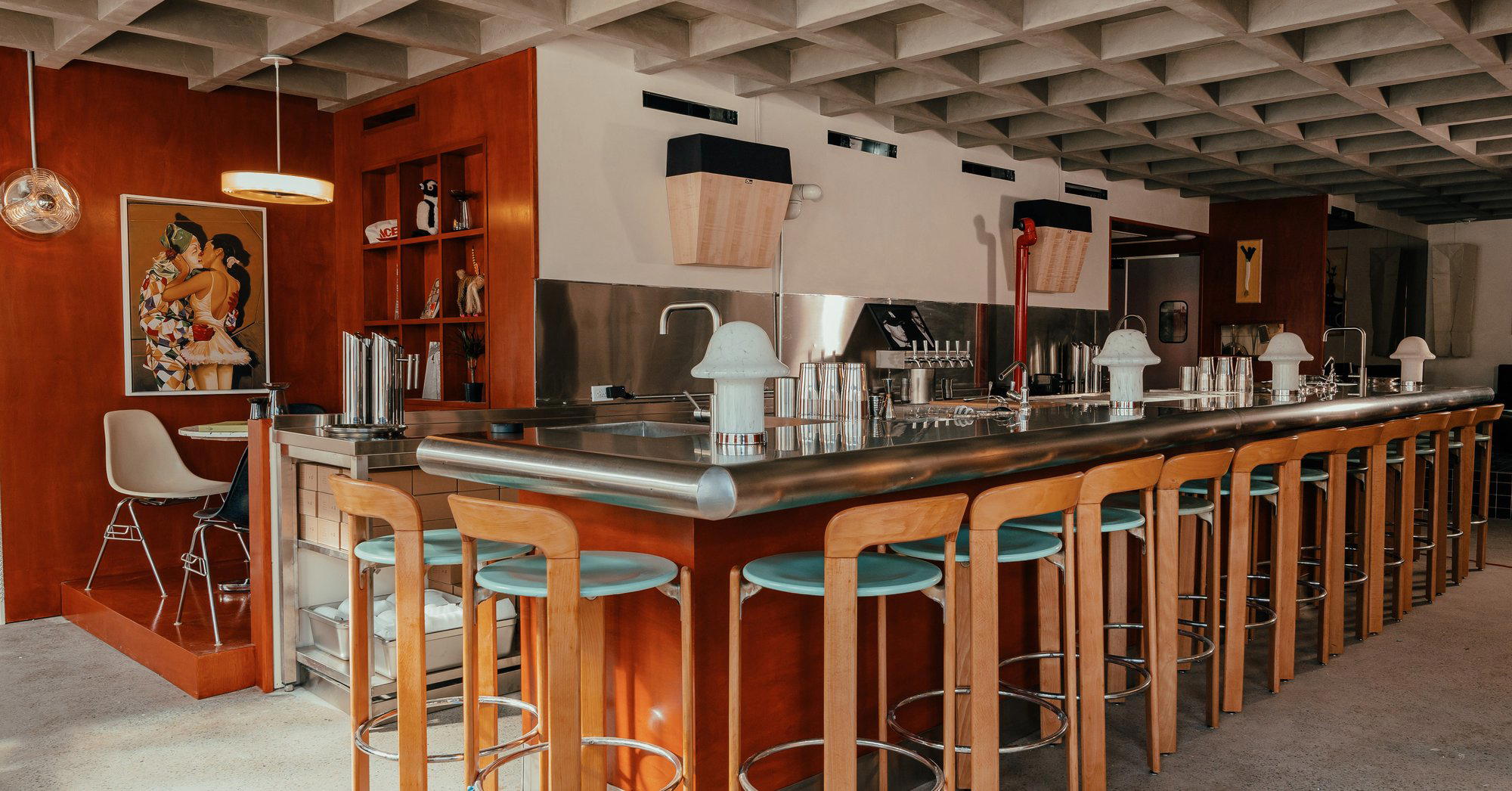
Restaurants in New York City
Browse all →


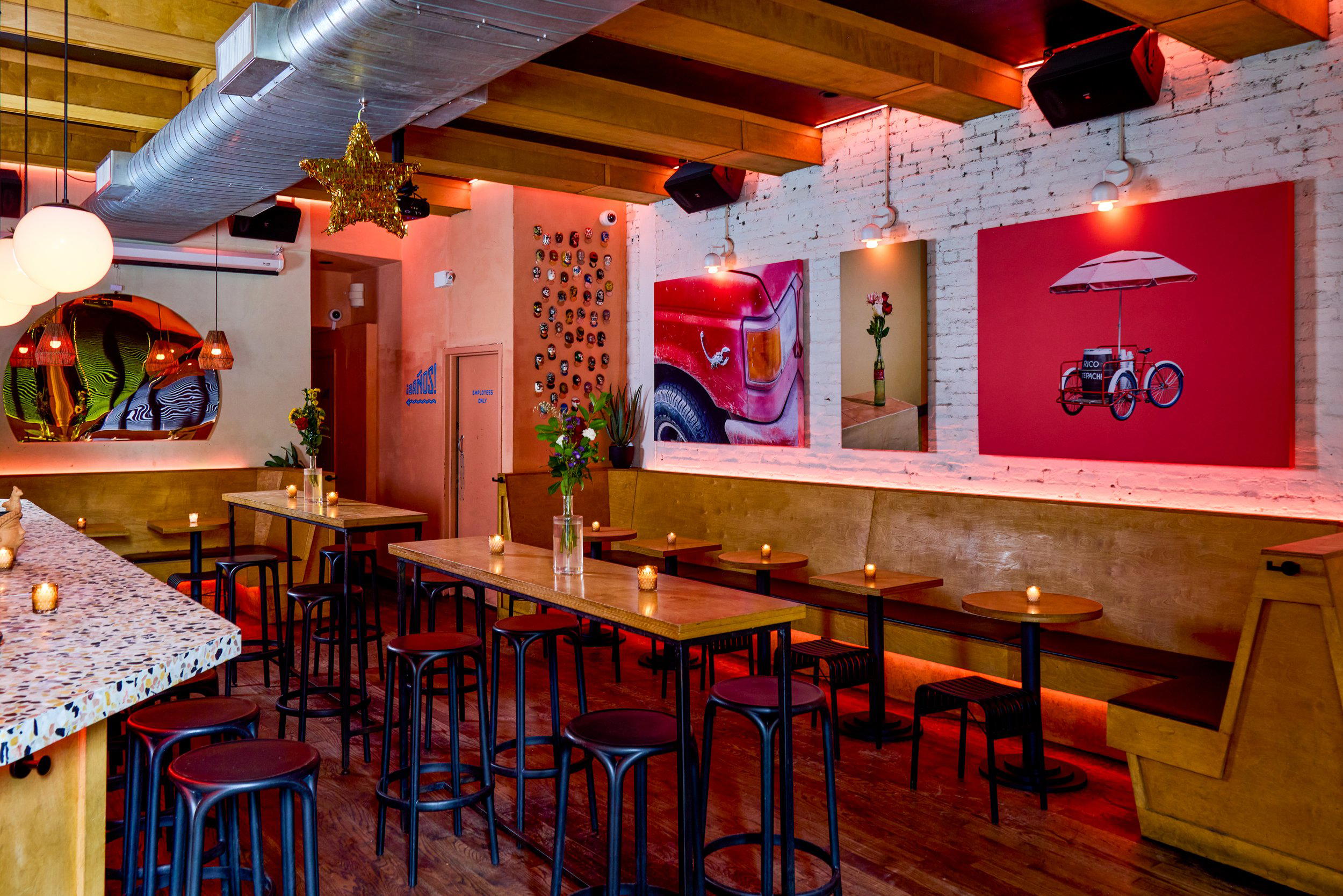
Bars in New York City
Browse all →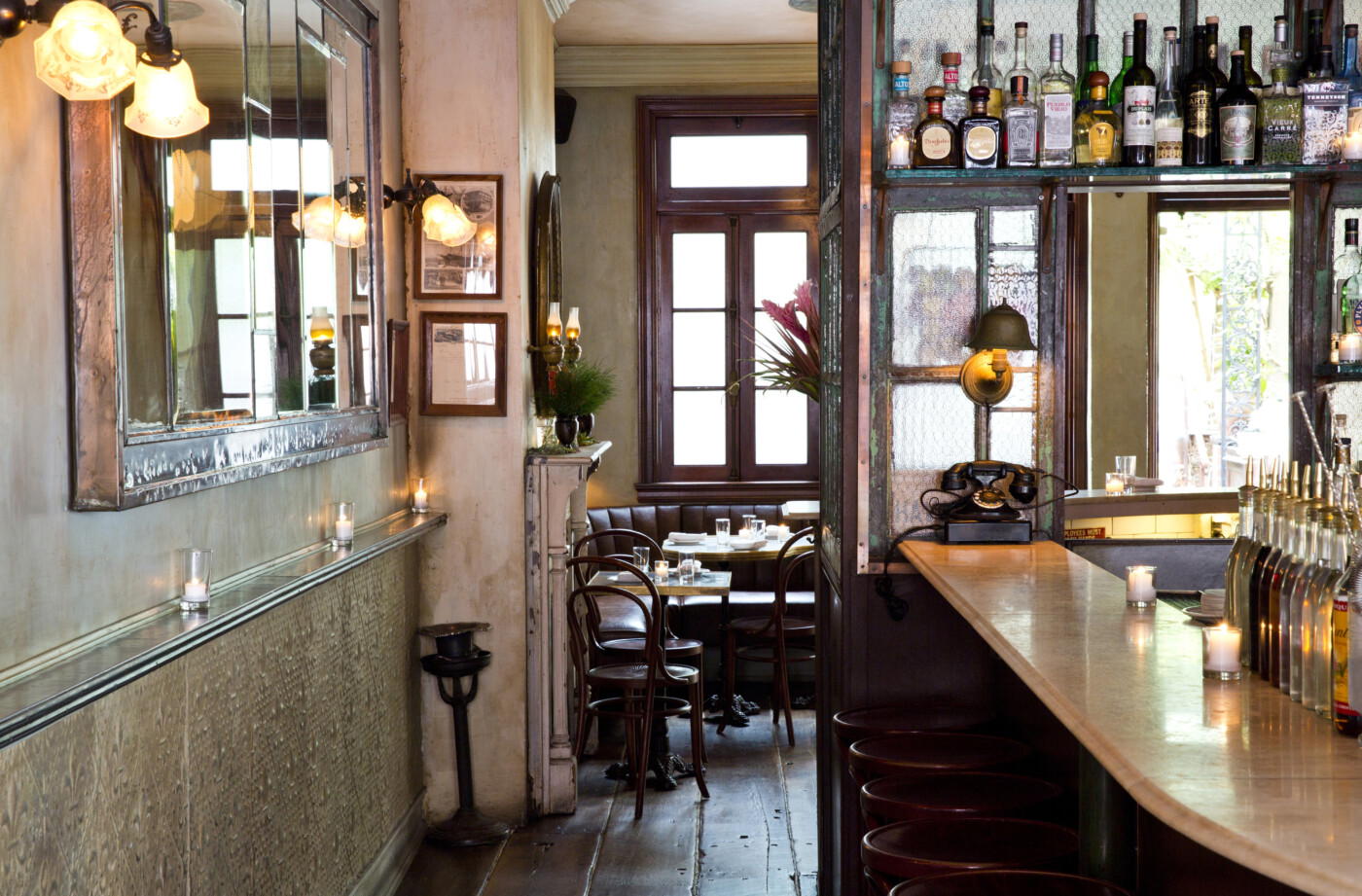

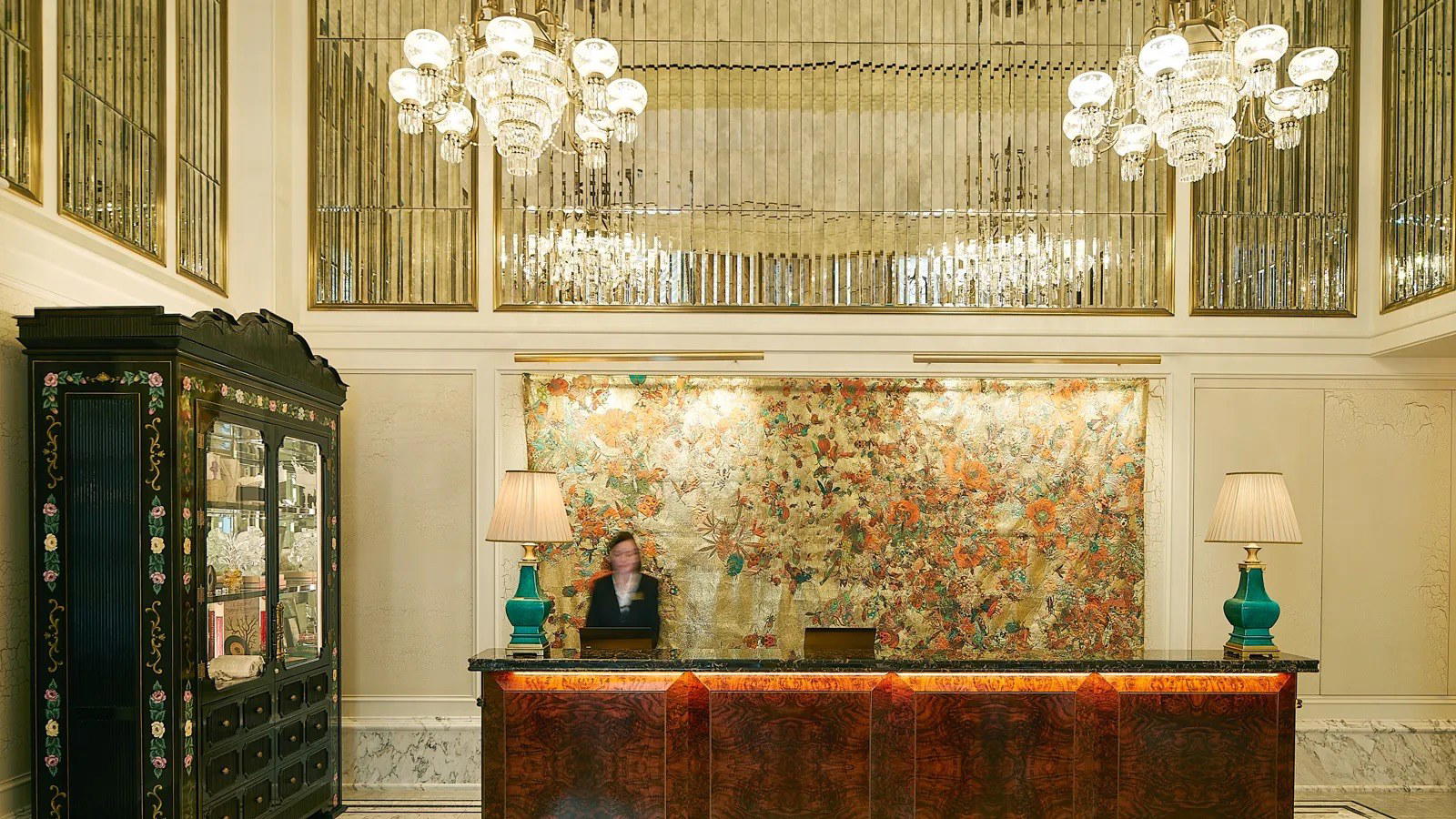
Hotels in New York City
Browse all →







At a Glance
- Lively
- Modern
- Trendy
- Casual Hangout
- Group Dining
- Date Night
- Open Kitchen
- Craft Cocktails
Current opening hours
- Monday
- 12–10 PM
- Tuesday
- 12–10 PM
- Wednesday
- 12–10 PM
- Thursday
- 12–10 PM
- Friday
- 12–11 PM
- Saturday
- 12–11 PM
- Sunday
- 12–10 PM
Hours can change for holidays and private events. Last verified .
Spacious and inviting atmosphere with moderate noise levels, lively for cocktails and dining.