Topaz
Topaz occupies a mid-century address on West 56th Street in Midtown Manhattan, a block that has long drawn serious dining rooms. As sustainability-focused dining reshapes New York's upper tier, Topaz positions itself within a growing cohort of restaurants where sourcing transparency and waste reduction are built into the kitchen's operating logic rather than added as a marketing layer.
Pearl is the En Primeur Club membership app — saves, bookings, and concierge access live there. Same editors, same standards.
- Address
- 127 W 56th St, New York, NY 10019
- Phone
- +12129578020
- Website
- topazthaiauthentic.com
- Directions
- Get directions
 Saves & bookings on Pearl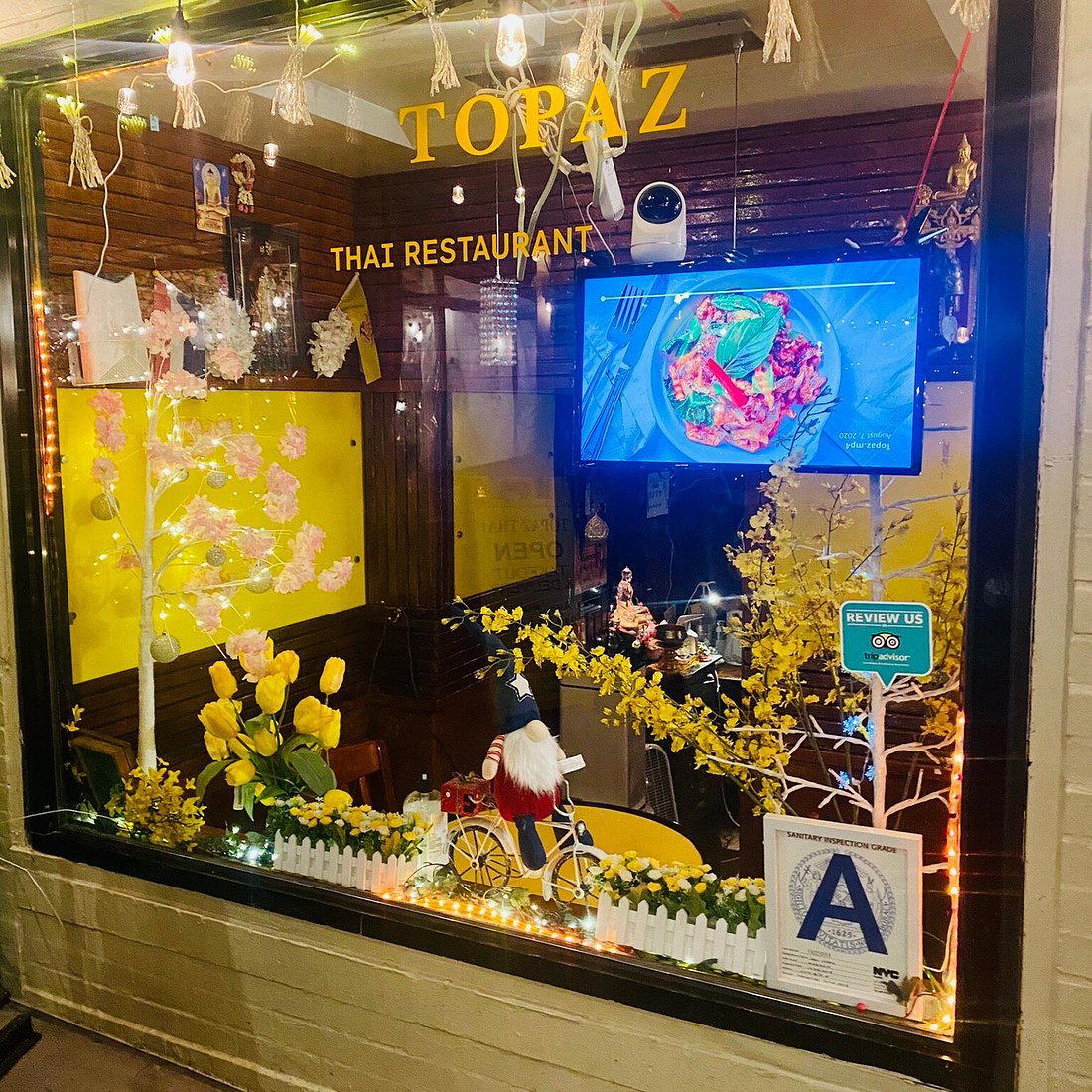
Midtown's Shift Toward Accountable Fine Dining
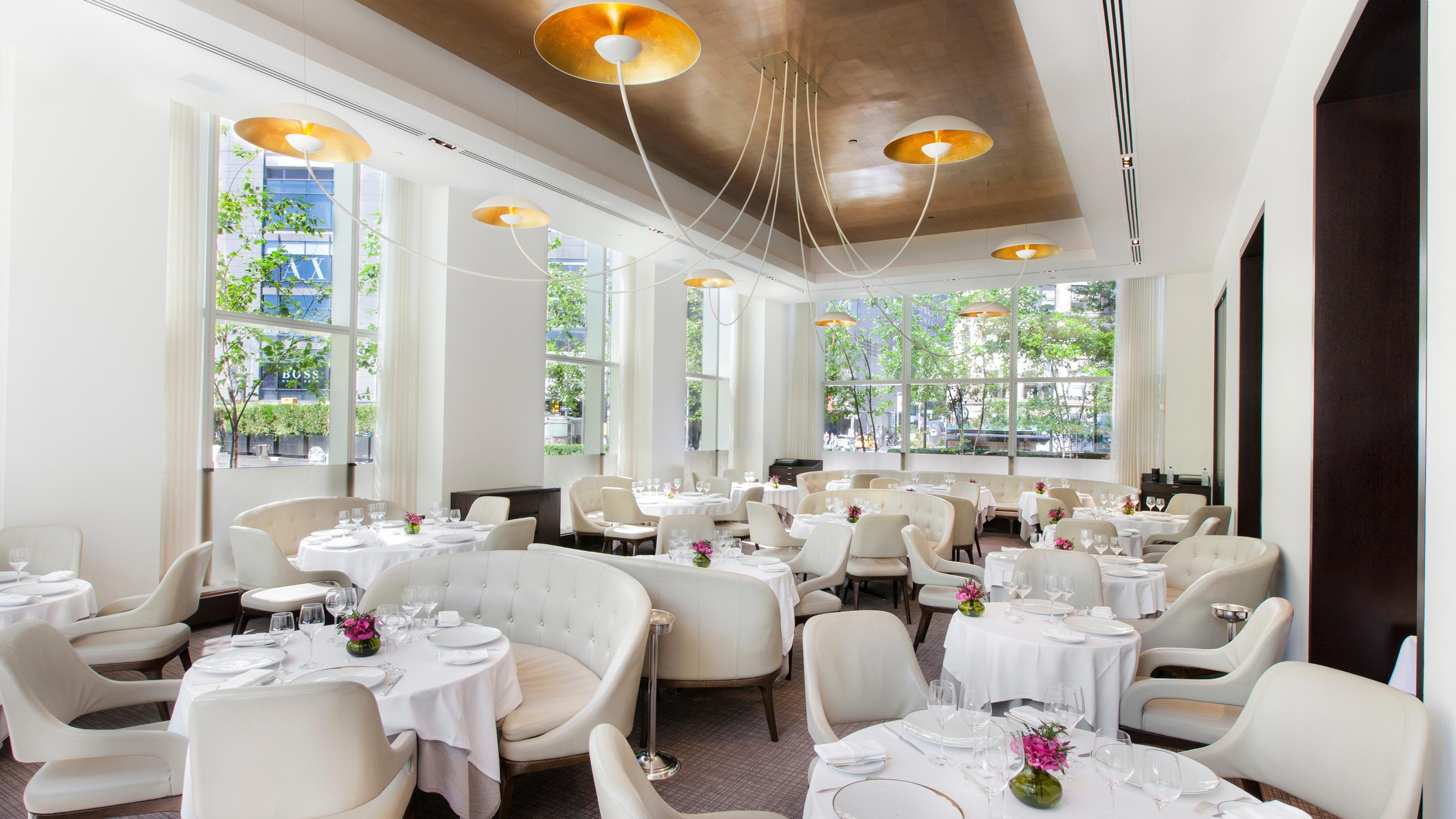
For most of the past two decades, Midtown Manhattan's fine dining corridor operated on a relatively stable set of assumptions: classical technique, imported luxury ingredients, and a dining room format designed to project authority through formality. That framework is under pressure. Across the West 50s and 60s, a handful of restaurants have begun folding ethical sourcing and waste reduction into their core kitchen logic rather than treating them as optional add-ons. Topaz, at 127 W 56th Street, sits within that emerging cohort, operating in a part of the city where the comparable set includes rooms like Le Bernardin, Per Se, and Masa, each of which commands its own version of the four-dollar-sign upper bracket.
The geography matters. West 56th Street is neither the tourist-facing stretch of Times Square nor the hushed residential blocks of the Upper East Side. It occupies a middle register: corporate lunch trade during the day, destination dining at night, and a clientele that skews toward people who already know what they want before they arrive. Restaurants that survive and sharpen in this environment tend to do so through focus rather than spectacle.
The Sustainability Turn in Upper-Tier New York Kitchens
New York's premium restaurant market has been slower than London or Copenhagen to treat environmental sourcing as a structural commitment rather than a seasonal talking point. The reasons are partly logistical: supply chains serving Manhattan's volume of high-end kitchens are complex, and the cost of rebuilding relationships with regional producers is real. But pressure from both critics and a changing guest base has accelerated the shift. Venues like Blue Hill at Stone Barns in Tarrytown made the farm-to-table argument with sufficient rigour to influence the broader conversation, and that influence has gradually moved inward toward Midtown.
The pattern repeating in this tier is predictable but meaningful: kitchens that once sourced ingredients purely on prestige are now building menus around what can be traced, what can be used whole, and what reduces the waste generated per cover. In some rooms this remains performative. In others, it has changed the actual cost structure, the menu length, and the rhythm of how dishes are developed across a season. The distinction between the two is detectable in how a kitchen talks about its suppliers versus how prominently those relationships appear in the menu design itself.
Nationally, restaurants like Single Thread Farm in Healdsburg and Addison in San Diego have demonstrated that sustainability commitments can coexist with multi-course precision formats without either compromising the other. Alinea in Chicago has approached the question from a waste-reduction angle rather than a sourcing one, with kitchen processes designed to extract multiple applications from a single ingredient. These are different models, but they share the premise that a kitchen's environmental footprint is a professional matter, not a branding exercise.
The Korean-Inflected Upper Tier: A New York Specificity
One of the more consequential developments in New York's upper dining tier over the past decade has been the rise of Korean-influenced fine dining as a serious and now well-documented category. Rooms like Atomix and Jungsik New York have established a comparable set that operates at price points and critical recognition levels that sit squarely alongside French-rooted institutions. That shift is relevant to any serious restaurant operating in Midtown, because it has recalibrated what a $$$$ experience in New York is expected to deliver in terms of cultural specificity and technical depth.
The broader lesson from that movement is that sourcing origin stories and ingredient transparency can function as both an ethical commitment and a menu narrative. In Korean fine dining particularly, the provenance of fermented components, the regional identity of proteins, and the seasonal logic of a menu have long been subjects of genuine kitchen attention rather than afterthoughts. The influence of that discipline is visible, if unevenly distributed, across the wider New York upper tier.
Placing Topaz in the West 56th Street Context
The address at 127 W 56th Street places Topaz within walking distance of Carnegie Hall and the southern edge of Central Park, a corridor that draws a mix of pre-concert diners, hotel guests from the surrounding Midtown blocks, and regulars who treat the neighbourhood as a default for business dining. Restaurants in this position have to resolve a familiar tension: serving a transient audience without becoming generic, maintaining enough identity to attract destination diners while remaining accessible to walk-ins.
Sustainability angle, if executed with genuine kitchen depth rather than menu language alone, is one way to resolve that tension. A room that builds its identity around traceable sourcing and waste-conscious production has a story that travels with word of mouth, attracts a specific kind of food-engaged guest, and creates a natural filter against the corporate account crowd that tends to deprioritize what is on the plate. Comparable examples in other cities include Lazy Bear in San Francisco, Providence in Los Angeles, and Bacchanalia in Atlanta, each of which has built loyal audiences around kitchen values rather than celebrity or spectacle.
Budget and Context
Comparable venues nearby, for context on price, style, and recognition.
| Venue | Cuisine | Price | Notes |
|---|---|---|---|
| TopazThis venue — the venue you are viewing | Midtown-Times Square, Authentic Thai | $$ | Not listed |
| Bua Thai Ramen & Robata Grill | Not listed | $$ | Upper East Side-Yorkville, Thai Ramen & Japanese Robata Grill |
| Little Tiffin | Greenpoint, Thai Home Cooking | $$ | Not listed |
| Lil Chef Mama | Not listed | $$ | Financial District-Battery Park City, Authentic Thai Street Food |
| BKK New York | Not listed | $$ | Midtown-Times Square, Modern Thai Street Food |
| OBAO | Hell's Kitchen, Thai-Vietnamese Fusion | $$ | Not listed |
Continue exploring
More in New York City
Restaurants in New York City
Browse all →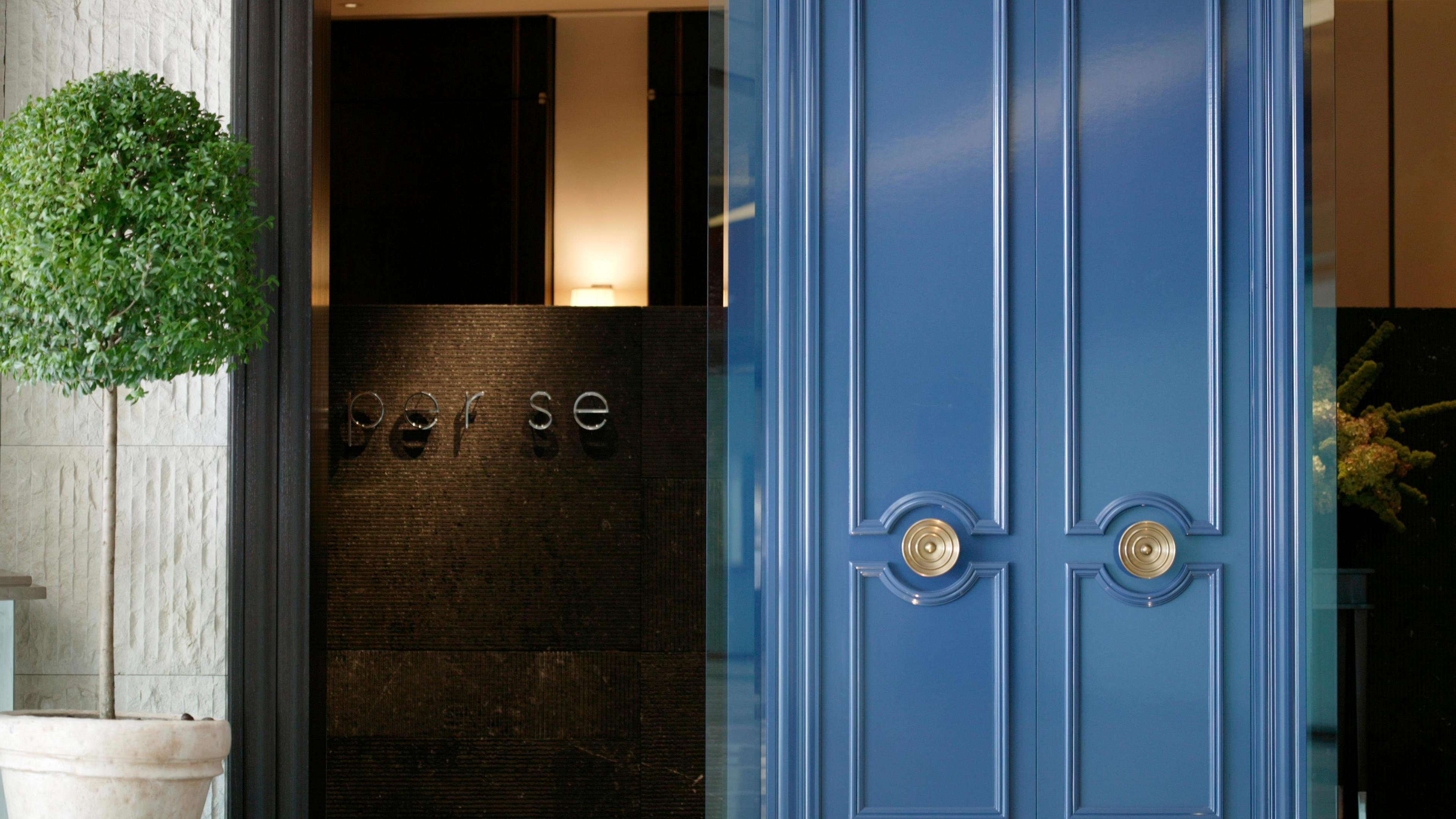
Bars in New York City
Browse all →
Hotels in New York City
Browse all →





At a Glance
- Cozy
- Quiet
- Casual Hangout
- Family
- Group Dining
- Standalone
Current opening hours
- Monday
- 12–10 PM
- Tuesday
- 12–10 PM
- Wednesday
- 12–10 PM
- Thursday
- 12–10 PM
- Friday
- 12–10 PM
- Saturday
- 12–10 PM
- Sunday
- 12–10 PM
Hours can change for holidays and private events. Last verified .
Narrow below-street-level restaurant with comfortable, cozy atmosphere; intimate seating with air conditioning; decorated with flowers in outdoor area.