Bua Thai Ramen & Robata Grill
On the Upper East Side's restaurant-dense stretch of Second Avenue, Bua Thai Ramen & Robata Grill occupies a format that remains relatively rare in New York: Thai-inflected ramen alongside charcoal robata, two traditions that share a commitment to high-heat technique and deeply built broths. The address at 1611 Second Avenue places it squarely in a neighbourhood that rewards regulars who know what they're ordering.
Pearl is the En Primeur Club membership app — saves, bookings, and concierge access live there. Same editors, same standards.
- Address
- 1611 2nd Ave, New York, NY 10028
- Phone
- +12128797999
- Website
- buathairamennyc.com
- Directions
- Get directions
 Saves & bookings on Pearl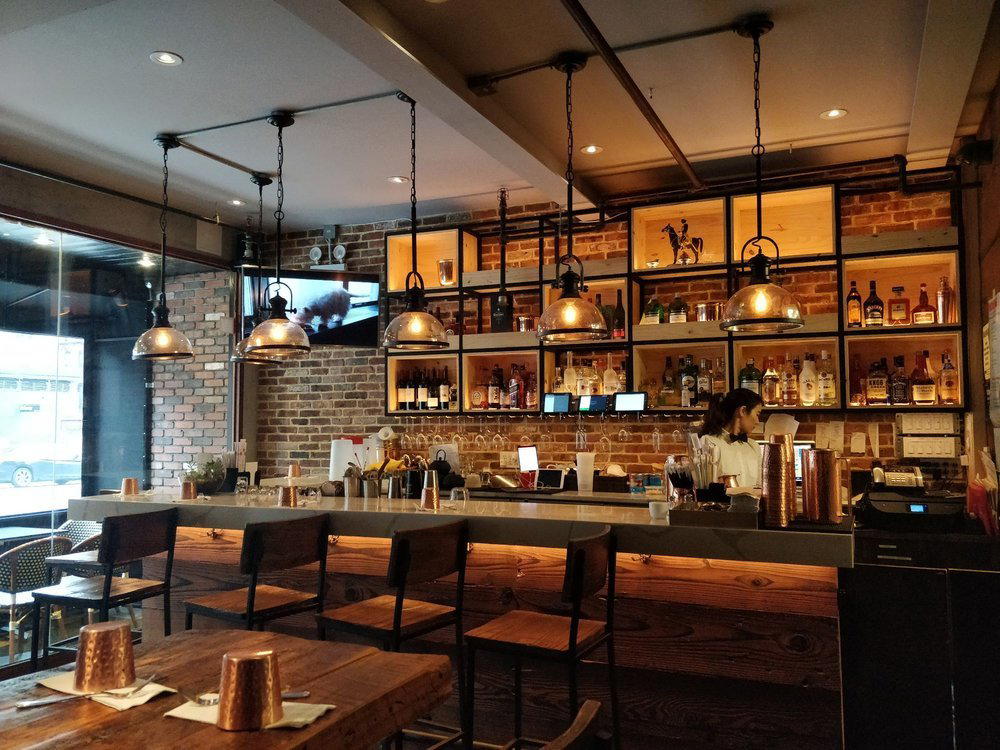
Where Thai Technique Meets Japanese Fire on the Upper East Side
New York's mid-market dining doesn't happen only in Tribeca or the West Village. It happens where neighbourhood density creates genuine competition and kitchens have to earn repeat business rather than tourist footfall. The Upper East Side's Second Avenue corridor is that kind of street, and Bua Thai Ramen & Robata Grill, at 1611 Second Avenue, operates inside that pressure. The format it occupies, Thai-inflected ramen paired with robata grilling, is less common in New York than the city's reputation for fusion might suggest. Most kitchens pick a lane. This one argues that the two traditions share enough foundational logic to sit on the same menu.
Robata and Thai charcoal grilling both depend on the same principle: high, dry heat applied close to the source, coaxing fat and collagen from proteins without steaming them into submission. Ramen broth, meanwhile, rewards the same patience and layering that underlies Thai curry bases. The sourcing decisions that go into a well-made ramen, bone quality, aromatics, timing, are not categorically different from those that go into a good tom kha. What Bua Thai proposes, in placing these two cuisines under one roof, is that the ingredient logic connects even when the flavour profiles diverge.
The Sourcing Logic Behind Thai-Japanese Crossover
The ingredient sourcing argument for a kitchen like this is worth examining carefully, because it's where the concept either holds or falls apart. Robata grilling, as practiced in Japan, has historically been built around proximity: fish from the morning market, vegetables from local farms, proteins selected for freshness over shelf life because the format has nowhere to hide substandard ingredients. The grill is the whole technique. There's no sauce to correct a flawed cut, no braising liquid to rescue overcooked fish.
Thai cooking imposes a parallel discipline on its aromatics. Galangal, lemongrass, kaffir lime leaf, and fresh chillies all degrade quickly and perform differently depending on when they were harvested. A kitchen attempting to combine robata and Thai ramen is therefore committing to two sourcing standards simultaneously, which is either a significant operational challenge or a genuine commitment to ingredient quality, depending on execution. In New York, where ingredient supply chains into mid-market restaurants are often more compromised than in chef-driven fine dining, that commitment is not automatic.
Le Bernardin and Masa operate with sourcing programs built over decades, with supplier relationships and import logistics that mid-market kitchens rarely replicate. Eleven Madison Park and Atomix have made sourcing itself part of the editorial identity of their menus. Per Se works within a supply network that took Thomas Keller years to build. The point isn't that Bua Thai operates at that level, it doesn't, but that sourcing quality is a spectrum, and where a kitchen sits on it shapes everything the diner tastes.
Blue Hill at Stone Barns in Tarrytown built its identity around the farm that feeds it. SingleThread Farm in Healdsburg runs the sourcing operation as a parallel enterprise to the restaurant. Smyth in Chicago and Lazy Bear in San Francisco both anchor their menus to seasonal and regional supply. The French Laundry in Napa and Providence in Los Angeles have made the provenance of ingredients a recurring theme across their menus. Even internationally, places like Atelier Moessmer Norbert Niederkofler in Brunico and Dal Pescatore in Runate have made regional ingredient integrity central to their cooking philosophy. That context matters because it shows what is possible when a kitchen makes sourcing non-negotiable, and it sets a useful frame for evaluating any restaurant that works across two ingredient-intensive traditions.
The Neighbourhood and What It Asks of Kitchens
The Upper East Side as a dining district has changed considerably in the past decade. The assumption that it skewed older and more conservative has been disrupted by residential turnover and a younger professional demographic moving into the 70s and 80s blocks east of Lexington. Second Avenue specifically, accelerated by the Q train opening in 2017, now draws enough foot traffic to sustain restaurants that would previously have struggled for covers on a weekday. That shift has made the corridor more competitive and, more interesting for mid-market operators willing to take format risks.
A Thai ramen and robata kitchen fits that moment reasonably well. It's a format that travels across dining occasions, capable of serving a quick solo lunch at the bar as easily as a shared dinner with multiple robata skewers and ramen bowls. That flexibility matters on a block where the surrounding restaurants span a range of price points and formats. For diners mapping the broader New York picture, covers the competitive set across neighbourhoods and price tiers in more detail.
Planning Your Visit
Bua Thai Ramen & Robata Grill is located at 1611 Second Avenue, New York, NY 10028, in the Upper East Side. The address is accessible from the 86th Street Q station and several crosstown bus routes on the 70s and 80s blocks. For other regional reference points in the fine dining category, Emeril's in New Orleans, Addison in San Diego, The Inn at Little Washington, and Frasca Food & Wine in Boulder offer useful comparisons for understanding how ingredient-focused kitchens operate at different price points and formats across the country.
- Khao Soi
- Pineapple Fried Rice with Jumbo Shrimp
- Thai Ramen Basil
- Chiang Mai Curry Ramen Noodles
- Crispy Duck Salad
- Taro Custard Brulee
At-a-Glance Comparison
Comparable venues nearby, for context on price, style, and recognition.
| Venue | Cuisine | Price | Notes |
|---|---|---|---|
| Bua Thai Ramen & Robata GrillThis venue — the venue you are viewing | Thai Ramen & Japanese Robata Grill | $$ | Not listed |
| Little Tiffin | Thai Home Cooking | $$ | Greenpoint |
| Café Chili | Authentic Thai | $$ | Carroll Gardens-Cobble Hill-Gowanus-Red Hook |
| Joya | Authentic Thai | $$ | Carroll Gardens-Cobble Hill-Gowanus-Red Hook |
| Chao Thai | Authentic Regional Thai | $$ | Elmhurst |
| Elephant District | Authentic Bangkok Riverside Street Food | $$ | Downtown Brooklyn-DUMBO-Boerum Hill |
Continue exploring
More in New York City
Restaurants in New York City
Browse all →
Bars in New York City
Browse all →



Hotels in New York City
Browse all →






At a Glance
- Cozy
- Romantic
- Modern
- Whimsical
- Elegant
- Date Night
- Group Dining
- Casual Hangout
- Celebration
- Open Kitchen
- Design Destination
- Craft Cocktails
Current opening hours
- Monday
- 11:30 AM–10:30 PM
- Tuesday
- 11:30 AM–10:30 PM
- Wednesday
- 11:30 AM–10:30 PM
- Thursday
- 11:30 AM–10:30 PM
- Friday
- 11:30 AM–11:30 PM
- Saturday
- 12–11:30 PM
- Sunday
- 12–10:30 PM
Hours can change for holidays and private events. Last verified .
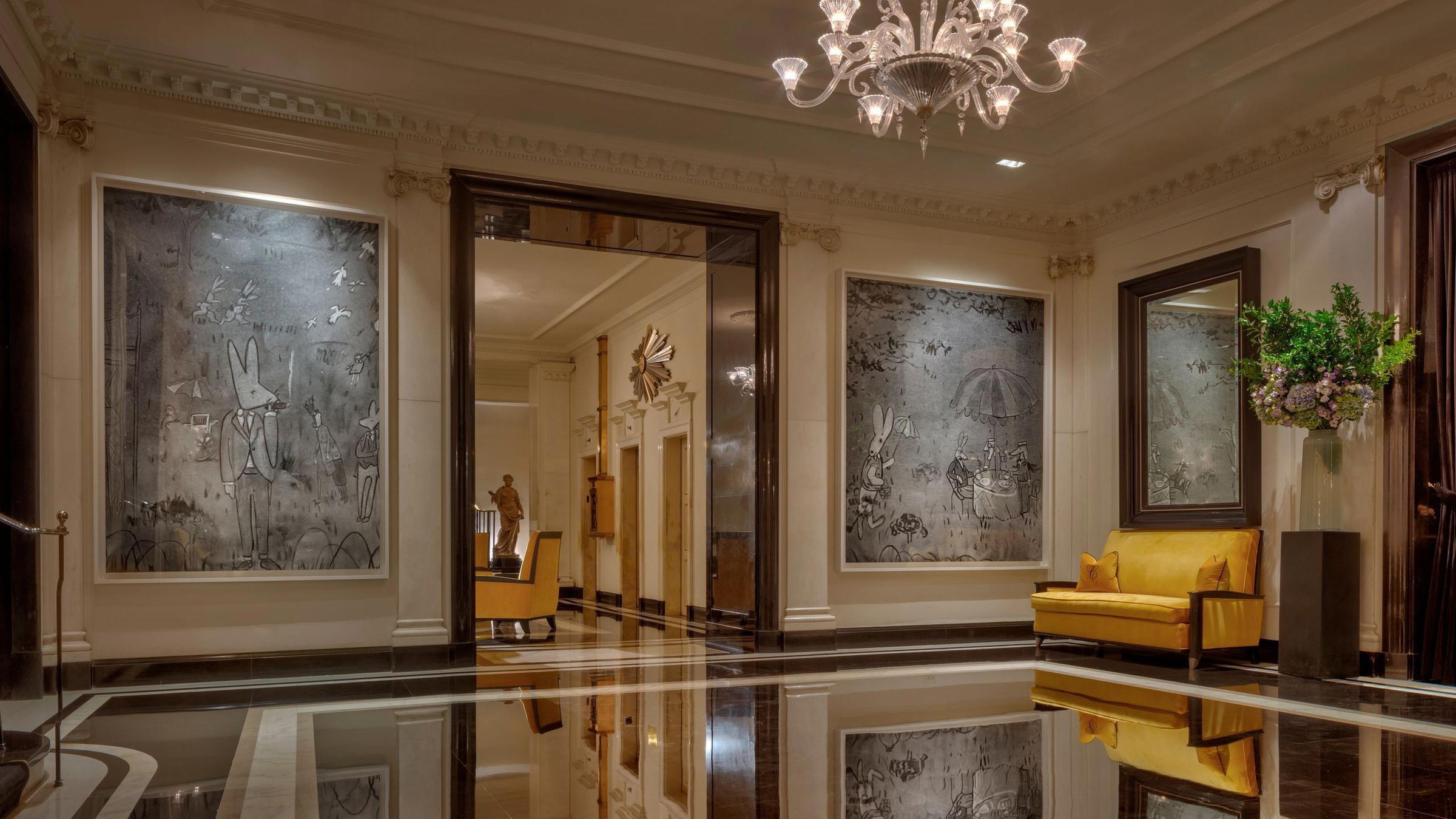
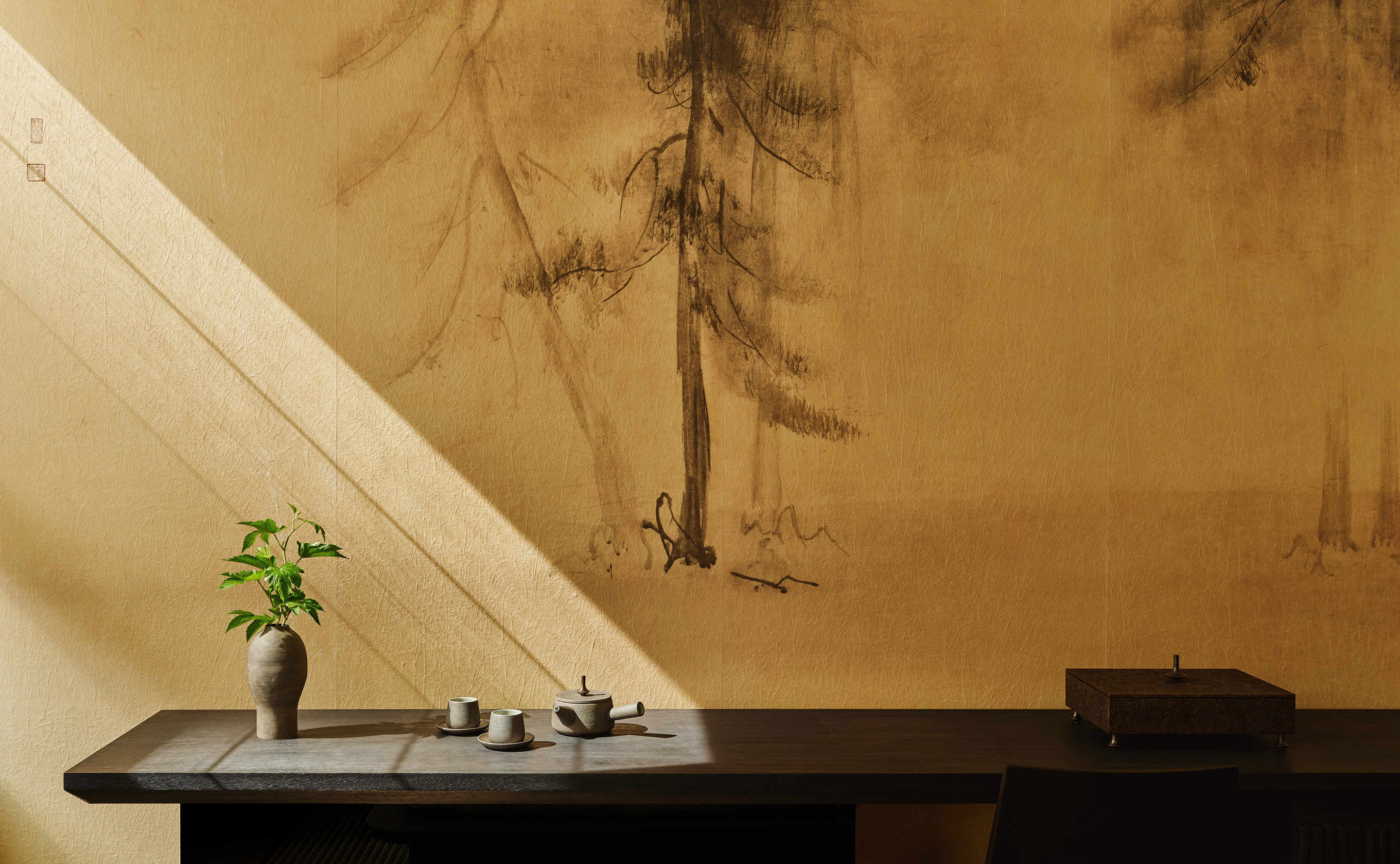
Warm, inviting atmosphere with beautiful floral touches, hanging lamps, and modern elegant design accented by warm lighting that creates a cozy yet sophisticated dining environment.