
Sadaya fits Tokyo’s occasion-dining tier: a reservation-only steak kaiseki address in Negishi with private rooms, counter seating, and a price band built for milestone meals rather than casual grazing. Its Tabelog Steak / Teppanyaki EAST 100 selection in 2025, plus earlier Tabelog Award Bronze recognition, places it in a narrower field than neighborhood yakiniku or everyday steak counters.
Pearl is the En Primeur Club membership app — saves, bookings, and concierge access live there. Same editors, same standards.
- Address
- 東京都台東区根岸4-3-2
- Phone
- +81338742406
- Website
- sadaya.jp
 Saves & bookings on Pearl
Negishi lacks the polish of Ginza and the night-time voltage of Roppongi. Its restaurant rhythm is quieter, more residential, and useful for occasion dining: the meal feels deliberately removed from Tokyo’s central-stage circuits. In this part of Taito, the house-restaurant format changes the emotional register of steak. The room is not just a counter for grilled beef; it is a setting for birthdays, family gatherings, business thanks, and anniversaries where privacy matters as much as cooking.
Sadaya fits that register. The category is steak, Japanese cuisine, and wine bar, but the sharper description is steak kaiseki: beef folded into the cadence of a formal Japanese meal rather than treated as one main event. That distinction matters in Tokyo, where premium beef dining splits into yakiniku built around the grill, teppanyaki around performance and iron-plate timing, sukiyaki around sweetness and ritual, and kaiseki-influenced steak houses around pacing, rooms, and ceremony. For the city’s wider dining range, Our full Tokyo restaurants guide gives context, especially when comparing celebration formats across neighborhoods.
Steak kaiseki gives the meal a slower occasion rhythm
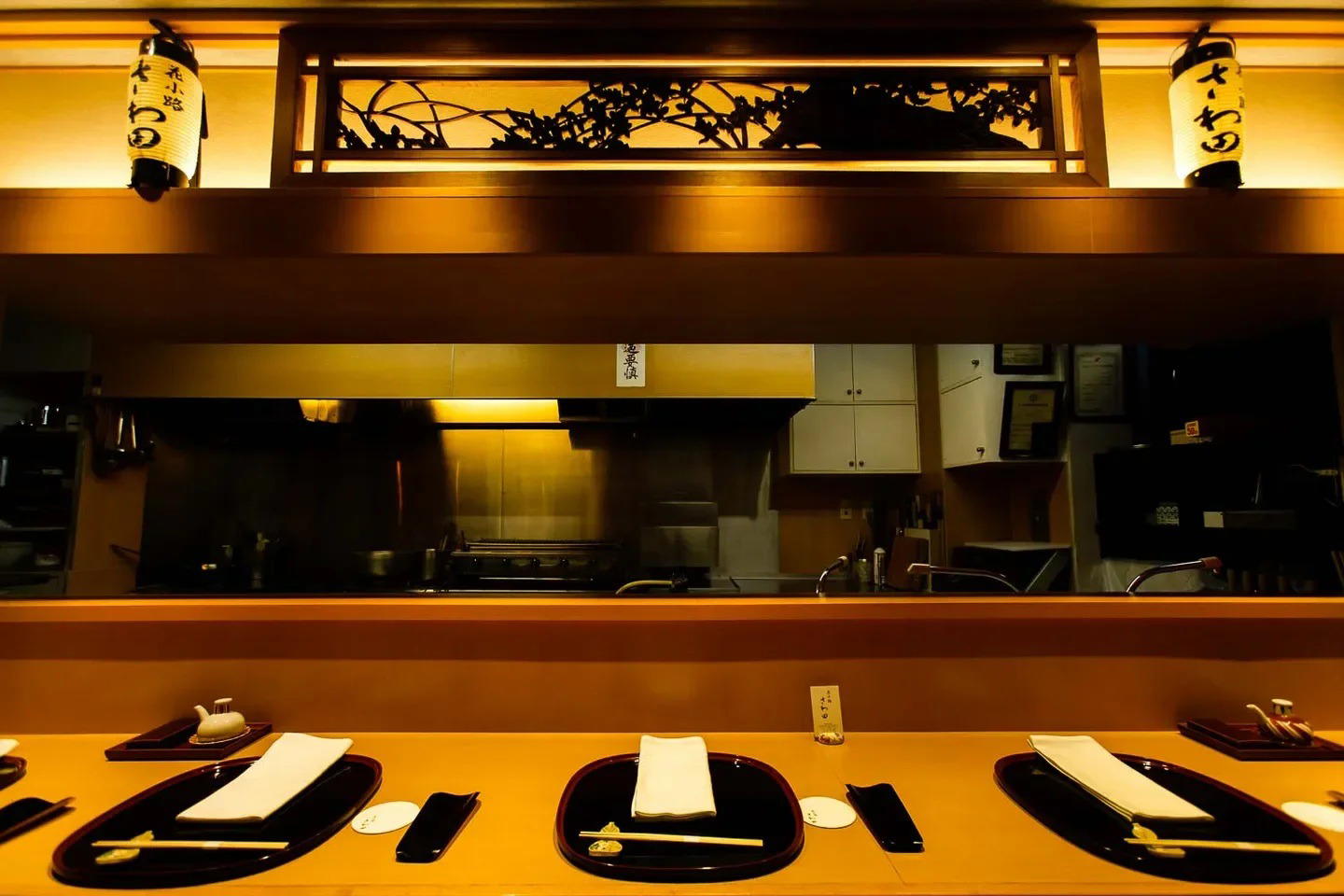
Tokyo’s premium steak culture is often misread from abroad as one luxury category. It is not. A counter-focused teppanyaki room and a private-room kaiseki meal may share beef, but they solve different diner problems. The former is immediate and performative; the latter is paced, quieter, and better for groups that want conversation to survive the meal. Sadaya’s 25-seat structure, with a first-floor counter and private table seating above, places it closer to the latter camp.
The price band reinforces that reading. Dinner is JPY 20,000 to JPY 29,999, with lunch at JPY 15,000 to JPY 19,999. That sits above neighborhood casual dining and below Tokyo’s highest international tasting-menu tariff: a middle-to-high tier for travelers marking a date without making the evening a trophy reservation. In the immediate comparison set, Restaurant Kamiya is lower at JPY 8,000 to JPY 9,999 for dinner, while Iriya Kishimojin Monzen no Daya runs JPY 10,000 to JPY 14,999; CANNONBALL DINER and Tonpei occupy much more casual territory. Sadaya reads less as a spontaneous dinner choice than a planned meal with a defined social purpose.
The recognition supports that position. Selection for Tabelog 100 - Steak / Teppanyaki - EAST - 2025 places the restaurant inside a user-and-editorially visible Japanese steak and teppanyaki category rather than Tokyo’s broader, noisier field. Earlier Tabelog Award Bronze wins in 2018, 2019, and 2020 add a longer record. In Japan, Tabelog’s category lists carry particular weight because they reflect local dining behavior and reservation attention, not only international guidebook visibility.
Private rooms matter more here than spectacle
Celebration restaurants in Tokyo reveal priorities through seating. A chef-led counter creates intimacy with the kitchen; a private room creates intimacy within the party. Sadaya offers both, but private rooms for groups of 2 to 15, and private use for up to 20, point to a restaurant shaped for occasions where the guest list matters. The service note for celebrations and surprises fits without turning the restaurant theatrical.
The house-restaurant identity also changes expectations. Tokyo has many polished dining rooms designed to impress on arrival. A residential address in Negishi asks for different attention: less lobby drama, more controlled pacing, more emphasis on the table as a private zone. For a fuller itinerary, that pairs with category-specific planning: Our full Tokyo bars guide for a post-dinner drink, Our full Tokyo hotels guide for choosing a base, and Our full Tokyo experiences guide for daytime cultural structure.
The drink program is framed around sake, shochu, and wine, placing the meal between Japanese formality and steak-house familiarity. That combination works for mixed groups: one diner may want nihonshu with Japanese courses, another wine with beef, and the format can absorb both. The restaurant is also listed as particular about fish, important in steak kaiseki because the meal is not only red meat. It belongs to the Japanese habit of progression, contrast, and restraint before the central protein arrives.
How it fits a Tokyo dining itinerary
Sadaya suits travelers who want a Japanese steak meal with ceremony but not the visual language of hotel teppanyaki. It is less suited to a quick beef fix, loud night out, or à la carte crawl. The reservation-only structure and limited daily capacity put planning ahead of impulse, which is why it works for milestones: the occasion is built before anyone sits down.
Tokyo’s strength is not one dining identity but the compression of specialist formats. A visitor could spend one night on steak kaiseki in Negishi, another on yakitori at 124. KAGURAZAKA (Yakitori), another on a Shinjuku counter such as 12/10 Shinjuku ten, or turn casual with 3 Chome no Curry Ya San and 2D Cafe. For a charcoal and tuna direction. 鮪と炭火焼き うお炭 秋葉原店 sits in another lane. Those contrasts are the point: Tokyo rewards travelers who match format to mood rather than chase one generic idea of luxury.
Outside the capital, beef traditions shift again. -Grilled beef Sukiyaki- KAMAKURA TANUKIAN 鎌倉 たぬき庵 in Kamakura frames beef through sukiyaki, while [ki:] in Kyoto.cafe in Osaka.know in Kumamoto, (Shoku) Vietnam in Kawasaki, and [Curry Senmon Ten] Maruyama Kyoju. in Sapporo show how regional dining choices change by city and occasion. Overseas Japanese-adjacent formats such as Jōdo Saké Bar in Los Angeles and Onigiri Time in Pasadena underline the same lesson: category names travel, but context decides the meal.
For Tokyo, Sadaya belongs on the shortlist when privacy, pacing, and a Japanese steak framework matter more than maximal show. Its Tabelog 100 selection, long-running address, and group-capable room structure make the case. The right diner is not simply hungry for beef; the right diner has a reason to gather.
Wine-minded travelers can also cross-reference Our full Tokyo wineries guide when building a broader food-and-drink itinerary around the city.
Peers in This Market
Comparable venues for orientation by cuisine and category.
| Venue | Cuisine | Price | Notes |
|---|---|---|---|
| SadayaThis venue — the venue you are viewing | Steak kaiseki counter dining | $$$ | Not listed |
| 立喰 鮨となり | Standing Sushi | $$$ | Azabujuban |
| Namaiki | Premium Wagyu Yakiniku & Raw Beef | $$$ | Chiyoda |
| 365 Nichi to Nihonbashi | Artisan Japanese Bakery | $$$ | Chūō |
| Yakiniku Yazawa Toukyou | Yakiniku (Japanese BBQ) | $$$ | Chūō |
| Nodoguro Senmon Ginza Nakamata | Nodoguro-focused Japanese set-course dining | $$$ | Chūō |
Recognition history
Dated appearances from independent guides and award organizations, with the underlying list record or original source where available.
Tabelog 100 #20 · No. 20
Tabelog · Tabelog 100 - Steak / Teppanyaki - EAST - 2025








At a Glance
- Cozy
- Intimate
- Classic
- Special Occasion
- Date Night
- Business Dinner
- Solo
- Chefs Counter
- Standalone
- Historic Building
- Design Destination
- Local Sourcing
Set in a converted traditional house on a quiet residential street, the small dining room feels like visiting a friend’s home, with relaxed, unpretentious comfort and the focus on the live cooking at the counter.