Our verdict
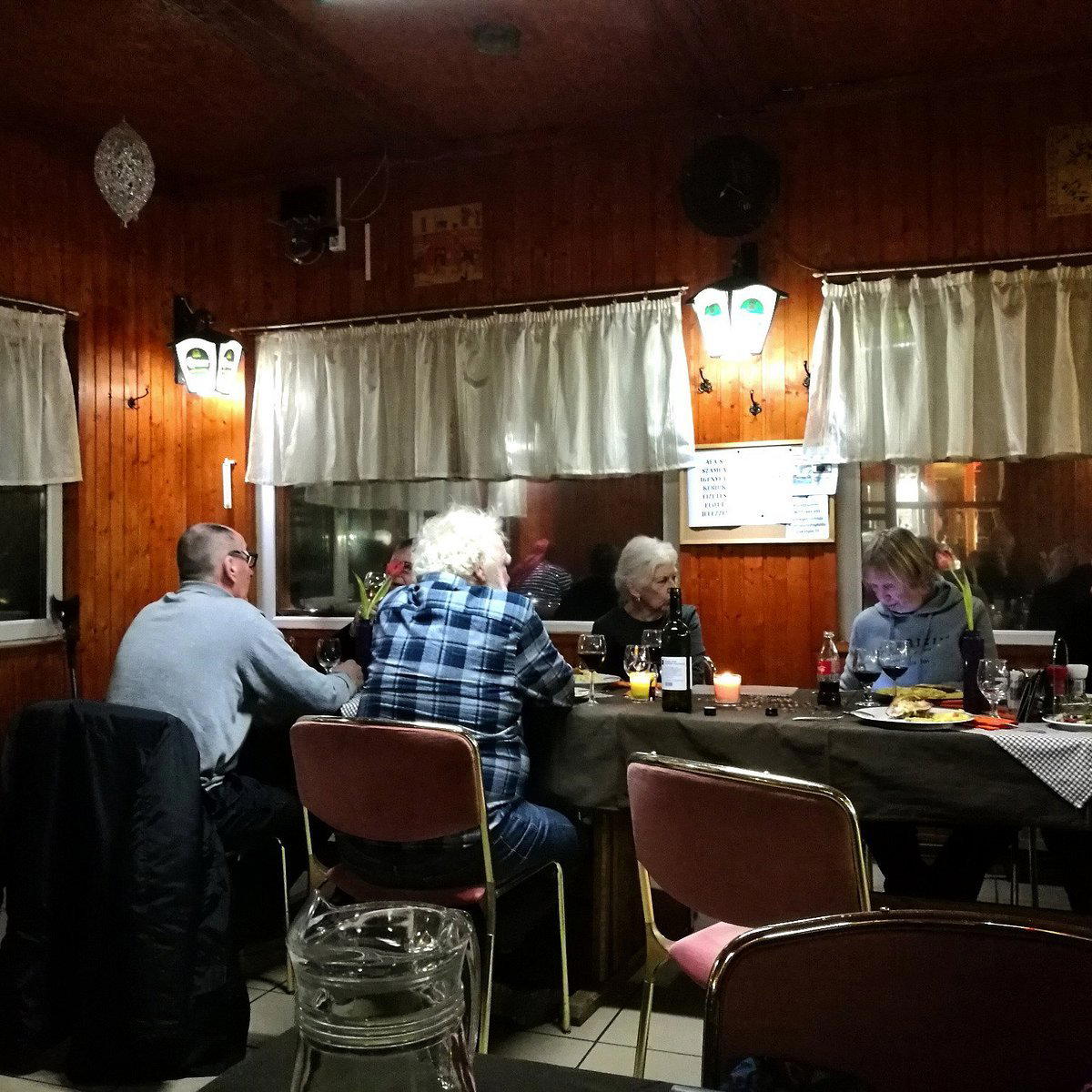
Rózsa Restaurant and Boarding House on Neumann János utca occupies a distinct position in Pécs: a combined dining and accommodation address that reflects a Magyar hospitality tradition older than the modern hotel category. The kitchen operates within a city whose food culture runs from market-driven southern Hungarian cooking to more contemporary registers, giving guests a layered starting point for understanding the region.

Pearl is the En Primeur Club membership app — saves, bookings, and concierge access live there. Same editors, same standards.
- Address
- Pécs, Neumann János u. 34, 7636 Hungary
- Phone
- +36301107634
- Hours
- Mon ClosedTue 8 AM–4 PMWed–Thu 8 AM–8 PMFri–Sat 8 AM–9 PMSun 8 AM–4 PM
- Website
- rozsaetteremespanzio.hu
- Directions
- Get directions
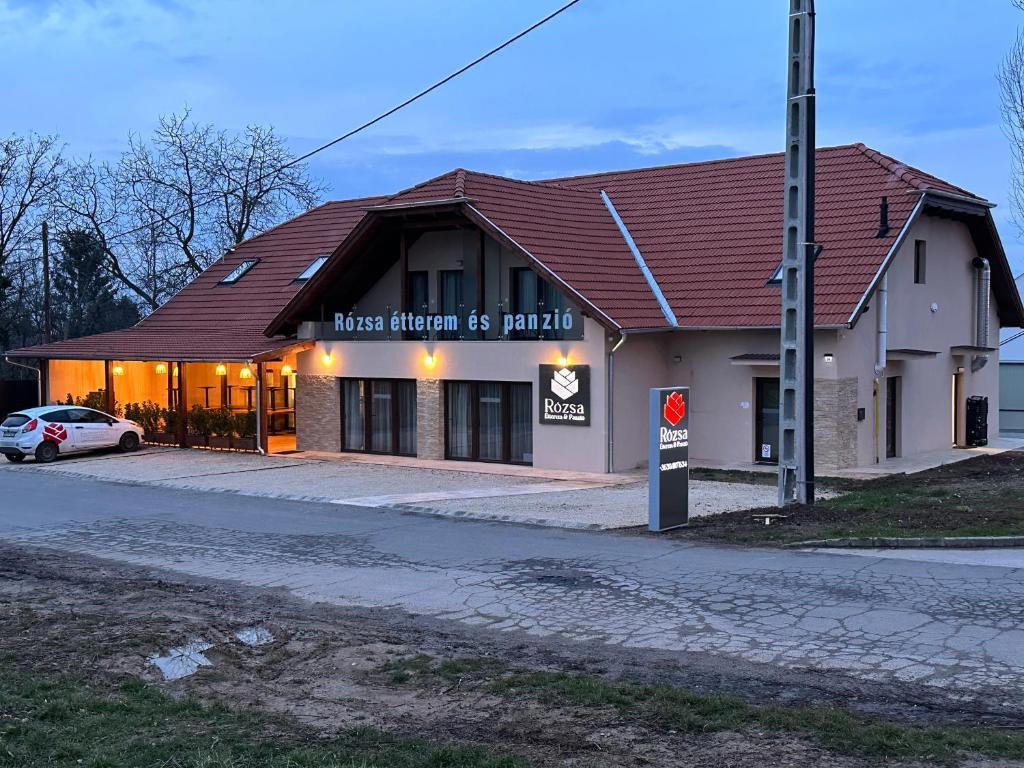
Where the Meal Is Also the Place to Sleep
There is a particular rhythm to Hungarian provincial dining that separates it from the metropolitan pace of Budapest. In Pécs, that rhythm slows further. The city sits close to the Croatian border, draws on southern Hungarian and Balkan pantry traditions, and has a university population that keeps neighbourhood restaurants honest on price without flattening the culinary range. Rózsa Restaurant and Boarding House on Neumann János utca, 7636 Pécs, belongs to a category that once defined Central European hospitality: the vendéglő-with-rooms format, where eating and sleeping were organised under one roof as a practical matter rather than a lifestyle concept.
That format has largely given way to the separated hotel-and-restaurant model across Hungary, which makes surviving examples worth paying attention to. The combined panzió-étterem model asks guests to engage with the kitchen not as an optional amenity but as the social centre of the house. Dinner is not an afterthought scheduled between check-in and sightseeing; it structures the stay. This is, in European terms, a pre-tourist logic of hospitality, and it surfaces most often now in wine-country panzió addresses like Halasi Pince Panzió in Villány, about 30 kilometres south of Pécs, where accommodation and cellar are inseparable parts of the same offer.
The Dining Ritual in Southern Hungarian Context
Southern Hungarian table customs are not elaborate, but they are deliberate. A meal at this tier of provincial restaurant typically begins with a leveses course, often a clear broth or a paprika-laced gulyás-style soup, followed by a main built around pork, freshwater fish, or poultry. The pace is unhurried. Portions are calibrated for appetite rather than presentation, and the expectation is that guests linger. This is not slow food as a manifesto; it is slow food as the natural tempo of a provincial Hungarian dinner table.
Pécs has enough dining range to place this kind of address in context. At the more contemporary end, Morzsa (€€ · Contemporary) operates at the intersection of seasonal Hungarian produce and modern plating conventions. Fusion Grill takes a different approach, working across culinary registers in a format that suits the city's student-heavy demographic. Bagolyvár and Namaste Indian Restaurant extend the range further, showing that Pécs supports genuine plurality rather than a single dominant dining mode. Megyeri Burgers anchors the casual end. Within that spread, a boarding-house restaurant occupies its own tier: less self-consciously positioned than the contemporary addresses, more directly connected to the cooking traditions of the Baranya county hinterland.
That connection to hinterland tradition matters for understanding how the meal unfolds. Southern Transdanubia, the region surrounding Pécs, has long-standing ties to Swabian German settlement, Ottoman-era spice use, and Balkan smoking and fermentation techniques. The cumulative effect is a regional kitchen that is richer in layered influence than its low profile would suggest. A restaurant operating in this tradition tends to express it through staple dishes rather than stated concepts: the paprika appears in the fat, not as a garnish; the lard is used as a cooking medium, not an ironic topping; the sour cream arrives as a structural ingredient.
How This Sits in the Wider Hungarian Picture
Hungary's most-discussed restaurant addresses have migrated toward Budapest, where Stand operates at Michelin level and sets a benchmark for what serious Hungarian cooking can do at its upper register. Provincial Hungary works differently. The critical infrastructure is thinner, the awards coverage is sparse, and quality often circulates through local knowledge rather than editorial recognition. This is not a complaint about the provinces; it is a structural fact that shapes how a traveller should approach a place like Rózsa.
Elsewhere in provincial Hungary, the combined restaurant-and-accommodation model produces some of the country's more grounded dining experiences. Pajta in Őriszentpéter is a reference point for how rural Western Hungary handles the format at high intentionality. BoriMami in Gyöngyös does something similar in the Mátra foothills. Forst-Ház Étterem és Kávézó in Eger operates in wine country with the same functional integration of food and lodging. Platán Gourmet in Tata takes the model toward a more refined register. Each of these addresses shows a different point on the spectrum between workaday provincial kitchen and destination restaurant; they are useful comparison points for calibrating expectations before arrival in Pécs.
The boarding-house format also carries a different social contract than a standalone restaurant. Guests who stay typically eat at the house; guests who eat may be neighbours or travellers who have returned specifically for the kitchen. This creates a mixed-table dynamic that a stand-alone city restaurant rarely achieves. In the context of Hungarian hospitality, the long communal dinner that stretches past the point at which most urban restaurants would begin hinting at closing is the norm rather than the exception. Time at the table is considered polite; departure before the host signals the end is considered abrupt.
Planning a Visit
Rózsa Restaurant and Boarding House is located at Neumann János utca 34, 7636 Pécs. The address places it in a residential district north of the historic city centre, accessible on foot from the inner city in under 30 minutes or by local bus. Pécs itself is reached by train from Budapest Keleti in roughly three hours, with several services daily. For those travelling by car from Budapest, the M6 motorway runs directly south to Pécs. Visitors planning to eat as overnight guests should note that the combined format typically means dinner is the primary meal service; lunch arrangements vary by property in this category. For a broader map of where Rózsa sits relative to Pécs's other dining addresses, the full Pécs restaurants guide provides neighbourhood-level context.
Travellers whose Pécs itinerary includes a southward extension toward Villány's wine estates will find the regional format reinforced at Halasi Pince Panzió in Villány, where cellar and table work together in a similar hospitality logic. Those arriving from or departing toward Szeged may find Classic Grill Serbian Restaurant Underground in Szeged a useful point of comparison for how Balkan culinary influence moves across the southern Hungarian plain. Aranysárkány Vendéglő in Szentendre and Astro Tea & Kávéház in Gyor round out the provincial register for travellers moving through multiple Hungarian cities. For those curious about how formal Hungarian-influenced cooking reads at an international level, Le Bernardin in New York City and Atomix in New York City illustrate how tasting-menu formalism at the highest level compares to the provincial dinner-table tradition; the contrast clarifies what each format is actually doing. La Pizza Del Lupo in Onga offers a reference point for European regional cooking at a comparable scale of ambition to provincial Hungarian addresses.
Frequently asked questions
Where is Rózsa Restaurant and Boarding House located?
Rózsa Restaurant and Boarding House is located at Pécs, Neumann János u. 34, 7636 Hungary, Pecs.
Can you stay overnight at Rózsa Restaurant and Boarding House in Pécs, and how does the boarding house operate alongside the restaurant?
Rózsa operates as a combined restaurant and boarding house at Neumann János utca 34, 7636 Pécs, making it one of the few addresses in the city where dining and overnight accommodation share the same roof. This format, known as a vendégház or fogadó in Hungarian tradition, positions the venue as a practical base for visitors to southern Hungary who prefer a local, residential-district setting over central hotel options.
What's the signature dish at Rózsa Restaurant and Boarding House?
Southern Hungarian kitchens at this tier typically anchor their menus around slow-cooked meat dishes, fish from the Danube corridor, and lard-enriched starters — the regional vernacular rather than any single chef-branded plate. For the current menu, contacting the venue directly at Neumann János utca 34, Pécs is the most reliable route.
Is Rózsa Restaurant and Boarding House reservation-only?
Hungarian provincial restaurants of this format in Pécs often accommodate walk-ins during weekday service but fill quickly on weekends, particularly when accommodation guests take priority seating. Contacting the venue ahead of a visit is advisable.
What makes Rózsa Restaurant and Boarding House worth seeking out?
Rózsa occupies a specific niche that is genuinely scarce in the region: a combined restaurant and boarding house operating in a residential district north of Pécs's historic centre. That format, common in rural Hungary a generation ago, has largely been replaced by separated hospitality businesses. For travellers who want to eat well and sleep in the same building without the formality of a hotel, the address at Neumann János utca 34 serves a practical purpose that most Pécs listings cannot.
Is Rózsa Restaurant and Boarding House allergy-friendly?
No allergy or dietary accommodation data has been confirmed for Rózsa. Southern Hungarian cooking relies heavily on pork fat, wheat-based dumplings, and dairy, so guests with serious dietary restrictions should speak with staff directly before visiting the Neumann János utca 34 address.
Cuisine and Awards Snapshot
Comparable venues nearby, for context on price, style, and recognition.
| Venue | Cuisine | Price | Awards | Notes |
|---|---|---|---|---|
| Rózsa Restaurant and Boarding HouseThis venue — the venue you are viewing | Italian & Mediterranean Family Dining | Not listed | Not listed | Not listed |
| Megyeri Burgers | Premium Burgers and Neapolitan Pizza | $10–20 | Not listed | Not listed |
| Tettye Vendéglő | Traditional Hungarian | $20–30 | Not listed | Tettye |
| Fusion Grill | Authentic Indian Fusion Grill | $10–20 | Not listed | belváros |
| Bagolyvár | Traditional Hungarian with Game Specialties | $20–30 | Not listed | Felsőhavi dűlő |
| Morzsa | Contemporary Hungarian Bakery-Bistro | $20–30 | Michelin Bib Gourmand | city centre |
Continue exploring
More in Pecs
Restaurants in Pecs
Browse all →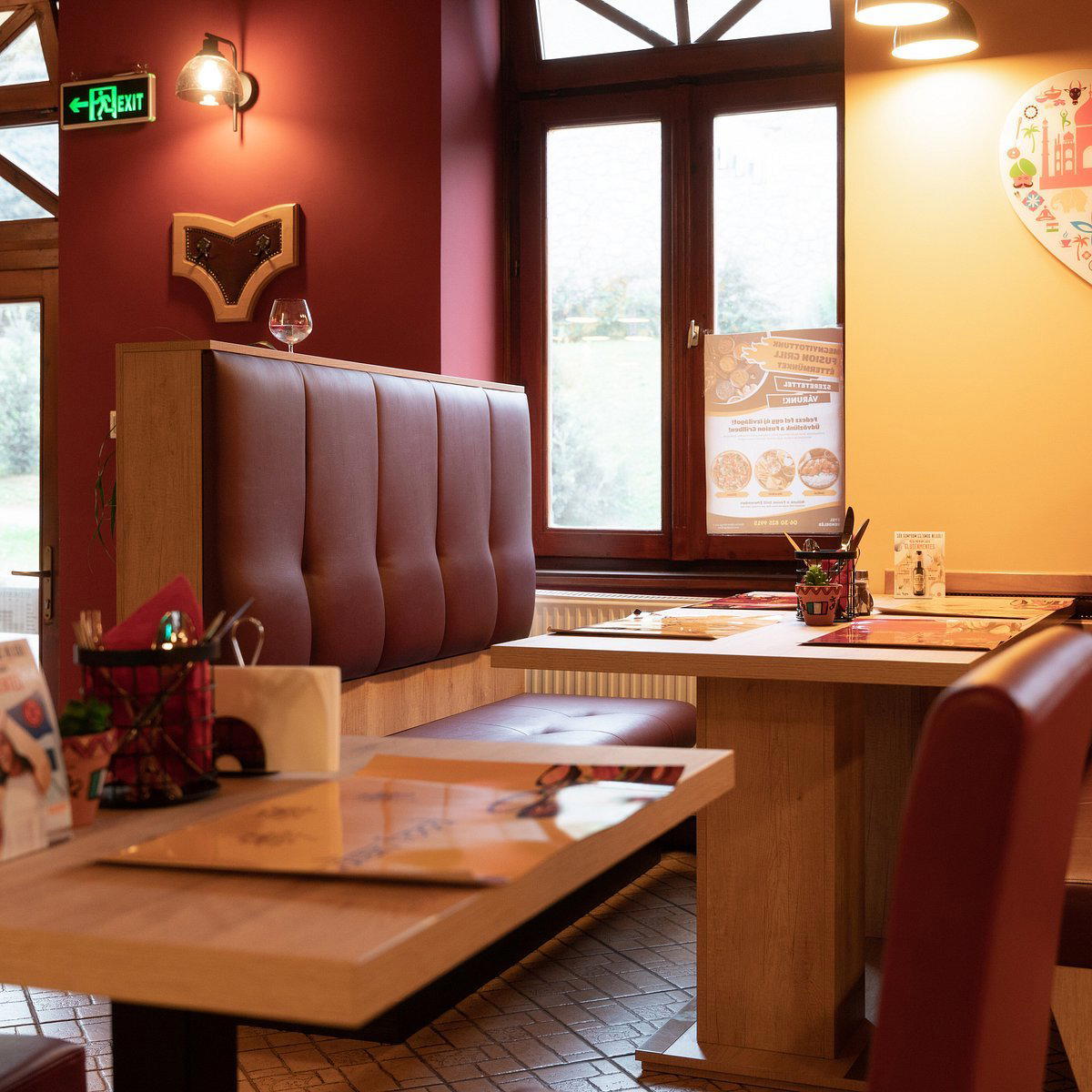
Details
- Cozy
- Classic
- Family
- Group Dining
- Casual Hangout
- Terrace
- Garden
- Hotel Restaurant
- Mountain
- A La Carte
- Family Style
- Allergy Accommodating
Current opening hours
- Monday
- Closed
- Tuesday
- 8 AM–4 PM
- Wednesday
- 8 AM–8 PM
- Thursday
- 8 AM–8 PM
- Friday
- 8 AM–9 PM
- Saturday
- 8 AM–9 PM
- Sunday
- 8 AM–4 PM
Hours can change for holidays and private events. Last verified .
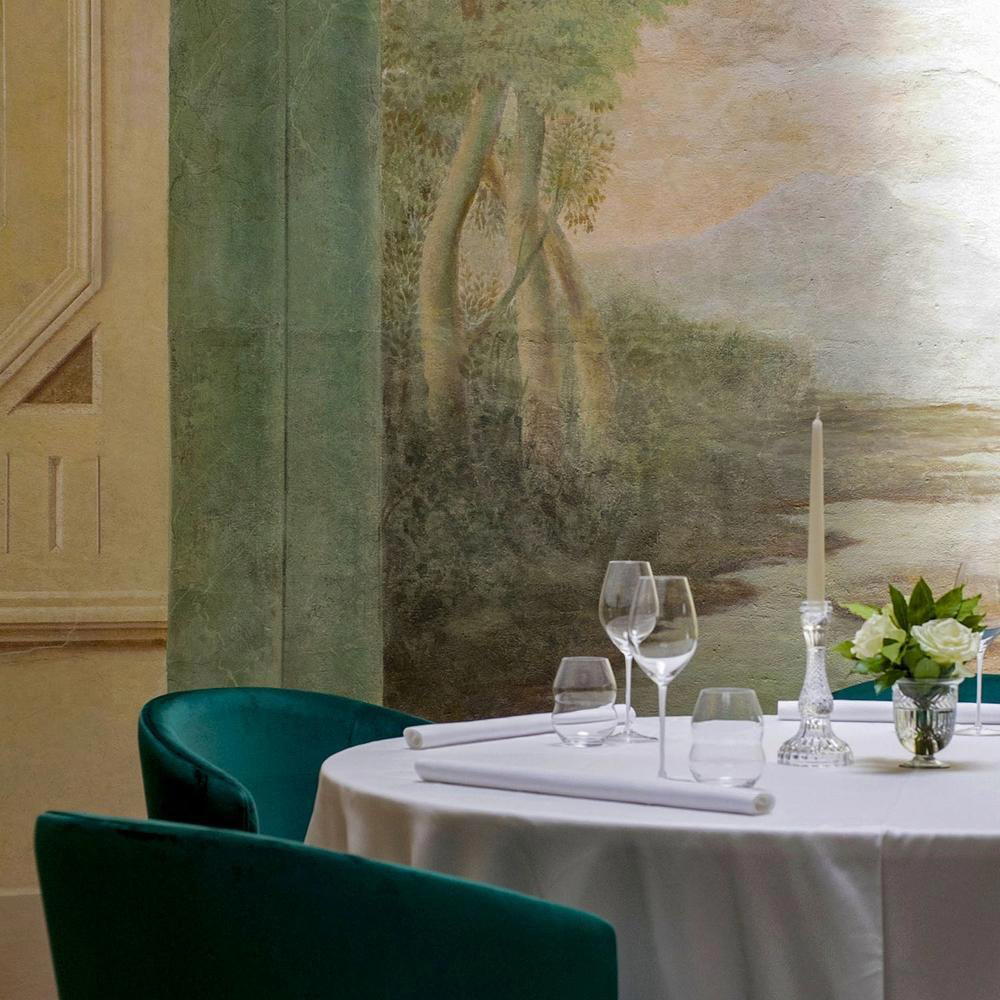
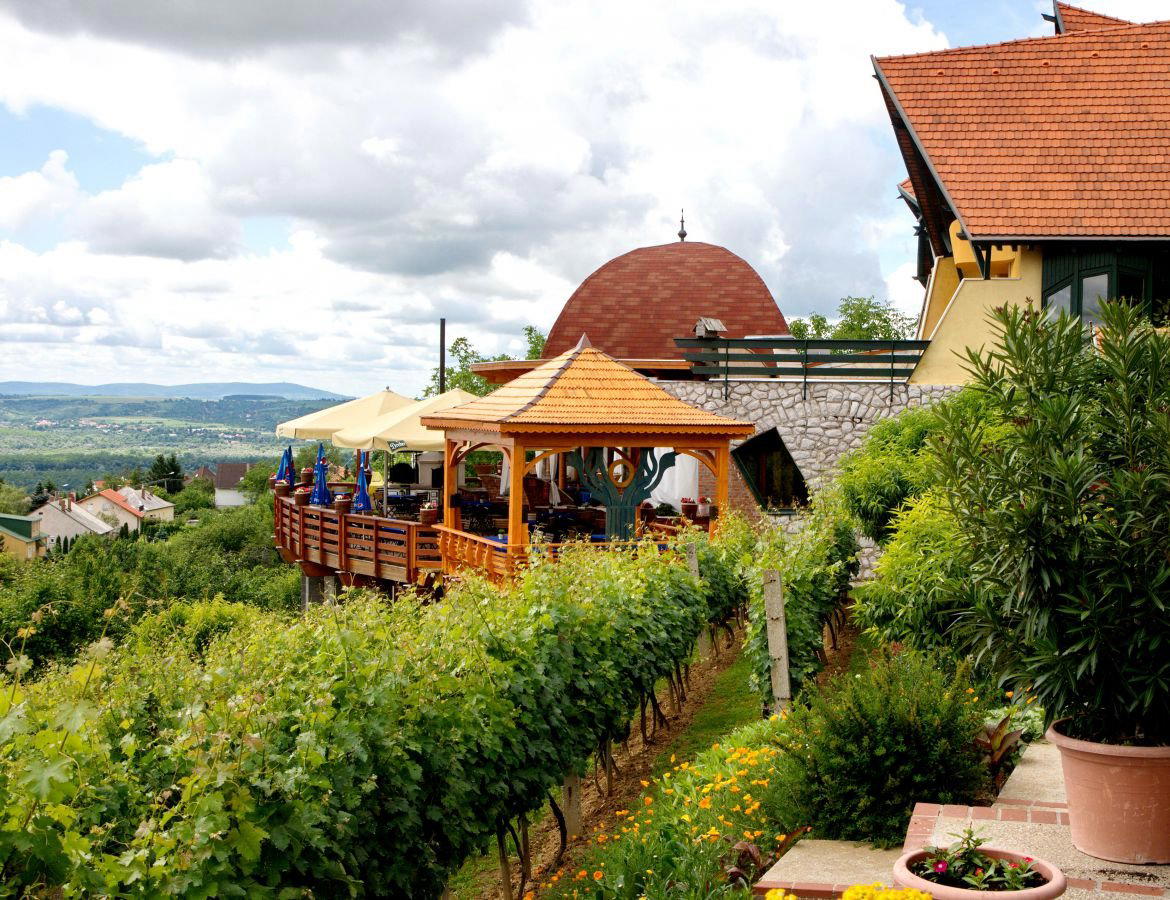
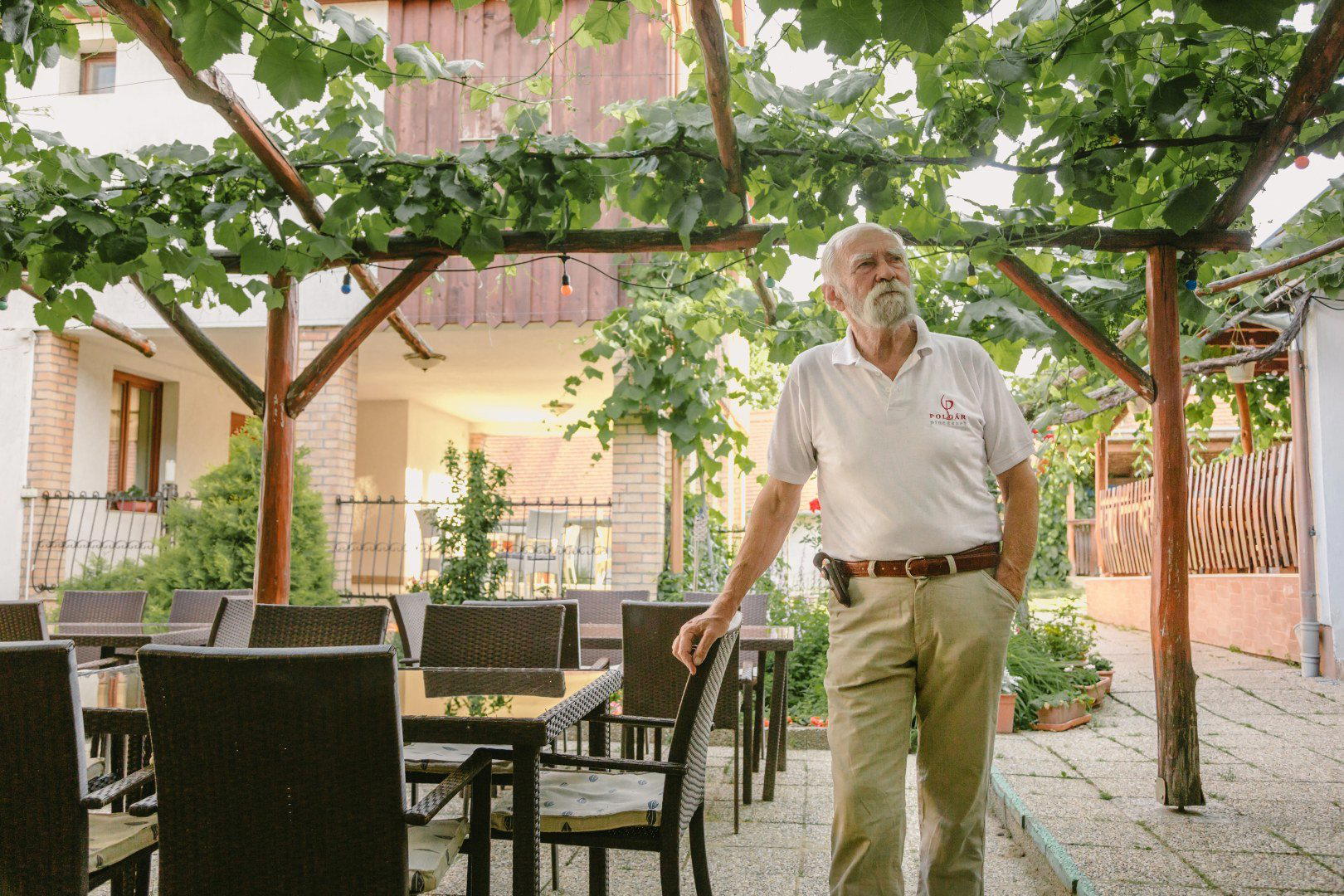
Relaxed and welcoming family atmosphere with access to garden spaces and terrace areas.