Fusion Grill sits on Klimó György utca in central Pécs, a city where Ottoman, Habsburg, and Hungarian culinary currents have historically converged. The restaurant's name signals an intent to work across those traditions rather than within any single one. For visitors exploring southern Transdanubia's dining scene, it occupies a mid-range generalist position in a city that rewards careful navigation between local specialists and cross-cultural formats.
Pearl is the En Primeur Club membership app — saves, bookings, and concierge access live there. Same editors, same standards.
- Address
- Pécs, Klimó György u. 3, 7624 Hungary
- Phone
- +36308259915
- Website
- fusiongrill.hu
- Directions
- Get directions
 Saves & bookings on Pearl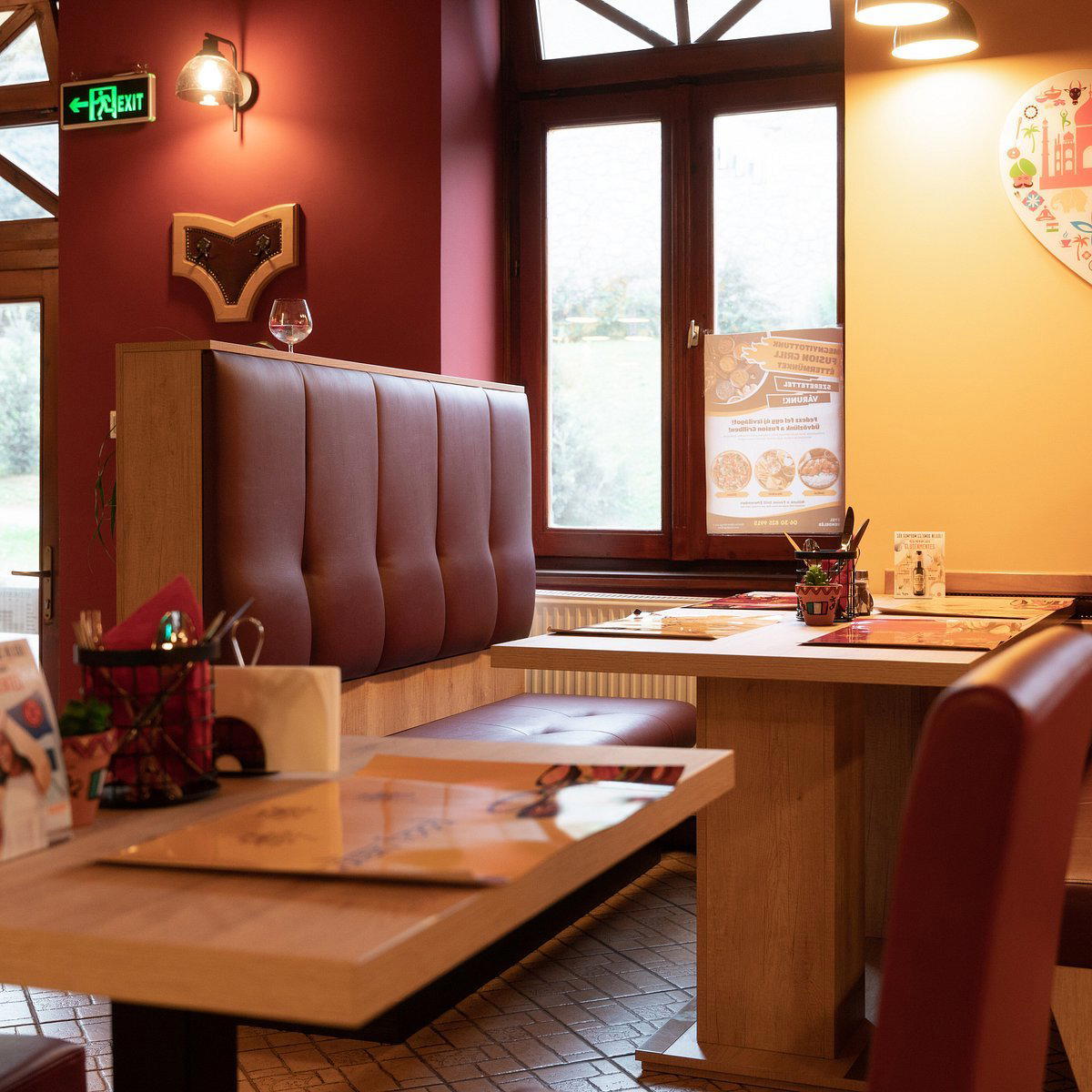
Where Pécs Places a Fusion Format
Pécs is one of Hungary's more culturally layered cities. Two centuries of Ottoman rule left behind a mosque that still stands in the main square, a bathhouse tradition, and a palate shaped by spice use that never fully disappeared from local cooking. The Habsburg period added central European formality to that base. The result is a city where the word "fusion" carries more historical weight than marketing abstraction: the cuisine of southern Transdanubia has always been a negotiated territory between competing influences.
Fusion Grill is an Authentic Indian Fusion Grill in Pécs, Hungary, at Klimó György u. 3, 7624. Fusion Grill, addressed at Klimó György utca 3, sits in this context. The street runs through a residential and institutional quarter near the city centre, away from the more tourist-dense Széchenyi tér but close enough to draw a mixed crowd of locals and visitors. In a city that offers everything from traditional Hungarian vendéglők to Namaste Indian Restaurant and the neighbourhood-rooted cooking at Tettye Vendéglő, a restaurant with "fusion" in its name occupies a distinct and deliberate position in the local spectrum.
The Cultural Argument for Cross-Traditional Cooking in Southern Hungary
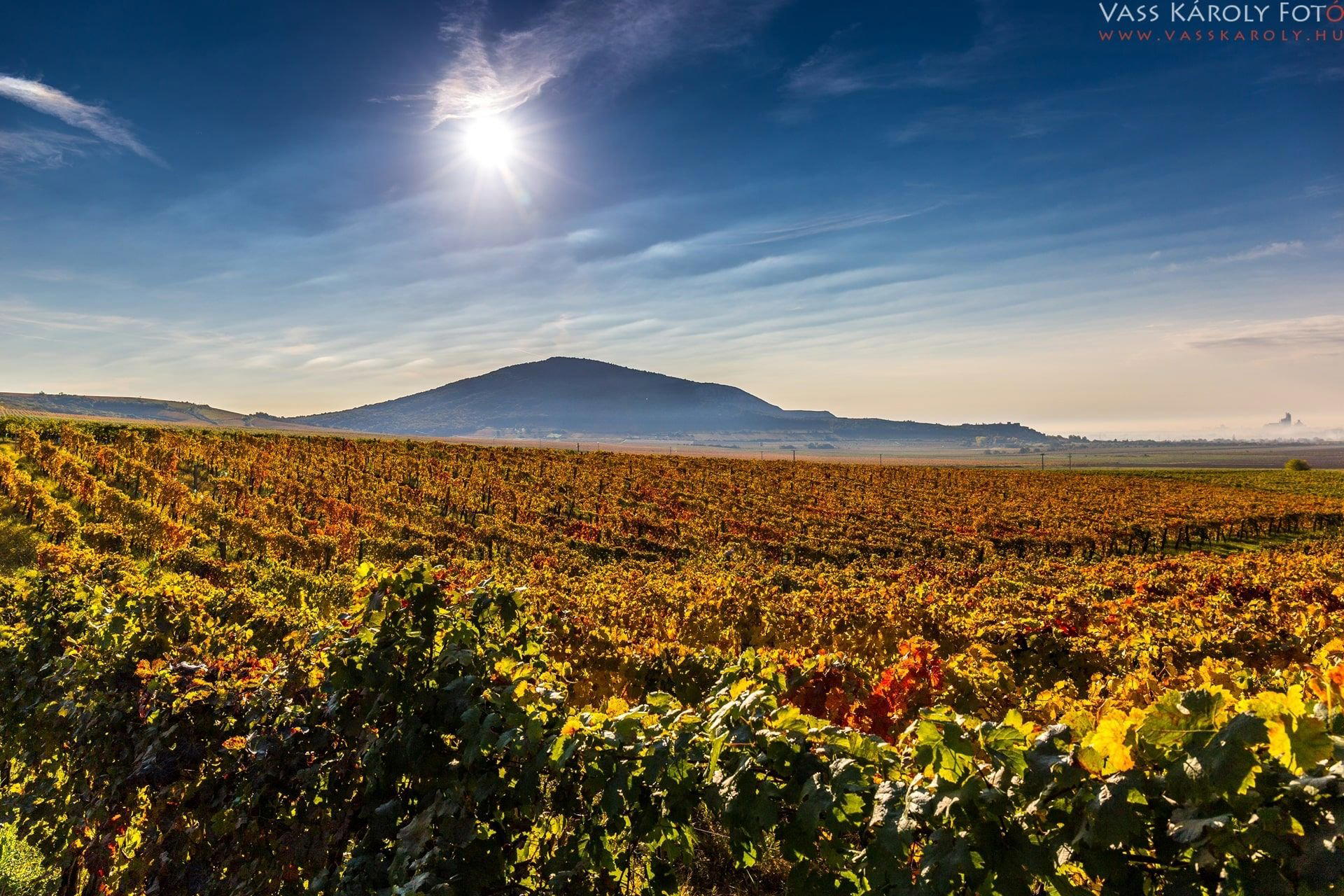
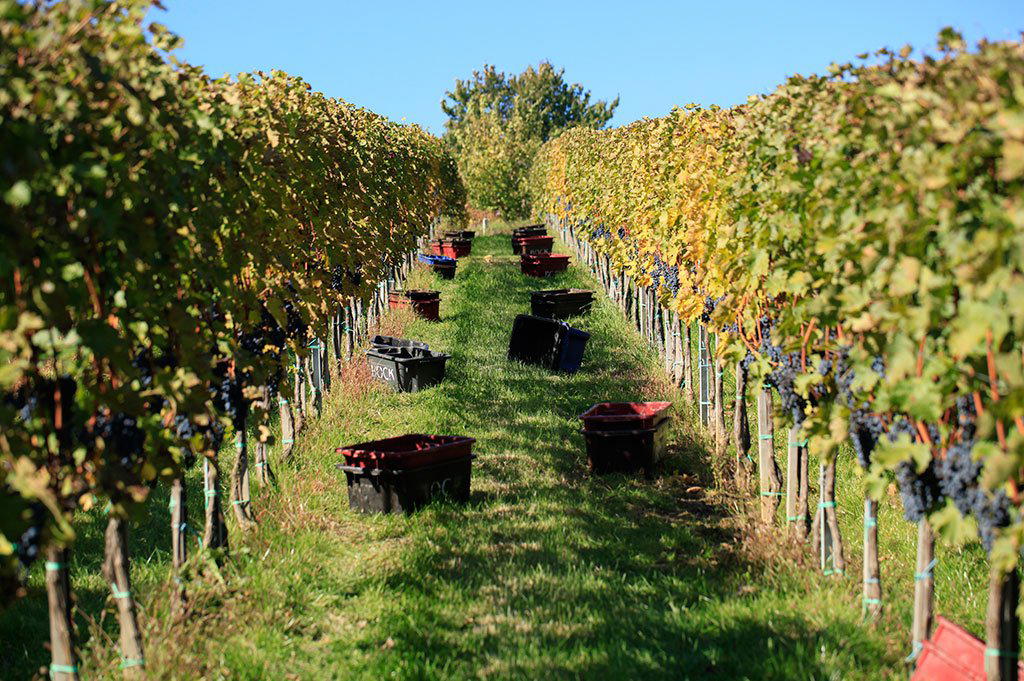
Hungarian gastronomy is often discussed as though it were monolithic: paprika, gulyás, lángos, and the great fish soups of the Tisza and Danube. But the regional picture is more complicated, and Pécs sits at one of its more interesting intersections. The Villány wine region begins just south of the city, producing Cabernet Franc and Merlot in a microclimate shaped by Pannonian warmth. The Ormánság to the west has a distinct folk food culture. Slavic, German, and Romani culinary influences have filtered through the county for centuries.
Cross-traditional cooking in this context is not novelty for its own sake. It reflects the actual demographic and historical composition of Baranya County. When restaurants in Pécs work across culinary traditions, particularly persuasive versions do so by anchoring those crossings in local produce: the game from the Mecsek hills, the stone fruit from orchards around Hosszúhetény, the wines from Villány producers like those featured at Sauska 48 in Villány. The less persuasive versions treat fusion as a style directive disconnected from place.
This places the restaurant in the broad middle tier of Pécs dining, below the credentialed gourmet operations that have emerged across southern Hungary in recent years, and above the fast-casual end represented by spots like Megyeri Burgers.
Pécs in the Wider Hungarian Dining Conversation
Hungary's most discussed restaurant moment over the past decade has been concentrated in Budapest, with places like Stand in Budapest pulling serious critical attention to the capital's fine-dining tier. But the provinces have developed their own reference points. Pajta in Őriszentpéter and Hosszú Tányér in Hosszúhetény represent a mode of destination dining rooted in rural specificity. Platán Gourmet in Tata and Kővirág in Köveskál demonstrate that serious cooking is no longer confined to Budapest's inner districts.
Pécs itself supports a range of dining registers. Bagolyvár and Rózsa Restaurant and Boarding House anchor the more traditional end of the city's offer, while places working across culinary traditions occupy a middle space that serves Pécs's university population and its growing cultural tourism base. The city hosts a significant Roma cultural heritage site and was a UNESCO European Capital of Culture in 2010, both of which have sustained visitor interest in a way that supports more varied dining than a city of 140,000 might otherwise sustain.
In that context, a fusion-format restaurant on Klimó György utca is a reasonable proposition. The question for any visitor is whether the execution matches the premise.
Thinking About Fusion as a Format, Not a Philosophy
Across Hungary and in comparable central European cities, fusion restaurants tend to divide into two operational modes. The first treats fusion as a license to combine anything with anything, producing menus that read ambitiously and deliver inconsistently. The second treats it as a disciplined methodology: identifying the overlapping flavour logic between two or more traditions and working those overlaps with precision. The difference is usually visible in how tightly the menu is edited and whether the kitchen has a clear point of view about which traditions it is actually drawing from.
For international reference, the formal end of cross-cultural cooking at places like Le Bernardin in New York City or the community-driven format at Lazy Bear in San Francisco demonstrates how cross-influence can be made methodical rather than eclectic. Neither model is directly applicable to a mid-tier restaurant in Pécs, but the underlying discipline question applies regardless of price point or ambition level.
What can be said is that the restaurant's location, format name, and position in Pécs's dining tier suggest it is pitched at a generalist audience looking for variety and accessibility rather than a specialist audience seeking depth in any single tradition.
Planning a Visit
The restaurant is located at Klimó György utca 3, a short walk from Pécs city centre and accessible on foot from the main cultural sites including the Early Christian Necropolis and the Zsolnay Cultural Quarter. For those combining a meal with wider exploration of southern Transdanubia's food and wine offer, the Villány wine road and the Lake Balaton circuit are reachable by car. Regional dining at Petrányi Csopak in Csopak on the Balaton north shore and fish-focused cooking at Old Kőrössy Fish Restaurant in Szegedin give a sense of the regional range. Teyföl in Szentendre and Öreg Prés in Mór extend the picture toward the western Transdanubian wine country.
The restaurant is recommended for reservations. Opening hours are Wed: 5-9 PM; Thu: 5-9 PM; Fri: 12-9 PM; Sat: 11 AM-9 PM; Sun: 11 AM-6 PM.
A Pricing-First Comparison
Comparable venues nearby, for context on price, style, and recognition.
| Venue | Cuisine | Price | Notes |
|---|---|---|---|
| Fusion GrillThis venue — the venue you are viewing | belváros, Authentic Indian Fusion Grill | $$ | Not listed |
| Namaste Indian Restaurant | City Center, Authentic North Indian | $$ | Not listed |
| Bagolyvár | Not listed | $$ | Felsőhavi dűlő, Traditional Hungarian with Game Specialties |
| Megyeri Burgers | Premium Burgers and Neapolitan Pizza | $$ | Not listed |
| Tettye Vendéglő | Tettye, Traditional Hungarian | $$ | Not listed |
| Rózsa Restaurant and Boarding House | Not listed | $$ | Pécs, Italian & Mediterranean Family Dining |
At a Glance
- Cozy
- Casual Hangout
- Date Night
- Standalone
Current opening hours
- Monday
- Closed
- Tuesday
- Closed
- Wednesday
- 5–9 PM
- Thursday
- 5–9 PM
- Friday
- 12–9 PM
- Saturday
- 11 AM–9 PM
- Sunday
- 11 AM–6 PM
Hours can change for holidays and private events. Last verified .
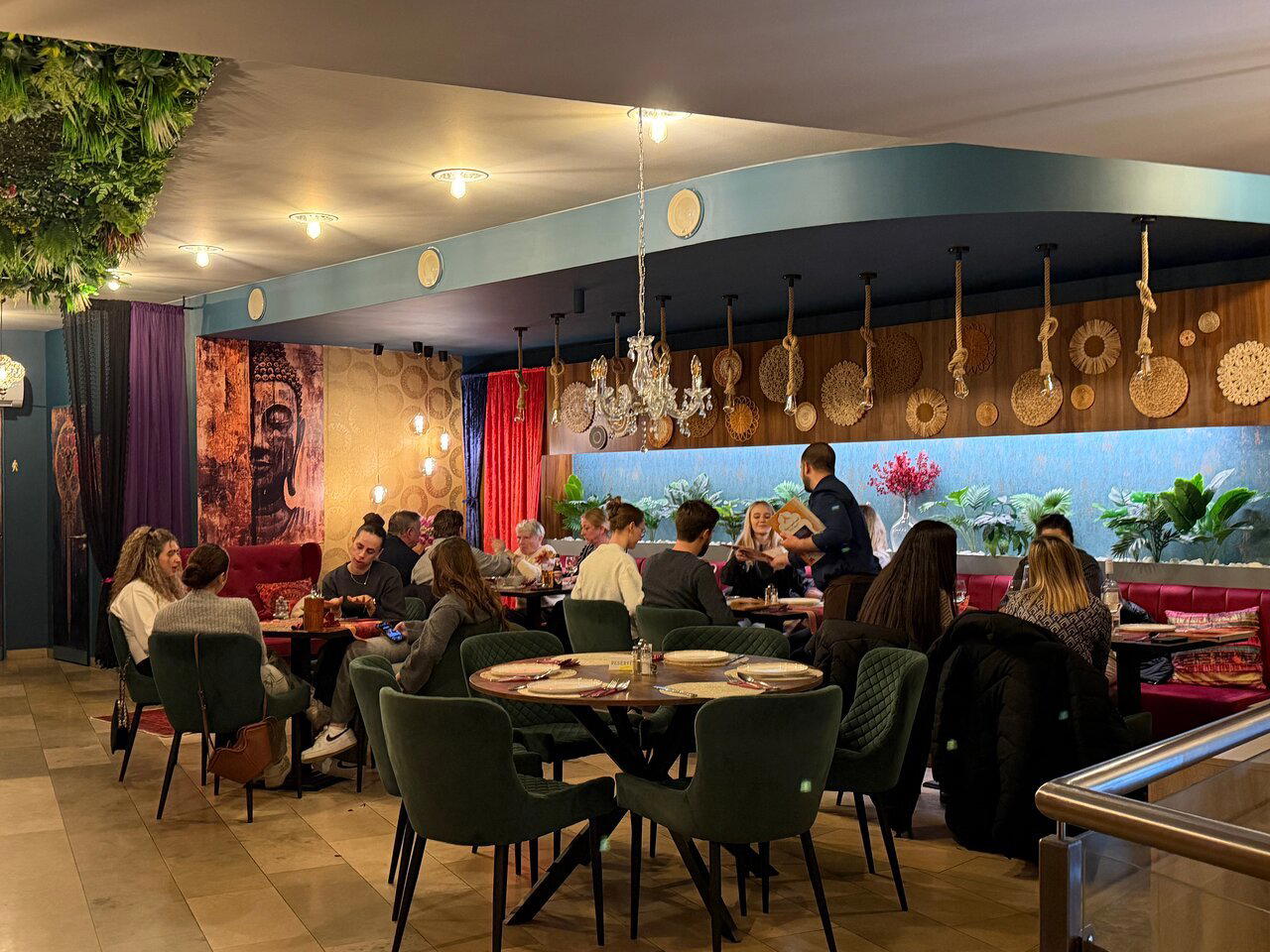
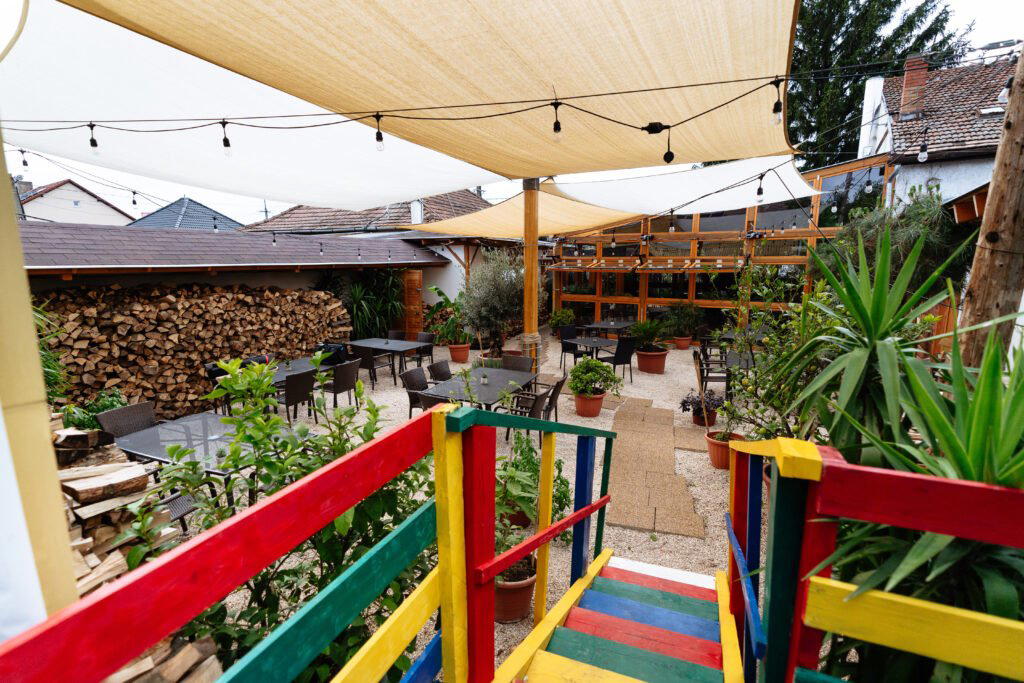
Cozy and homey atmosphere with friendly service.