

1 Michelin Star · Tabelog Bronze #306
Our verdict
Higashichaya Nakamura brings Kanazawa and Hokuriku inflection into Osaka’s Japanese dining conversation, with fish, sake and wine forming the serious part of the table rather than an afterthought. Its 2026 Tabelog Bronze recognition, 2025 Japanese cuisine WEST 100 selection and Michelin one-star status place it in the city’s high-trust washoku tier, but the appeal is more social than ceremonial.

Pearl is the En Primeur Club membership app, where members save venues, book tables and use the concierge.
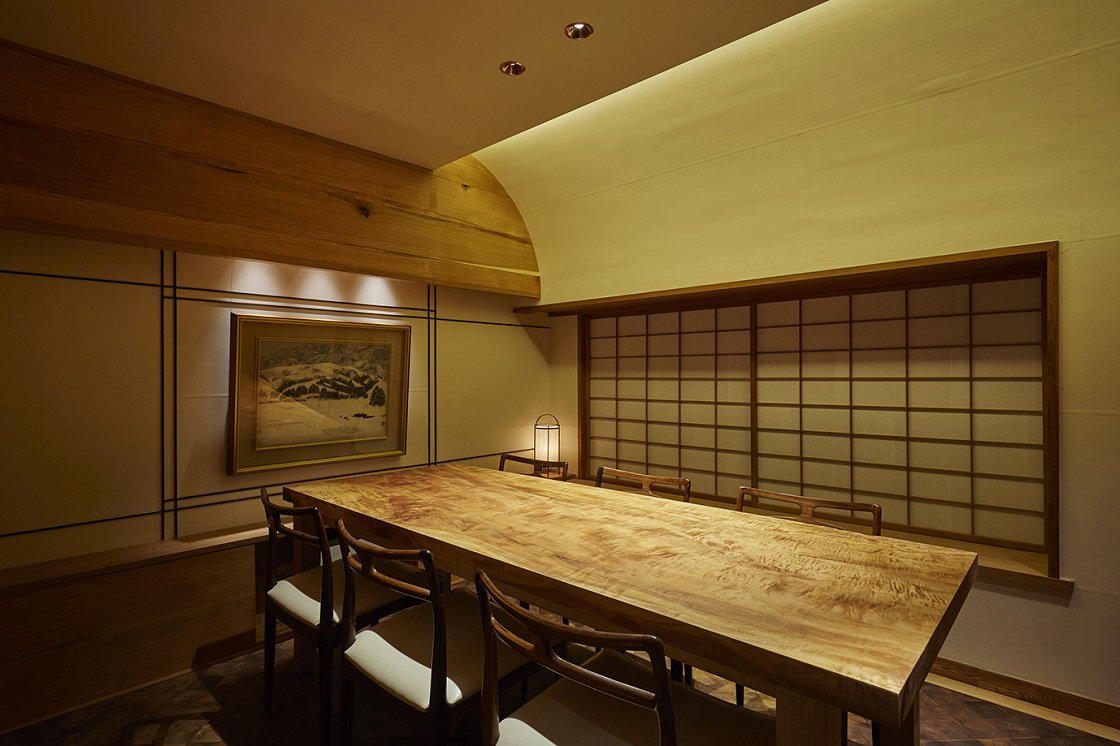
Honjohigashi is not Osaka’s neon dining shorthand. North of Umeda’s commercial charge, the streets thin into a quieter grid, and that shift matters: Higashichaya Nakamura feels less like a temple of formality than a compact Japanese counter built for concentration, conversation and controlled drinking. Osaka has long understood eating with a glass in hand, from standing bars to kappo counters, but the higher end now asks a sharper question: can izakaya ease survive when ingredients, spend and awards become serious?
Here, yes, with caveats. This is not casual in the ordinary sense. Recognition including a Michelin one-star citation in 2024, The Tabelog Award 2026 Bronze and selection for Tabelog’s Japanese cuisine WEST 100 in 2025 places it where precision is expected. Yet the mood sits closer to the Japanese drinking table than silent ceremony. Fish leads, sake and wine are part of the meal’s architecture, and the scale stays intimate without becoming theatre.
Hokuriku fish culture reframed for an Osaka drinking table
Osaka’s Japanese dining identity is often read through kappo, counter work and directness. Higashichaya Nakamura adds Kanazawa and Ishikawa food culture, with Hokuriku seafood central to the menu’s reputation. That matters because Hokuriku cooking brings a different relationship to season, preservation and fish than familiar Kansai vocabulary. The Sea of Japan side has long prized crab, buri, shellfish and cold-water catch, though dishes should be read from the current offering rather than assumed.
The point is not that Osaka lacks fish-driven Japanese restaurants. It has many. The distinction is that this table brings a northern regional accent into a city better known abroad for takoyaki, okonomiyaki and market exuberance. At this level, the meal is not abundance for its own sake. It is sequencing, drink compatibility and restraint that lets fish carry the evening without turning the format into sushi.
That is where the izakaya lens helps. A serious Japanese meal can still be social when the drinks list has weight and the room allows small-party focus. Sake is not merely a cultural marker; wine also appears, placing the restaurant inside a broader Japanese trend: high-end washoku rooms increasingly treat wine service as a parallel language, not a foreign accessory. For travelers used to tasting-menu orthodoxy, the experience feels less rigid: Japanese cuisine first, with a rhythm of eating and drinking in tandem.
Where it sits among Osaka's serious Japanese counters
Osaka’s upper Japanese dining tier is not one category. There are formal kaiseki rooms, kappo counters, sushi counters, private-room restaurants and chef-led washoku formats borrowing from several traditions. Higashichaya Nakamura sits in the compact, reservation-led end, where seat count, etiquette and recognition signal a meal that rewards planning. Honjohigashi also gives it a different urban temperature from central hotel-adjacent dining rooms: close enough to the northern core to be practical, removed enough to feel deliberate.
Comparison clarifies the choice. Tenjimbashi Aoki shares the Japanese category and premium price tier, making it a close reference for readers weighing serious counters in north Osaka. Kurubushi, Kawahara, Miyamoto and Nishitemma Nakamura sit in a lower price band, changing the equation: they may suit diners wanting refined Japanese cooking without the same spend bracket. Higashichaya Nakamura is better read as a narrow-format, high-recognition table for travelers seeking regional fish culture, flexible drink pairing and a more private tempo than a large dining room offers.
The etiquette profile reinforces that reading. No smoking, no photography inside the restaurant and a request to avoid strong fragrance all indicate a room where the shared environment is part of the meal. These policies are common in serious Japanese dining, but in small rooms they matter more: one guest’s perfume, camera noise or raised voice can alter the whole counter. The codes protect the format.
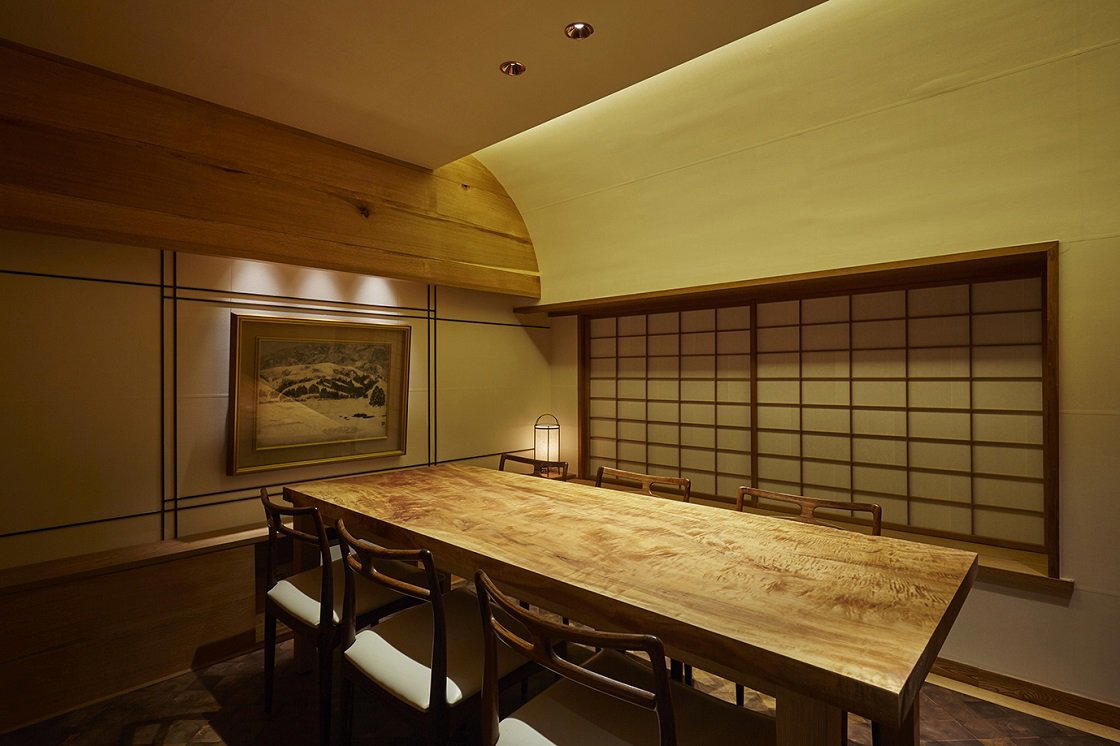
Private rooms add to the social character. High-end Japanese dining can be exposed or enclosed, and rooms for small groups change how the meal functions. A counter seat emphasizes craft and sequence; a private room lets the evening lean toward conversation and drinking without abandoning kitchen discipline. For the EP Club reader, this makes it a useful Osaka address for a restrained group dinner, not only a solo or two-person counter booking.
How to read the room before choosing it
The restaurant suits diners wanting Japanese cuisine with a regional point of view, not Osaka street-food signatures. It is a poor fit for a loose, drop-in night. The format asks for reservation planning, an appetite for fish-led cooking and comfort with quiet dining codes. That selectiveness is part of the value. In a city whose food culture can be exuberant and democratic, this shows Osaka’s serious grammar: compact rooms, exacting service, high trust signals and meals shaped by pacing as much as luxury ingredients.
For context, compare it with other Osaka Japanese restaurants such as Ajikitcho Bumbuan, Ajikitcho Horieten, Doshincho Washoku Zui, Fushimimachi Kakoiyama and Hozan. Those references map the city’s range, from more formal Japanese dining to smaller specialist rooms. For city planning beyond one meal, use Our full Osaka restaurants guide, alongside Our full Osaka hotels guide, Our full Osaka bars guide, Our full Osaka wineries guide and Our full Osaka experiences guide.
Travelers building a wider Japan itinerary can compare regional Japanese cooking across cities: -Grilled beef Sukiyaki- KAMAKURA TANUKIAN 鎌倉 たぬき庵 in Kamakura. 鮪と炭火焼き うお炭 秋葉原店 in Tokyo.know in Kumamoto, (Shoku) Vietnam in Kawasaki, [Curry Senmon Ten] Maruyama Kyoju. in Sapporo and [ki:] in Kyoto. For a non-Japan calibration of how Japanese cuisine travels abroad, see 715, Japanese in Los Angeles and 99 sushi bar, Japanese in Alcobendas.
The editorial case is precise: an Osaka restaurant for diners who want izakaya culture’s social intelligence filtered through a small, recognized Japanese dining room. It is not defined by spectacle, chef mythology or one named dish. Its relevance comes from the collision of Hokuriku fish culture, Osaka counter-dining instincts and a drinks program broad enough to make the meal feel communal rather than merely formal.
Frequently asked questions
What's the cuisine at Higashichaya Nakamura?
Higashichaya Nakamura serves Japanese cuisine.
What does dinner at Higashichaya Nakamura typically cost?
Pricing at Higashichaya Nakamura is listed as ¥¥¥¥.
What are the operating hours at Higashichaya Nakamura?
Hours at Higashichaya Nakamura: Mon: 12:30–3 PM, 5:30–11 PM; Tue: 12:30–3 PM, 5:30–11 PM; Wed: Closed; Thu: 12:30–3 PM, 5:30–11 PM; Fri: 12:30–3 PM, 5:30–11 PM; Sat: 12:30–3 PM, 5:30–11 PM; Sun: 12:30–3 PM, 5:30–11 PM.
How do I find Higashichaya Nakamura?
Higashichaya Nakamura is located in Osaka.
Budget Reality Check
Comparable venues by cuisine and price in the same metro.
| Venue | Cuisine | Price | Awards | Notes |
|---|---|---|---|---|
| Higashichaya NakamuraThis venue (the venue you are viewing) | Kanazawa-Style Kaiseki | $200–300 | 1 Michelin Star · Tabelog Bronze #306 | Not listed |
| Fushimimachi Kakoiyama | Traditional Japanese Kaiseki | $300–500 | 1 Michelin Star · Tabelog Bronze #156 | Chūō, Traditional Japanese Kaiseki |
| Nishitemma Nakamura | Seasonal Kaiseki with Western Influences | $150–200 | 1 Michelin Star | Kita, Seasonal Kaiseki with Western Influences |
| Matsuzushi | Edomae Sushi Omakase | $150–200 | 1 Michelin Star · Tabelog 100 #86 | Abeno, Edomae Sushi Omakase |
| Shinchi Yamamoto | Modern Japanese Kaiseki Omakase | $300–500 | 1 Michelin Star | Kita, Modern Japanese Kaiseki Omakase |
| Iwaki | Kappo Kaiseki | $200–300 | 1 Michelin Star | Kita, Kappo Kaiseki |
Recognition history
Dated appearances from independent guides and award organizations, with the underlying list record or original source where available.
Michelin 1 Star
Michelin
Tabelog Bronze #306
Tabelog
Full recognition history (4 entries)
Tabelog 100 #41 · No. 41
Tabelog · Tabelog 100 - Japanese cuisine - WEST - 2025
Michelin 1 Star
Michelin
Continue exploring
More in Osaka
Restaurants in Osaka
All restaurants in Osaka →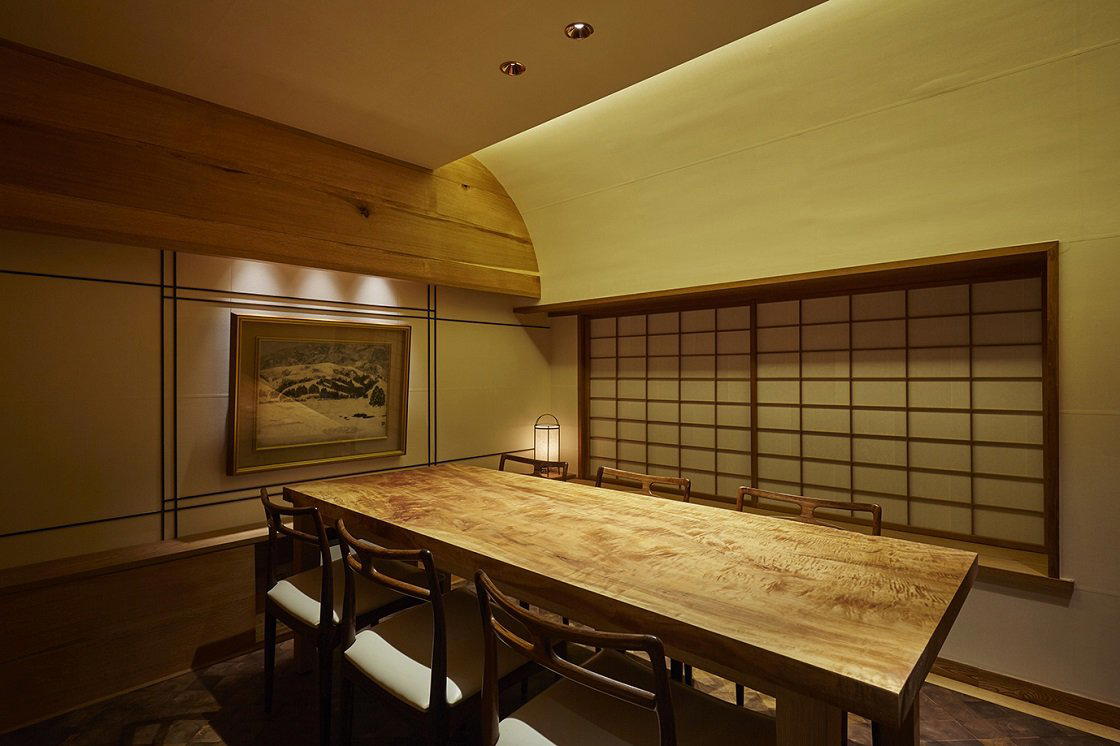



Bars in Osaka
All bars in Osaka →



Hotels in Osaka
All hotels in Osaka →



Wineries in Osaka
Browse all →
Details
- Elegant
- Intimate
- Cozy
- Sophisticated
- Classic
- Date Night
- Special Occasion
- Chefs Counter
- Private Dining
- Sake Program
- Local Sourcing
- Omakase
- Sake Program
Current opening hours
- Monday
- 12:30–3 PM, 5:30–11 PM
- Tuesday
- 12:30–3 PM, 5:30–11 PM
- Wednesday
- Closed
- Thursday
- 12:30–3 PM, 5:30–11 PM
- Friday
- 12:30–3 PM, 5:30–11 PM
- Saturday
- 12:30–3 PM, 5:30–11 PM
- Sunday
- 12:30–3 PM, 5:30–11 PM
Hours can change for holidays and private events. Hours as of .
Warm wood fixtures, tatami mats, vermillion and burnt green walls create an ancient teahouse atmosphere with intimate counter seating.