
Tabelog 100 #81
Our verdict
Ryokujuan Shimizu belongs to Kyoto’s disciplined wagashi culture, where small formats and strict craft matter more than spectacle. Its Tabelog 100 selection for Japanese traditional sweets and sweets in WEST lists across multiple years places it in a serious regional conversation, especially for travelers interested in take-away confectionery rather than café dining.

Pearl is the En Primeur Club membership app, where members save venues, book tables and use the concierge.
The menu
What to order
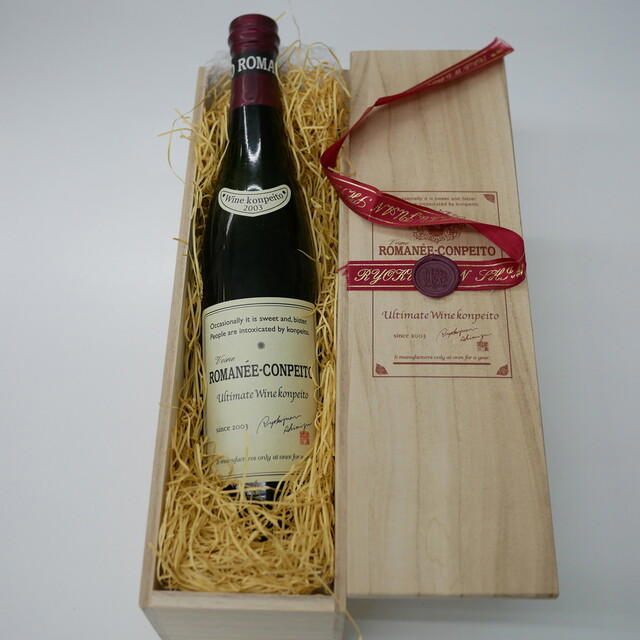
- Konpeito
- Jersey milk konpeito
- Shiso konpeito
Approaching the sweets culture of Kyoto means leaving behind the restaurant rhythm of courses, pairings, and counter theatre. In Kyoto, Japanese traditional sweets often work on a smaller scale: boxed, carried, given, opened later. Ryokujuan Shimizu sits inside that tradition as a specialist in Japanese traditional sweets, not a restaurant built around a long seated meal. The point is not an extended dinner; it is the precision of selection, packaging, and restraint.
Kyoto’s confectionery scene has always rewarded literacy. A traveler who understands the difference between formal tea sweets, everyday gift confectionery, and other local sweet-shop formats reads the city more clearly. For a contrasting Kyoto sweet-shop format, other traditional confectioners frame sweetness through different rituals of purchase, gifting, and occasion. Ryokujuan Shimizu works in a compact register: focused, portable in spirit, and built around the logic of Japanese traditional sweets rather than restaurant comparison.
Japanese traditional sweets as a Kyoto menu, not a souvenir shelf
The useful way to read the selection is as menu architecture. In many Kyoto sweet shops, the offer divides between seasonal choices, tea-linked sweets, and boxed gifts. Here, the specialist format pushes attention toward confectionery as an object of choice: category, quantity, presentation, and intended recipient matter. That structure suits Japanese traditional sweets especially well, because their cultural role is tied as much to gifting and ceremony as to immediate consumption.
The venue’s recognition sharpens that point. Ryokujuan Shimizu is listed in the 2023 Tabelog Hyakumeiten category for Japanese traditional sweets, with a posted score of 3.72 and a listed price range of JPY 1,000 - JPY 1,999. That is not a Michelin-style restaurant star, and it should not be read as a dining-room verdict. It does, however, signal attention within Japan’s sweets category, where small specialist shops sit alongside other confectionery formats.
That makes the shop useful for a particular Kyoto itinerary: not the traveler trying to fill an evening, but the one building a day around craft categories. Nearby and citywide dining may pull in another direction entirely. Other Kyoto dining rooms show how broad the city’s restaurant map has become, from casual utility to more formal kitchens. A confectionery stop like this belongs to a separate grammar, closer to tea culture and seasonal giving than to restaurant comparison.
Where it fits in Kyoto's sweets hierarchy
Kyoto has many sweets specialists, but they do not all answer the same question. Ajari Mochi Honpo Kyogashi Tsukasa Mangetsu Honten, another Kyoto name in the comparison set, sits in the city’s wider gift-sweet conversation. Ryokujuan Shimizu occupies a specialist lane, where the purchase is less about filling a snack gap and more about choosing a precise confectionery form. That distinction matters for visitors who already have Kyoto meals and other stops mapped out.
Compared with broader restaurant formats in Kyoto, the value proposition is also different. Droit, Bistro Cerisier, Oryori Hayashi, and Bakery Ryugetsudo belong to other parts of the city’s food map. Ryokujuan Shimizu is not competing with those meals or stops. It adds a small but culturally specific layer to the day, especially for travelers who want Kyoto’s food culture beyond lunch and dinner reservations.
The practical reading is clear without turning the stop into an errand. This is a Japanese traditional sweets specialist with a listed lunch budget of JPY 1,000 - JPY 1,999 and no dinner budget provided in the source listing. That price band makes the visit feel like a focused category stop rather than a substitute for a full meal. The best approach is simple: arrive with a sense of occasion, choose carefully, and treat the purchase as part of Kyoto’s broader gift and tea-sweets culture.
Ryokujuan Shimizu is in Kyoto, which makes it easy to fold into a wider city plan rather than treating it as the anchor of the day. That location is useful because it lets the shop function as one precise stop among cultural visits, shopping, galleries, or meals elsewhere in the city. For a wider city plan, use Our full Kyoto restaurants guide alongside Our full Kyoto hotels guide, Our full Kyoto bars guide, Our full Kyoto wineries guide, and Our full Kyoto experiences guide.
A small-format stop for travelers who care about category
The editorial case is strongest for visitors who treat confectionery as part of Kyoto’s cultural structure, not as a decorative add-on. A full day in the city can move from cultural sites to dining to drinks without ever considering Japanese traditional sweets seriously. That misses a major local language: sweets are used to mark season, host, gift, and tea setting. A specialist counterpoint like Ryokujuan Shimizu makes that language easier to see.
The stop also suits travelers comparing Japan’s regional casual and specialist formats beyond Kyoto. Across Japan, narrow food formats can define a trip as clearly as large restaurants do: a single category, handled with discipline, often says more than a broad menu. Ryokujuan Shimizu belongs to that way of traveling, where the value lies in understanding what a place is trying to do and giving that category enough attention to register.
Verdict is simple. Ryokujuan Shimizu is for a Kyoto traveler who wants the city’s confectionery tradition in a concise, serious form. Its 2023 Tabelog Hyakumeiten recognition for Japanese traditional sweets, listed score of 3.72, and JPY 1,000 - JPY 1,999 price range make it a focused addition to a Kyoto day rather than a substitute for a meal.
Frequently asked questions
What's Ryokujuan Shimizu's location?
Kyoto.
When is Ryokujuan Shimizu open?
Current opening hours are not provided in the available listing; check directly with Ryokujuan Shimizu before visiting.
What price level is Ryokujuan Shimizu?
Pricing at Ryokujuan Shimizu is listed as JPY 1,000 - JPY 1,999.
What makes Ryokujuan Shimizu worth seeking out?
Ryokujuan Shimizu has 2023 Tabelog Hyakumeiten recognition for Japanese traditional sweets, with a listed score of 3.72. The JPY 1,000 - JPY 1,999 price range keeps it accessible for a specialist Kyoto sweets stop.
Peers Worth Knowing
Comparable venues at the same tier.
| Venue | Cuisine | Price | Awards | Notes |
|---|---|---|---|---|
| Ryokujuan ShimizuThis venue (the venue you are viewing) | Japanese Traditional Sweets | $1–10 | Tabelog 100 #81 | Not listed |
| Droit | Classic French Fine Dining | $200–300 | 1 Michelin Star · Tabelog 100 #78 | French |
| Ajari Mochi Honpo Kyogashi Tsukasa Mangetsu Honten | Traditional Japanese Wagashi & Mochi Shop | $1–10 | Tabelog 100 #21 | JPY 999 - JPY 999 |
| Bistro Cerisier | Classic French Bistro | $50–100 | Michelin Bib Gourmand | French |
| Bakery Ryugetsudo | Not listed | Not listed | Tabelog 100 #18 | JPY 999 |
| Oryori Hayashi | Traditional Kaiseki | $200–300 | La Liste Top Restaurants | Kaiseki |
Recognition history
Dated appearances from independent guides and award organizations, with the underlying list record or original source where available.
Tabelog 100 #81 · No. 81
Tabelog · Tabelog 100 - Japanese traditional sweets / Japanese sweets cafe - WEST - 2023
Continue exploring
More in Kyoto
Restaurants in Kyoto
All restaurants in Kyoto →
Bars in Kyoto
All bars in Kyoto →



Hotels in Kyoto
All hotels in Kyoto →




Wineries in Kyoto
Browse all →
Details
- Classic
- Quiet
- Cozy
- Solo
- Casual Hangout
- Family
- Standalone
- Historic Building
- A La Carte
- Vegetarian Friendly
Current opening hours
- Monday
- 10 AM–5 PM
- Tuesday
- 10 AM–5 PM
- Wednesday
- Closed
- Thursday
- 10 AM–5 PM
- Friday
- 10 AM–5 PM
- Saturday
- 10 AM–5 PM
- Sunday
- 10 AM–5 PM
Hours can change for holidays and private events. Last verified .
A quiet, traditional specialty shop atmosphere with a long-established, artisanal feel rather than a full-service restaurant setting.