Rufino Osteria

Star Wine List
Our verdict
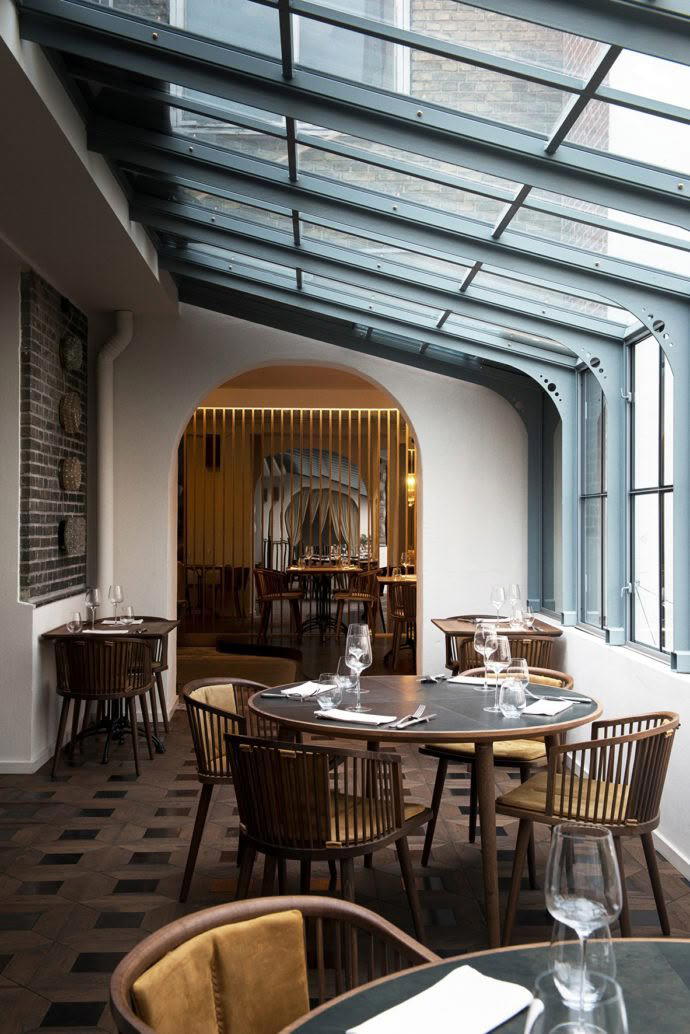
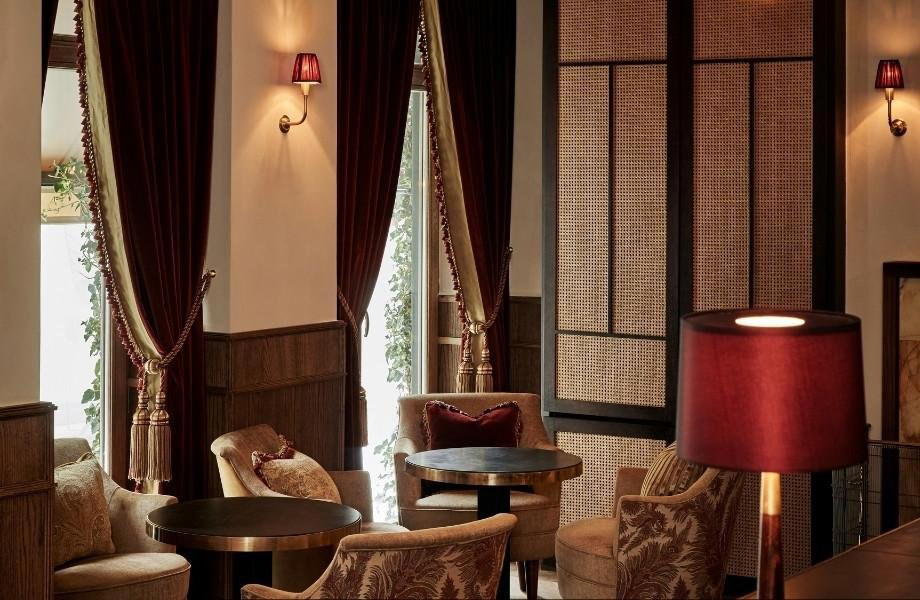
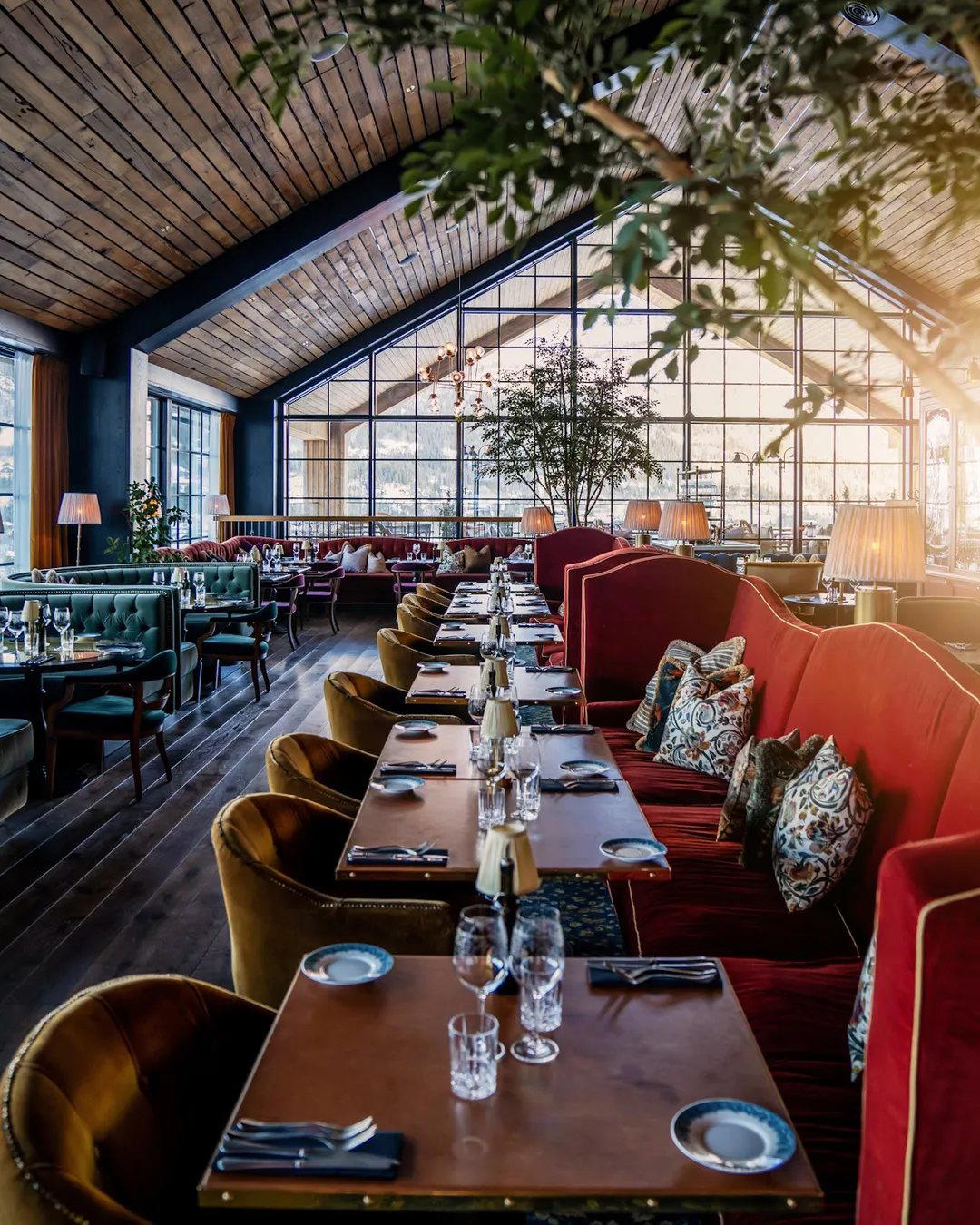
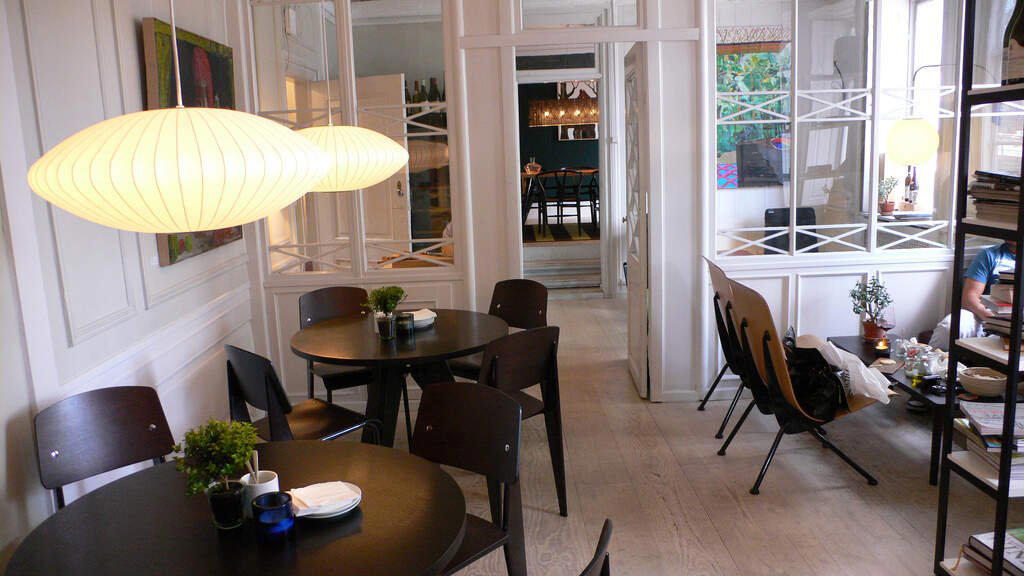
On Strandgade in Christianshavn, Rufino Osteria sits at a quieter end of Copenhagen's dining conversation, recognised by Star Wine List with a White Star designation for the depth and curation of its wine offering. Where the city's headline addresses lean into tasting-menu formality and New Nordic abstraction, Rufino offers a different register — one built around a wine-led Italian sensibility and the kind of room that rewards return visits.

Pearl is the En Primeur Club membership app — saves, bookings, and concierge access live there. Same editors, same standards.
- Address
- Strandgade 14, 1401 København, Denmark
- Phone
- +45 81 90 10 67
- Hours
- Daily 5–11 PM
- Website
- rufino.dk
- Directions
- Get directions
The menu
What to order
- Tagliatelle al Ragu
- Tiramisu
- Carbonara with Guanciale
- Fettuccine con Ragù di Scottiglia
The Room on Strandgade
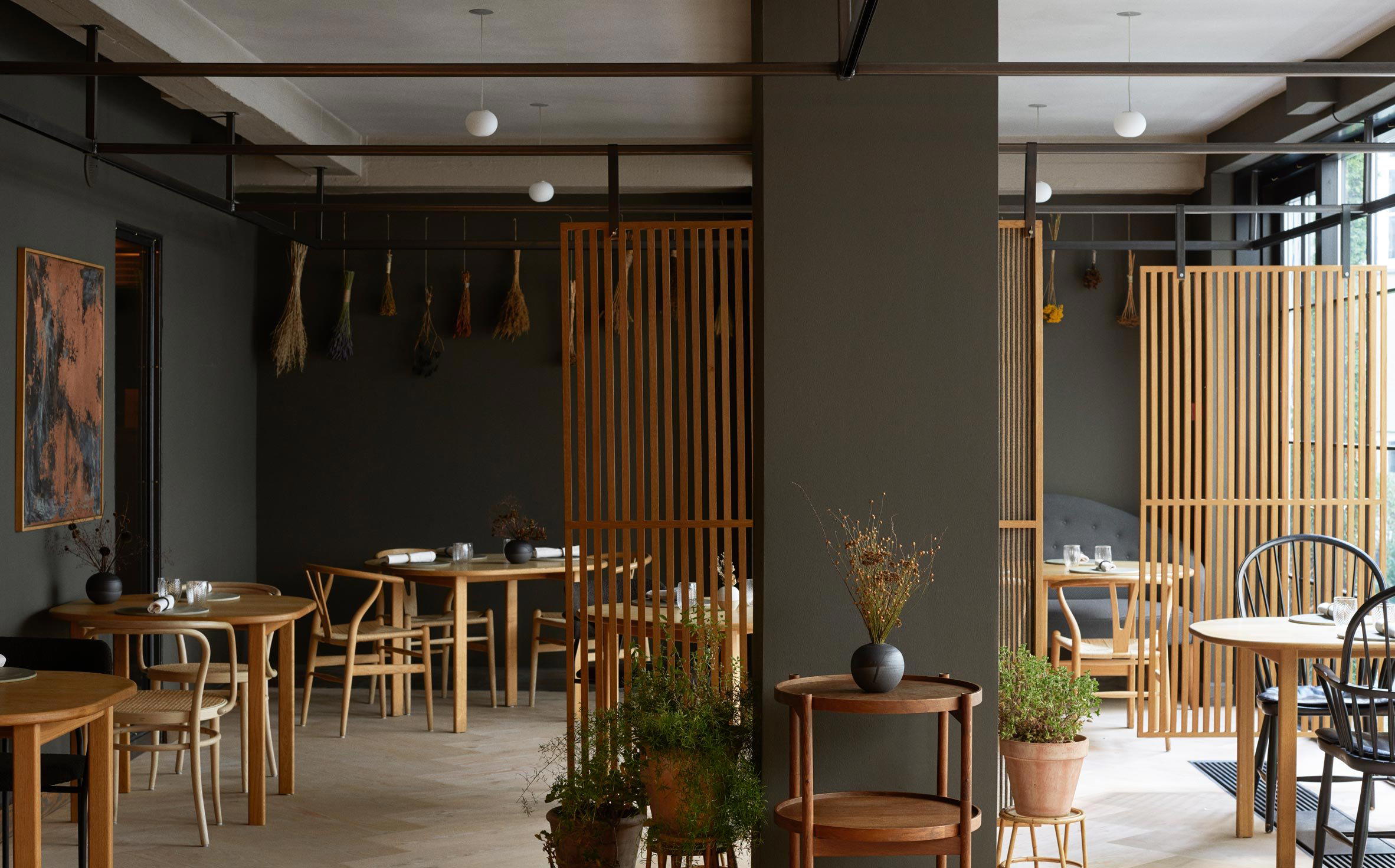
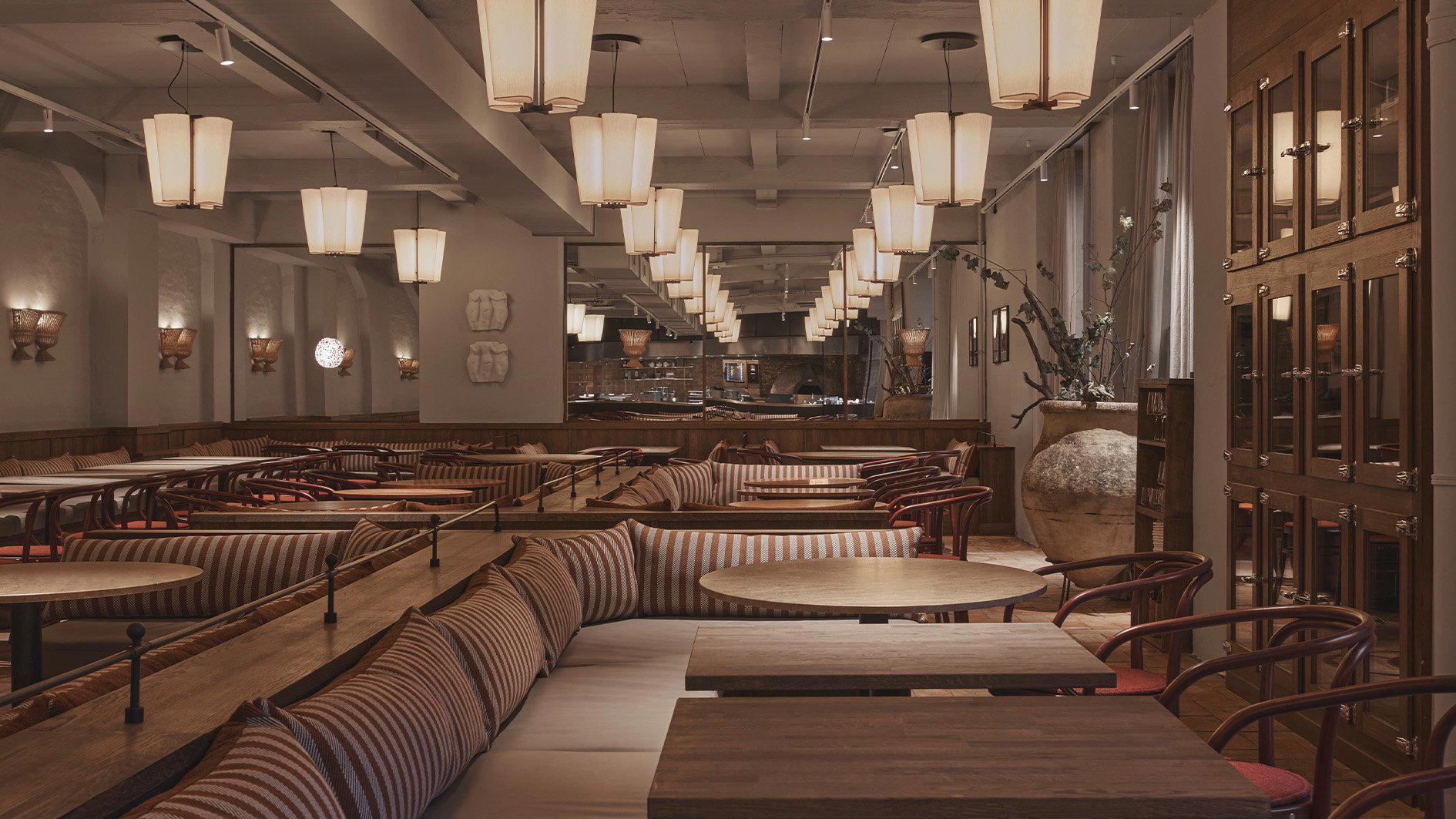
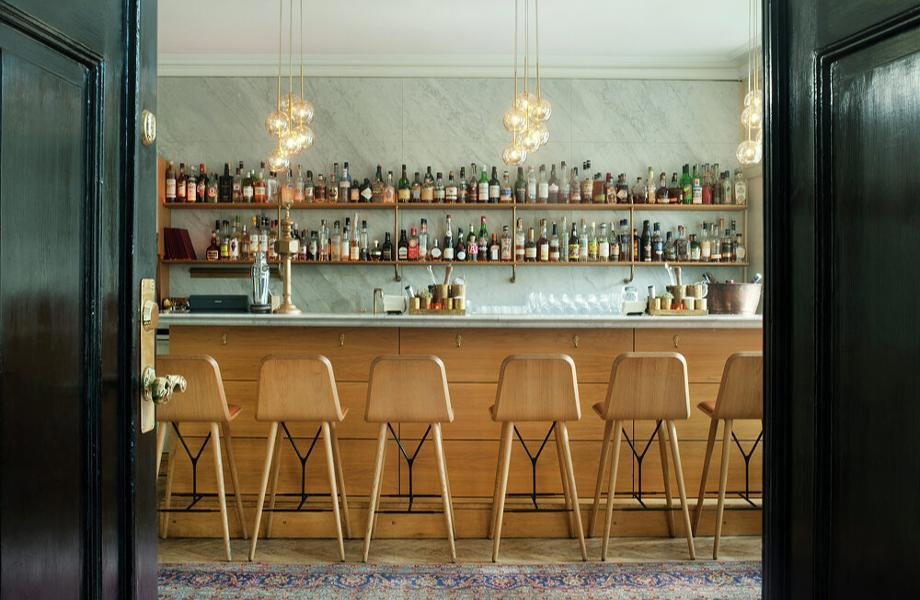
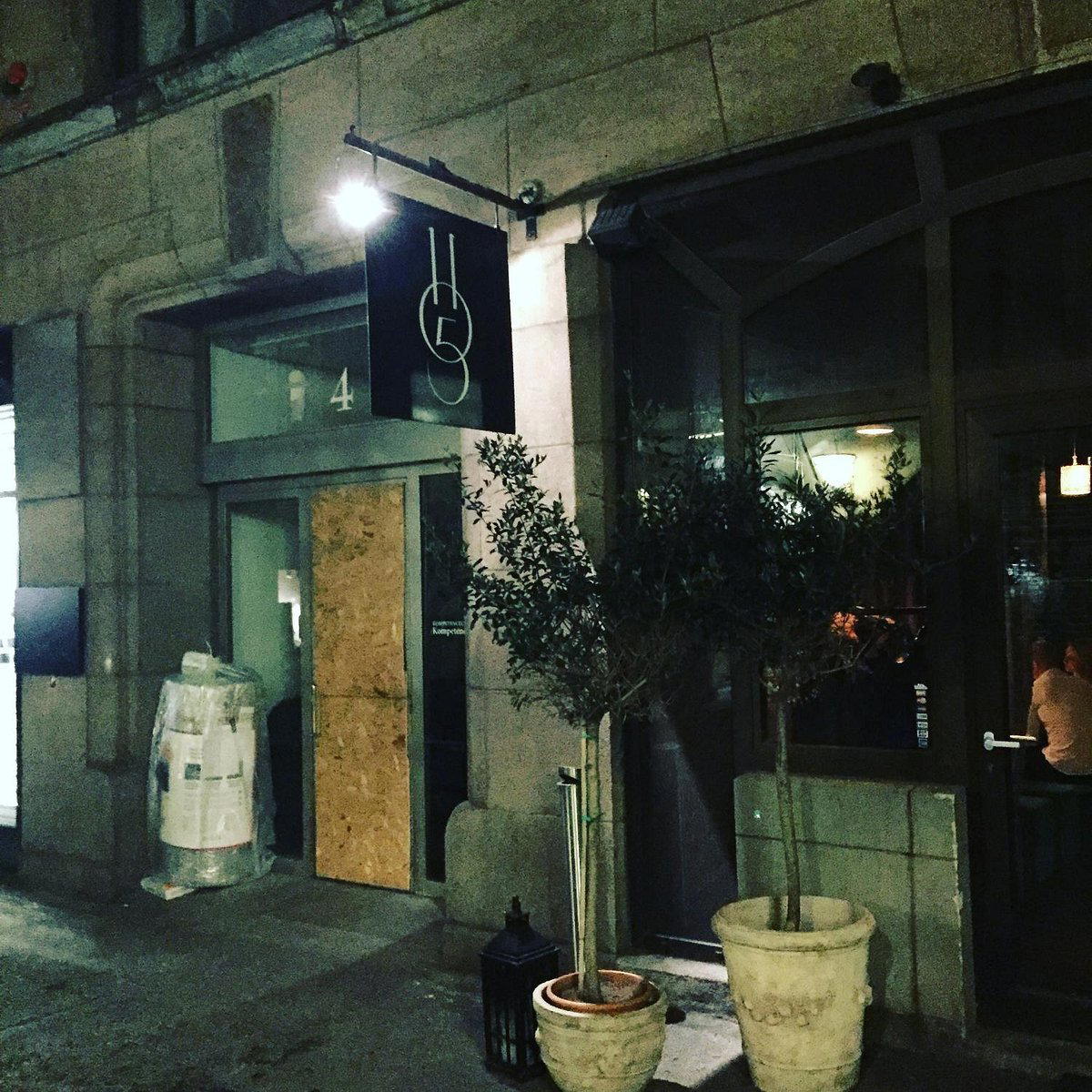
Christianshavn has a specific quality that the rest of Copenhagen lacks: the canal-side streets feel genuinely removed from the city's more performative dining circuits. Strandgade, running parallel to the water, is a working address rather than a destination strip, which means the restaurants that hold ground here tend to do so on repeat custom rather than on tourist flow. Rufino Osteria sits at number 14, and the building carries the neighbourhood's characteristic mix of old warehousing and civic restraint. You arrive without the fanfare that accompanies bookings at Geranium or Alchemist — no staged entrance, no theatrical threshold moment.
That absence of spectacle is not a shortcoming. It is the operating logic of the place. Copenhagen's most decorated addresses — Noma, Geranium, Koan, have made the city a reference point for experiential dining that commands full evenings and significant financial commitment. Rufino operates in a different register, closer to the European osteria tradition where the measure of a room is how well it wears over repeated visits rather than how decisively it impresses on a first.
A Wine List That Drives the Room
The most concrete marker of Rufino Osteria's positioning is its recognition by Star Wine List as a White Star venue, published in October 2023. Star Wine List's White Star designation signals a wine programme with meaningful depth and editorial coherence, not merely a long list, but one assembled with a point of view. In Copenhagen's dining environment, where New Nordic cooking has historically centred Nordic and natural wine selections, an Italian-oriented osteria with a wine programme strong enough to earn independent recognition represents a specific editorial commitment.
The wine-list credential matters here because it explains who the regulars are and what brings them back. In the broader European osteria model, the list is not supplementary to the food, it is the argument. Guests who return to this kind of room repeatedly are often doing so around specific producers, particular vintages, or a relationship with whoever runs the floor. The White Star recognition positions Rufino inside a small cohort of Copenhagen addresses where the wine programme functions as a genuine draw rather than an afterthought.
For context on the wider Danish dining scene, the wine-forward osteria format is relatively underrepresented outside Copenhagen. Addresses like Jordnær in Gentofte, Frederikshøj in Aarhus, and Henne Kirkeby Kro in Henne each operate with distinct culinary identities, but none occupy the same Italian-osteria-with-serious-cellar niche. Alimentum in Aalborg, ARO in Odense, and Domæne in Herning round out the national picture, but Copenhagen remains where this format finds its most concentrated audience.
What Keeps the Regulars Returning
The regulars' relationship with an osteria is different from the relationship a guest has with a tasting-menu restaurant. At Kadeau or Koan, the kitchen drives the experience from start to finish; the guest's role is largely receptive. At an osteria, the negotiation is more lateral, between what the kitchen is producing on a given night, what the cellar holds in the right condition, and what the guest already knows about both. Return visitors accumulate this knowledge and use it.
The unwritten menu at a wine-forward osteria is always the list itself. Regulars develop fluency with the cellar's depth, know when to ask what has just arrived, and understand which sections reward attention on a particular evening. This is a form of repeat-visit intelligence that exists independently of whatever is printed. The White Star recognition at Rufino suggests the list is maintained at a level where that intelligence is worth building.
Copenhagen's dining culture is sophisticated enough to sustain this model. The city supports multiple tiers of serious eating, from the €€€€ creative formats at Noma and Alchemist down through neighbourhood-rooted addresses where the regulars sit in the same seats across seasons. Rufino's Christianshavn address places it in a neighbourhood with that kind of residential density and local loyalty.
Planning Your Visit
Strandgade 14 is reachable from central Copenhagen on foot across the Knippelsbro bridge, or by Metro to Christianshavn station, from which the street is a short walk south along the canal. The address sits outside the immediate tourist orbit of Nyhavn, which gives it a quieter operational pace on most nights. Given the Star Wine List recognition, arriving with a clear interest in the cellar, and communicating that to the floor, is likely to produce a more rewarding experience than treating the wine list as secondary. Walk-ins depend on the night and the room's configuration; for a weekend or a specific bottle from the cellar, a reservation is the sensible approach.
For those building a broader Copenhagen itinerary, our full Copenhagen restaurants guide maps the city's dining tiers in full. If you are also planning accommodation, our Copenhagen hotels guide covers the range from design-led independents to larger international properties. The city's bar scene has its own depth, covered in our Copenhagen bars guide, and for those whose interest extends beyond the city's cellar, our Copenhagen wineries guide and our Copenhagen experiences guide round out the picture. Further afield, Le Bernardin in New York City and Emeril's in New Orleans represent the kind of wine-programme seriousness that travel-focused readers often cross-reference when building a shortlist.
Frequently asked questions
What distinctions does Rufino Osteria have?
Rufino Osteria has received recognition including: Rufino Osteria is a restaurant in Copenhagen, Denmark. It was published on Star Wine List on October 17, 2023 and is a White Star..
Where is Rufino Osteria in Copenhagen?
Rufino Osteria is located at Strandgade 14, 1401 København, Denmark, Copenhagen.
What should I eat at Rufino Osteria?
Rufino Osteria operates on an osteria model, where the wine list is the primary editorial statement rather than a tasting-menu kitchen. The kitchen supports the wine programme rather than competing with it, which means the food is built around Italian osteria traditions — dishes that work with the glass, not around a chef's narrative arc. Star Wine List awarded the venue a White Star in October 2023, which signals the list's depth is the reason to visit, so let the wine selection guide what you order.
Can I walk in to Rufino Osteria?
Rufino Osteria is on Strandgade 14 in Christianshavn, a neighbourhood where foot traffic is lower than in central Copenhagen, so walk-in chances are better here than at comparable wine-focused venues in Indre By or Vesterbro. That said, a White Star recognition from Star Wine List (October 2023) draws a committed regular crowd, and weekend evenings are likely to fill. Booking ahead is the safer approach; arriving without a reservation midweek is a reasonable gamble.
A Tight Comparison
Comparable venues nearby, for context on price, style, and recognition.
| Venue | Cuisine | Price | Awards | Notes |
|---|---|---|---|---|
| Rufino OsteriaThis venue — the venue you are viewing | Traditional Roman Osteria | $50–100 | Star Wine List | Not listed |
| Locale 21 | Italian Bistro | $50–100 | Not listed | Indre By, Italian Bistro |
| Pico Pizza | Modern Sourdough Pizza | $20–30 | Not listed | Vesterbro-Kongens Enghave, Modern Sourdough Pizza |
| Il_mattarello | Authentic Roman Pasta Lab | $20–30 | Not listed | Indre By, Authentic Roman Pasta Lab |
| Masseria | Southern Italian Pasta Trattoria | $50–100 | White Guide Denmark Restaurants - Recommended | Vesterbro-Kongens Enghave, Southern Italian Pasta Trattoria |
| Mangia | Traditional Italian Handmade Pasta | Not listed | Not listed | Indre By, Traditional Italian Handmade Pasta |
Recognition history
Dated appearances from independent guides and award organizations, with the underlying list record or original source where available.
Star Wine List
Star Wine List