Mangia
Our verdict
On a narrow street in Copenhagen's Vesterbro district, Mangia occupies the kind of address that rewards those who pay attention to neighbourhood rhythms rather than headline restaurant lists. The dining room pulls from Italian-inflected traditions without mimicking them, placing the kitchen's output inside a broader Copenhagen conversation about what European cooking looks like when it isn't chasing Nordic credentials.

Pearl is the En Primeur Club membership app — saves, bookings, and concierge access live there. Same editors, same standards.
- Address
- Bagerstræde 9, 1617 København, Denmark
- Phone
- +4531394500
- Hours
- Mon–Thu 5:30 PM–12 AMFri–Sat 5:30 PM–1 AMSun Closed
- Website
- mangia.dk
- Directions
- Get directions
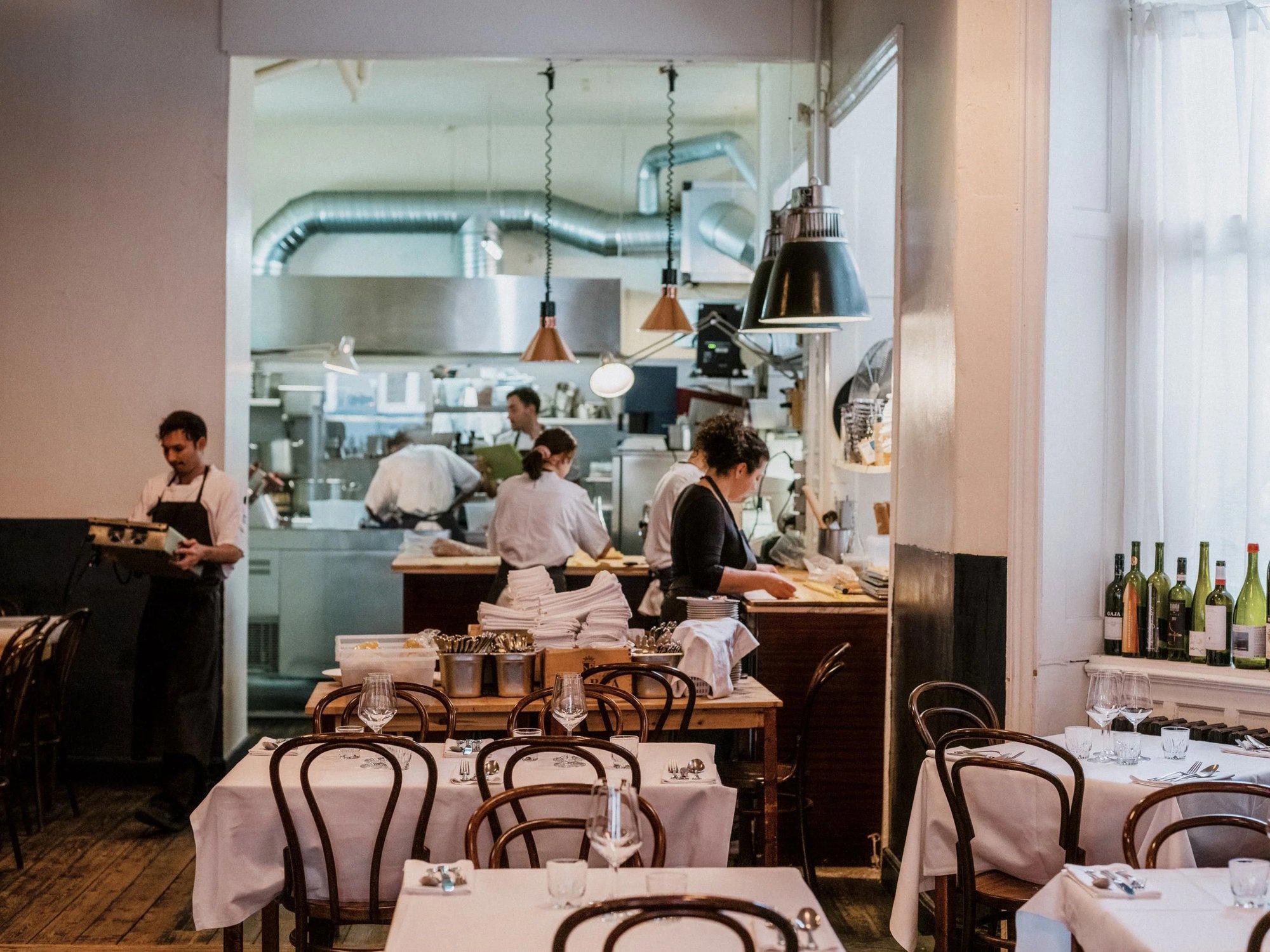
The menu
What to order
- Tortelli with Ricotta and Spinach
- Spaghetti with Duck Ragu
- Grilled Octopus with Salsa Mediterranea
That spatial intimacy shapes everything that follows. Copenhagen's restaurant culture has long understood that small rooms create accountability. When the kitchen, the floor team, and the sommelier all operate within earshot of each other, the gaps in coordination become audible. Mangia's address and scale place it inside this tradition, which is a different competitive conversation from the one happening at larger, more theatrically staged operations across the city.
Copenhagen's Italian Flank
The city's fine dining conversation is frequently framed around its New Nordic output, and for good reason. Geranium and Alchemist has taken the theatrical end of that lineage further into conceptual territory, while Koan has woven Kaiseki discipline into a Nordic framework. Kadeau has made the case for hyper-regional island produce.
Mangia doesn't sit inside that lineage. The name and the address point toward a different register, one where Italian-inflected cooking operates not as nostalgia or pastiche but as a serious culinary position in a city that has earned the right to be selective about what it imports. In Copenhagen, where the restaurant culture has a high collective tolerance for precision and a low tolerance for complacency, a kitchen referencing Italian tradition has to earn that reference through execution rather than decoration.
The Team Dynamic as Structural Argument
In smaller Copenhagen rooms, the relationship between the kitchen and the floor tends to determine pace more directly than it does in larger operations. A well-calibrated front-of-house reads the table's rhythm and communicates that rhythm backward to the kitchen; a sommelier who understands the menu's architecture can extend or compress a meal's register through glass pairings without the kitchen changing a single component. At Mangia's scale, these relationships are load-bearing. The dining experience is substantially a product of how the team moves together rather than any single element in isolation.
This dynamic is worth understanding as a frame for what kind of restaurant Mangia is. It is not a kitchen-led operation in the sense that a tasting-menu counter privileges the chef's sequence above all else. It is a room where the guest's experience emerges from a more distributed collaboration, and where the quality of service and the quality of food are harder to separate than they might be in a format where the kitchen's output arrives largely on its own terms. For guests accustomed to the format structures of Copenhagen's higher-profile addresses, this is a meaningful distinction. Jordnær in Gentofte and Frederikshøj in Aarhus carry serious credentials outside the capital, as do Henne Kirkeby Kro, Alimentum in Aalborg, ARO in Odense, Domæne in Herning, Dragsholm Slot Gourmet, Frederiksminde in Præstø, LYST in Vejle, and MOTA in Nykøbing Sjælland. Within Copenhagen itself, the density of serious kitchens means that a restaurant operating without the institutional recognition of those headline addresses has to find its competitive position on other terms.
For Mangia, that position is neighbourhood-level and format-level rather than prestige-tier. That is a different business logic from the one operating at Geranium or Alchemist, and it produces a different kind of restaurant, one calibrated for frequency and familiarity as much as occasion.
The Reference Points Worth Knowing
For international visitors building a Copenhagen itinerary around serious food, Mangia occupies a useful position as a counterpoint to the city's more architecturally staged addresses. Where rooms like those at Koan or Kadeau are explicitly designed to deliver a composed, single-sitting experience, Mangia's format allows for a more flexible engagement with the evening. That flexibility has international analogues: the kind of considered, ingredient-led Italian cooking that has made rooms like Le Bernardin in New York City and Atomix in New York City useful reference points for thinking about precision without theatricality.
Copenhagen rewards the kind of traveller who reads a city's restaurant culture laterally rather than vertically. The headline addresses are worth visiting on their own terms, and our full Copenhagen restaurants guide maps the full range of options across format, price, and neighbourhood. But the rooms that define a city's eating culture at the neighbourhood level often tell you more about how the city actually lives than the tasting-menu operations that travel journalists tend to prioritise. Given the venue's scale, reservations are the sensible approach rather than the hopeful walk-in, particularly during Copenhagen's peak autumn season when the city's restaurants compress their leading ingredients into a narrow harvest window and bookings across the board tighten. The autumn months, roughly September through November, represent the period when Copenhagen kitchens are at their most ingredient-driven, and when the contrast between a neighbourhood address like Mangia and the city's larger operations is most sharply drawn.
Frequently asked questions
at Mangia?
Specific dish recommendations require current menu data that falls outside what can be confirmed at time of writing. As a general principle at Italian-inflected Copenhagen restaurants, the pasta and the daily fish options tend to reflect the kitchen's sourcing priorities most directly. Any room operating at this neighbourhood scale in Copenhagen is likely to rotate its menu around seasonal availability rather than fixed signatures, so the floor team's current recommendations carry more weight than any published dish list.
How hard is it to get a table at Mangia?
Availability at Mangia is likely to follow the pattern typical of small-format Copenhagen restaurants: manageable outside peak periods, tighter during the autumn dining season and around major events in the city's cultural calendar. Copenhagen's restaurant culture as a whole has seen demand for serious neighbourhood rooms increase as the city's profile has grown, and addresses in the 1617 postcode benefit from both local repeat custom and visitor interest. A reservation made a week or two in advance should cover most timing windows outside peak autumn, when lead times across the city extend.
What's the defining dish or idea at Mangia?
The defining idea at Mangia, based on its position within Copenhagen's dining culture, is the proposition that Italian-inflected cooking can operate as a serious culinary argument rather than a comfort default in a city built on Nordic ingredient hierarchies. The kitchen's output is most usefully understood in that context: not as a departure from Copenhagen's food culture but as a specific position within it, where the reference points are Mediterranean rather than Scandinavian and where execution is the evidence rather than concept.
Same-City Peers
Comparable venues nearby, for context on price, style, and recognition.
| Venue | Cuisine | Price | Notes |
|---|---|---|---|
| MangiaThis venue — the venue you are viewing | Traditional Italian Handmade Pasta | Not listed | Not listed |
| Il gusto giusto | Italian Pizza and Pasta | $20–30 | Østerbro |
| Pico Pizza | Modern Sourdough Pizza | $20–30 | Vesterbro-Kongens Enghave |
| Osteria 16 | Authentic Italian Antipasti | Not listed | Vesterbro-Kongens Enghave |
| Spaghetteria La Perla | Authentic Italian Pasta and Pizza | $50–100 | Indre By |
| Restaurant UVA | Modern Italian | $50–100 | Indre By |
Continue exploring
More in Copenhagen
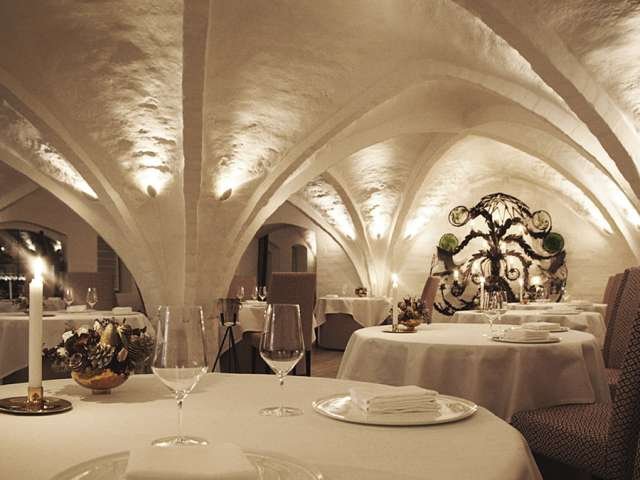
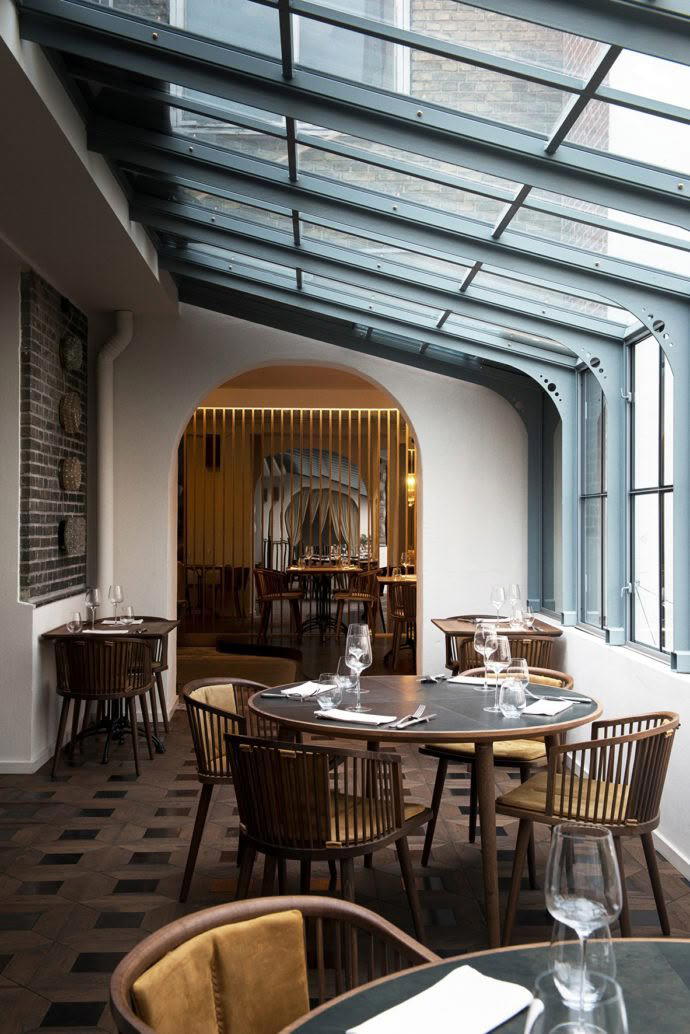
Restaurants in Copenhagen
Browse all →
Bars in Copenhagen
Browse all →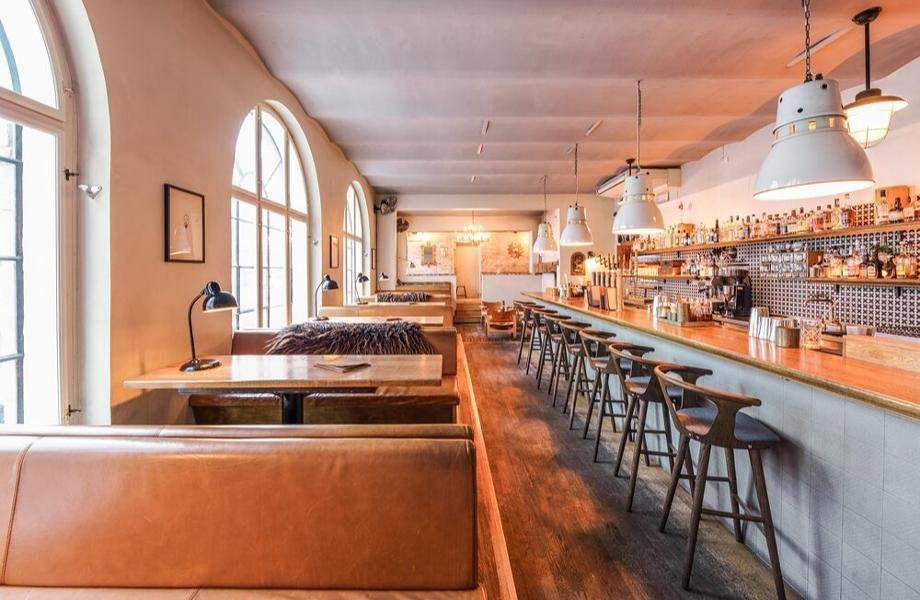
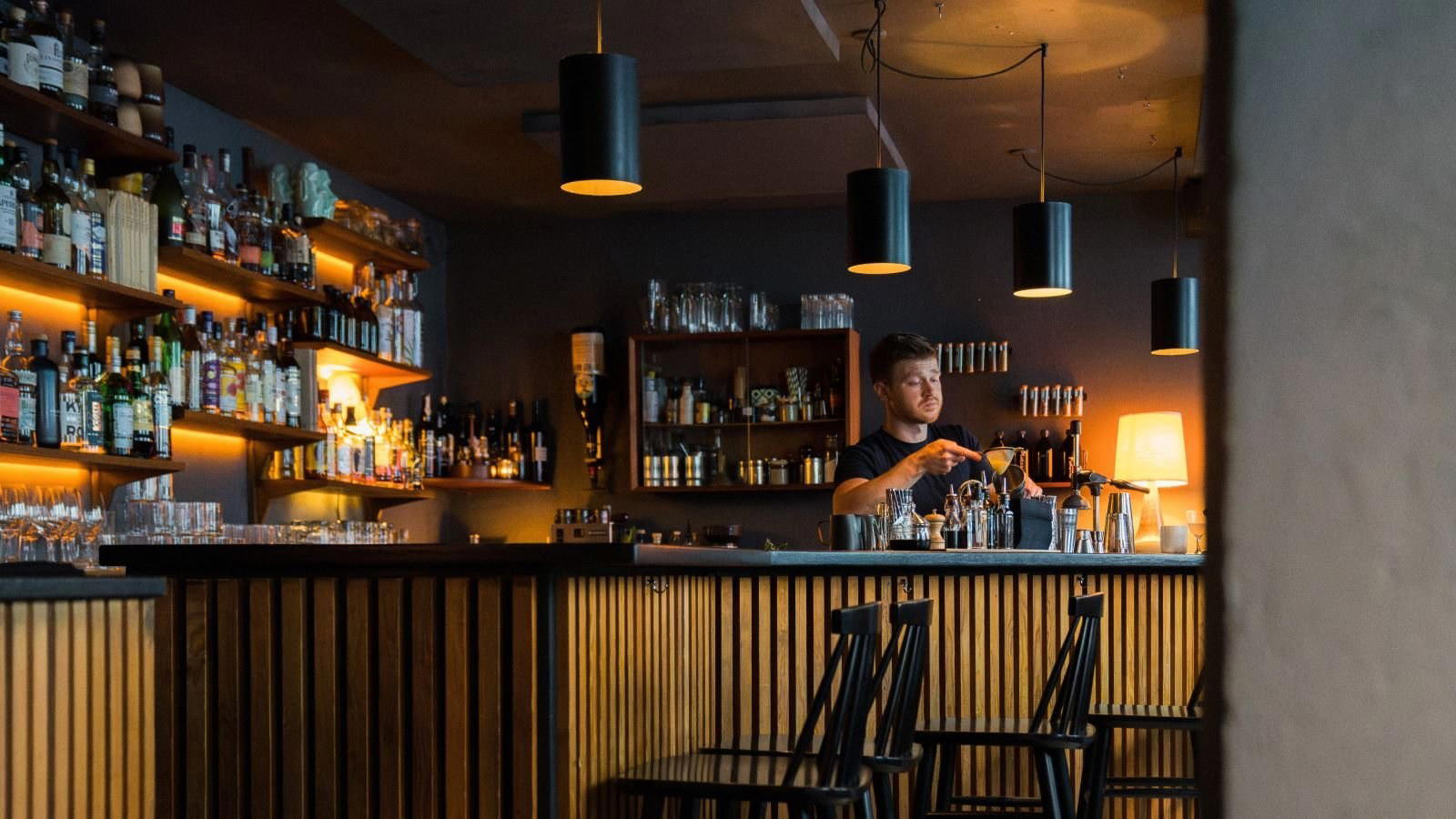
Hotels in Copenhagen
Browse all →

Details
- Cozy
- Rustic
- Intimate
- Date Night
- Casual Hangout
- Open Kitchen
- Extensive Wine List
- A La Carte
- Italian Wine
- Vegetarian Friendly
Current opening hours
- Monday
- 5:30 PM–12 AM
- Tuesday
- 5:30 PM–12 AM
- Wednesday
- 5:30 PM–12 AM
- Thursday
- 5:30 PM–12 AM
- Friday
- 5:30 PM–1 AM
- Saturday
- 5:30 PM–1 AM
- Sunday
- Closed
Hours can change for holidays and private events. Last verified .
Informal but cozy ambiance modeled on an Italian rural kitchen with simple decor, dim lighting, and a welcoming atmosphere where guests create the vibe.