Our verdict
Rucula sits steps from Cusco's Plaza de Armas on Calle Triunfo, occupying a position that places it at the geographic and symbolic centre of the city's Peruvian dining circuit. The address alone signals intent: this is a restaurant that invites comparison with its highest-profile neighbours, operating in a part of the city where altitude, colonial architecture, and serious cooking converge around one of South America's most visited public squares.

Pearl is the En Primeur Club membership app, where members save venues, book tables and use the concierge.
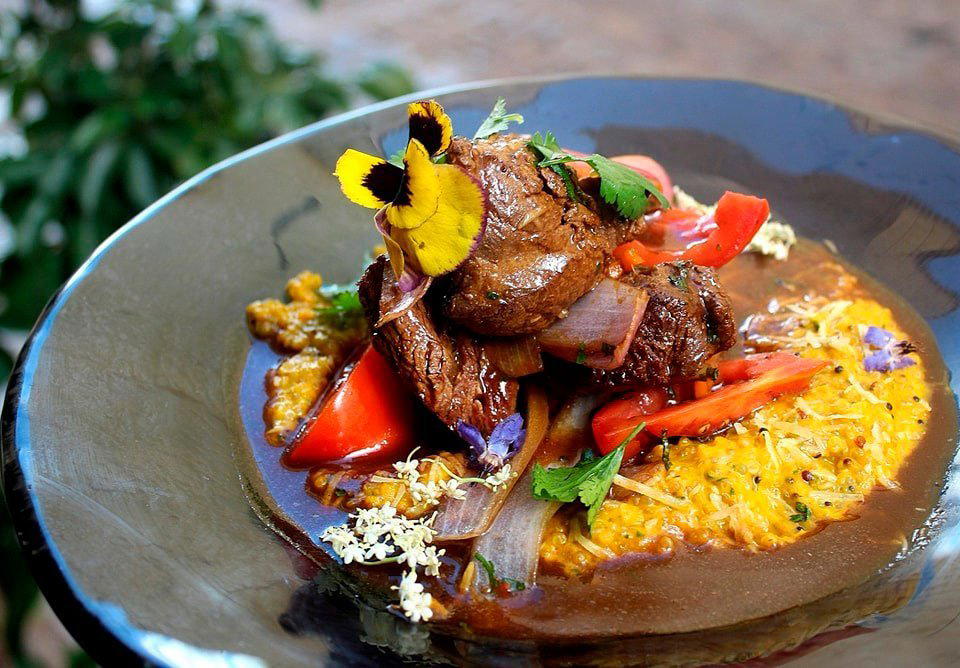
The menu
What to order
- Quinotto
- Alpaca steak
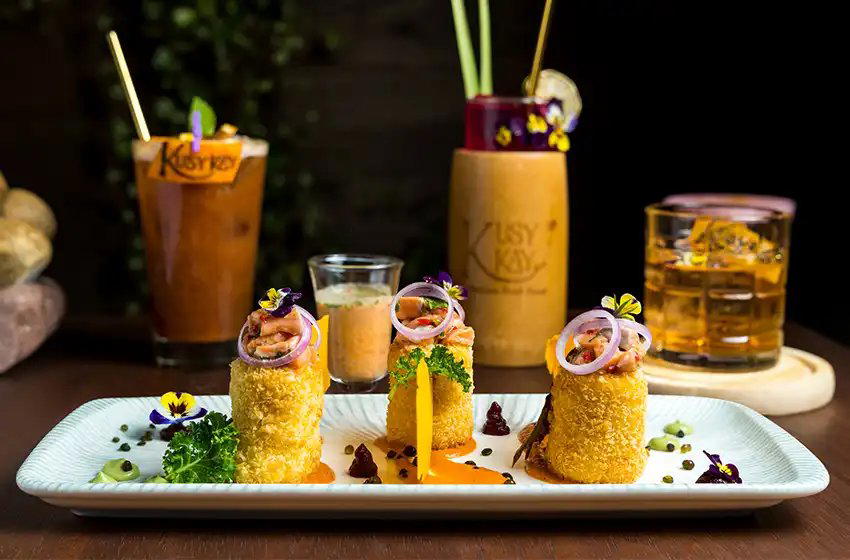
- Trout ceviche
- Lucuma cake
The Address as Argument
In Cusco, where you eat is as much a statement as what you eat. The restaurants that cluster around the Plaza de Armas and along Calle Triunfo occupy some of the most coveted real estate in Andean dining, and the foot traffic they receive is correspondingly international. Rucula Peruvian Restaurant sits at Calle Triunfo 393, inside the Casa de las Arpías, a colonial-era building a few steps above the junction with Palacio. That physical position places it within the tightest competitive tier in the city: a block where diners arrive from altitude-adjustment walks around the square, often undecided between half a dozen options, and where a restaurant has to do more than exist to hold attention.
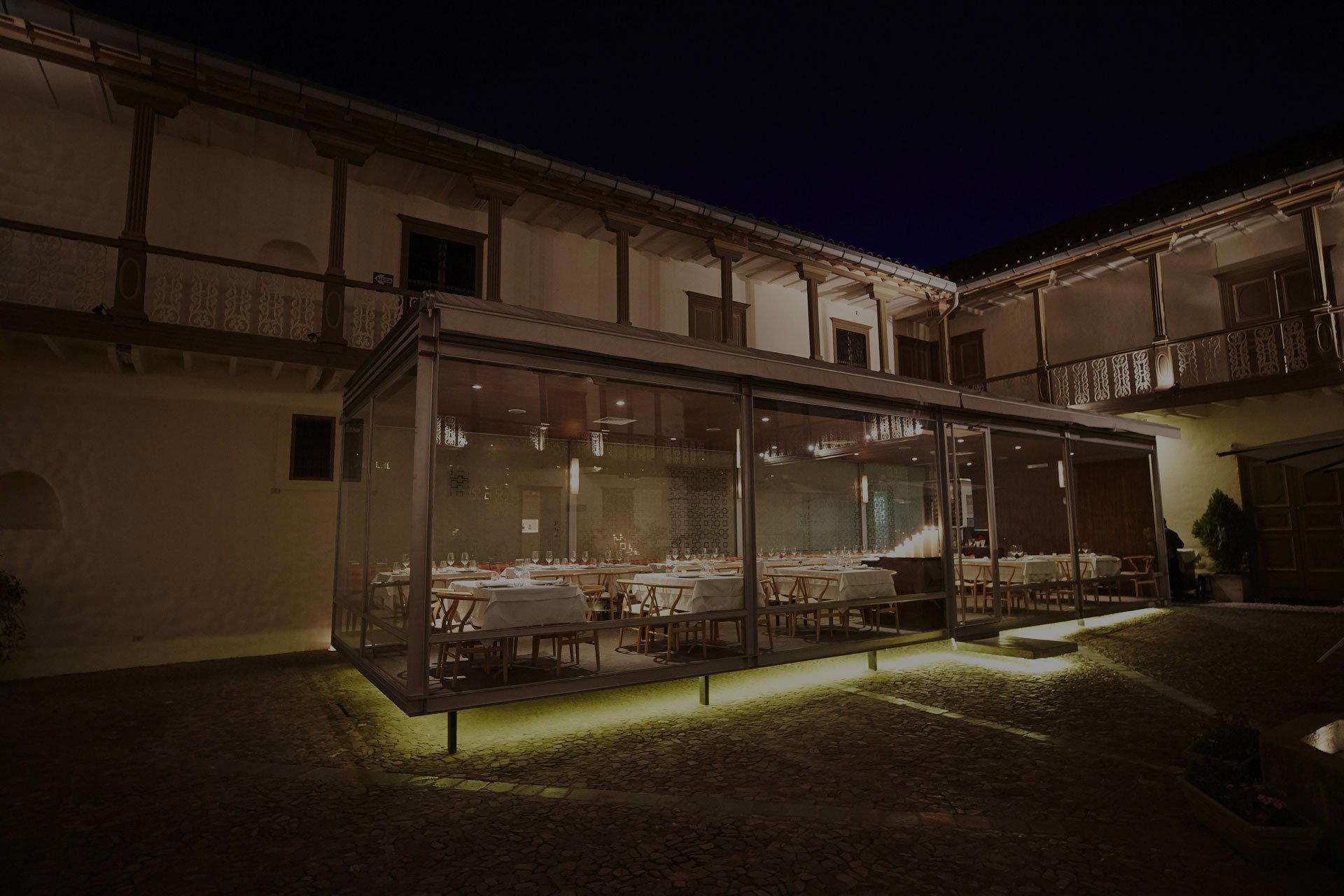
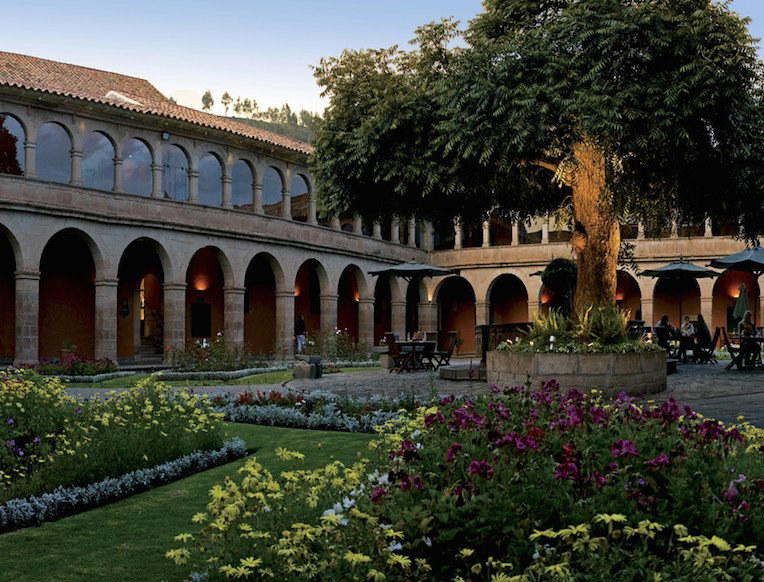
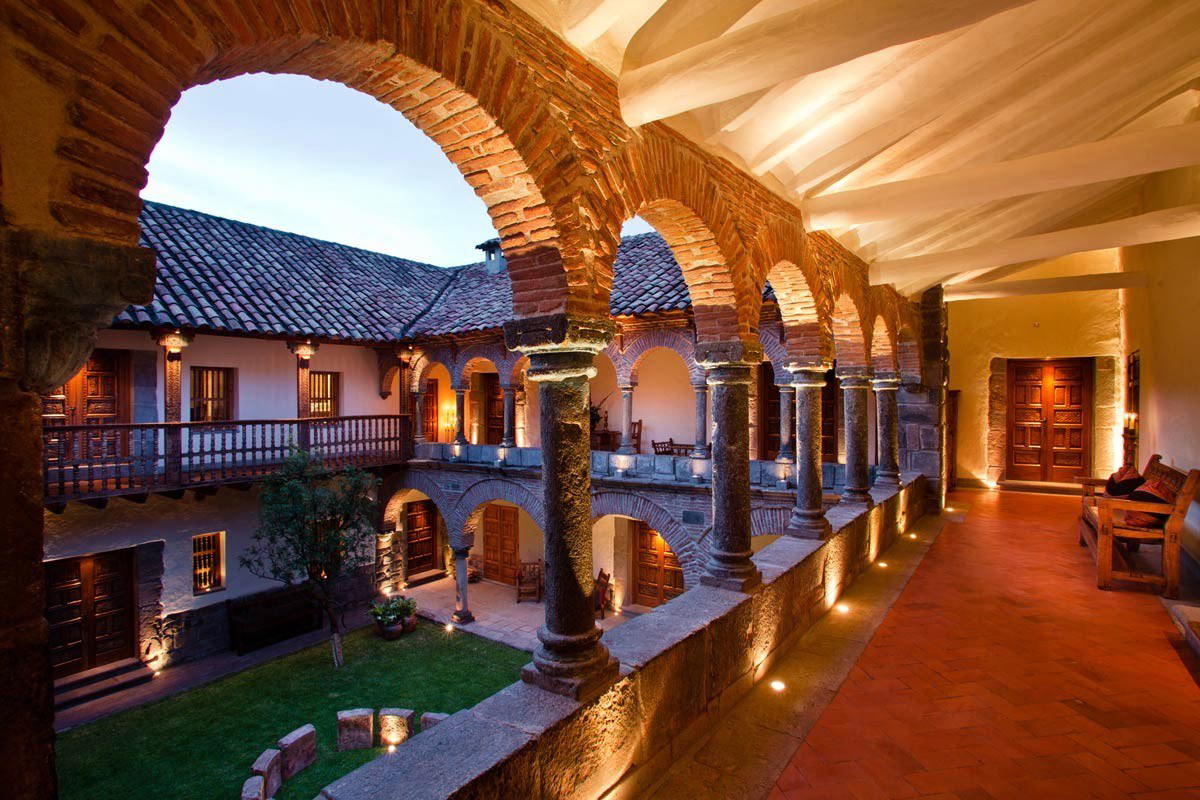
The building itself does part of the work. Colonial Cusco architecture, with its thick stone walls, carved wooden balconies, and internal courtyards inherited from centuries of Andean and Spanish layering, provides a frame that no purpose-built dining room in the city can replicate. Restaurants in this zone benefit from that inherited gravity, and they trade on it; the question is always what they put inside it. For context on how Cusco's dining scene has developed around this square and its immediate streets, our full Cuzco restaurants guide maps the competitive field in detail.
What Peruvian Cooking Looks Like at This Altitude
Peru's restaurant identity has become one of the most discussed in the world over the past two decades, driven partly by the global profile of Lima-based projects like Central Restaurante in Lima and the Andean research work being done at Mil Centro in Moray, just outside Cusco. That broader movement has created expectations: diners arriving in Cusco in 2024 often carry some awareness of altitude-specific ingredients, native potato varieties, Andean grain preparations, and the ceviche and tiradito traditions that define coastal Peruvian cooking. Restaurants positioned as Peruvian in Cusco field all of those expectations at once, regardless of where on the tradition-to-innovation spectrum they sit.
The restaurants that manage this most effectively in the city tend to do one of two things: they anchor themselves in a specific regional tradition (Andean comfort, highland stews, chicha-braised preparations), or they frame the menu as a synthesis of Peru's geographic range, pulling from coast, sierra, and jungle simultaneously. Chicha Cusco has long represented the more regionally grounded approach, while Intillay Peruvian Fusion Food and Campo Cocina Andina work the synthesis angle from different angles. Understanding which direction a restaurant leans is the first piece of intelligence a diner needs before booking.
Booking and Planning: What to Know Before You Go
Cusco's Plaza de Armas restaurants operate in an environment shaped by the rhythms of international tourism rather than local dining habits. Peak season in the Sacred Valley region runs from May through October, when dry-season weather and Inti Raymi festival traffic drive visitor numbers to their annual highs. During those months, the most sought-after tables in the square's immediate vicinity book faster, and walk-in success rates drop, particularly for dinner. Any diner planning to eat along Calle Triunfo during high season should treat advance contact as a baseline step rather than an optional one.
The address (Calle Triunfo 393 con Palacio, Cusco 08002) is verifiable, and the location within the Casa de las Arpías provides a useful landmark for navigation from the Plaza de Armas: the building is a short uphill walk from the square's northeast corner. For comparison, LIMO Cocina Peruana and Pisco Bar in Cusco and Hanz Gastronomique both operate in adjacent tiers of the market and may offer useful calibration points when booking the broader Cusco leg of a Peru itinerary.
Altitude is a practical variable that affects dining in Cusco more directly than in most cities. The city sits at approximately 3,400 metres above sea level, and first-day dining often benefits from lighter ordering. Restaurants across the Plaza de Armas zone are accustomed to this; pisco sour service, coca tea, and smaller first courses are common tactical responses from experienced local kitchens.
Placing Rucula in the City's Competitive Field
Cusco's restaurant market has stratified over the past decade. At one end sit the large-format tourist operations that absorb hundreds of covers per night and calibrate menus accordingly. At the other end are the more considered projects: smaller rooms, more deliberate sourcing, and menus that reflect a genuine engagement with Andean ingredients rather than a greatest-hits assembly. Casa Cusqueña represents one version of the mid-tier with local character; Hanz Gastronomique operates closer to the fine-dining end of the local spectrum.
Rucula's Plaza de Armas address situates it in the highest-visibility zone of that market, where the pressure to perform across both quality and volume is greatest. The restaurants that do this well in Cusco typically rely on a combination of consistent kitchen output, staff capable of handling multi-language service, and menus with enough range to accommodate the dietary variation that international visitor groups carry. How Rucula balances those pressures is leading assessed through direct experience, given the current limits of confirmed data.
For those building a broader Peru dining itinerary before or after Cusco, Insumo Rooftop in Miraflores, La Nueva Palomino in Yanahuara District, and Inti House in Aguas Calientes provide reference points across different price tiers and regional cooking traditions. Further afield, Mapacho Craft Beer Restaurant in Urubamba and El Rey in Oxapampa show the range of Peru's provincial dining scene beyond the Sacred Valley corridor. For those extending beyond Peru entirely, properties like Le Bernardin in New York City and Atomix in New York City represent how Peruvian-influenced ingredient thinking and tasting-menu format disciplines have registered internationally. Bistrot Bastille in Ica District and Marañón Province in Maranon round out the inland Peru picture.
Frequently asked questions
Where is Rucula Peruvian Restaurant located?
Rucula Peruvian Restaurant is located at casa de Las Arpias, plaza de armas, Calle Triunfo 393 con palacio, pasos arriba de la, Cusco 08002, Peru, Cuzco.
Where exactly is Rucula Peruvian Restaurant located in Cusco, and is the location easy to find?
Rucula is located at Calle Triunfo 393, inside the Casa de Las Arpias, a few steps above the junction with Palacio and directly adjacent to the Plaza de Armas, one of Cusco's most navigable central points. The address places it within walking distance of major landmarks including the Cathedral and Qorikancha. Anyone already oriented around the Plaza de Armas will find the location straightforward to reach on foot.
What do people recommend at Rucula Peruvian Restaurant?
Rucula draws visitors specifically for its Peruvian cooking in a setting directly on Calle Triunfo, steps from the Plaza de Armas. Dishes consistent with Peruvian culinary tradition at this altitude typically include ceviche, lomo saltado, and preparations built around Andean produce. Specific menu recommendations are best confirmed at the venue directly, as the kitchen adapts to seasonal and regional availability.
Is Rucula Peruvian Restaurant reservation-only?
Rucula sits on the Plaza de Armas in Cusco, an address that sees significant tourist traffic, particularly between June and September when the city peaks. During high season, walk-in availability at restaurants in this zone tightens considerably. Contacting the venue in advance is advisable, especially for groups or weekend evenings.
What has Rucula Peruvian Restaurant built its reputation on?
Rucula's positioning on Calle Triunfo, inside the Casa de Las Arpias just above the Plaza de Armas, places it at one of Cusco's most historically significant intersections. Its reputation rests on delivering Peruvian cuisine within that context, drawing both international visitors and travellers seeking a grounded alternative to the city's larger tourist-facing operations.
Is Rucula Peruvian Restaurant good for vegetarians?
Peruvian cuisine as practiced in Cusco incorporates a wide range of Andean vegetables, grains such as quinoa and kiwicha, and potato varieties that number in the hundreds across the region, which typically gives vegetarians meaningful options. Whether Rucula maintains dedicated vegetarian dishes or can adapt dishes on request is best confirmed directly with the restaurant before visiting.
Is Rucula Peruvian Restaurant worth the price?
Without publicly listed pricing, a direct comparison to peer venues on Calle Triunfo is not possible here. What the address does provide is context: restaurants in this immediate zone around the Plaza de Armas in Cusco generally price above the city average, reflecting location rather than always reflecting kitchen ambition. Checking current menu pricing on arrival or via direct inquiry will give the clearest picture.
Comparable Spots, Quickly
Comparable venues nearby, for context on price, style, and recognition.
| Venue | Cuisine | Price | Notes |
|---|---|---|---|
| Rucula Peruvian RestaurantThis venue (the venue you are viewing) | Modern Peruvian | $20–30 | Not listed |
| Yaku Restaurant | Modern Peruvian Fusion | $20–30 | Centro Histórico |
| KUSHKA Restaurant | Modern Peruvian | $10–20 | Plaza Regocijo |
| Casa Cusqueña | Modern Peruvian | $20–30 | Plaza de Armas |
| Organika Restaurant | Organic Peruvian Farm-to-Table | $20–30 | San Blas |
| Intillay Peruvian Fusion Food | Peruvian Fusion | $20–30 | San Blas |
Continue exploring
More in Cusco
Restaurants in Cusco
All restaurants in Cusco →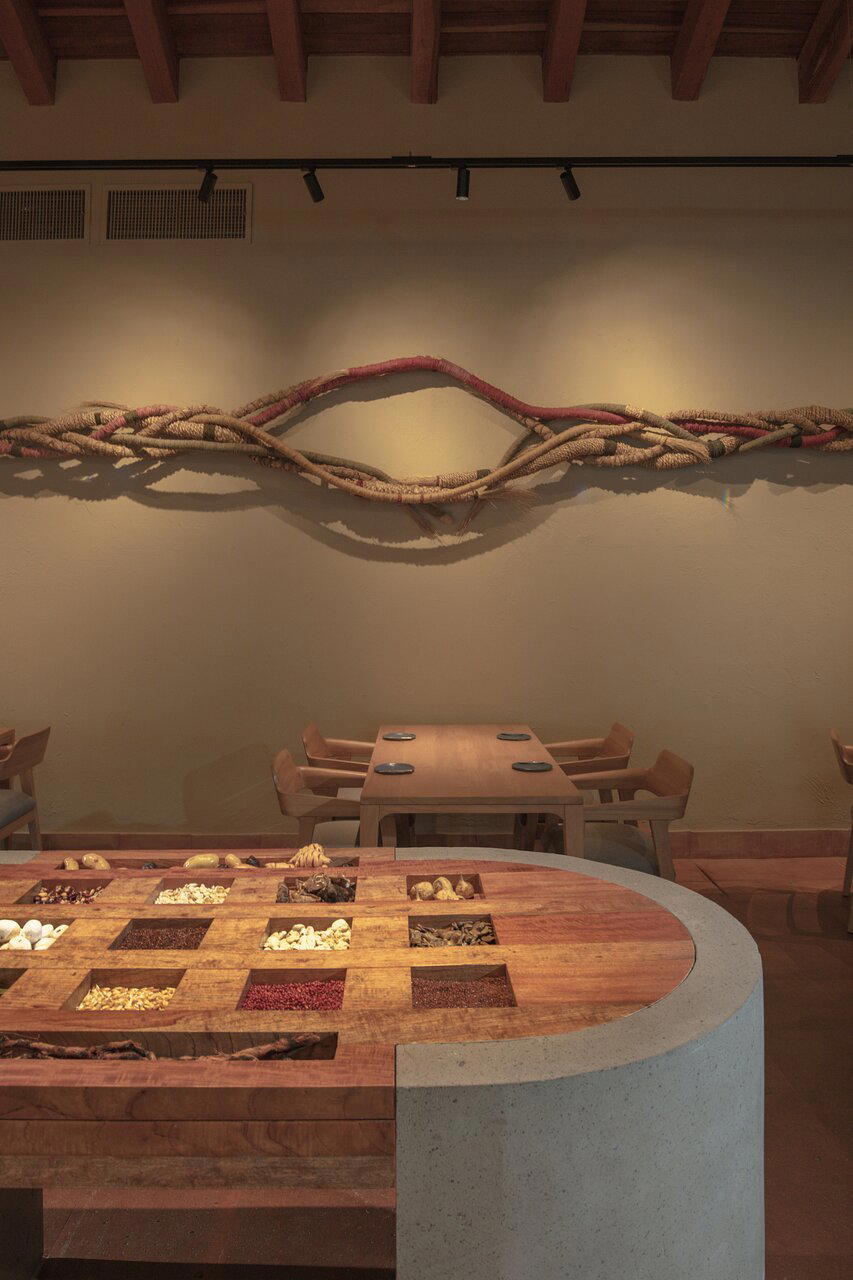
Bars in Cusco
Browse all →
Details
- Elegant
- Cozy
- Modern
- Intimate
- Date Night
- Special Occasion
- Group Dining
- Open Kitchen
- Local Sourcing
- Organic
- Street Scene
- A La Carte
- Family Style
- Vegetarian Friendly
- Vegan Options
- Gluten Free Options
Current opening hours
- Monday
- 11 AM–10:30 PM
- Tuesday
- 11 AM–10:30 PM
- Wednesday
- 11 AM–10:30 PM
- Thursday
- 11 AM–10:30 PM
- Friday
- 11 AM–10:30 PM
- Saturday
- 11 AM–10:30 PM
- Sunday
- 11 AM–10:30 PM
Hours can change for holidays and private events. Hours as of .
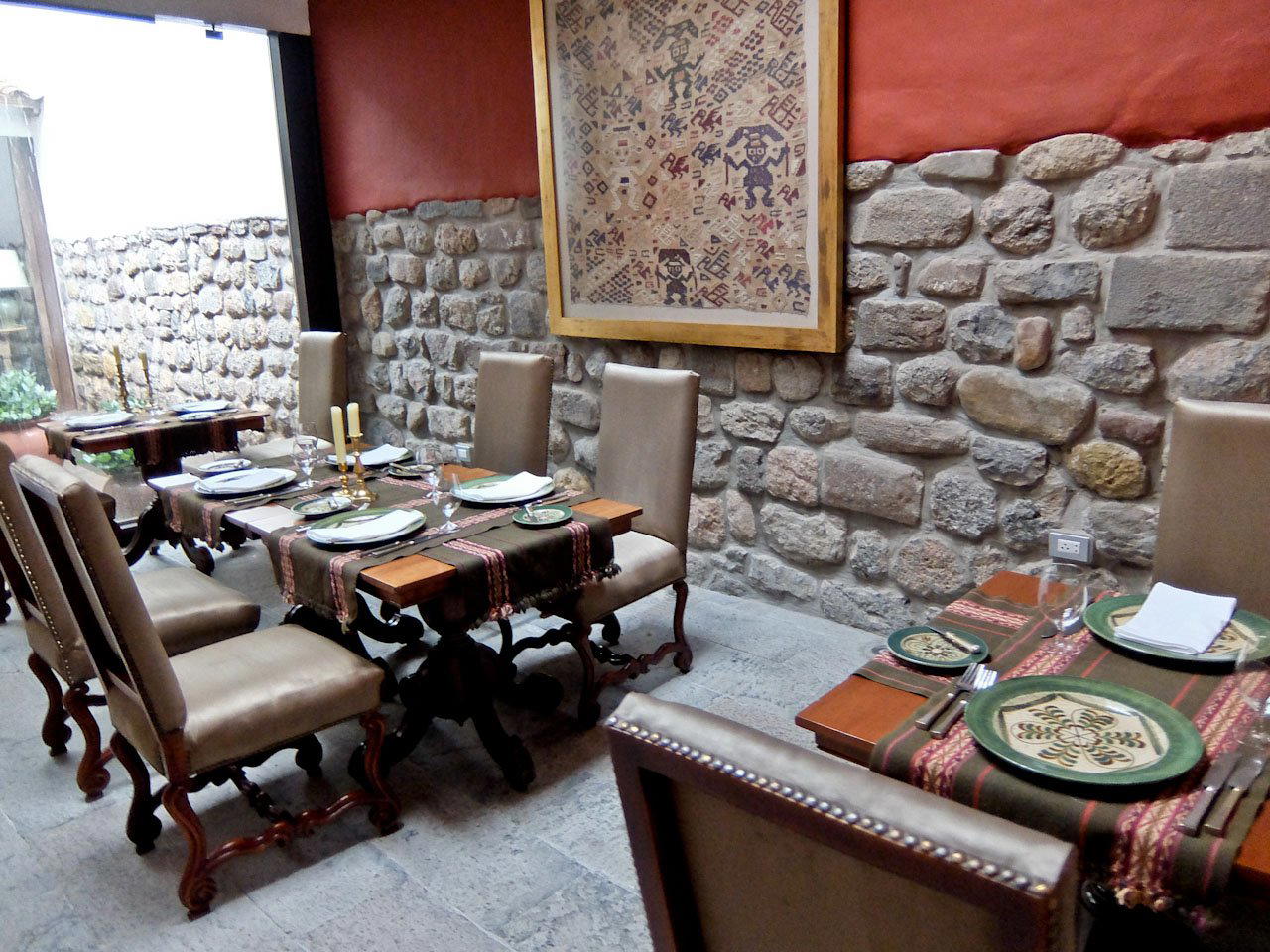
Elegant decor blending modern design with traditional Peruvian touches, warm and inviting atmosphere with regional music.