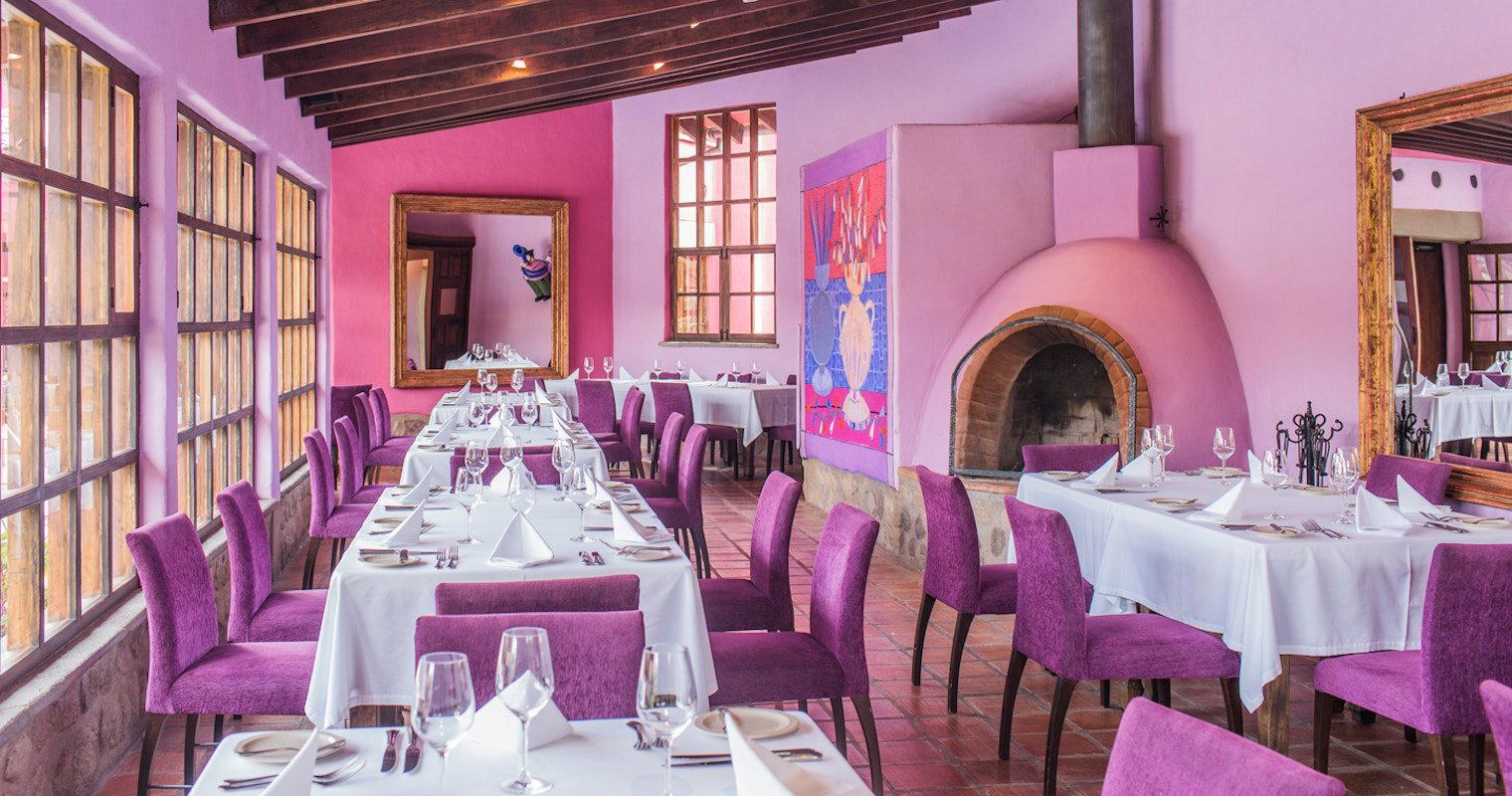
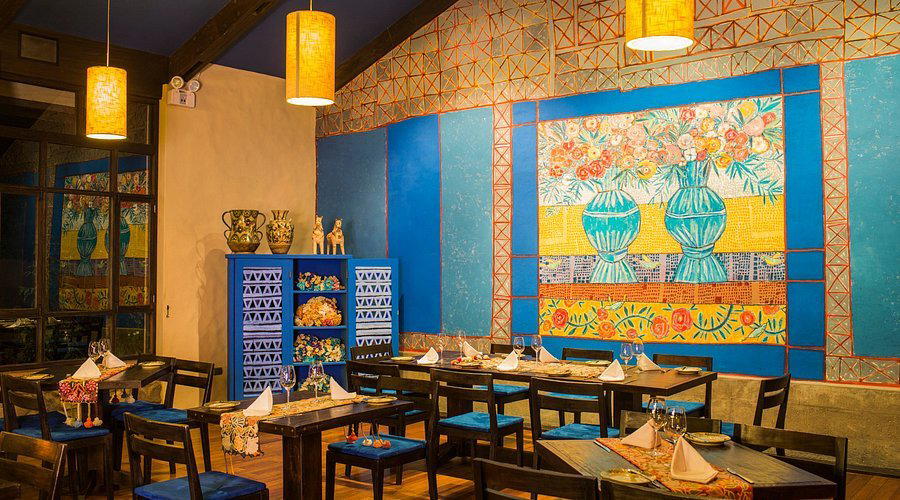
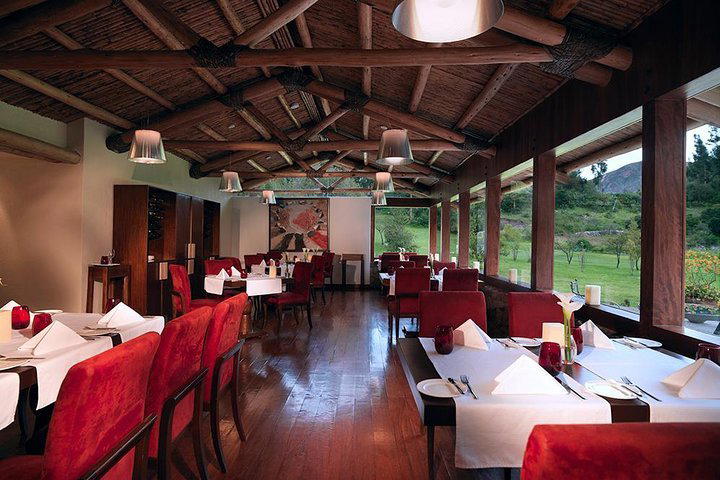
Set along Calle Rocafuerte in the town of Urubamba, Roca Fuerte - Sacred Valley Hotel occupies a position at the quieter, more locally rooted end of the Sacred Valley accommodation spectrum. The address places guests within walking distance of Urubamba's central market and plaza, offering a different entry point to the valley than the large resort properties further along the valley floor. For travellers prioritising proximity to daily Andean life over resort-scale amenities, the location carries its own logic.
Pearl is the En Primeur Club membership app — saves, bookings, and concierge access live there. Same editors, same standards.
- Address
- Rocafuerte 245, Urubamba 08660, Peru
- Phone
- +51 984 651 578
- Website
- facebook.com
- Directions
- Get directions
 Saves & bookings on Pearl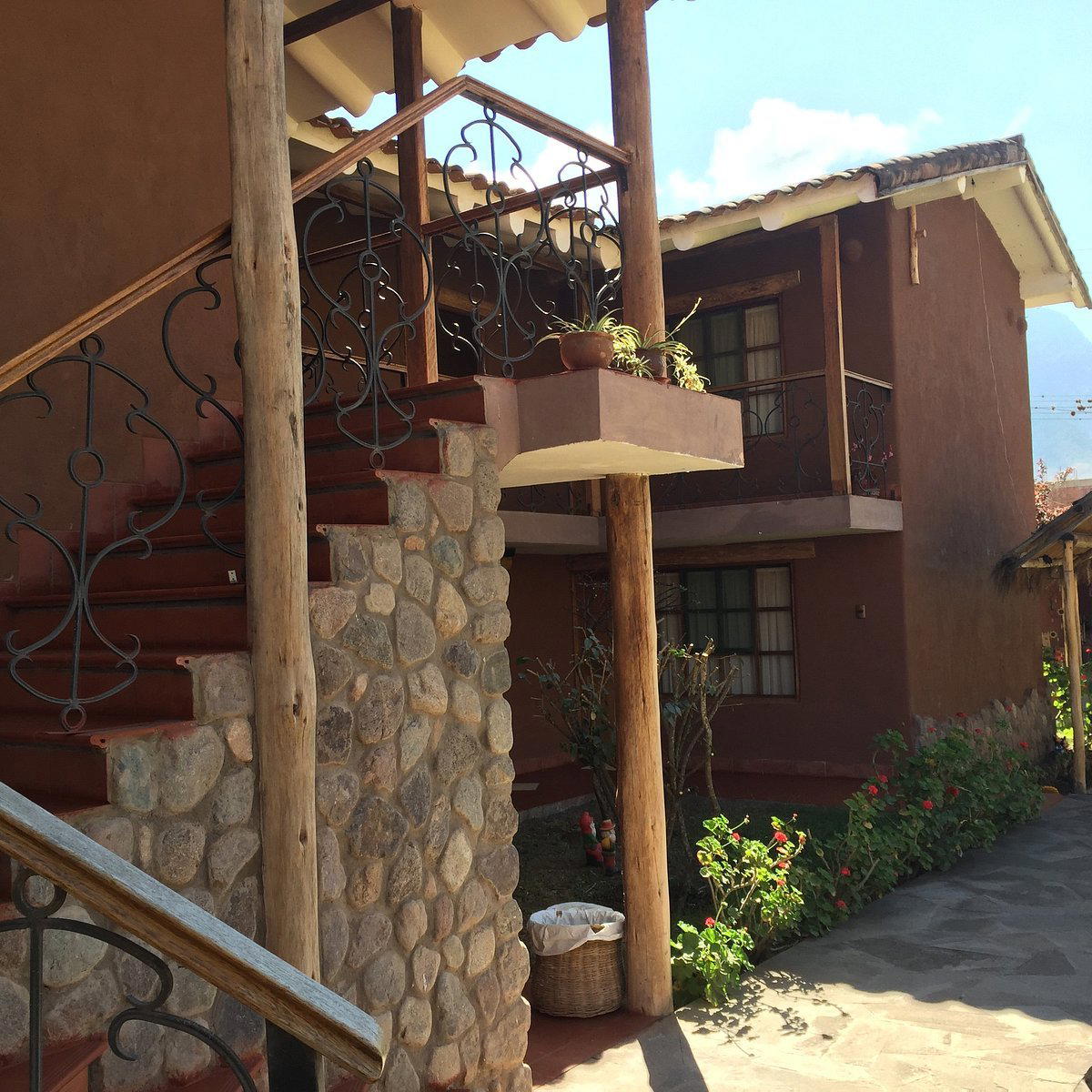
A Street Address With History Behind It
The Sacred Valley of the Incas runs roughly 60 kilometres northwest of Cusco, tracing the Urubamba River through an agricultural corridor that sustained the Inca empire and continues to anchor Quechua-speaking communities today. Within this valley, Urubamba town functions as the commercial and logistical hub: a place where local markets, transport connections, and centuries-old street grids coexist with an increasingly visible hospitality infrastructure. Roca Fuerte - Sacred Valley Hotel is a hotel at Rocafuerte 245 in Urubamba, Peru.
That distinction matters. Properties like Sol y Luna, Explora Valle Sagrado, and Rio Sagrado, A Belmond Hotel have positioned the Sacred Valley as a destination for enclave-style luxury, where the surrounding landscape is something viewed from a terrace rather than walked through at ground level. Roca Fuerte's urban address inverts that logic: the market, the plaza, and the daily rhythms of a provincial Andean town are not a backdrop but a context the property shares with its surroundings.
The Sacred Valley's Accommodation Spectrum
Understanding where Roca Fuerte sits requires mapping the broader category. The valley's accommodation options have stratified over time into several distinct tiers. At the leading end, internationally affiliated properties such as Inkaterra Hacienda Urubamba and the Belmond-operated Rio Sagrado draw on brand infrastructure, extensive grounds, and curated programming to justify rates that compete with Lima's leading hotels. A mid-tier of locally owned boutique properties, including Aranwa Sacred Valley Hotel & Wellness and Willka T'ika Essential Wellness, positions around wellness, Andean cultural programming, or garden settings. Roca Fuerte occupies a more grounded position within the local accommodation fabric, on a named street in a working town rather than on a landscaped private estate.
For travellers who have already stayed in the valley's resort tier, or who find the enclave model less interesting than direct neighbourhood access, the contrast carries genuine appeal. A hotel on Calle Rocafuerte is a different proposition from one accessed by a private driveway. That is neither a criticism nor a recommendation in isolation: it is a description of category.
Urubamba as a Base
The case for basing in Urubamba town, rather than at a resort property further along the valley, rests on access and orientation. The town's Sunday market at Chinchero, the Pisac market on Tuesdays and Thursdays, and the main Urubamba market are all practical from a central address. The valley's Inca archaeological sites, including Moray, Maras, Ollantaytambo, and Pisac, are distributed across the valley floor and adjacent slopes, all reachable within 15 to 45 minutes by road. Urubamba also sits at approximately 2,800 metres elevation, which is lower than Cusco's 3,400 metres and is frequently recommended by travel health advisors as a gentler acclimatisation base for visitors arriving from sea level before ascending to Machu Picchu or Cusco.
The train to Aguas Calientes, the departure point for Machu Picchu, runs from Ollantaytambo station, roughly 20 minutes from Urubamba by road. This routing makes the Sacred Valley a logical staging point for the classic southern Peru itinerary: fly into Cusco, acclimatise in the valley, then proceed to Machu Picchu before returning to Cusco for onward connections. Travellers continuing through Peru's broader circuit might pair this with properties in other regions, from Titilaka in Puno on Lake Titicaca to Delfin Amazon Cruises in Iquitos or Hotel Paracas on the southern coast.
The Street and Its Name
Calle Rocafuerte carries a name common across South American towns of Spanish colonial origin: Vicente Rocafuerte was a 19th-century Ecuadorian statesman whose name was distributed liberally across the region's street grids during the independence era. The naming convention itself speaks to the layered historical identity of Andean towns, where Inca agricultural terracing, Spanish colonial street plans, and 19th-century republican commemorations all occupy the same geography. Walking this street means moving through accumulated historical strata that no amount of resort architecture can replicate.
In a broader hemispheric comparison, this kind of historically layered urban address finds parallels in properties like Palacio Nazarenas in Cusco, which occupies a former convent on a colonial plaza, or Aman Venice, housed in a 16th-century palazzo. The specificity of address, when a property genuinely inhabits a named street in a functioning city rather than occupying a private compound outside one, is a form of historical credential that some travellers weight heavily.
Planning a Stay
The Sacred Valley experiences two distinct seasons. The dry season runs from May through October, with cooler nights and clear skies that make the valley's agricultural terracing and mountain backdrop most legible. The wet season from November through April brings daily afternoon rain, greener hillsides, and notably fewer visitors at the major archaeological sites. For travellers sensitive to crowd levels at places like Pisac or Ollantaytambo, the shoulder months of April and November offer reasonable weather alongside reduced tourist volume. Booking accommodation in the valley during the dry season peak, particularly June through August, requires planning several months ahead across all price tiers, as overall capacity in the valley is constrained by the terrain.
Specific amenities are not detailed in the record, and nearby alternatives such as Sumaq Machu Picchu Hotel further along the route, are worth confirming in advance. For those building a broader Peru itinerary, properties elsewhere in the country, from Refugio Amazonas Lodge in Puerto Maldonado to Hotel Kuelap in Utcubamba, offer a sense of how the local accommodation market is structured at different points in the country.
Comparable Spots
Comparable venues nearby, for context on price, style, and recognition.
| Venue | Cuisine | Price | Notes |
|---|---|---|---|
| Roca Fuerte - Sacred Valley HotelThis venue — the venue you are viewing | Sacred Valley boutique | $$$ | Not listed |
| Willka T'ika Essential Wellness | Sustainable luxury wellness retreat with Andean-inspired architecture using natural local materials. | $$$$ | Paradero Rumichaka |
| Sol y Luna | Intimate Relais & Chateaux boutique with individually decorated stone casitas amid expansive gardens. | $$$$ | Urubamba |
| Explora Valle Sagrado | Contemporary Andean architecture integrated with natural surroundings on a working plantation | $$$$ | Urubamba |
| Aranwa Sacred Valley Hotel & Wellness | Colonial hacienda with modern minimalist rooms | $$$$ | Urubamba |
| Rio Sagrado, A Belmond Hotel | Riverside luxury retreat blending Inca heritage with modern comforts | $$$$ | Urubamba |
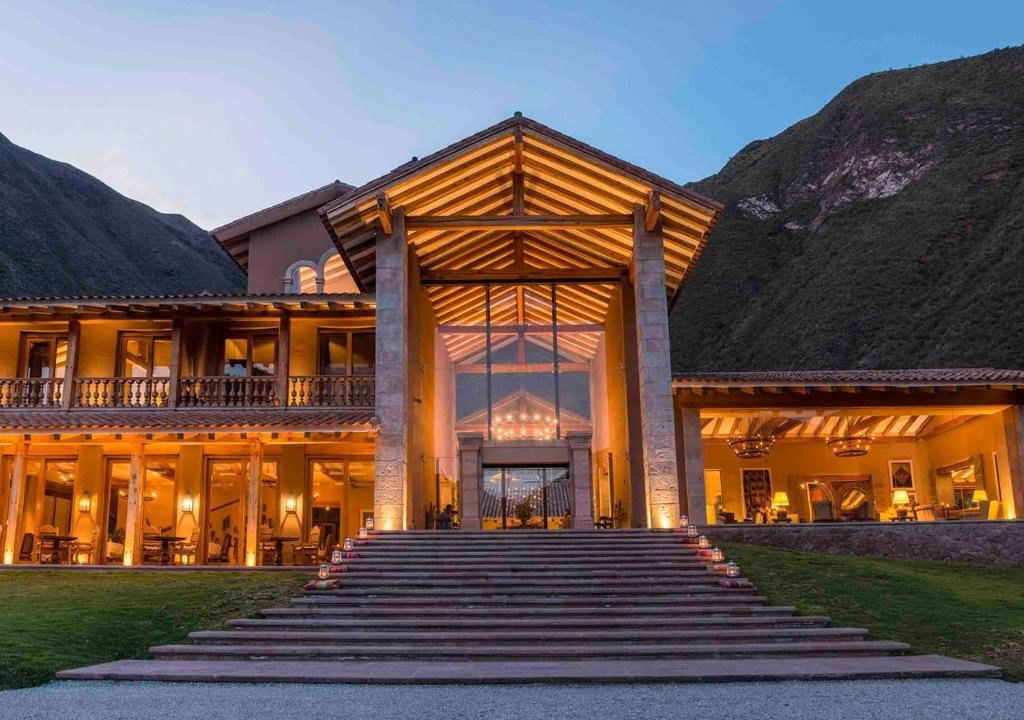
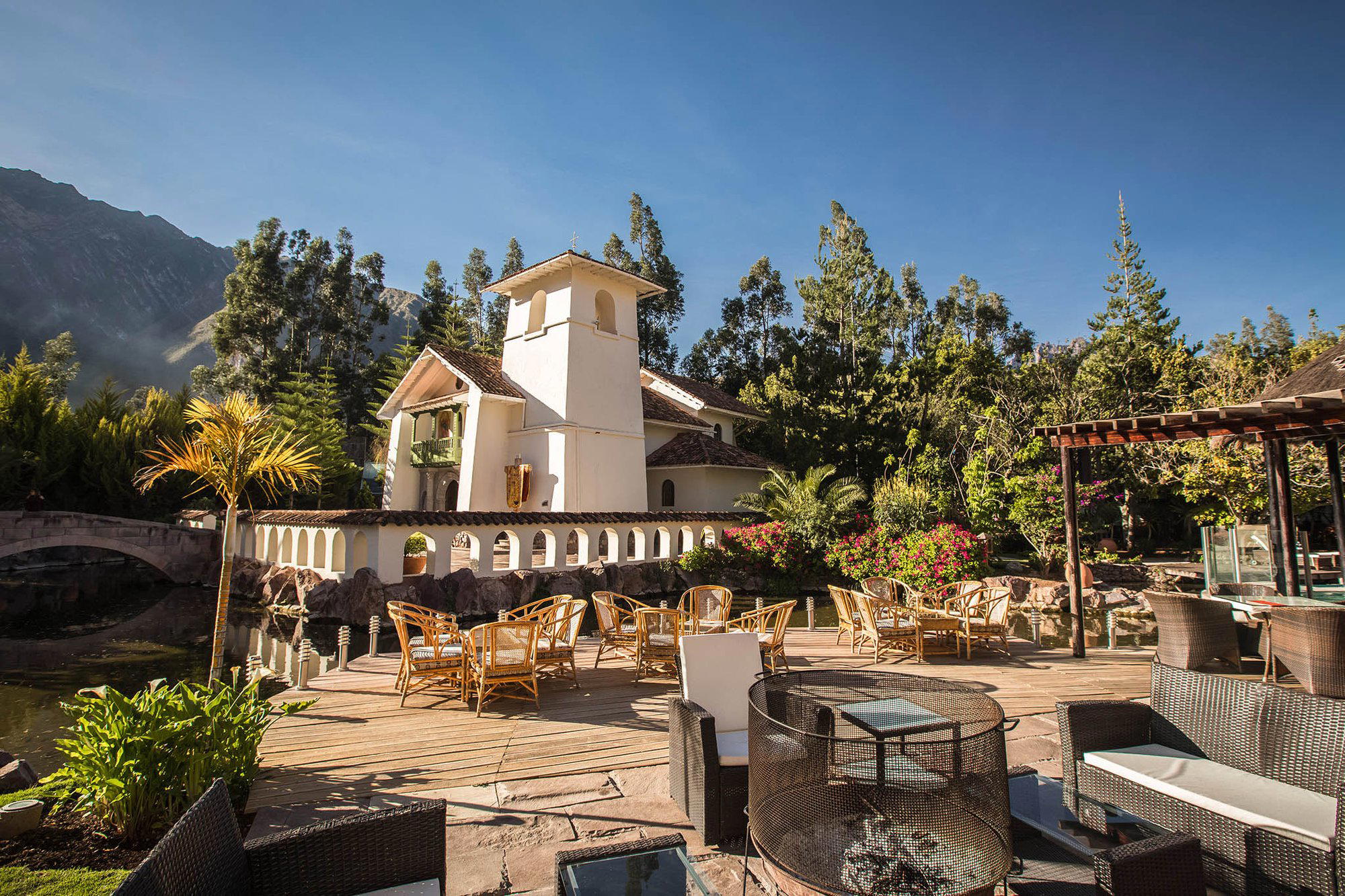
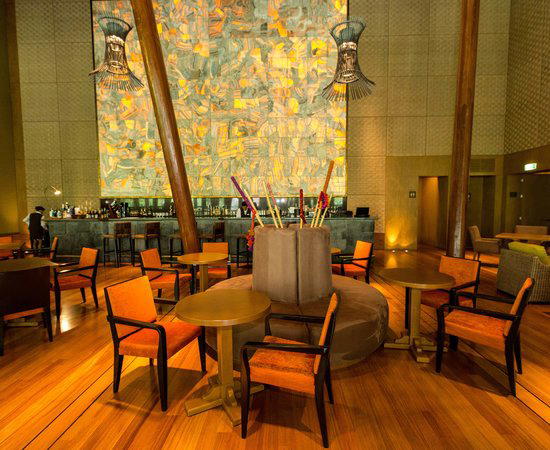
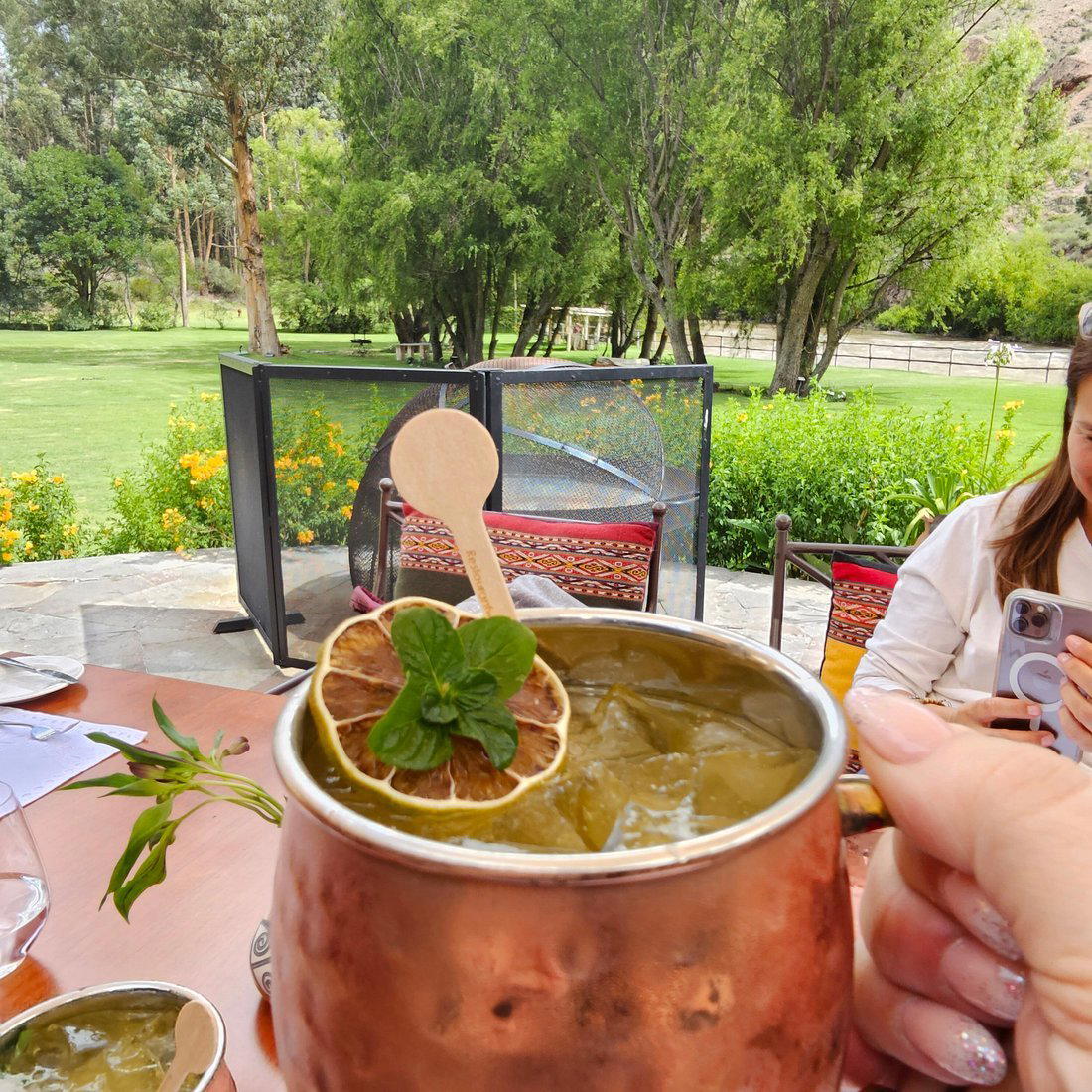
At a Glance
- Scenic
- Quiet
- Rustic
- Romantic Getaway
- Wellness Retreat
- Garden
- Breakfast Included
- Mountain
- Breakfast Included
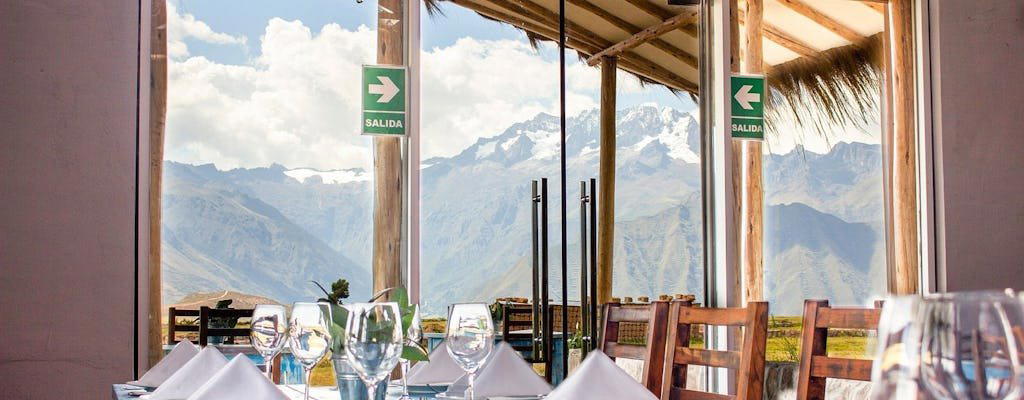
Clean comfortable rooms with hot delicious fresh breakfast in a serene Sacred Valley setting.