Rye, Fermentation, and the New Tallinn Morning There is a particular kind of bakery that arrives in a city not to follow a trend but to correct an absence. In Tallinn, where medieval guild halls and Soviet-era bread queues share the same...
 Discover on Pearl
Pearl is the En Primeur Club membership app — saves, bookings, and concierge access live there. Same editors, same standards.
Rye, Fermentation, and the New Tallinn Morning
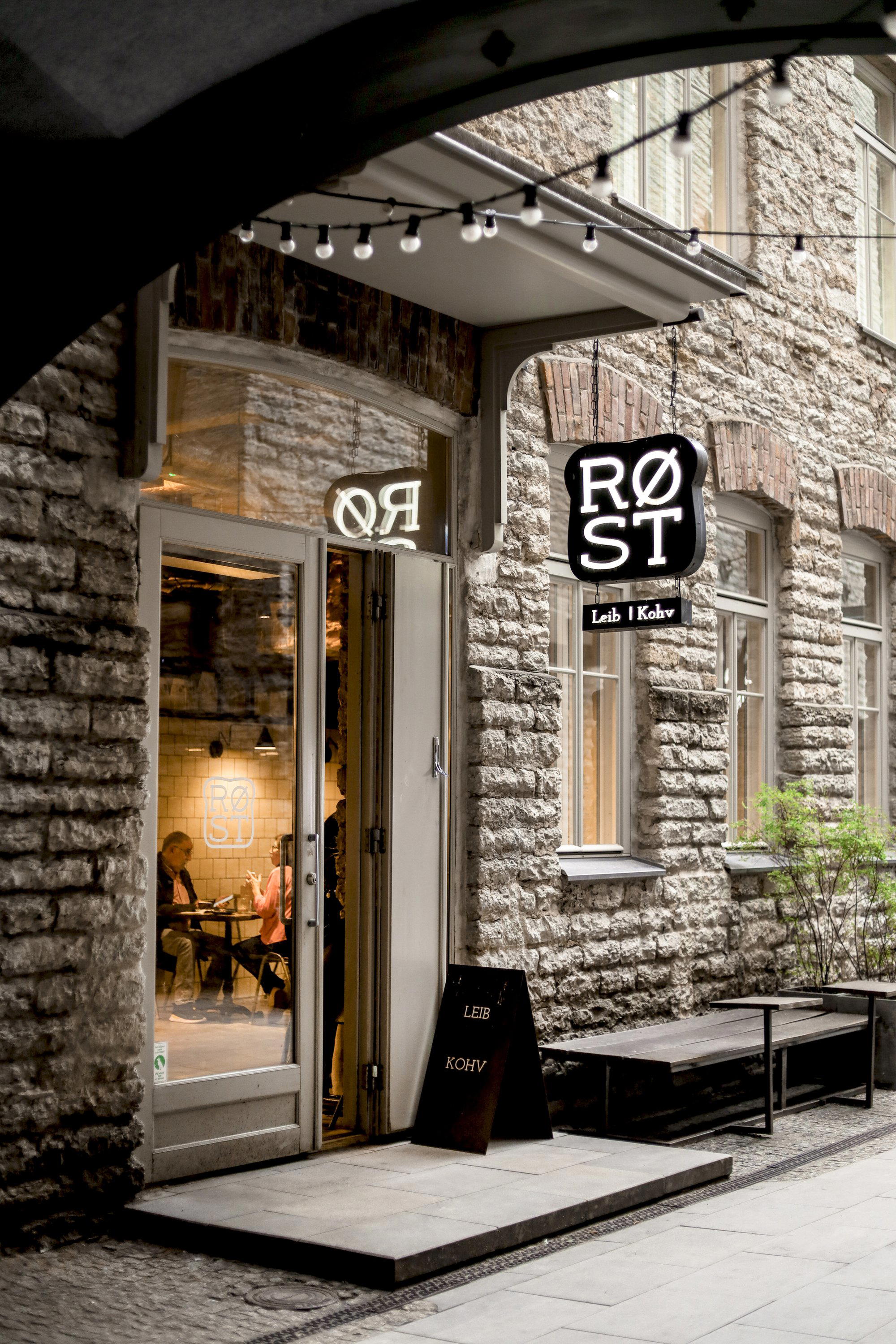
RØST Bakery is a Tallinn bakery serving Scandinavian sourdough and specialty coffee at a casual, walk-in-friendly counter. In Tallinn, where medieval guild halls and Soviet-era bread queues share the same cultural memory, the question of what a contemporary Estonian bakery should look like has taken years to resolve. RØST Bakery belongs to a wave of small-format producers that answered it by returning to the grain itself: long fermentation, northern rye, and a production rhythm that treats the bread as the argument rather than the backdrop.
Tallinn's dining identity has shifted significantly over the past decade. The city's serious restaurant tier now runs from ambitious tasting menus at NOA Chef's Hall and 180° by Matthias Diether down through ingredient-focused neighbourhood spaces. Bakeries have tracked a parallel evolution: the industrial loaves that dominated the post-Soviet decades have been displaced, at the quality end, by small operations with direct grain sourcing and open fermentation schedules. RØST sits in that specialist tier, where the product cycle rather than the service format is the primary variable.
The Evolution of an Estonian Bakery Format
The shift that RØST represents is not simply aesthetic. Estonian bread culture has always leaned toward rye: darker, denser, more acidic than the wheat-forward loaves that dominate western European bakery counters. What changed in the 2010s, across Tallinn and in parallel in Riga and Helsinki, was the sophistication of the technique applied to those traditional grains. Sourdough fermentation, once a practical necessity before commercial yeast, became a deliberate craft choice. Bakers trained in Scandinavian and Central European traditions brought those methods back into local production, and the results repositioned artisan rye bread from humble staple to considered product.
RØST's name itself signals that Scandinavian orientation. The word carries associations across Danish and Norwegian bakery vocabulary, pointing toward a production philosophy that values controlled process over decorative finish. That framing places it alongside a cohort of northern European bakeries that have made slow fermentation and grain provenance their central editorial statement, rather than the pastry case or the coffee program.
What the Counter Tells You
Artisan bakeries in this tier communicate their priorities through what is and is not on the counter. The absence of laminated pastry abundance, the presence of whole-grain loaves with visible crust structure, the limited daily production that sells out before mid-morning: these are legible signals in a market that has learned to read them. Tallinn's bakery-aware visitors, arriving from cities where this format is well established, will recognise the pattern immediately. Visitors less familiar with the northern European artisan bakery model may need a moment to recalibrate expectations from the café-pastry format common to tourist-facing operations in the Old Town.
That recalibration is worth making. The serious bread produced in this category across the Baltic and Nordic regions has a nutritional density and flavour depth that mass-market equivalents do not approach. A properly fermented rye loaf achieves a complexity over its 24- to 48-hour production window that a commercial loaf cannot replicate in any shortened cycle. The sourness is not a flavour added but a byproduct of process, and the crust-to-crumb ratio in a well-made Estonian-style rye reflects decades of accumulated practice rather than a trend cycle.
Across Estonia, a handful of food destinations have built this kind of process-led identity into their offer. Outside Tallinn, you find similar commitments to local and regional sourcing at places like Kohvik in Viljandi and Kolm. Restoran in Voru, suggesting that the grain-forward, provenance-conscious approach is not limited to the capital.
Positioning Within the Tallinn Breakfast and Brunch Tier
Tallinn's morning dining market has developed along two tracks. The first is the café-forward, tourist-accessible format concentrated in and around the Old Town, where the offer is broad and the turnover is high. The second is the neighbourhood-anchored specialist, operating on shorter hours, lower volume, and a more specific product proposition. RØST occupies the second track, which means the practical calculus for a visitor is different: arrival time matters, and the best of the counter is available to those who appear early.
This structure is familiar from comparable cities. In Tallinn's peer group among Baltic capitals, Riga's artisan bakery scene developed slightly earlier and has since produced a recognisable cluster of serious producers. Tallinn is now at a comparable density. The quality ceiling in this category is set by producers who control their fermentation environment closely enough to achieve consistency across seasons, a non-trivial technical achievement in a climate where humidity and ambient temperature shift significantly between winter and summer.
For visitors building a wider Estonian food itinerary, it is worth noting that regional dining outside Tallinn has its own character. Franzia in Narva Joesuu, KABE Beach in Kaberneeme, and Wana Kala Kõrts in Neeme each represent local food culture at a remove from the capital's density, and a well-planned itinerary moves between both registers.
Planning Your Visit
Specific booking information, hours, and address details are not confirmed in the record. Artisan bakeries in this format typically operate morning-only hours on a sell-through model, which means showing up after 11am carries meaningful risk of finding the loaves already gone. Walk-in is the standard format for this category: there is no reservation system for a bakery counter, but that also means no barrier to entry beyond timing. Pricing at comparable Tallinn artisan producers runs at a modest premium over supermarket equivalents, reflecting ingredient and labour costs rather than hospitality overheads.
Estonia's food scene extends well beyond Tallinn. Eva Sushi in Tartu, Kohvik Kaar in Narva, Valgeranna Veinitall in Audru, Kuur in Vihtra, and Everest Thai/Nepalese Restaurant in Parnu fill out a picture of a country whose food identity is considerably more varied than its capital city alone would suggest.
Reputation Context
Comparable venues nearby, for context on price, style, and recognition.
| Venue | Cuisine | Price | Awards | Notes |
|---|---|---|---|---|
| RØST BakeryThis venue — the venue you are viewing | Scandinavian Sourdough Bakery & Specialty Coffee | $$ | , | |
| Hutorok trahter | Traditional Ukrainian | $$ | , | Kadaka |
| Brööder | Homemade Kebab | $$ | , | Balti Jaama Turg |
| Soo Uulits Tänavagurmee | Estonian Street Gourmet Burgers | $$ | , | Kalamaja |
| Jahu Pizza | Gourmet Pizza | $$ | , | Kalamaja |
| Art Priori | Modern Nordic Fine Dining | $$$ | Michelin Plate | Old Town |


At a Glance
- Cozy
- Rustic
- Trendy
- Intimate
- Casual Hangout
- Brunch
- Solo
- Historic Building
- Standalone
- Open Kitchen
- Craft Cocktails
- Local Sourcing
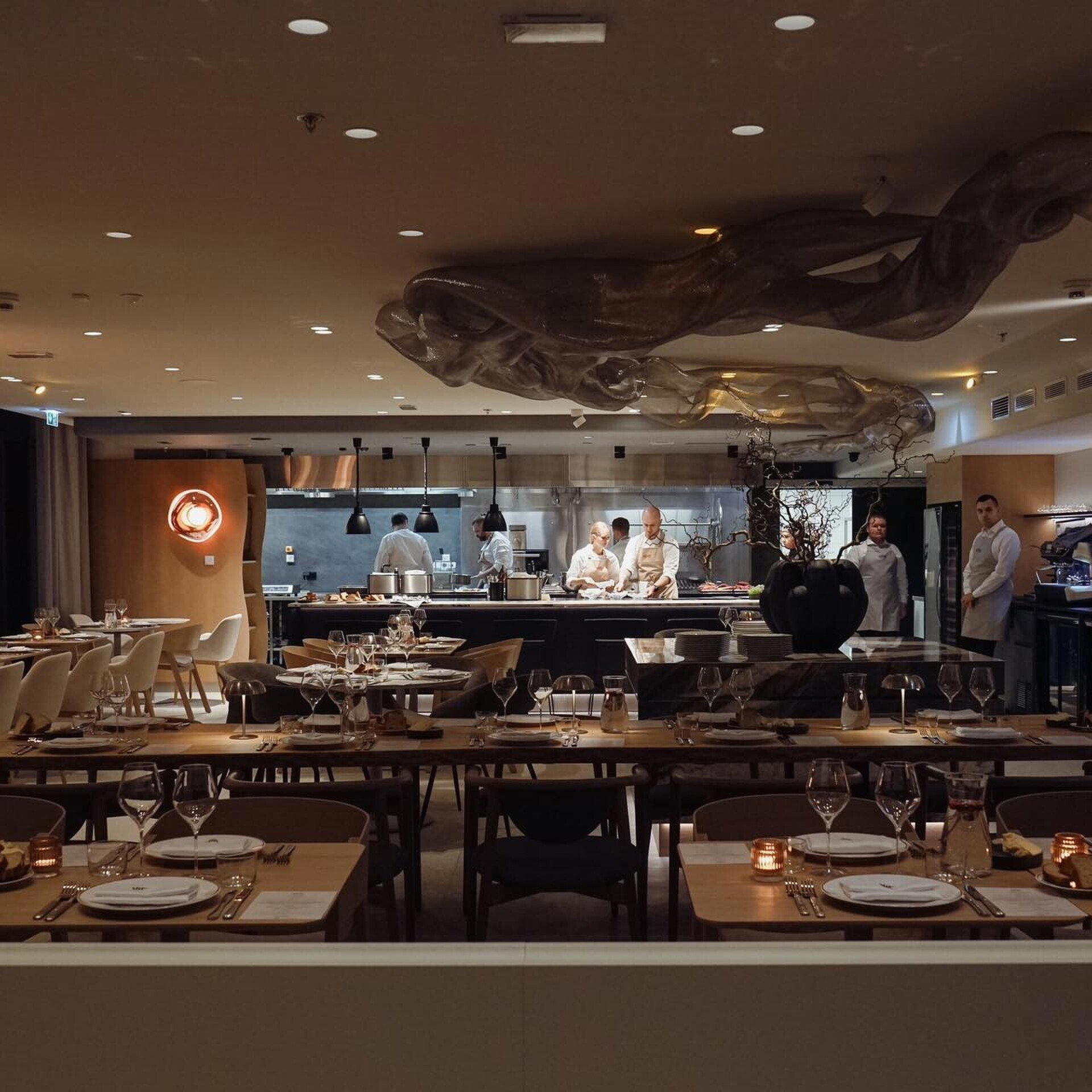
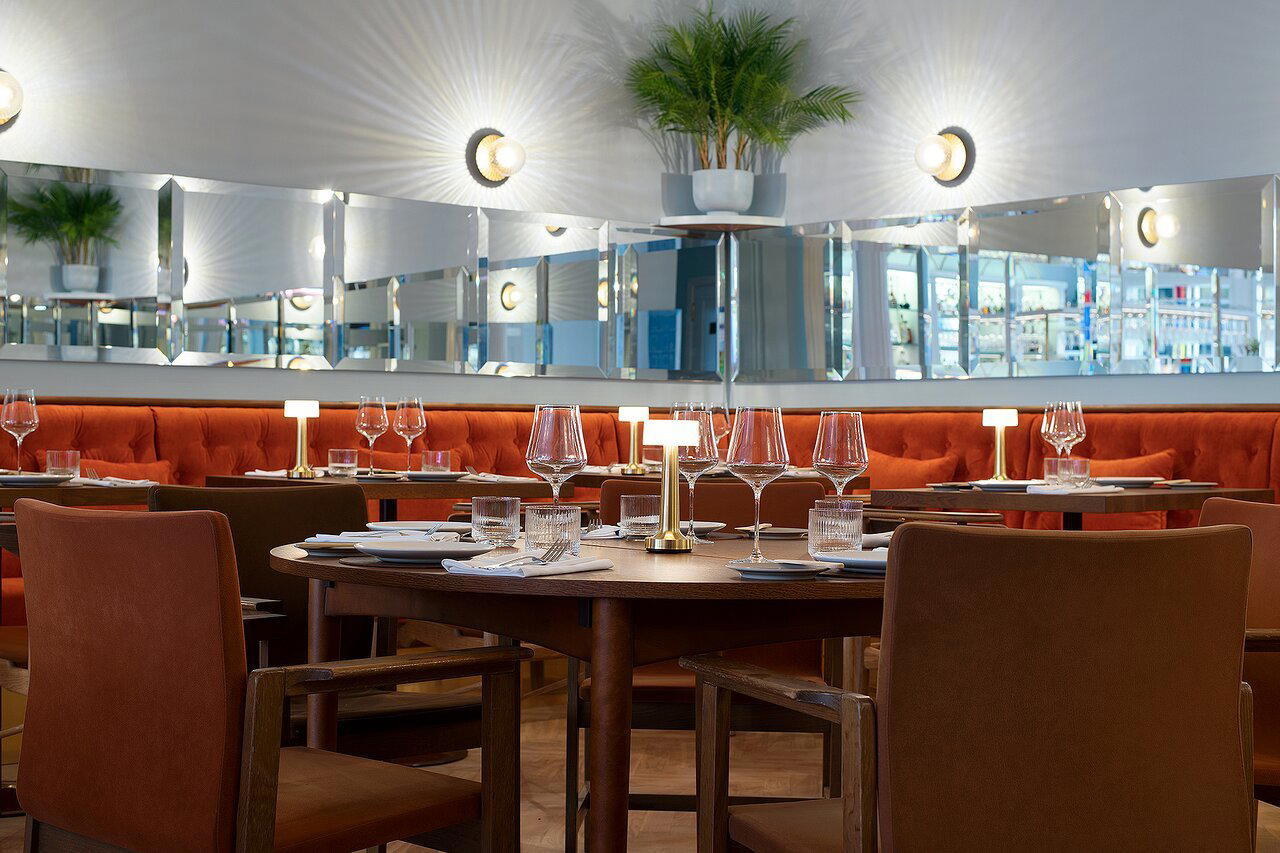
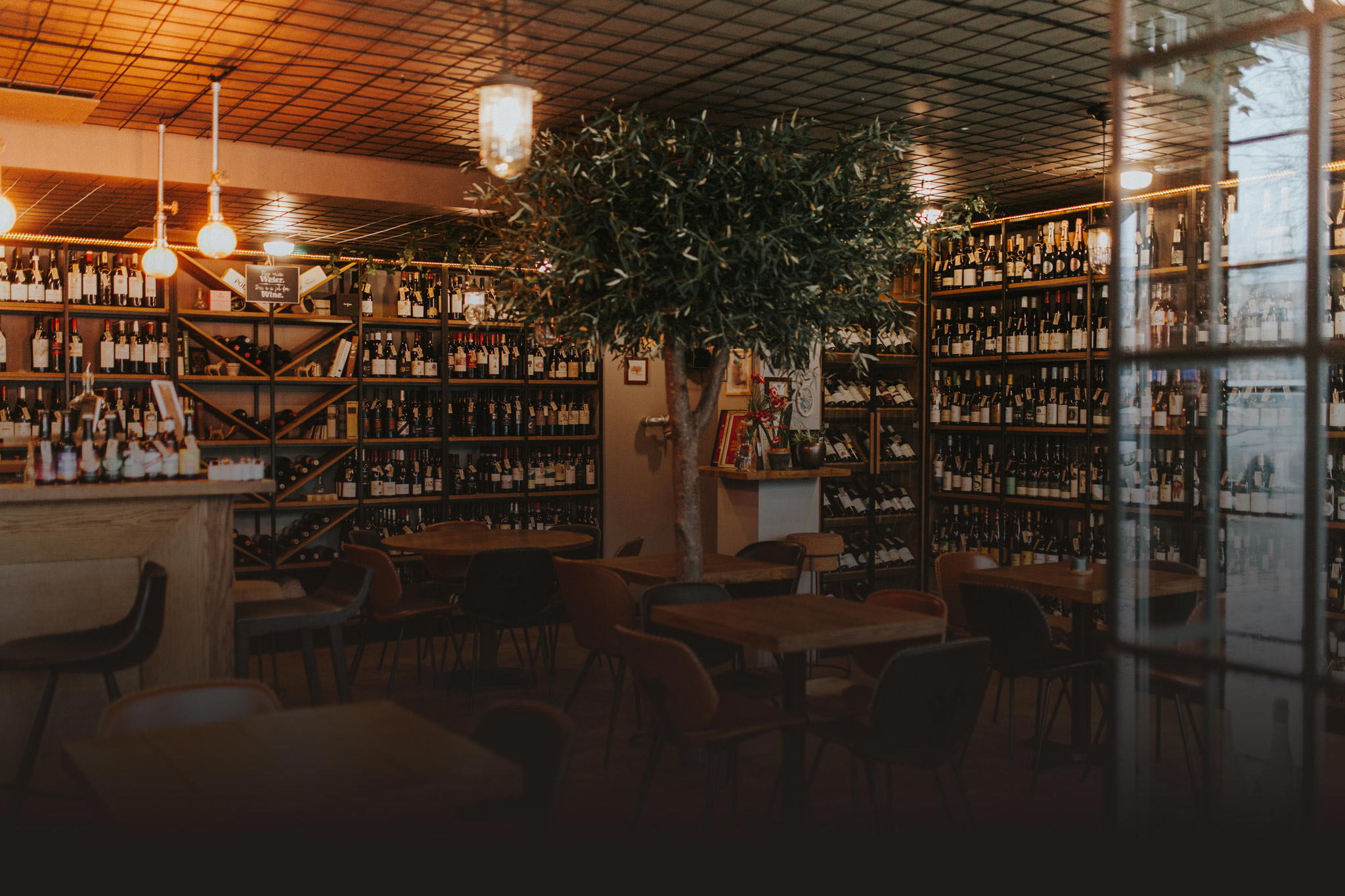
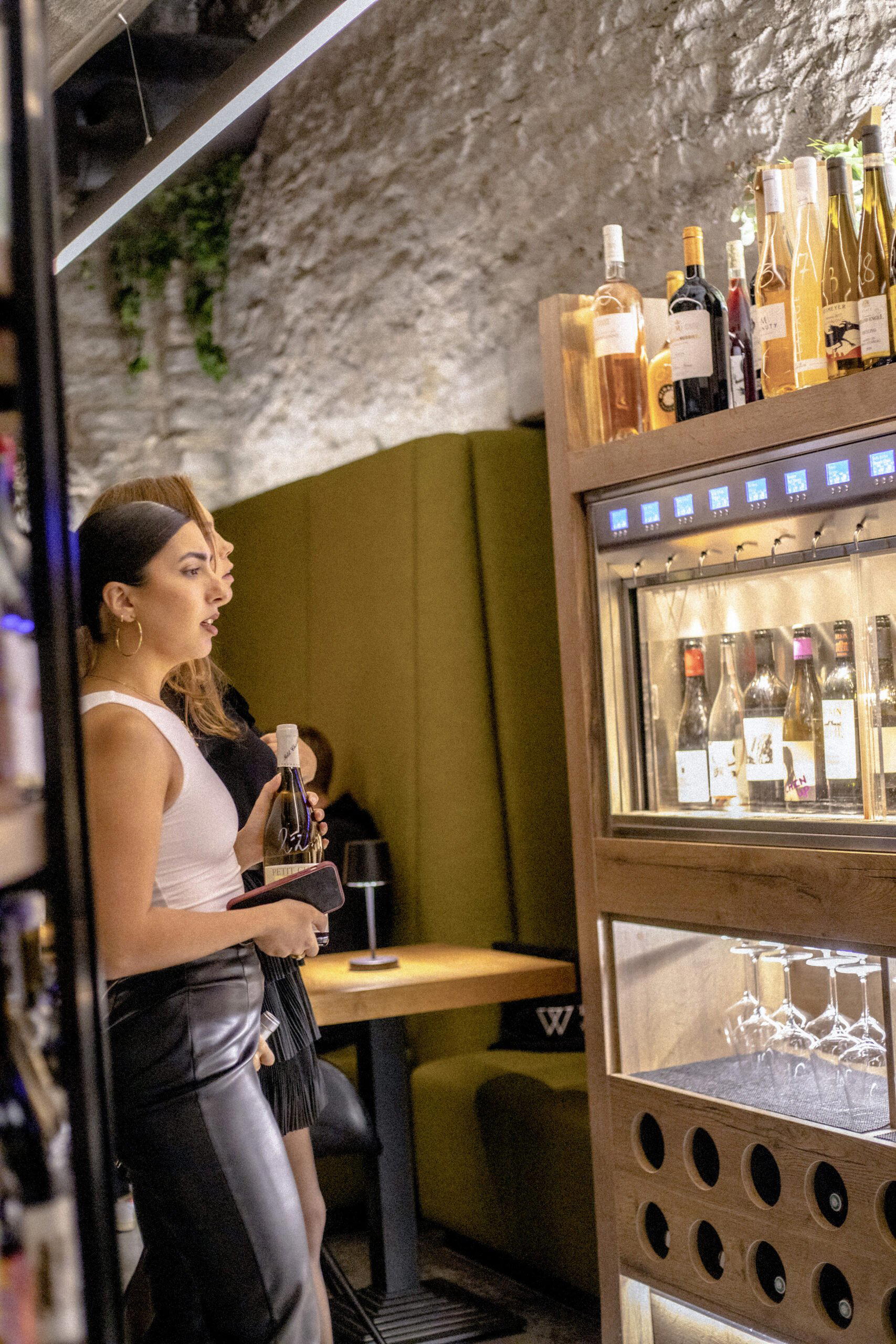
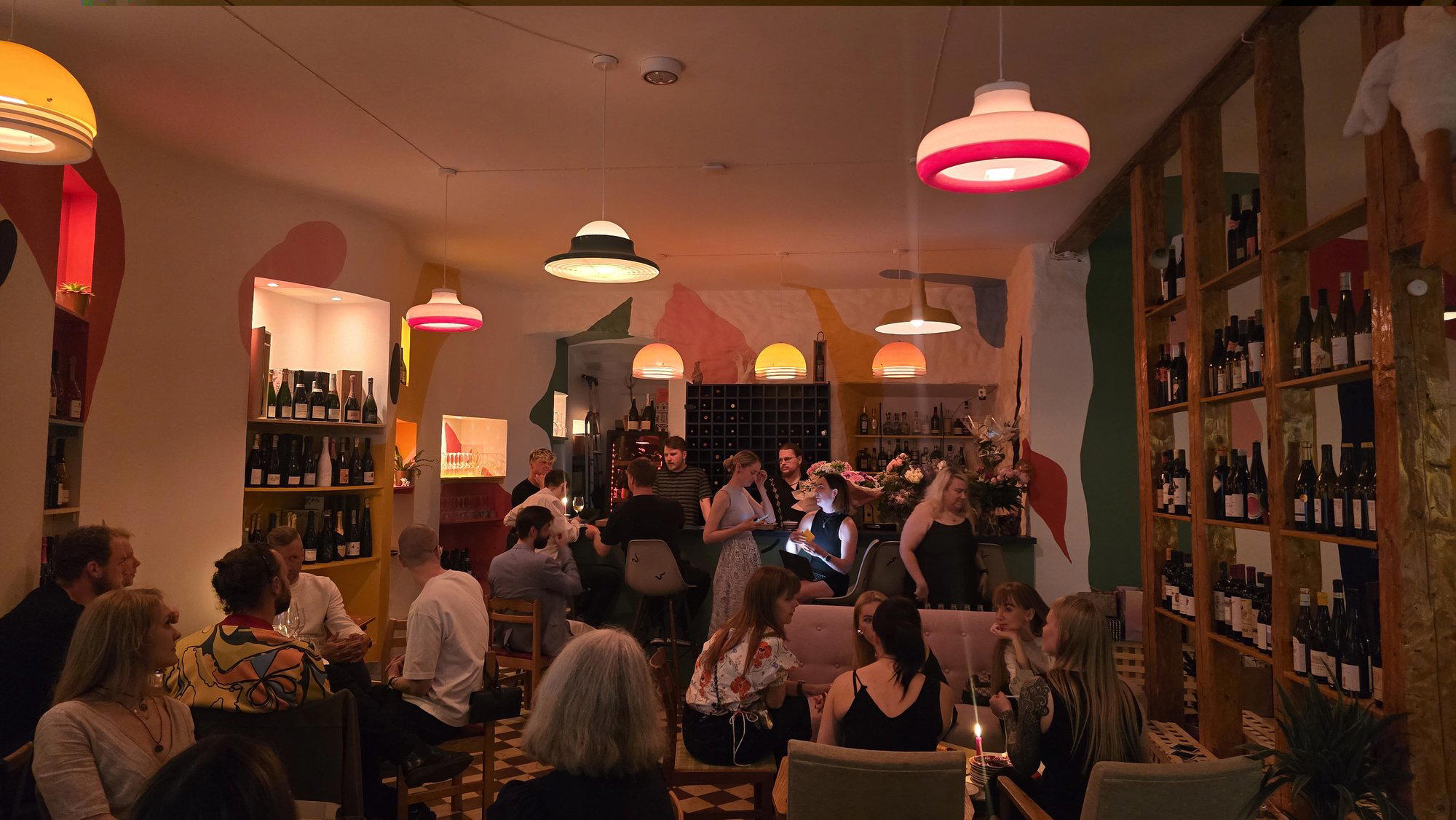
Warm and intimate with exposed stone walls, low-hanging lampshades, and fortress-like brick architecture that evokes a century-old European bakery and home-like comfort.