Our verdict
Located on Tervise 21 in Tallinn, Brööder occupies a quieter register than the city's headline dining addresses, which is precisely what makes it worth attention. The cooking draws from Estonian sourcing traditions — the kind of ingredient-first logic that defines the country's most serious kitchens. For visitors tracking the broader New Nordic ripple through the Baltic states, it sits at a useful point on that map.

Pearl is the En Primeur Club membership app — saves, bookings, and concierge access live there. Same editors, same standards.
- Address
- Tervise 21, 13419 Tallinn, Estonia
- Phone
- +37254561117
- Hours
- Mon–Sat 11 AM–9 PMSun 11 AM–8 PM
- Website
- brooderkebab.ee
- Directions
- Get directions
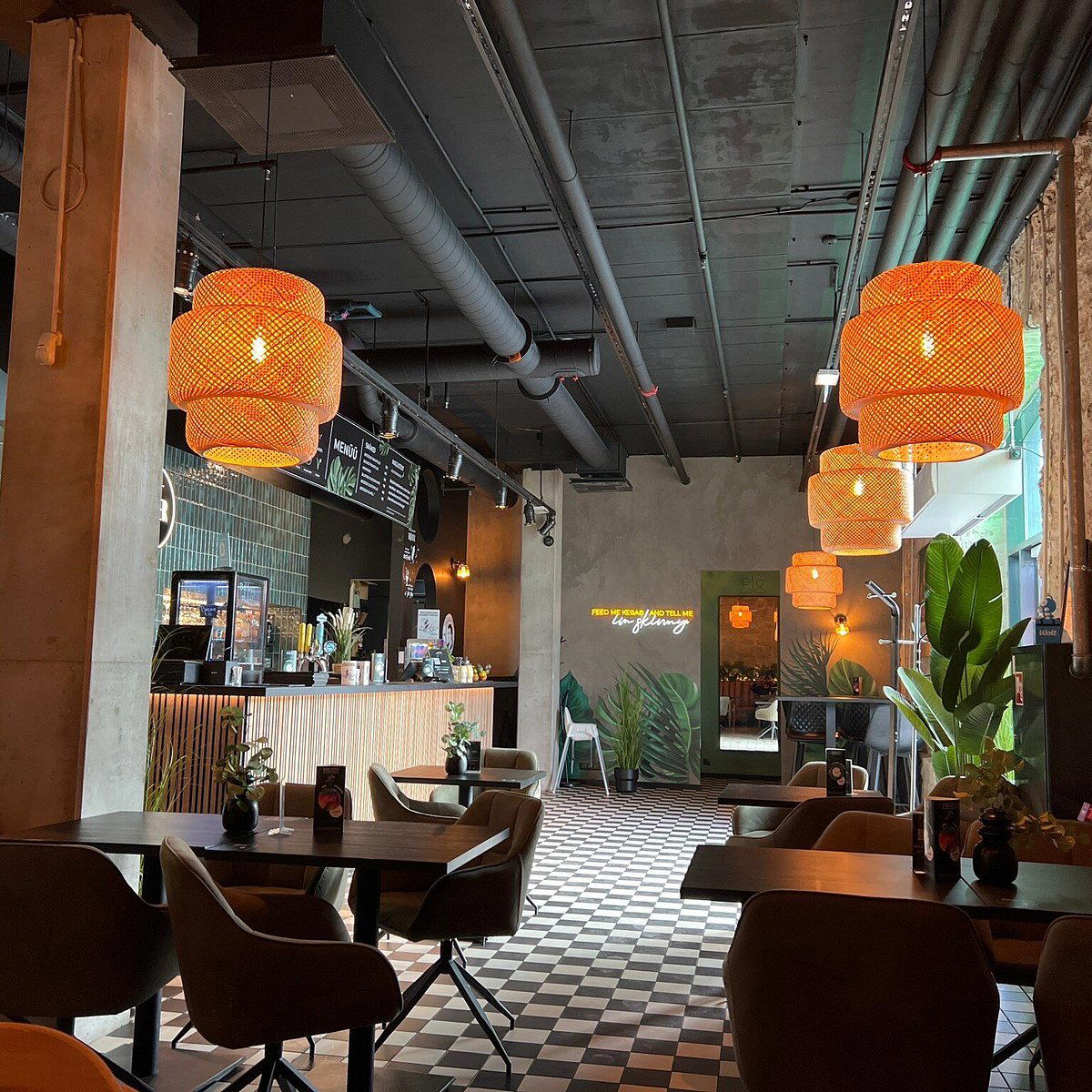
The menu
What to order
- Kebabi taldrik
- Pita kebab
- Dirty Fries kebabiga
Where Tallinn's Sourcing Conversation Gets Specific
Estonia's most interesting restaurants share a preoccupation that goes beyond seasonal menus and farm-to-table rhetoric. The country's short growing season, combined with a foraging culture that predates any contemporary food movement, has produced kitchens that treat ingredient provenance not as a marketing point but as a structural constraint — one that shapes the menu whether the chef intends it or not. In Tallinn, that conversation has developed unevenly across the city's dining tiers. The headline addresses, including NOA Chef's Hall and 180° by Matthias Diether, operate at the €€€€ level and frame sourcing through tasting menu architecture. Brööder, at Tervise 21 in the Kristiine district, approaches the same preoccupation from a different angle and at a different price register.
The Physical Approach
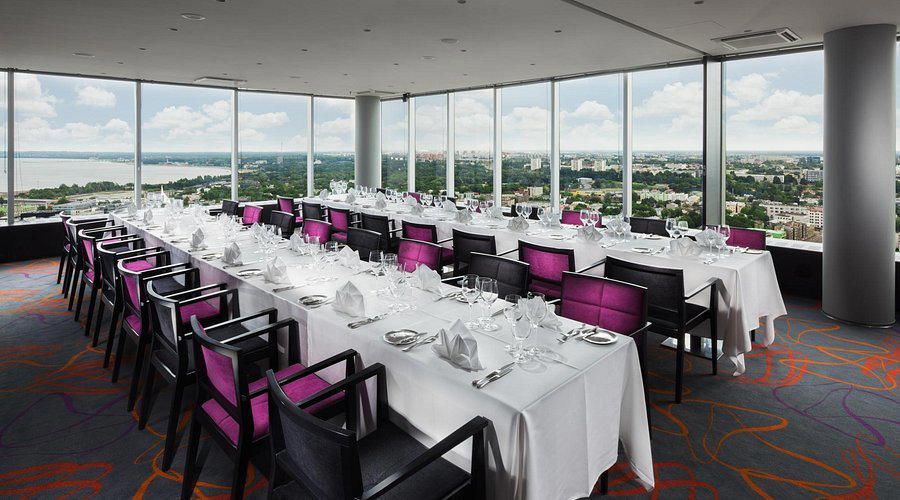
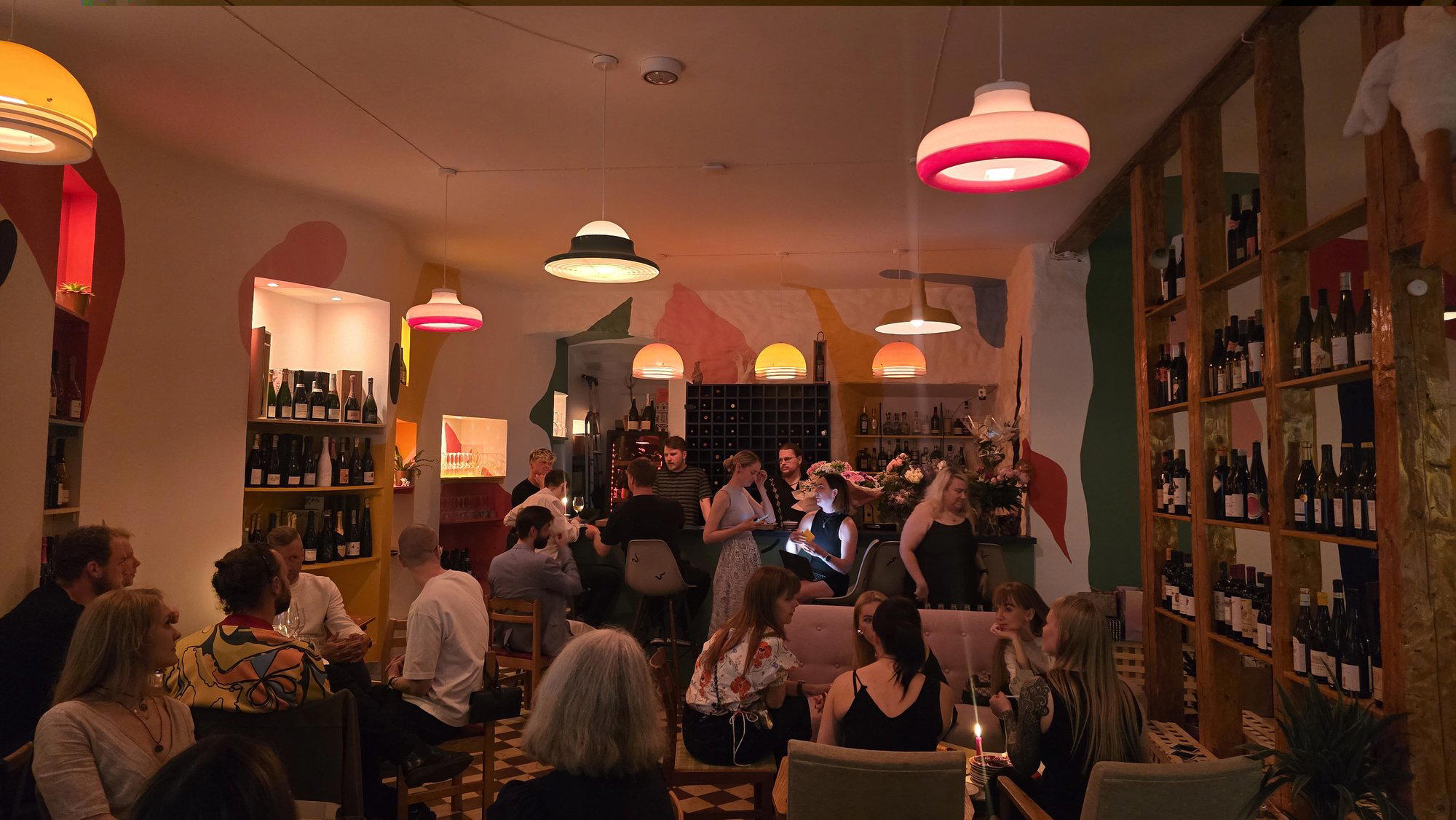
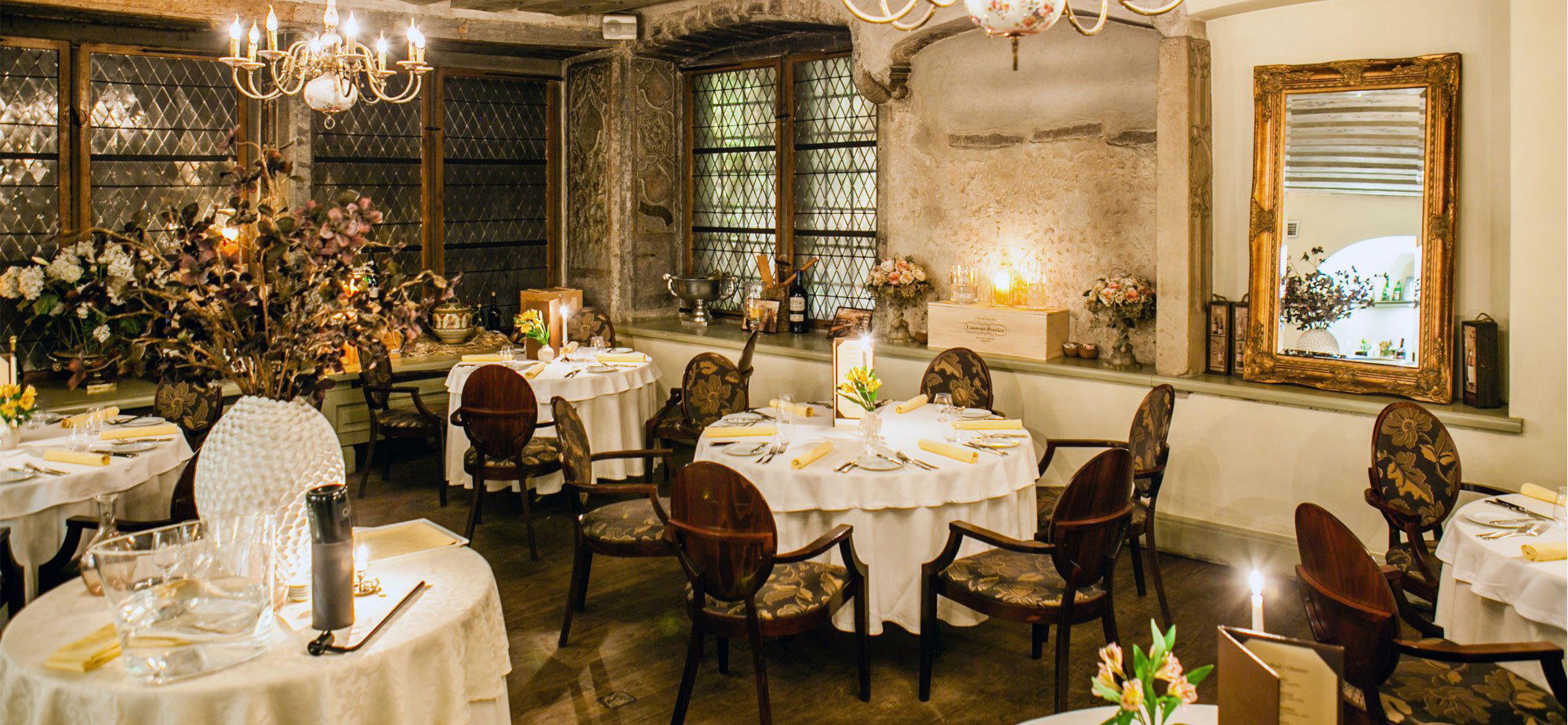
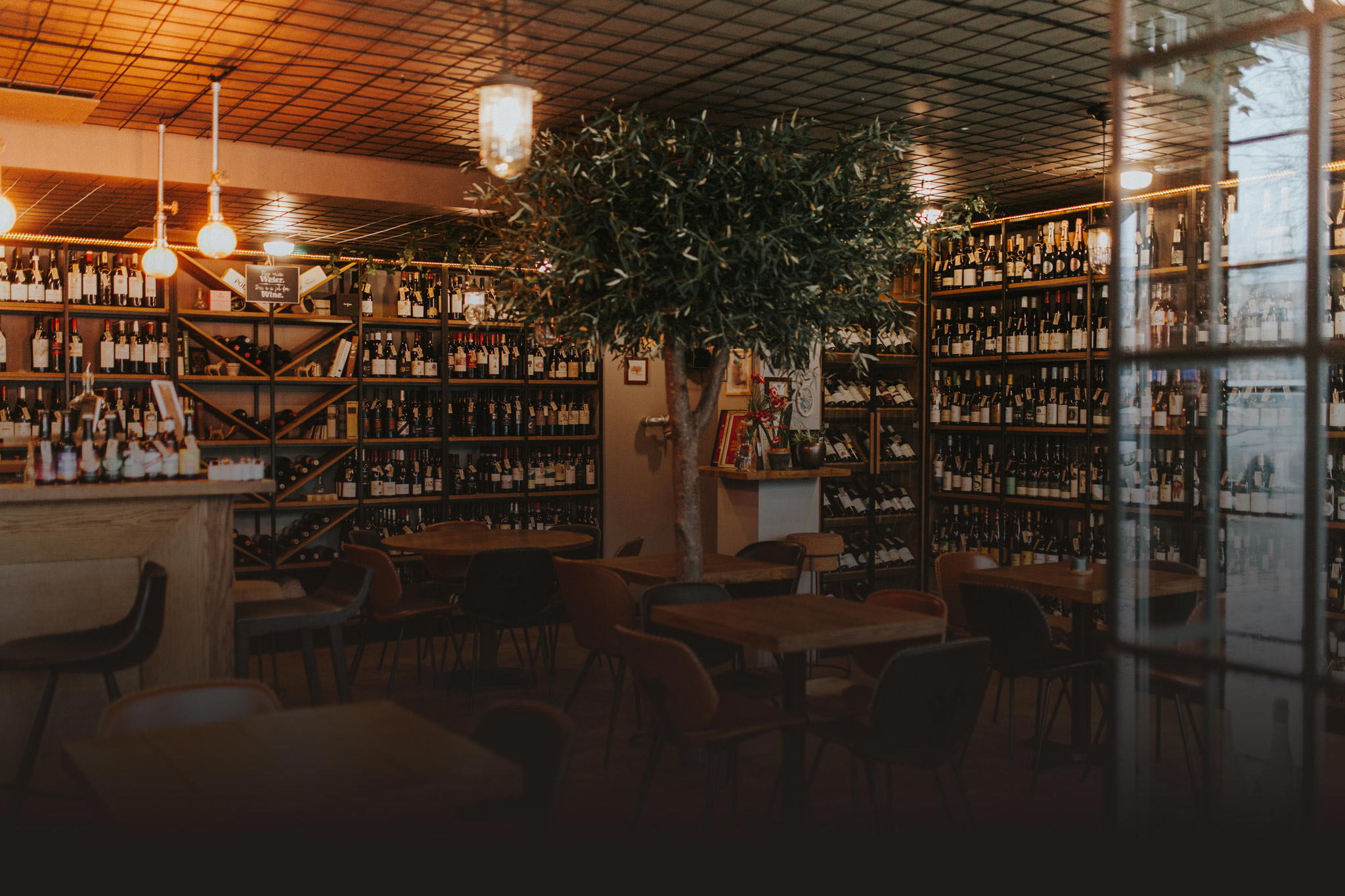
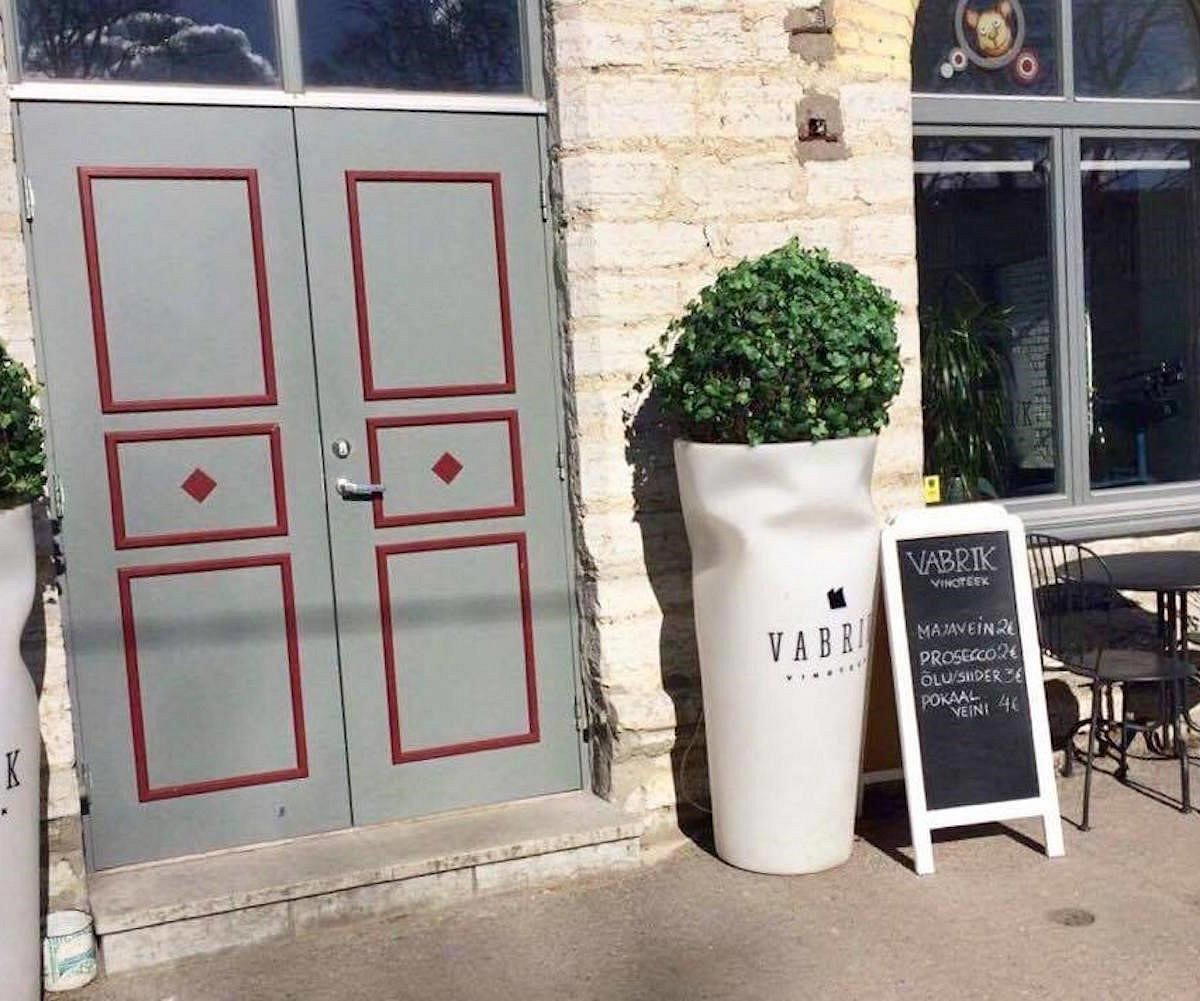
Kristiine sits west of Tallinn's medieval Old Town, past the zones that absorb most of the city's visitor traffic. The neighbourhood is residential in character, with the kind of low-key commercial strip that rarely attracts attention from guidebooks. Arriving at Tervise 21, the building does not signal itself with the design language of a destination restaurant — no large-format signage, no queues spilling onto the pavement. This is a district where locals eat rather than where tourists are steered, and the atmosphere on approach reflects that. Inside, the register is consistent: materials-forward without being laboured, the kind of space where the room supports the food rather than competing with it. This positioning within Tallinn's geography is itself an editorial signal. Restaurants that locate away from the Old Town and Kalamaja clusters are usually doing so because their audience is already convinced, not because they need footfall from passing visitors.
The Sourcing Logic
Estonian culinary identity is more coherent than it sometimes receives credit for internationally. The country's coastline, forests, and agricultural interior produce a distinct larder: Baltic fish, game from managed forests, wild mushrooms and berries gathered across a short but productive season, dairy from small-scale producers, and root vegetables that anchor the winter kitchen. These are not exotic ingredients in the global sense, they are ordinary ingredients in the Estonian sense, which is precisely what gives them weight when a kitchen treats them seriously.
The broader pattern across Estonia's serious restaurants is an insistence on letting this larder speak at its own pace. Hiis in Manniva and Alexander in Pädaste demonstrate how this logic extends well beyond Tallinn, regional producers and coastal sourcing shape menus in ways that would be impossible if the kitchen were relying on broader European supply chains. SOO in Maidla pushes that further still, with a format built almost entirely around what its immediate landscape yields. Brööder's position on Tervise 21 suggests a version of this same sensibility applied to an urban neighbourhood context, where the sourcing relationship is expressed through the menu's choices rather than through rural proximity.
Where It Sits in Tallinn's Dining Structure
Tallinn's restaurant tier has sharpened considerably over the past decade. The city now supports a range of formats that would not have been credible ten years ago, from high-commitment tasting menus to casual addresses with genuine culinary seriousness. Brööder occupies a position that is harder to categorise from the outside, which is often where the most interesting neighbourhood restaurants sit. Its address in Kristiine, away from the tourist-facing zones, implies a local clientele and a booking pattern driven by word of mouth rather than international press coverage. That positioning is neither a weakness nor a virtue in itself, it is a structural fact that shapes what the experience is likely to be. For a visitor, it means the room will not feel curated for an external audience. For a regular, it means consistency over spectacle.
The comparison that applies here is less about peer restaurants within Tallinn and more about a category of address that exists in most serious European food cities: the neighbourhood room that earns its reputation incrementally, without the infrastructure of awards campaigns or PR-driven coverage. Internationally, restaurants like Lazy Bear in San Francisco demonstrate how a format built around a specific set of sourcing and cooking values can develop a committed following outside the conventional fine-dining framework, while a room like Le Bernardin in New York City shows what happens when ingredient sourcing is refined to a primary architectural principle over decades. Brööder operates at a different scale and in a different context, but the underlying logic, that where food comes from matters as much as what is done to it, connects these very different addresses.
Beyond the Capital: The Estonian Restaurant Moment
Any serious engagement with Estonian dining in Tallinn is more useful when read against what is happening elsewhere in the country. Joyce in Tartu and Fellin in Viljandi represent the depth of a restaurant culture that has developed beyond the capital. Rado Haapsalu, Mere 38 in Võsu, Lahepere Villa in Kloogaranna, Wicca in Laulasmaa, and Kolm Sõsarat in Lüllemäe collectively demonstrate that the sourcing conversation is not a Tallinn-specific phenomenon but a national one. Brööder's location within the capital means it draws on a different kind of supply network than these rural and coastal addresses, but the underlying commitment to Estonian ingredients as the primary frame of reference connects it to the same broader movement. Our full Tallinn restaurants guide maps the city's dining options across price tiers and neighbourhoods for anyone planning a longer visit.
Planning a Visit
Tervise 21 is reachable from central Tallinn by tram, the Kristiine district sits along the number 2 and number 4 tram lines, and the journey from the Old Town takes around fifteen minutes. Because the venue sits outside the main tourist circuit, walk-in availability may be more accessible than at the city's headline addresses, though confirming in advance is advisable for weekend evenings. Dress code and booking logistics are best confirmed directly with the restaurant. Given the neighbourhood character and the positioning away from the city's premium dining cluster, the experience is likely to suit those who prefer a room that is working for its local regulars rather than staging itself for visitors.
Frequently asked questions
Is Brööder a family-friendly restaurant?
Brööder sits in Kristiine, a residential district west of Tallinn's Old Town, which gives it a quieter, neighbourhood character rather than a high-traffic tourist format. check the venue's official channels via their address at Tervise 21 to confirm.
What kind of setting is Brööder?
Brööder occupies Tervise 21 in Kristiine, a residential neighbourhood reachable from central Tallinn on the number 2 and number 4 tram lines. The district sits clear of the Old Town's visitor concentration, which shapes the atmosphere toward a local, low-key register rather than anything designed for passing trade. It functions as the kind of address regulars seek out rather than stumble upon.
How does Brööder fit into Tallinn's broader Estonian dining scene?
Brööder occupies a tier of Tallinn restaurants that engages seriously with Estonian sourcing identity rather than defaulting to pan-European formats. Tallinn's restaurant range has sharpened over the past decade, and venues like Brööder in Kristiine sit alongside a wider Estonian moment that includes Tartu's Joyce and operations in Pärnu. For context on peer restaurants, the EP Club Tallinn dining guide maps the city's current structure.
What's the must-try dish at Brööder?
What the body of evidence around Kristiine-area restaurants in Tallinn consistently points to is a sourcing-led approach rooted in Estonia's coastline, forests, and short agricultural season. Visiting with openness to whatever the current rotation offers is the practical approach here.
In Context: Similar Options
Comparable venues nearby, for context on price, style, and recognition.
| Venue | Cuisine | Price | Awards | Notes |
|---|---|---|---|---|
| BrööderThis venue — the venue you are viewing | Homemade Kebab | $10–20 | Not listed | Not listed |
| Hutorok trahter | Traditional Ukrainian | $10–20 | Not listed | Kadaka |
| RØST Bakery | Scandinavian Sourdough Bakery & Specialty Coffee | Not listed | Not listed | Rotermann Quarter |
| Soo Uulits Tänavagurmee | Estonian Street Gourmet Burgers | $10–20 | Not listed | Kalamaja |
| Mimosa | Modern Estonian | $20–30 | White Guide Baltic Restaurants - Fine Level | Nõmme |
| HÜGGE Resto | Scandinavian-Japanese Fusion | $20–30 | Not listed | Lasnamäe |

Details
- Lively
- Trendy
- Casual Hangout
- Late Night
- Beer Program
- A La Carte
- Vegetarian Friendly
Current opening hours
- Monday
- 11 AM–9 PM
- Tuesday
- 11 AM–9 PM
- Wednesday
- 11 AM–9 PM
- Thursday
- 11 AM–9 PM
- Friday
- 11 AM–9 PM
- Saturday
- 11 AM–9 PM
- Sunday
- 11 AM–8 PM
Hours can change for holidays and private events. Last verified .
Pleasant and friendly atmosphere well-suited for casual kebab enjoyment.