
A 20-seat restaurant on Dibuk Road, Royd holds consecutive Michelin Plate recognition (2024 and 2025) for its six- to eight-course exploration of Southern Thai cuisine. Nearly all ingredients are sourced locally, with the menu built around herbs, seafood, and heat-forward spice. Low-intervention wines are matched to each course, and torch ginger appears as a recurring thread throughout the meal.
Pearl is the En Primeur Club membership app — saves, bookings, and concierge access live there. Same editors, same standards.
- Address
- 95 Dibuk Rd, Tambon Talet Nuea, Mueang, Phuket 83000, Thailand
- Phone
- +66 65 554 2494
- Website
- restaurantroyd.com
- Directions
- Get directions
 Saves & bookings on Pearl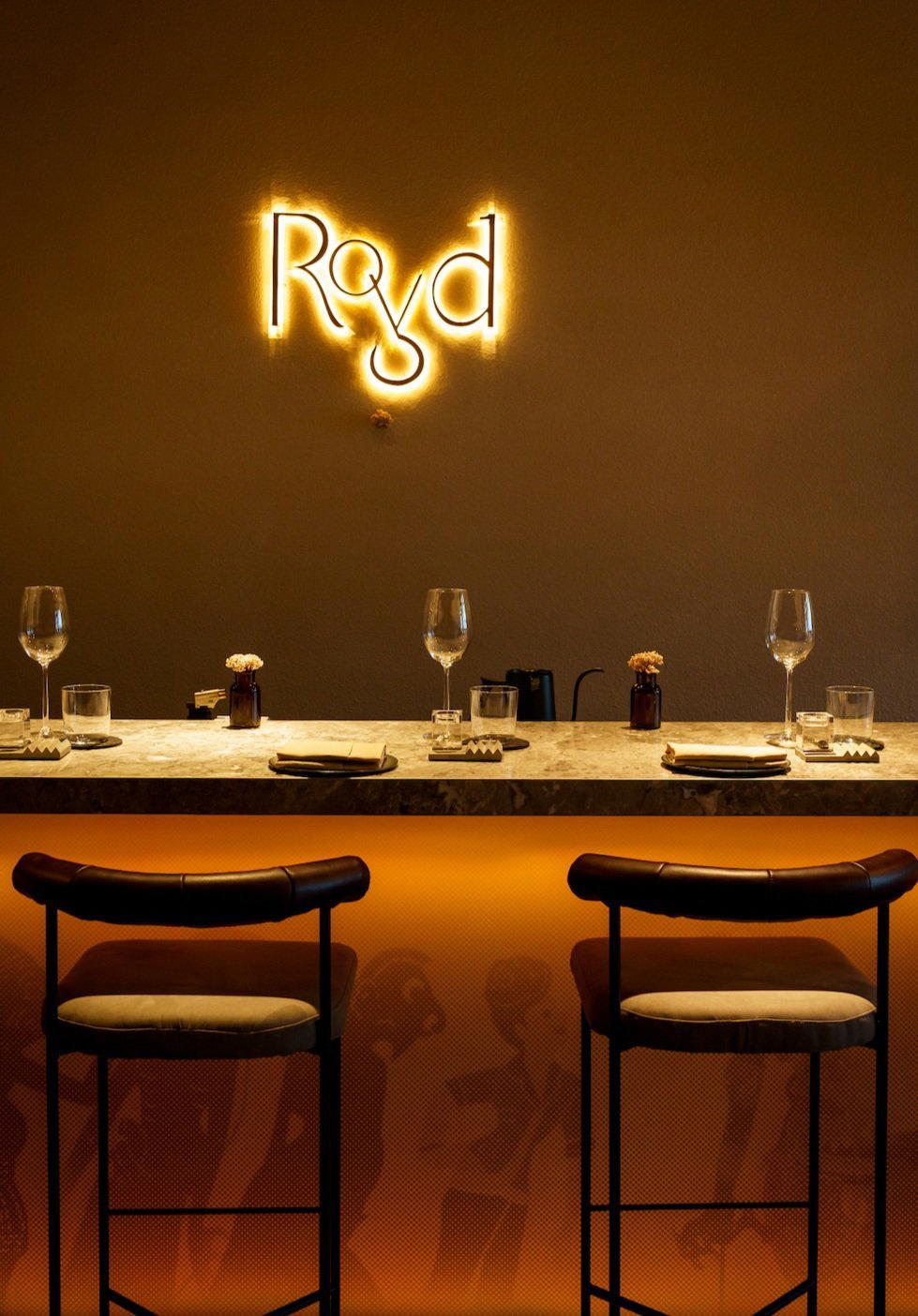
Twenty Seats and a Specific Point of View
Dibuk Road sits in the older commercial core of Phuket Town, away from the beach-resort belt and the Sino-Portuguese shophouse circuit that pulls most tourists. The street is functional rather than decorative, which makes the format Royd operates within all the more deliberate. A room that holds twenty people, split between counter seats and a small number of tables, signals from the outset that the experience is structured around proximity and attention rather than turnover. That physical constraint is also a culinary argument: at this scale, sourcing can be hyperlocal and the kitchen can treat each course as a precise act rather than a production-line output.
Small-format tasting rooms have become the dominant vehicle for serious Southern Thai cooking as the cuisine gains international recognition. Sorn in Bangkok demonstrated that a counter-led, Southern-focused format could reach stronger examples from the Michelin rankings; Royd operates in a different city and at a different tier, but the structural logic is similar, restricted seating, sourcing discipline, and a menu that moves in courses rather than à la carte dishes. For Phuket specifically, where Thai dining has long been split between upmarket fusion venues and casual local spots, this middle category of ingredient-serious regional fine dining is still forming.
The Physical Container
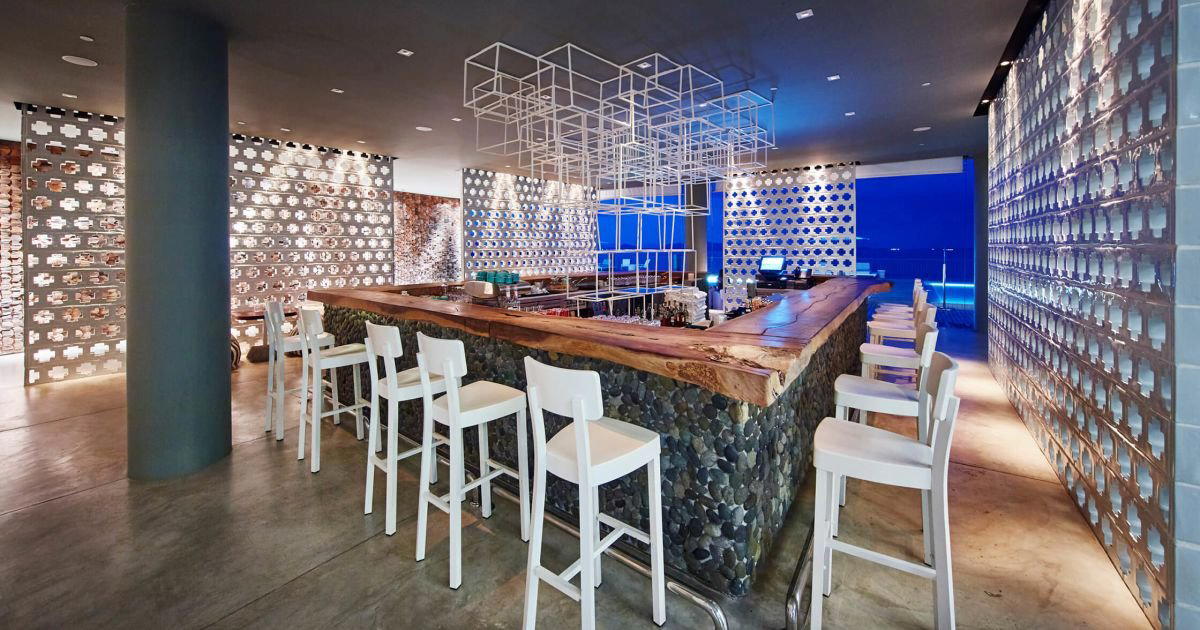
The counter at Royd does architectural work that the dining tables alone could not. In any tasting-menu restaurant, the counter creates a sightline between the kitchen and the guest that changes the dynamic of each course: a dish arrives not as a delivery but as a presentation, with context immediately available from the team behind it. Twenty seats means the kitchen is never performing for a crowd, it is, effectively, cooking for a small gathering, and the counter format makes that legible in spatial terms.
Phuket Town's dining rooms tend toward either the elaborately renovated shophouse or the stripped-back local canteen. Royd's 20-seat configuration places it in neither category. Its comparable set, in terms of format and price point, is closer to the counter-led tasting restaurants now operating in Bangkok and Chiang Mai, restaurants like Aeeen in Chiang Mai, than to the Thai dining rooms that have historically defined Phuket's higher-end market. That positioning matters: this is a room where the spatial intimacy is part of what is being sold, not incidental to it.
Southern Thai Cooking, Taken Seriously
Southern Thai cuisine is structurally different from the central Thai food most international visitors associate with the country. The spice register is higher, the fermentation tradition is deeper, and the seafood vocabulary is shaped by proximity to both the Andaman Sea and the Gulf of Thailand. Herbs such as torch ginger, the bud of the Etlingera elatior plant, used raw and cooked across Malay-influenced southern cooking, appear in ways that central Thai kitchens rarely use them. At Royd, torch ginger features across multiple courses and is treated as a recurring structural element rather than a garnish, which reflects how embedded it is in the regional pantry.
The six- to eight-course format allows the kitchen to sequence flavour and intensity in a way a standard à la carte menu cannot. Documented dishes include a Krabi fish curry and frog's legs paired with fermented rice noodles, the latter a combination that shows the kitchen's comfort with the fermented, funky side of Southern Thai cooking, which is often softened or omitted in restaurants cooking for tourist palates. The exclusive use of local ingredients is a sourcing constraint that also functions as a curatorial one: what appears on the menu is, by definition, what the surrounding region produces at that moment.
Southern Thai cooking interpreted at this level of rigour is available in Bangkok at a handful of addresses, including Janhom and Beer Hima in Chatuchak, but finding it in Phuket itself, in a format this structured, remains less common. For visitors who want to understand the cuisine of the region they are actually in, that specificity carries weight.
Wine in a Spice-Forward Context
Pairing wine with Southern Thai cooking presents a genuine technical challenge. High heat levels, fermented elements, and intense herbal compounds do not behave predictably with conventionally made wines. The low-intervention wines at Royd are not simply a style preference; they are a practical choice that tends to produce more workable results across this flavour profile. Wines with lower sulphur, higher natural acidity, and textural interest from skin contact or extended lees aging often find more traction alongside bold, spice-forward food than cleaner, more reductive styles. The pairing logic here is rooted in flavour compatibility rather than prestige signalling.
Recognition and Peer Context
Royd has received the Michelin Plate in both 2024 and 2025, a recognition that denotes good cooking without the one-star designation. In Phuket's dining context, consecutive Plate recognition places it among a small group of restaurants the guide considers worth tracking. The island's Michelin-starred addresses have historically skewed toward modern or fusion formats; Royd's Plate recognition for Southern Thai cooking in a hyperlocal, small-format setting reflects the guide's increasing attention to regional specificity over the past several years.
Other Phuket Town addresses worth considering alongside Royd for locally grounded cooking include Chom Chan, Khrua Ohm, Kin-Kub-Ei, Krua Baan Platong, and Krua Kao Kuk. The price tier at Royd (฿฿฿) places it above Phuket's casual local canteens but below the ฿฿฿฿ range occupied by venues like PRU and Acqua.
Planning a Visit
Royd is located at 95 Dibuk Road in Phuket Town, in the Mueang district. The 20-seat capacity and tasting-menu format mean reservations are essential.8 from 193 reviews) reflects a consistent experience. The price point is ฿฿฿฿, or about US$120 per person.
For context on how Southern Thai cooking is being interpreted elsewhere in Thailand, AKKEE in Pak Kret and Angeum in Phra Nakhon Si Ayutthaya offer useful regional comparisons, as does Agave in Ubon Ratchathani for a different register of regional Thai cooking. The Spa in Lamai Beach provides another southern Thailand data point for those travelling between islands.
Reputation First
Comparable venues nearby, for context on price, style, and recognition.
| Venue | Cuisine | Price | Awards | Notes |
|---|---|---|---|---|
| RoydThis venue — the venue you are viewing | Modern Southern Thai Fine Dining | $$$$ | Michelin Plate | Not listed |
| Samut | Modern Southern Thai Seafood | $$$$ | Michelin Plate | Mueang Phuket |
| The Thai Library | Southern Thai Fine Dining | $$$$ | Michelin Plate | Thalang |
| Nitan | Modern Southern Thai | $$$$ | Michelin Plate | Thalang |
| Loba Bang Niao | Traditional Phuket Street Food - Loba (Pork Offal Fritters) | $ | Michelin Plate | Mueang Phuket |
| hom | Modern Fermentation-Driven Fine Dining | $$$$ | Michelin Plate | Kathu |
Recognition history
Dated appearances from independent guides and award organizations, with the underlying list record or original source where available.
Michelin Plate
Michelin
Michelin Plate
Michelin
Michelin Plate
Michelin



At a Glance
- Intimate
- Elegant
- Cozy
- Modern
- Sophisticated
- Special Occasion
- Date Night
- Chefs Counter
- Open Kitchen
- Extensive Wine List
- Local Sourcing
- Farm To Table
Current opening hours
- Monday
- 5–11 PM
- Tuesday
- Closed
- Wednesday
- Closed
- Thursday
- 5–11 PM
- Friday
- 5–11 PM
- Saturday
- 12–2 PM, 5–11 PM
- Sunday
- 12–2 PM, 5–11 PM
Hours can change for holidays and private events. Last verified .
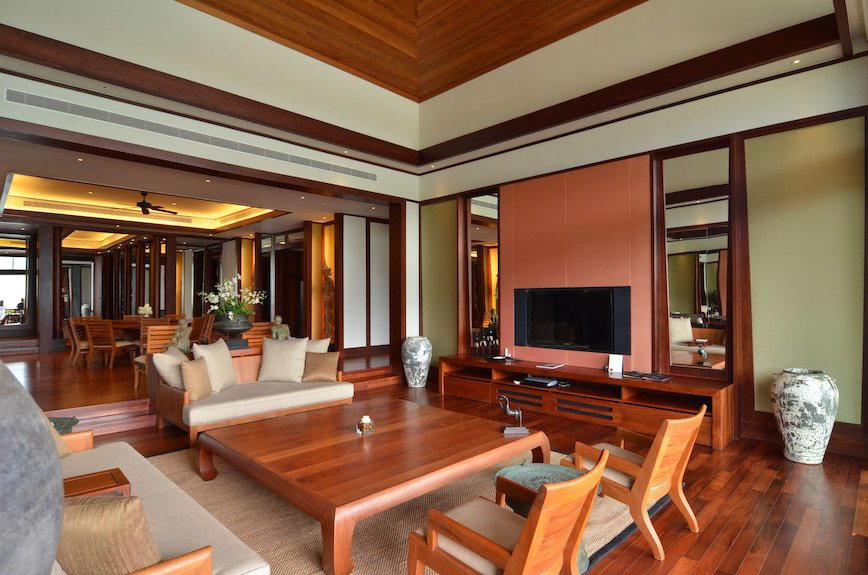
Cozy traditionalism meets modern minimalism in a preserved Thai townhouse with subdued lighting highlighting the bar counter and open kitchen.