
Inside the InterContinental Phuket Resort, hom is one of the island's more intellectually serious dining rooms: a fermentation-led modern menu built almost entirely on coastal and regional produce, anchored by two seasonal tasting menus and a natural wine list that matches the kitchen's ethos. The Michelin Plate in both 2024 and 2025 confirms its position among Phuket's most considered restaurants.
Pearl is the En Primeur Club membership app — saves, bookings, and concierge access live there. Same editors, same standards.
- Address
- 333, 333/3 Moo 3, Kathu District, Phuket 83150, Thailand
- Phone
- +66 76 629 956
- Website
- hom-restaurant.com
- Directions
- Get directions
 Saves & bookings on Pearl
Where Fermentation Meets the Andaman Coast
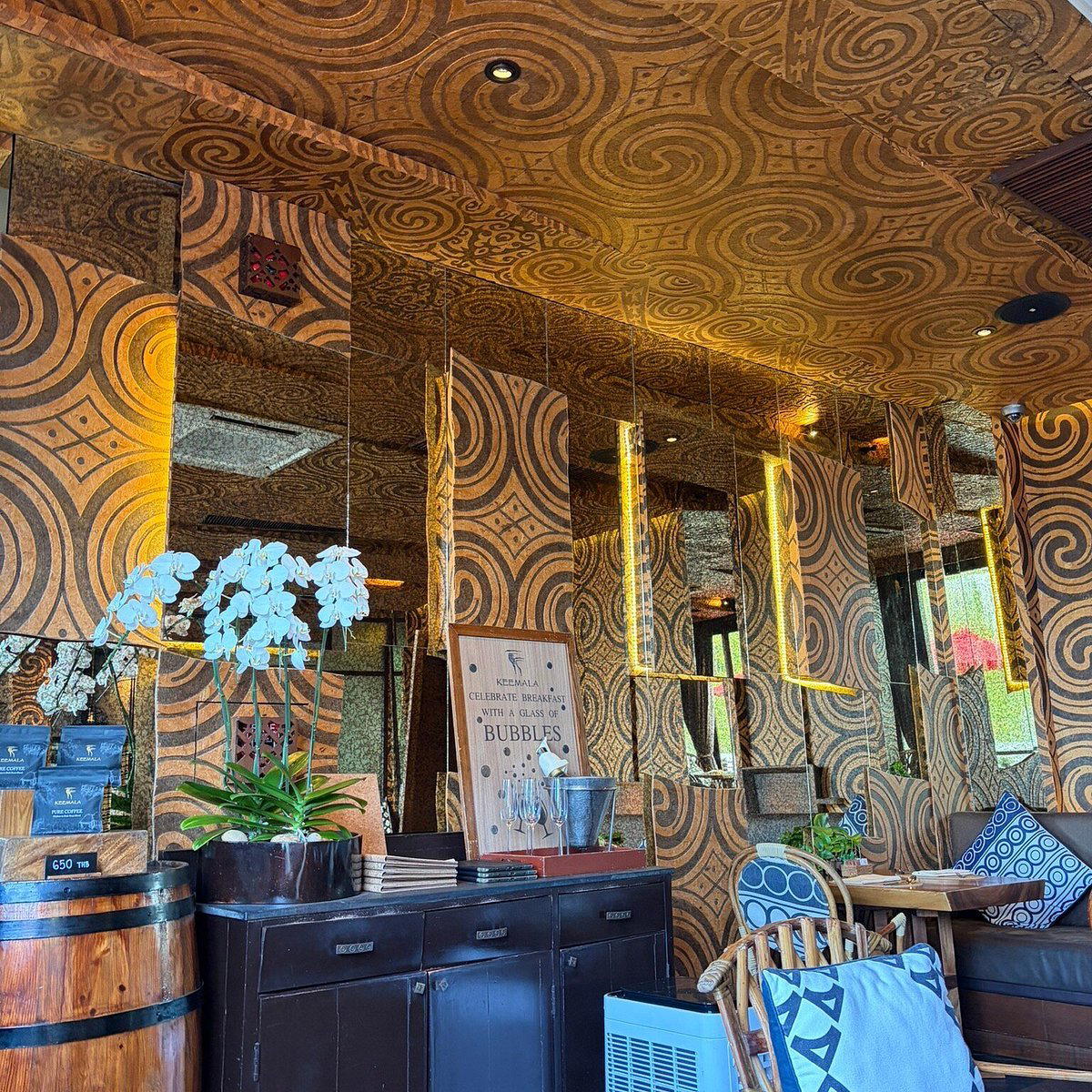
Hom is a modern fermentation-driven fine dining restaurant in Phuket, Thailand, with a Michelin Plate in 2025 and a price point of about USD 140 per person. There is a particular kind of restaurant that announces itself before you reach the dining room. At hom, the approach begins with a garden walkway that slows you down, then a lobby where jars of fermenting experiments line the shelves like a working laboratory. Grasshopper garum, betel leaf preparations, pandan infusions: the display is a thesis statement, not decoration. By the time you are seated, the kitchen's methodology has already been communicated without a word from the staff.
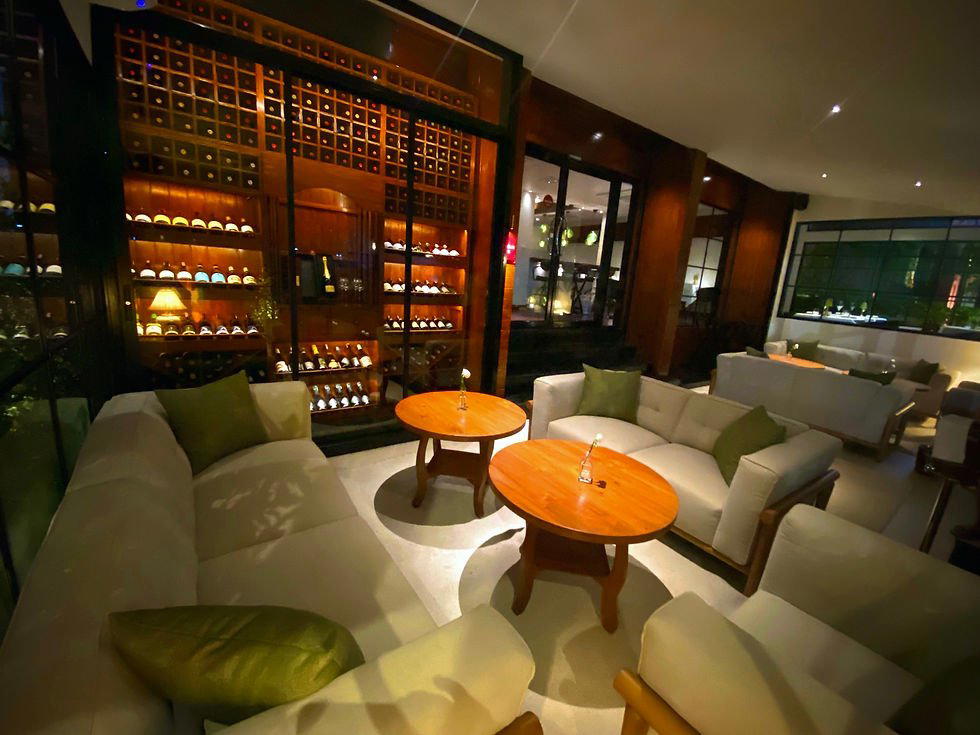
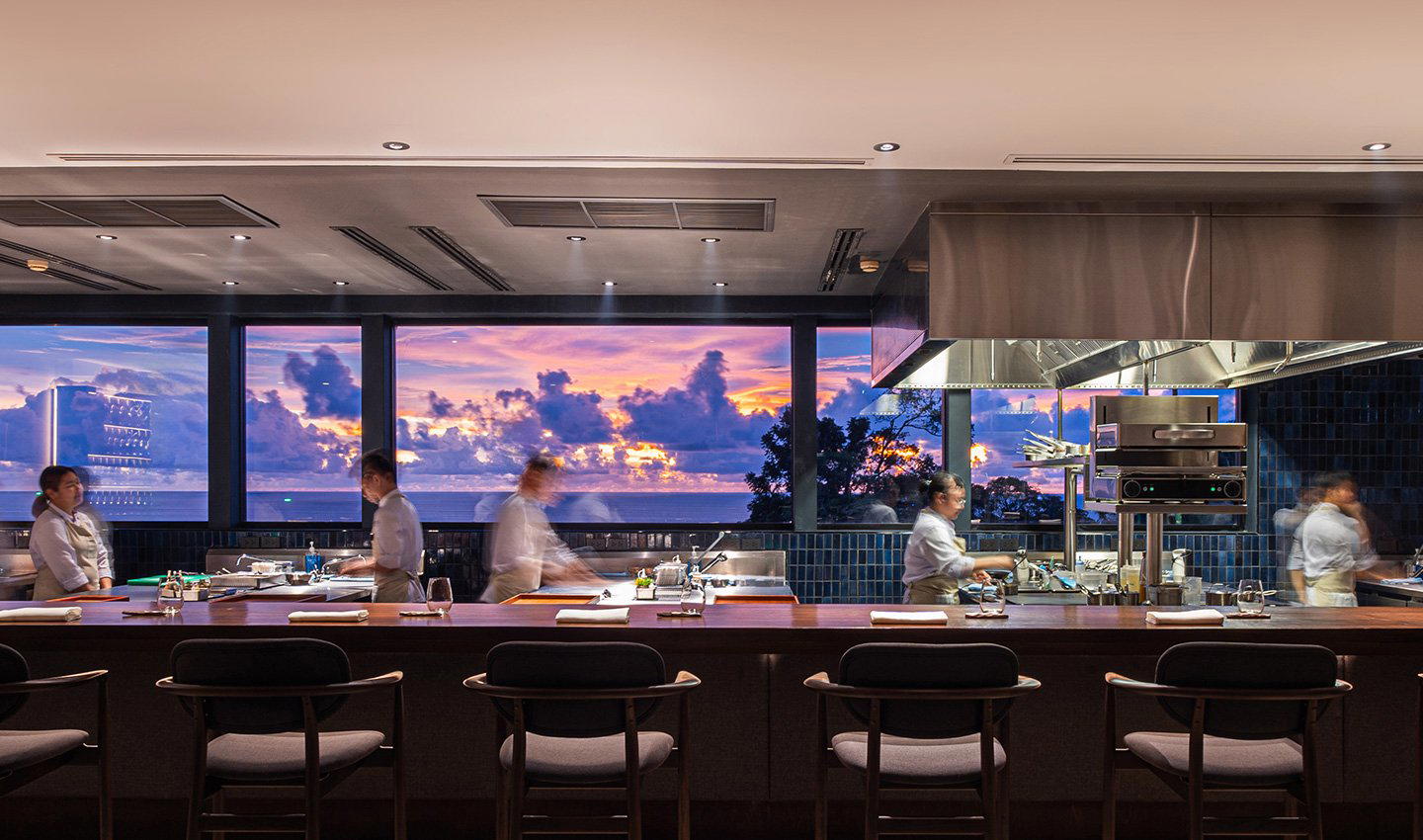
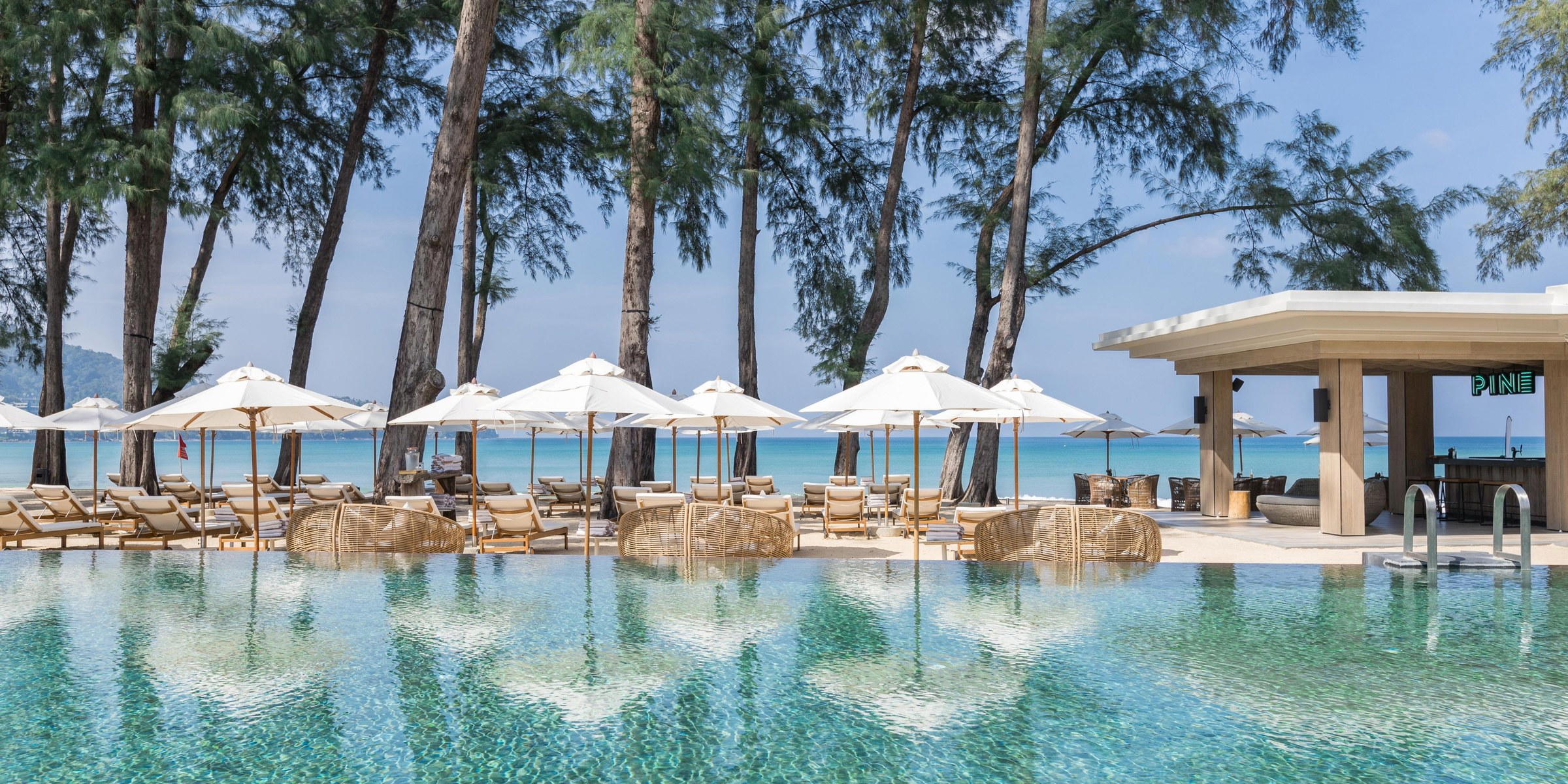
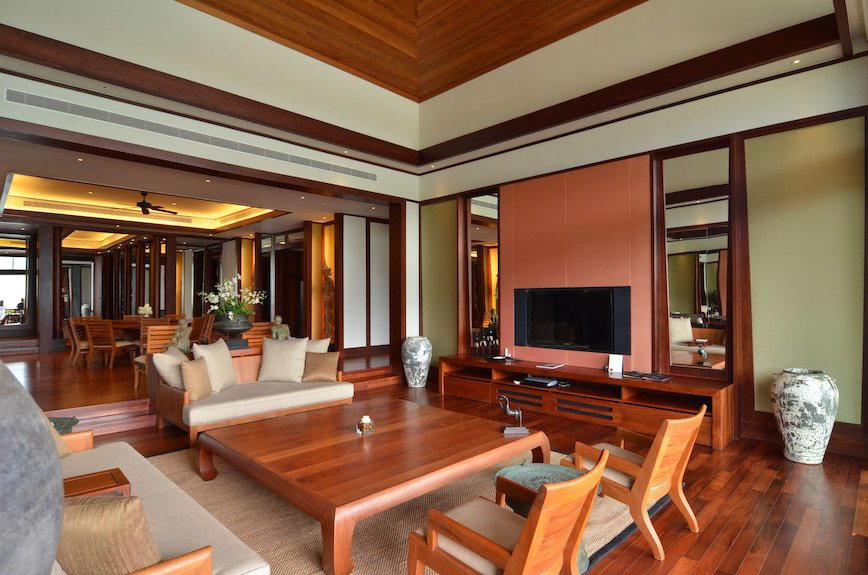
This kind of environmental framing is relatively rare in Phuket's dining scene, where many of the island's higher-end restaurants lean on sea views or heritage architecture to set their tone. Hom, situated inside the InterContinental Resort in Kathu District, works differently. The white palatial walls carry a temple-like register, and the intimacy of the space positions it squarely as a destination for deliberate, unhurried dining rather than a resort amenity you stumble into between pool sessions.
Fermentation as a Culinary Framework
Across Thailand's serious dining circuit, fermentation has moved from occasional technique to defining identity for a smaller cohort of kitchens. Sorn in Bangkok built its two-Michelin-star reputation partly through precise engagement with southern Thai fermented ingredients. PRU, Phuket's other Michelin-recognised modern dining room operating at the ฿฿฿฿ tier, takes a farm-to-table approach that overlaps in ethos if not in technique. Hom sits in a more specific position: a Portuguese chef applying fermentation methodology to local Thai produce, with ninety percent of ingredients sourced from the coast and nearby suppliers.
That sourcing figure matters. It is not a marketing claim but a structural commitment that shapes what appears on the two seasonal tasting menus. Leeks, betel leaves, and pandan are cited as ingredients that receive the fermentation treatment, which suggests a kitchen interested in what transformation does to familiar regional produce rather than importing prestige ingredients to apply a technique to. The result is a menu that reads as a document of place, filtered through a non-Thai culinary sensibility that brings different fermentation traditions to bear on southern Thai larder staples.
Compared to venues like Blue Elephant or Baan Rim Pa Patong, which anchor their menus in Thai culinary tradition presented to an international audience, hom occupies a different register entirely. It is closer in spirit to modern cuisine restaurants working fermentation programs in other Asian cities, though the ingredient base keeps it rooted in its geography. Internationally, the fermentation-and-locality pairing draws comparisons to the Scandinavian model exemplified by places like Frantzén in Stockholm, though hom operates at a warmer, more barefoot register than the northern European archetype.
The Wine List as Editorial Counterpart
A fermentation-led kitchen paired with a conventional wine list would represent a missed opportunity, and hom avoids that disconnect. The natural wine program is designed to track the kitchen's thinking: wines made with minimal intervention, often from producers working with indigenous varieties or farming their land without synthetic inputs. In that sense the list functions as an extension of the menu rather than a separate hospitality offering.
Natural wine lists in Southeast Asia occupy a niche that is still developing. Bangkok has led the regional movement, with a growing number of wine bars and restaurants building lists around low-intervention bottles, but in Phuket the category remains thin outside a handful of venues. Hom's commitment to natural wine at the tasting menu level places it in a small peer group on the island. The pairing option, where available, allows the wine to comment on the fermented flavours in the food rather than simply accompany them, which is the more demanding and more rewarding way to structure a tasting menu experience.
For guests interested in exploring Thailand's broader natural wine and fermentation dining scene, Aeeen in Chiang Mai and AKKEE in Pak Kret represent comparable ambitions in different regional contexts.
Recognition and Positioning
Hom holds a Michelin Plate in 2025, which in the Michelin framework denotes a restaurant serving food of good quality without yet reaching the star tier. In Phuket's dining context, that recognition places hom inside a small bracket of restaurants the guide considers worth the detour. PRU holds a Michelin star and operates at the ฿฿฿฿ price point; hom sits at ฿฿฿ and at the Plate level, making it a different conversation about value relative to ambition.
Tasting menu restaurants in resort settings often accumulate reviews from guests who arrived without full context; a 4.6 holding under those conditions suggests the kitchen is executing reliably.
For comparable ambition elsewhere in Thailand's modern dining scene, Angeum in Ayutthaya applies a similarly research-led approach to regional ingredients, while Agave in Ubon Ratchathani demonstrates how fermentation and locality are finding expression beyond the major tourist centres.
Planning Your Visit
Hom is located at 333/3 Moo 3, Kathu District, Phuket 83150, within the InterContinental Resort. The two seasonal tasting menus make this a dinner reservation rather than a casual drop-in, and the intimate atmosphere is well-suited to couples or small groups with an interest in the kitchen's methodology. Given the tasting menu format and the hotel context, booking in advance is essential. The ฿฿฿ pricing sits below PRU and Acqua in Phuket's higher-end bracket, which makes hom a meaningful point of comparison for guests weighing where to allocate a single serious dinner on the island.
For guests building a broader picture of Phuket's food and drink scene, A Pong Mae Sunee offers the street food counterpoint, and
What It’s Closest To
Comparable venues nearby, for context on price, style, and recognition.
| Venue | Cuisine | Price | Awards | Notes |
|---|---|---|---|---|
| homThis venue — the venue you are viewing | Modern Fermentation-Driven Fine Dining | $$$$ | Michelin Plate | Not listed |
| Royd | Modern Southern Thai Fine Dining | $$$$ | Michelin Plate | Mueang Phuket |
| Buabok | Authentic Southern Thai | $$$ | Michelin Plate | Thalang |
| Jampa | Modern European Farm-to-Table | $$$$ | Michelin Plate | Thalang |
| Tiffin by La Sala | Authentic Indian Fine Dining | $$$ | Michelin Plate | Thalang |
| The Smokaccia Laboratory | Innovative Italian-Influenced Fine Dining | $$$$ | Michelin Plate | Thalang |
Recognition history
Dated appearances from independent guides and award organizations, with the underlying list record or original source where available.
Michelin Plate
Michelin
Michelin Plate
Michelin
Michelin Plate
Michelin
At a Glance
- Modern
- Elegant
- Intimate
- Sophisticated
- Minimalist
- Date Night
- Special Occasion
- Celebration
- Open Kitchen
- Garden
- Design Destination
- Hotel Restaurant
- Natural Wine
- Sommelier Led
- Local Sourcing
- Garden
Current opening hours
- Monday
- Closed
- Tuesday
- 6:30 PM–12 AM
- Wednesday
- 6:30 PM–12 AM
- Thursday
- 6:30 PM–12 AM
- Friday
- 6:30 PM–12 AM
- Saturday
- 6:30 PM–12 AM
- Sunday
- Closed
Hours can change for holidays and private events. Last verified .
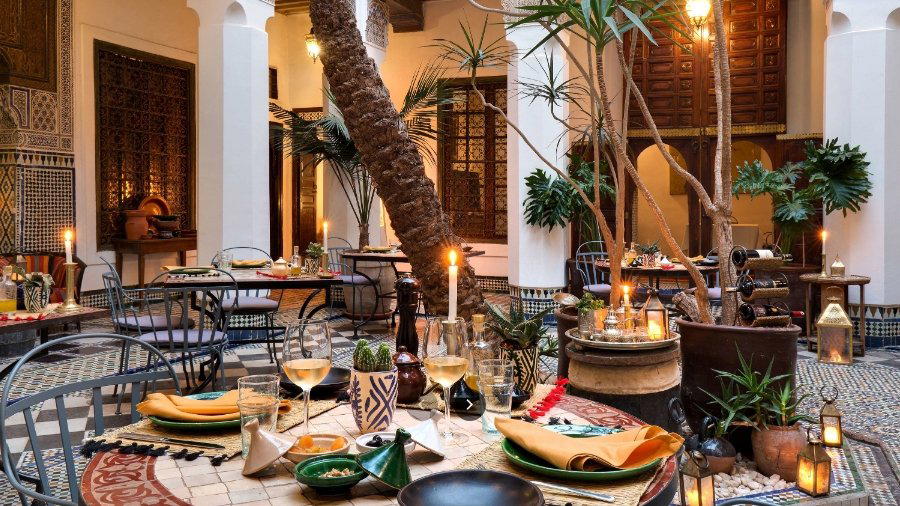
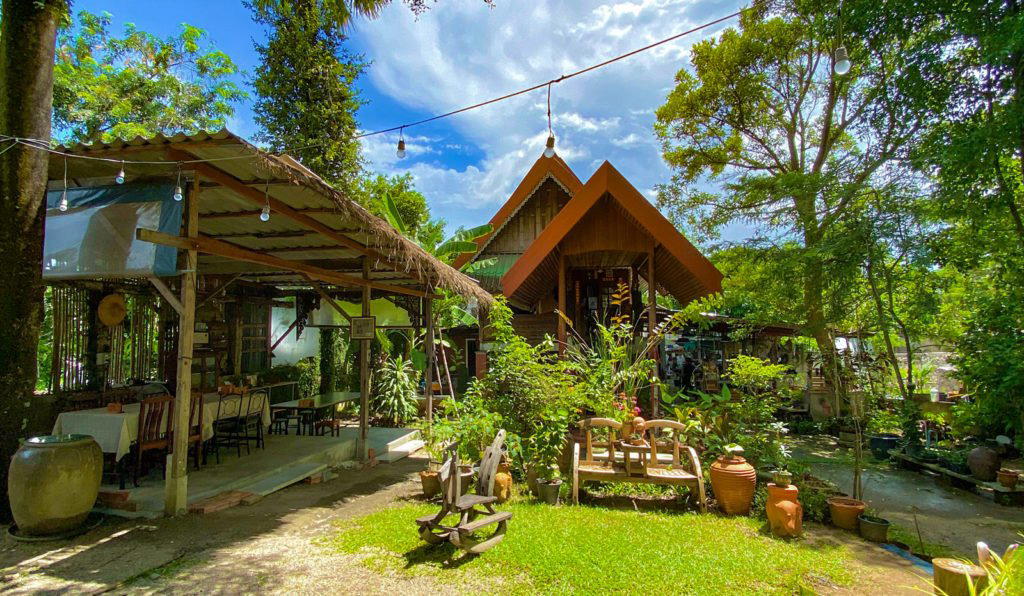
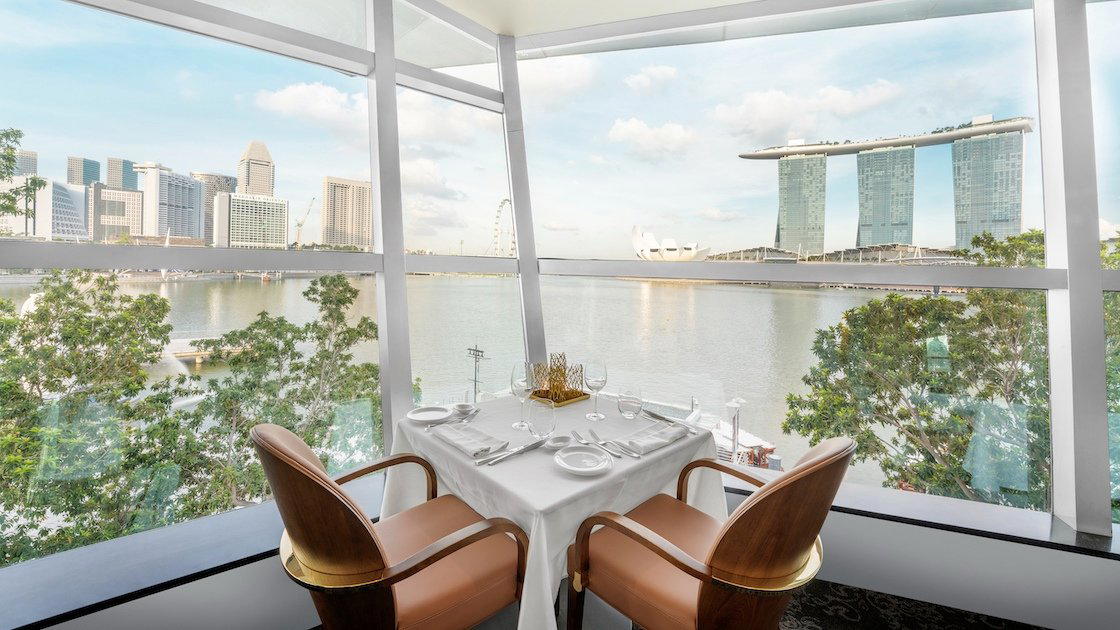
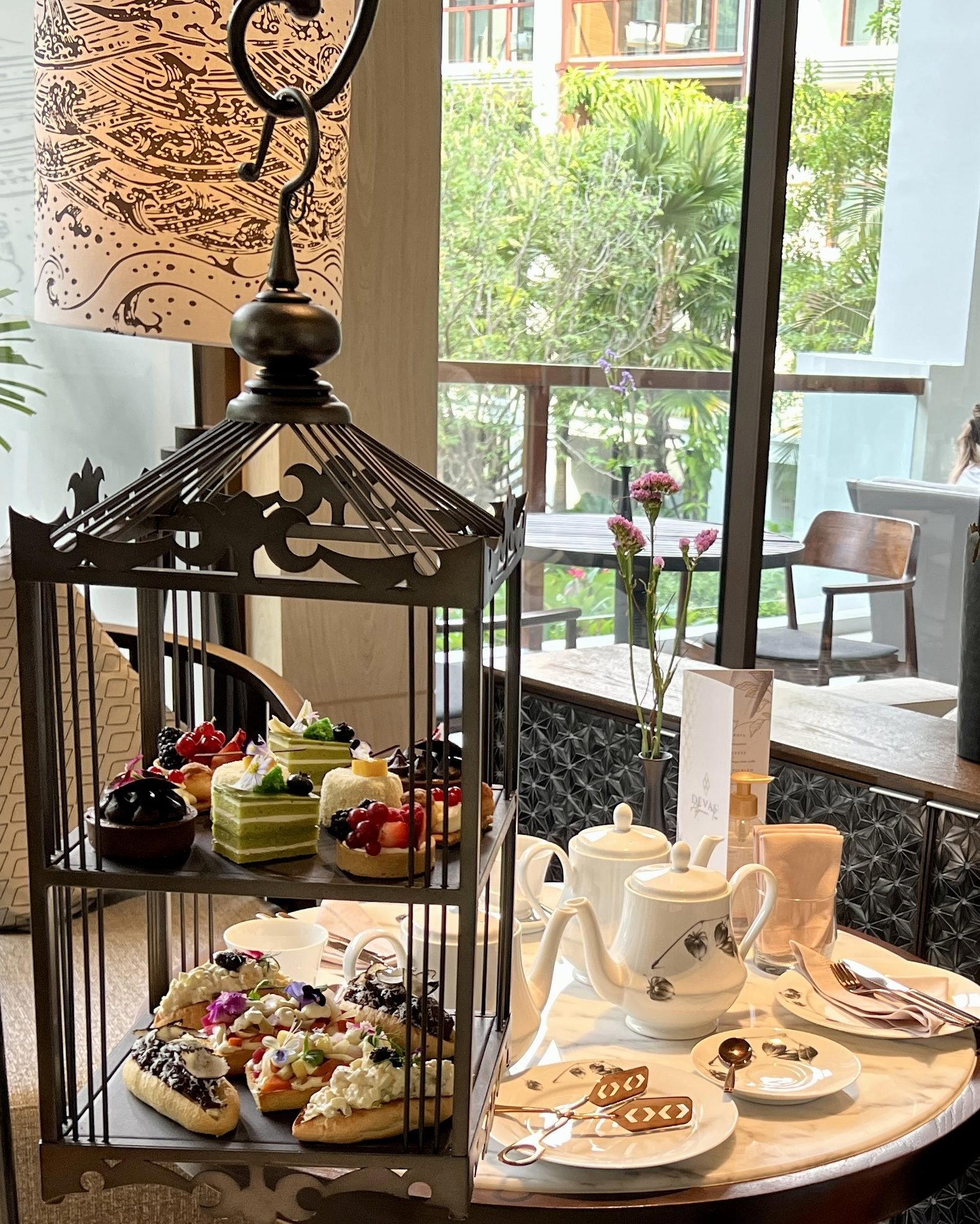
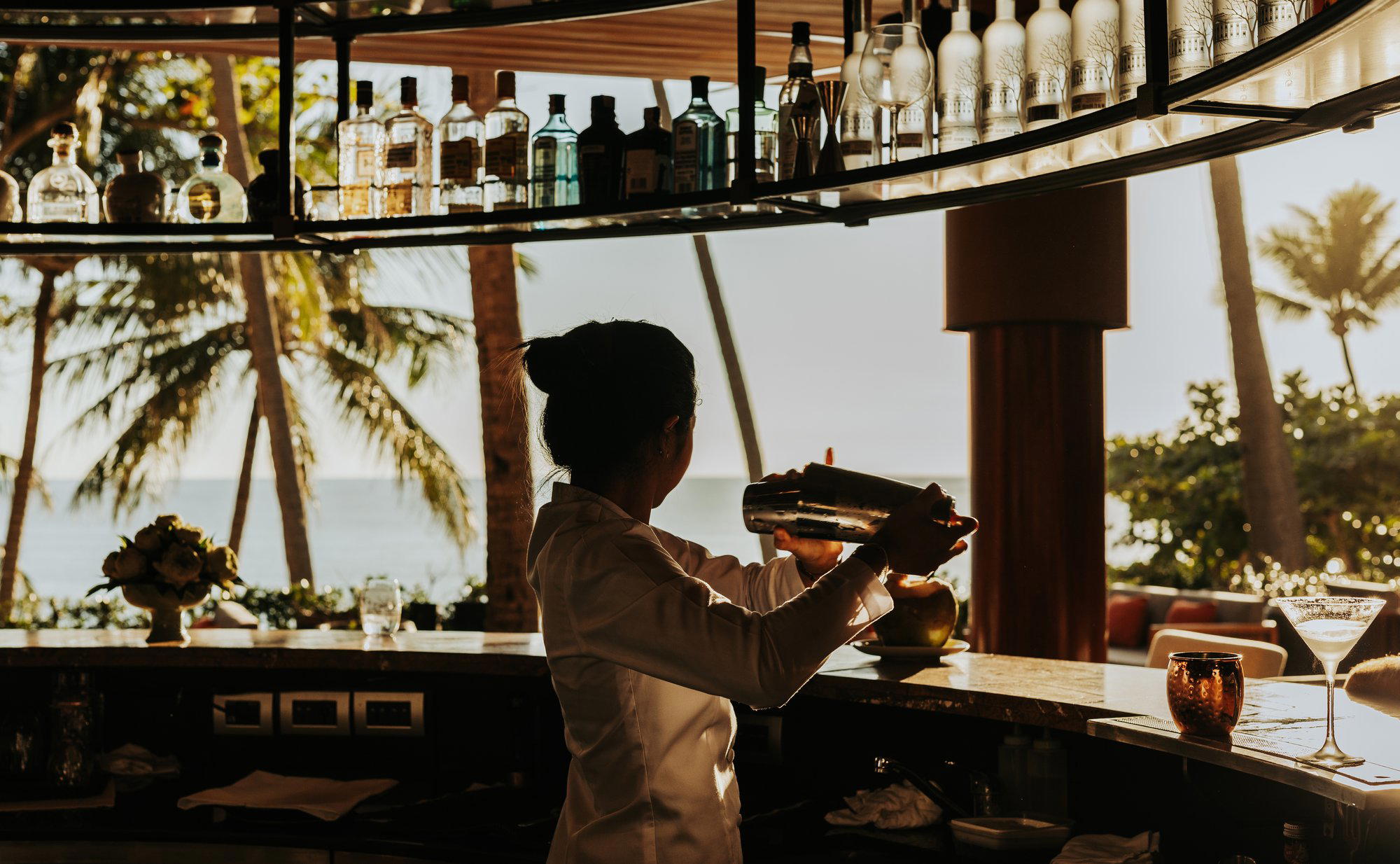
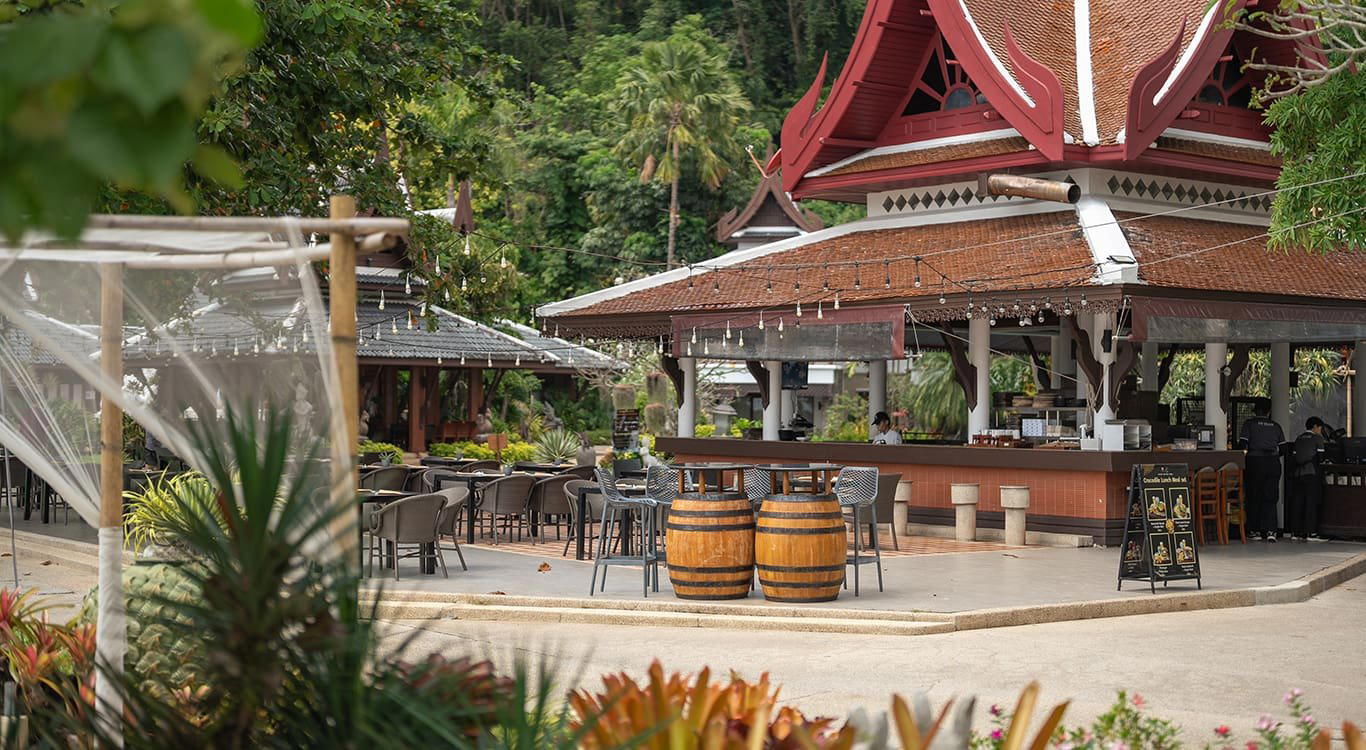
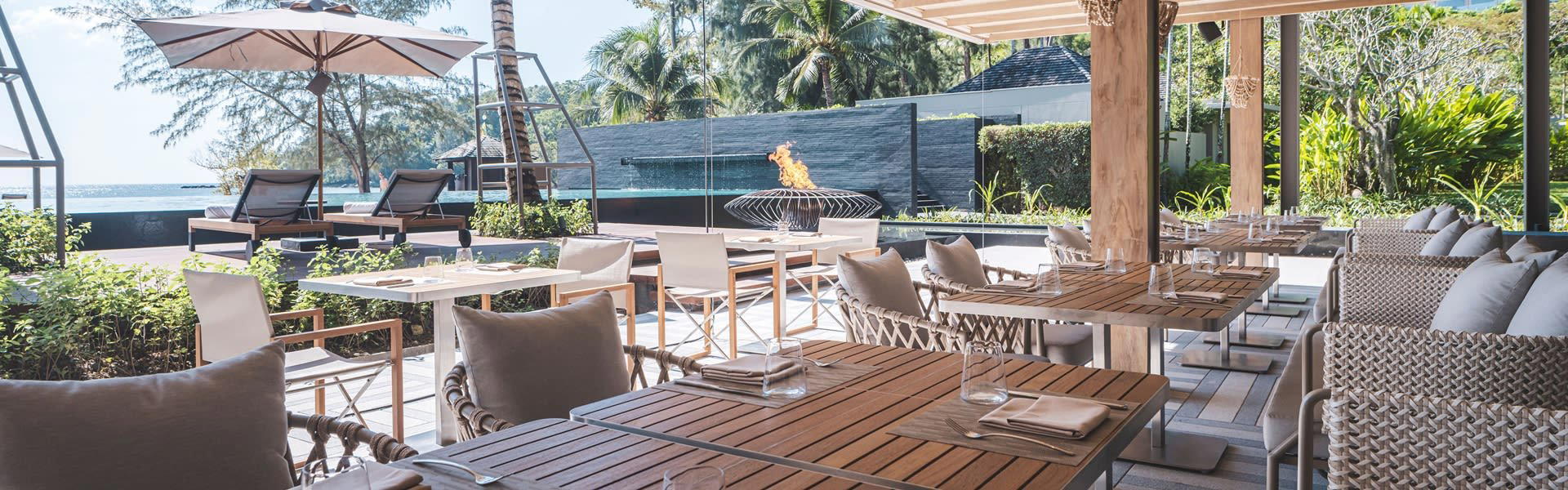
Intimate and elegant with minimalist design, high ceilings, Thai-patterned tiles, and a heavenly garden path approach, creating a romantic and sensorial atmosphere.