Michelin Bib Gourmand
Our verdict
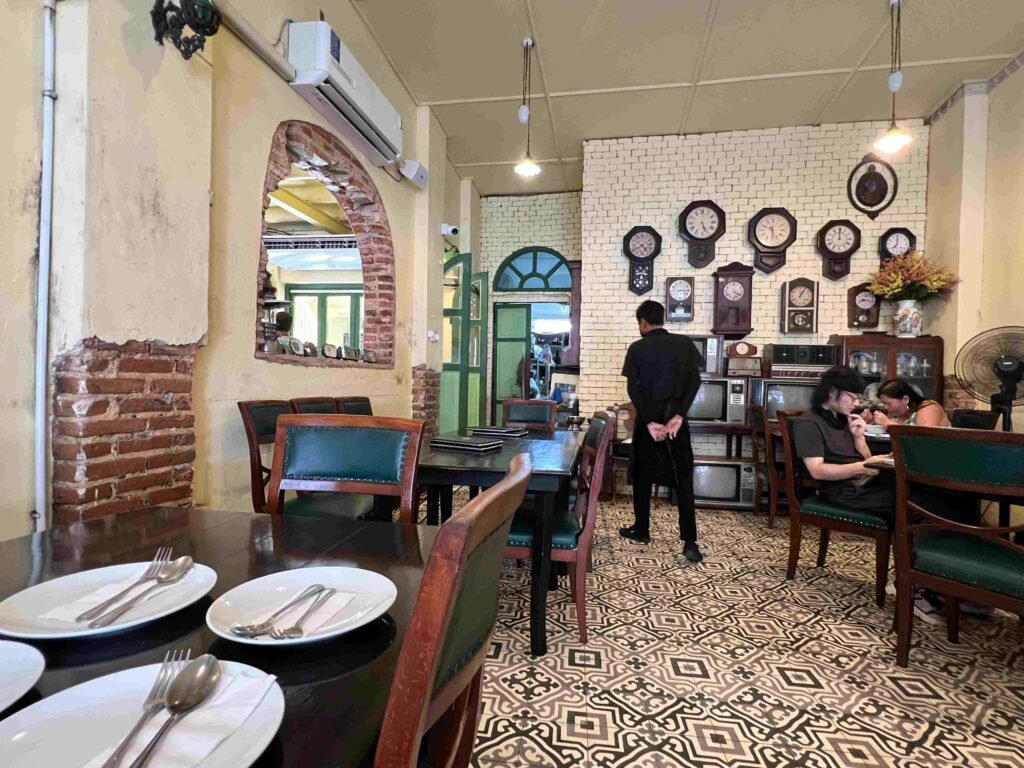
One Chun in Phuket delivers Southern Thai and Phuketian cuisine in a 19th-century Sino-Portuguese setting. Signature dishes include Mu Hong (slow-braised pork belly), kaeng som (sour-spicy fish curry) and crab curry with coconut milk. The menu follows family recipes passed down through generations and emphasizes bold, balanced flavors with fresh local seafood and spices. A Michelin Guide Bib Gourmand recognition highlights its consistent quality and value. Expect a warm, vintage atmosphere filled with 1950s memorabilia, and plates that pair punchy heat, tangy sourness and mellow coconut richness for an unforgettable, authentic Phuket dining experience.

Pearl is the En Primeur Club membership app, where members save venues, book tables and use the concierge.
The menu
What to order
- Kang Poo (Crab Curry)
- Moo Hong (Braised Pork Belly)
- Hor Mok Poo
A 19th-Century Shophouse and the Geometry of a Southern Thai Meal
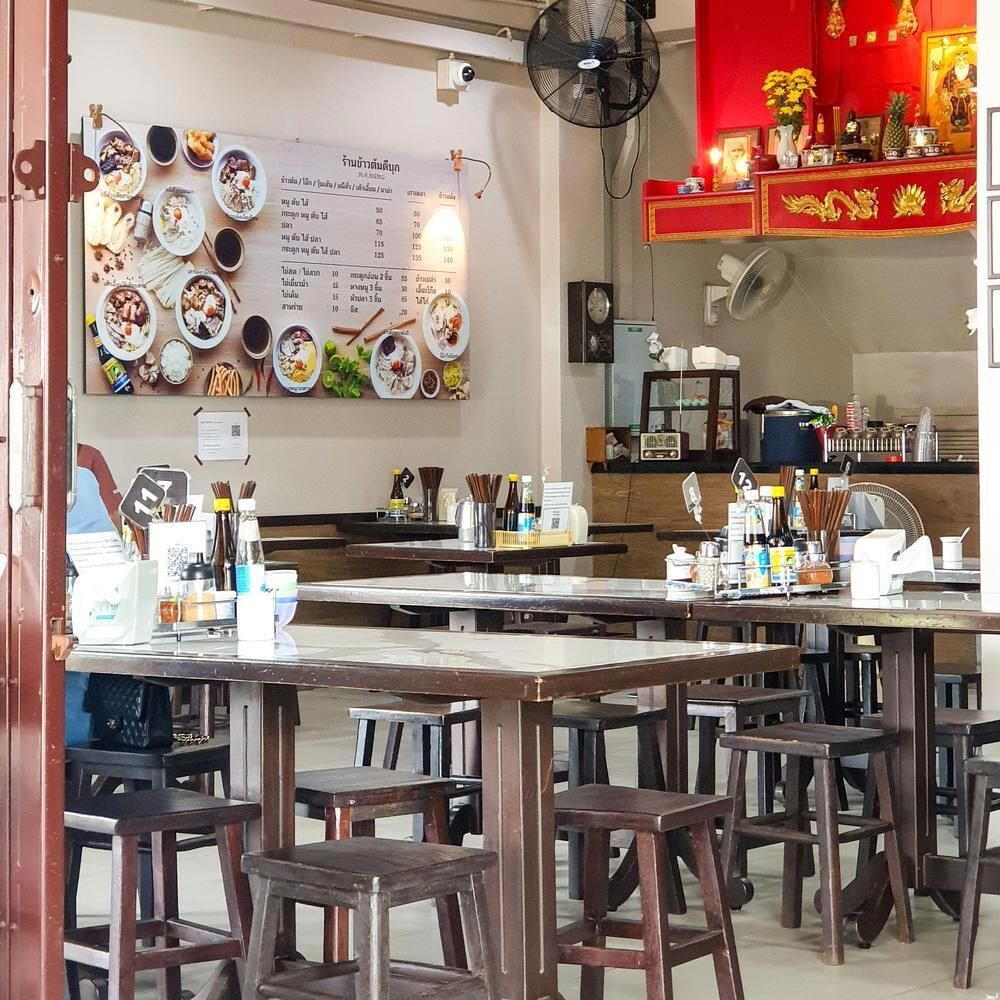
Thep Krasattri Road cuts through the older commercial fabric of Mueang Phuket, and the building at number 48 looks like it has been absorbing heat and cooking smells for well over a century. The facade carries that particular patina of Sino-Portuguese shophouse architecture, the kind that lines the historic quarter of Phuket Town: shuttered upper windows, faded pigment on plaster, a ground floor that opens directly onto street life. Arriving at One Chun, you are entering a dining room where the physical setting and the food share the same logic: nothing is recent, nothing is imported, and the meal follows rhythms that have accumulated across generations.
Southern Thai cooking is a distinct register within Thai cuisine, and Phuket Town is one of its most concentrated expressions. The food here runs hotter and more aggressively spiced than central Thai preparations, with shrimp paste (kapi) as a structural ingredient rather than a background note, and a sourness drawn from tamarind, lime, and fermented elements that cuts through the fat in proteins. Where Bangkok-facing Thai restaurants tend to moderate heat and soften acidity for broader palatability, the kitchens around Phuket Town hold the original calibration. One Chun sits inside that tradition: the recipes are documented as family dishes passed across generations, and the Michelin Bib Gourmand recognitions in both 2024 and 2025 position it among the city's most credible keepers of that lineage at an accessible price point.
How the Meal Is Meant to Move
The structure of a Southern Thai meal at a table like this one differs materially from sequential Western service. Dishes arrive more or less simultaneously, arranged for sharing, and the diner's role is to compose each mouthful across the spread rather than progress through a fixed order. Rice is not a side item; it is the anchor that regulates heat and salinity across everything else on the table. The pacing is set by the diner, not the kitchen, and the meal ends when the rice runs out rather than when a dessert course signals closure.
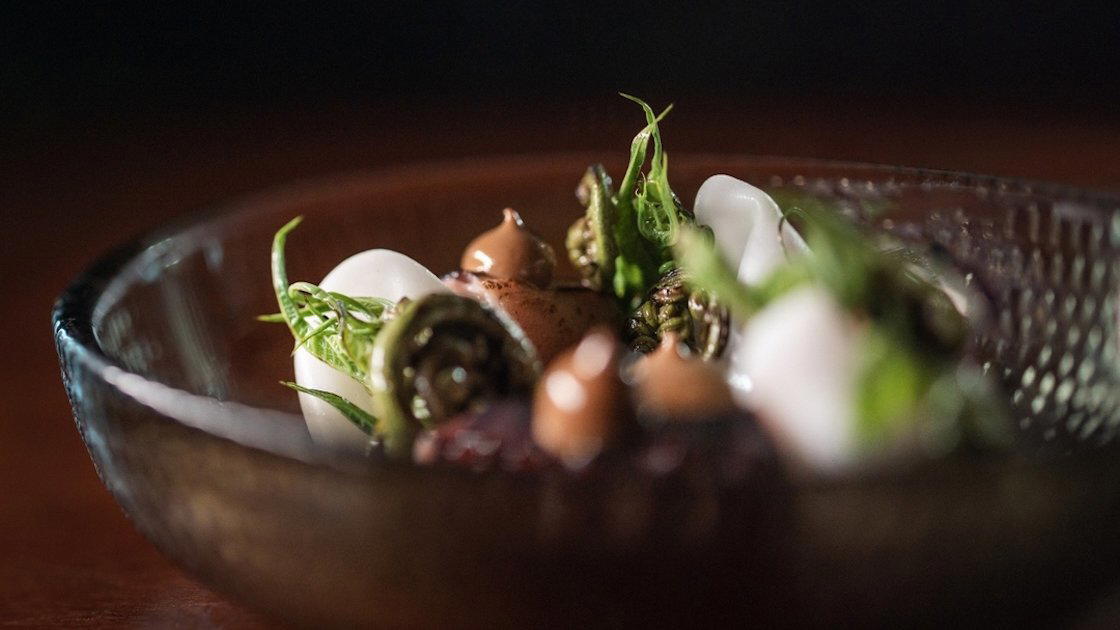
Understanding this format changes what you order. The goal is range: a dish with dominant heat, one with sour prominence, one built around braised richness, something raw or lightly dressed to reset the palate. At One Chun, the recommended ordering pattern maps to that logic. The boiled shrimp with shrimp paste is the right entry point into the meal's acidity register: the kapi anchors the dish with fermented depth while the lime and lemongrass cut through, producing what the venue describes as a balance of salty and sour that is simultaneously sharp and refreshing. It is a dish that illustrates why Southern Thai cooking rewards attention rather than passive consumption.
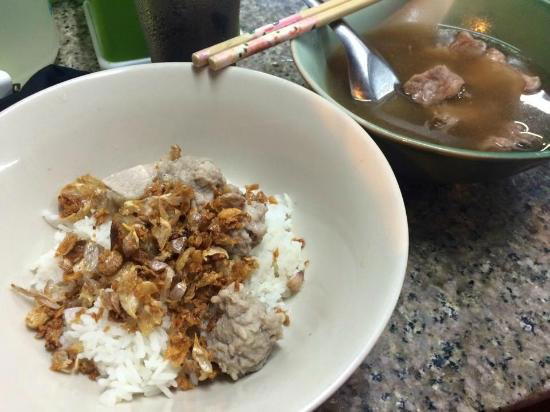
Mu Hong, the braised pork belly preparation, operates on the opposite register. Long-cooked fat and soy-based sweetness sit at one end of the table's flavour arc while the shrimp dish sits at the other, and eating across both with rice between them demonstrates the meal's internal architecture. The texture on well-executed Mu Hong is particular: the collagen in the pork belly should have broken down completely, leaving a softness that is distinct from both the resistance of fresh meat and the dryness of overcooked protein. The venue's own framing of this dish emphasises bold flavour and tenderness, which maps to the same quality marker.
Phuket Town's Bib Gourmand Tier
The Michelin Bib Gourmand designation marks cooking that inspires a detour and meets a value threshold, meaning the price-to-quality ratio is part of the judgment. One Chun's ฿฿ price positioning places it in the accessible mid-range for Phuket, which in the context of Bib Gourmand recognition means the food quality is tracking above what the price signals. That gap between cost and output is what the Bib Gourmand is designed to identify, and consecutive recognitions in 2024 and 2025 confirm it is not a single-year anomaly.
Within Phuket Town specifically, One Chun sits in a peer group of Southern Thai tables that have attracted formal recognition. Chom Chan, Khrua Ohm, and Kin-Kub-Ei operate in broadly the same register, along with neighbourhood tables like Krua Baan Platong and Krua Kao Kuk. Against the upper end of Phuket's dining spectrum, where modern Thai cooking at PRU runs to ฿฿฿฿ and Blue Elephant operates at ฿฿฿ with a colonial mansion setting, One Chun represents a different proposition entirely: direct heritage cooking in an authentic environment at a fraction of the outlay.
For readers building a Southern Thai itinerary that extends beyond Phuket, the same culinary logic surfaces in Bangkok at different price points and formats. Sorn in Bangkok applies Southern Thai ingredients and technique within a fine dining structure. Beer Hima in Chatuchak and Janhom offer capital-city interpretations of the same regional cooking. Understanding the source material in Phuket Town adds considerable context to what those Bangkok kitchens are working from.
The Shophouse Setting and What It Adds
One Chun's 19th-century building is not decorative context. Shophouse architecture in Phuket Town reflects the Peranakan history of the island, a cultural layering produced by Chinese merchant settlement alongside Malay and Thai influences. That history runs directly through Southern Thai cooking itself: the use of Chinese fermentation techniques, the incorporation of Malay spicing, the adaptation of local seafood into dishes that do not have a single ethnic origin. Eating in a building from that era, surrounded by the vintage aesthetic the venue has cultivated through the owner's design background, places the meal inside a legible historical frame.
The fashion design background attributed to the owner has shaped the interior with an eye for period detail rather than nostalgia-kitsch. The result is a dining environment that sits closer to a preserved family home than to a heritage theme restaurant, and that distinction matters for how the meal feels. The formality is relaxed; the setting is personal; the food carries the weight of provenance without requiring ceremony to communicate it.
Planning the Visit
One Chun is located at 48 Thep Krasattri Road in the Talat Yai district of Mueang Phuket, positioned within walking distance of the main heritage streets in Phuket Town's old quarter. The ฿฿ price range makes it accessible relative to the island's resort-facing dining options.
Phuket Town itself warrants building time into any itinerary that defaults to beach or resort dining. The old quarter concentrates the island's most coherent food culture, and One Chun anchors one end of that argument. For broader planning, our full Phuket restaurants guide maps the range across price tiers and neighbourhoods. If you are extending the trip, our Phuket hotels guide, bars guide, wineries guide, and experiences guide cover the island in full. For regional context across Thailand, AKKEE in Pak Kret, Aeeen in Chiang Mai, Agave in Ubon Ratchathani, Angeum in Phra Nakhon Si Ayutthaya, and The Spa in Lamai Beach provide useful reference points for how regional Thai cooking varies by geography and format.
What Regulars Order at One Chun
The two dishes that appear most consistently in the venue's own framing are the boiled shrimp with shrimp paste and the Mu Hong braised pork belly. The shrimp preparation is the cleaner entry point into the meal: sharp, saline, and direct, it establishes the flavour register before anything else. Mu Hong provides the counterweight, its slow-cooked depth and collapsed fat texture sitting at the opposite end of the table's intensity arc. Both dishes are drawn from family recipes that have been in circulation across generations, which in the context of Southern Thai cooking means they have been adjusted and refined through repeated preparation rather than designed for a menu. That distinction is audible in the food. Order both, anchor them with rice, and let the meal compose itself.
Frequently asked questions
What's the cuisine at One Chun?
Is One Chun award-winning?
One Chun has received recognition including: Merging the owner's fashion design flair and passion for fine fare, One Chun offers a vintage-toned dining experience in a 19C building. Diners still enjoy the family recipes, which have been passed down the generations. Among the specialti….
What do regulars order at One Chun?
Two dishes define the repeat-visit pattern at One Chun: the boiled shrimp with shrimp paste, which balances salty and sour notes with a spicy lift, and the Mu Hong braised pork belly, known for its soft texture and concentrated flavour. Both appear in the venue's own framing of its menu and reflect family recipes passed down through generations. The Bib Gourmand recognition in both 2024 and 2025 aligns with this kind of focused, high-value cooking rather than a sprawling menu.
What does dinner at One Chun typically cost?
Pricing at One Chun is listed as ฿฿.
What's One Chun's location?
One Chun is located at 48, 1 Thep Krasattri Rd, Talat Yai, Mueang Phuket District, Phuket 83000, Thailand, Phuket.
The Short List
| Venue | Cuisine | Price | Awards | Notes |
|---|---|---|---|---|
| One ChunThis venue (the venue you are viewing) | Southern Thai Phuket Cuisine | $20–30 | Michelin Bib Gourmand | Not listed |
| PRU | Modern Thai Fine Dining | $200–300 | 1 Michelin Star · Wine Spectator Award of Excellence | Thai, Modern Cuisine, ฿฿฿฿ |
| Blue Elephant | Refined Southern Thai Fine Dining | $50–100 | Michelin Plate | Thai, ฿฿฿ |
| Acqua | Modern Italian Fine Dining | $50–100 | Michelin Plate · La Liste Top Restaurants | Italian, ฿฿฿฿ |
| Baan Rim Pa Patong | Royal Thai Cuisine | Not listed | Wine Spectator Award of Excellence | Thai |
| Chuan Chim | Thai-Chinese Seafood | $10–20 | Michelin Bib Gourmand | Thai, ฿฿ |
Recognition history
Dated appearances from independent guides and award organizations, with the underlying list record or original source where available.
Michelin Bib Gourmand
Michelin
Full recognition history (3 entries)
Michelin Bib Gourmand
Michelin
Michelin Bib Gourmand
Michelin